Industrial equipment and custom parts sourced from vetted Chinese factories since 2007
[email protected]Mon-Fri 09:00-18:00 GMT+8
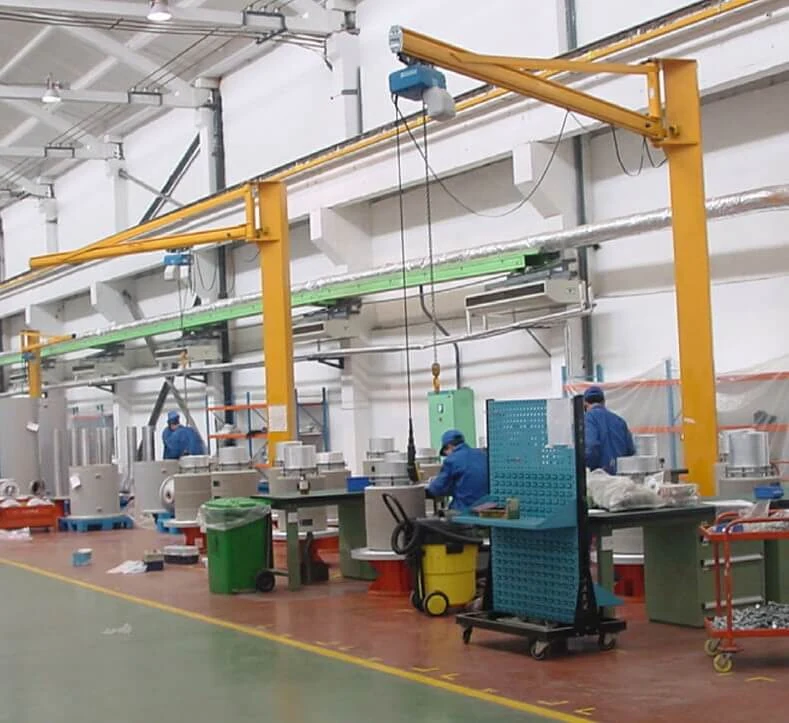
Lifting equipment is the one purchase where a wrong specification is discovered by the people working underneath it. Our crane range spans ceiling cranes up to five tonnes, portable gantry cranes up to ten tonnes, jib cranes with a maximum of six point three tonnes and a jib length up to ten metres, and bridge cranes to a maximum of six hundred tonnes across a maximum span of forty nine metres. The work is choosing correctly within that range.
Every stage below is a point where sourcing projects usually go wrong. This is what we do at each of them.
Problem: Most lifting enquiries name a crane type before anyone has established what the crane must actually do.
We start from the load the span the headroom and the frequency, and let the type follow from those four answers instead of dictating them.
Problem: A factory whose normal work is two tonne workshop hoists will still quote a three hundred tonne bridge crane.
Enquiries go to the factories whose regular output matches your capacity class, because a crane built at the edge of a shop's experience is where problems begin.
Problem: Functions such as sway control and micro motion are difficult and expensive to add once the crane is built.
Intelligent monitoring anti sway positioning synchronous operation and micro motion are decided at specification stage and written into the order.
Problem: A crane cannot be sampled, so the buyer has nothing physical to judge before committing.
Approval is instead made on general arrangement drawings which we hold open until the dimensions match your building, and on components that can be assessed individually.
Problem: Girder welding and the coating system are the two things a distant buyer never gets to see.
We attend during fabrication and record welding and paint while corrections are still possible on the shop floor.
Problem: A certificate issued at the factory gate tells you a test happened but not what it showed.
Testing is witnessed by our team and the observed result is reported to you alongside the factory paperwork.
Problem: Crane structures arrive in pieces and an unmarked pile of steel makes erection slow and risky.
Sections are marked to the erection drawing and the trolley hoist and panels are crated against a master list issued before departure.
Problem: Once installed the machine will need wear parts that are almost impossible to identify from abroad.
A spares list is agreed with the order and the same network supplies machined parts stampings and fasteners against the original drawings later.
A crane type chosen from the duty rather than from a catalogue preference
Functions such as anti sway and micro motion built in from the start
Fabrication and testing observed by our people before shipment
Marked sections and a spares list that make erection and upkeep manageable
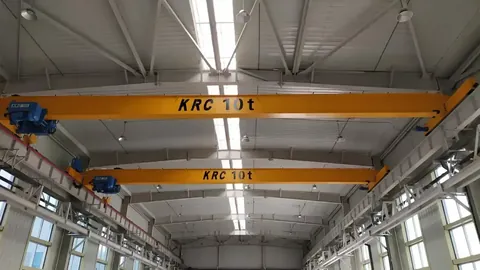
10 Ton Overhead Crane Solution
A 10 ton overhead crane sized for the span, lift height and duty cycle of your building rather than a fixed ca...
View Details →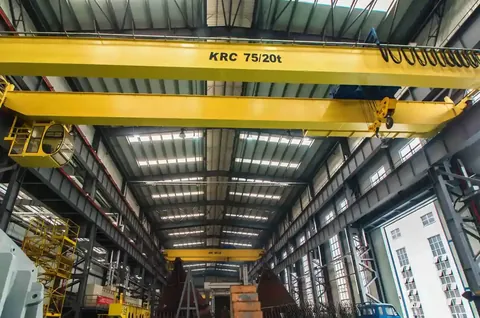
15 Ton Crane Solutions
A 15 ton crane range for buildings whose load handling space spans between 36 to 50 meters, offered in light a...
View Details →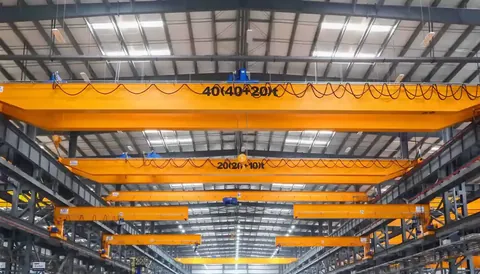
20 Ton Overhead Crane Solution
Three 20 ton overhead crane choices covering outdoor warehouse, railroad and construction site lifting. The li...
View Details →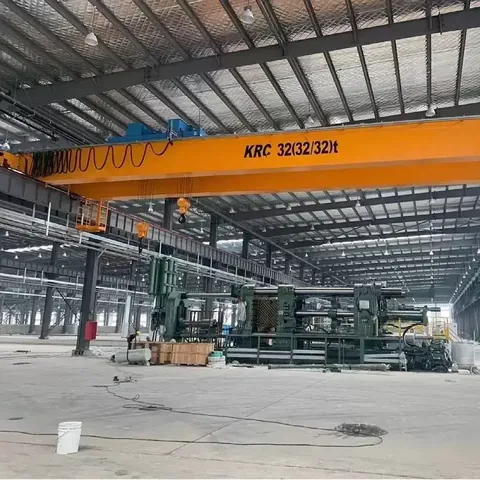
30 Ton Overhead Crane Solution
Three 30 ton crane builds published against one reference table so a buyer can read capacity, span, hook heigh...
View Details →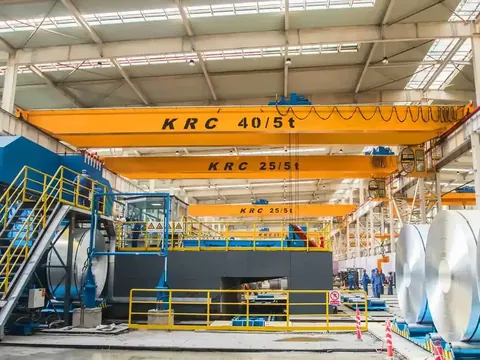
40 Ton Overhead Crane
A 40 ton crane family covering overhead, winch and gantry builds for construction, outdoor warehouse and railr...
View Details →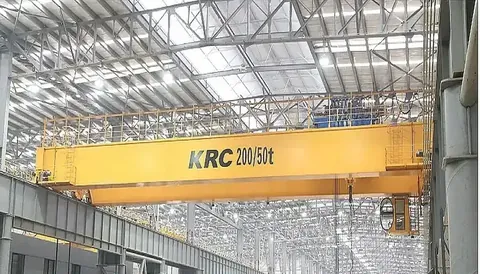
50 Ton Overhead Crane
A 50 ton bridge crane offered in light double beam and winch double beam builds, both produced in Henan, China...
View Details →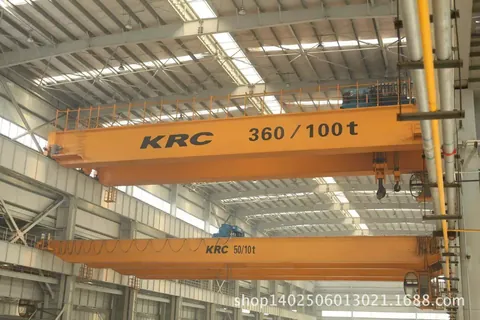
100 Ton Overhead Crane
A 100 ton overhead crane range written for heavy manufacturing, shipbuilding, aerospace, metals and mining, po...
View Details →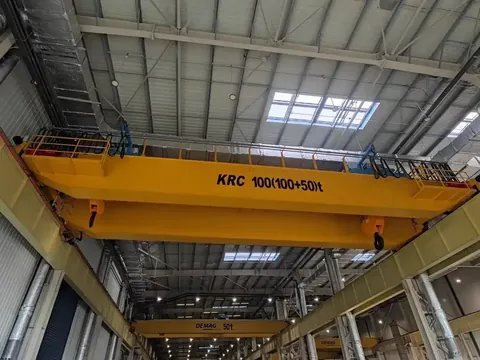
150 Ton Crane Solution
A winch type 150 ton crane built on a double beam bridge design with a European style electric wire rope hoist...
View Details →Ceiling workshop cranes are supplied from five hundred kilograms to two thousand kilograms with a span of up to fourteen metres and electric travel speed of twenty metres per minute.
Jib cranes reach a maximum of six point three tonnes with a jib length of up to ten metres and rotation through zero to three hundred and sixty degrees.
Bridge cranes reach a maximum lifting capacity of six hundred tonnes and a maximum span of forty nine metres.
Mobile portable gantry cranes are supported to twenty tonnes and lighter aluminium portable units are used where the frame has to be moved by hand.
Workshop cranes using electric or manual hoists are rated to two tonnes and are used in machine shops and repair facilities.
Tell us the specification, the volume and the destination port and we will come back with a factory match and a quotation.
Email Our Sourcing TeamBrowse Products