Industrial equipment and custom parts sourced from vetted Chinese factories since 2007
[email protected]Mon-Fri 09:00-18:00 GMT+8
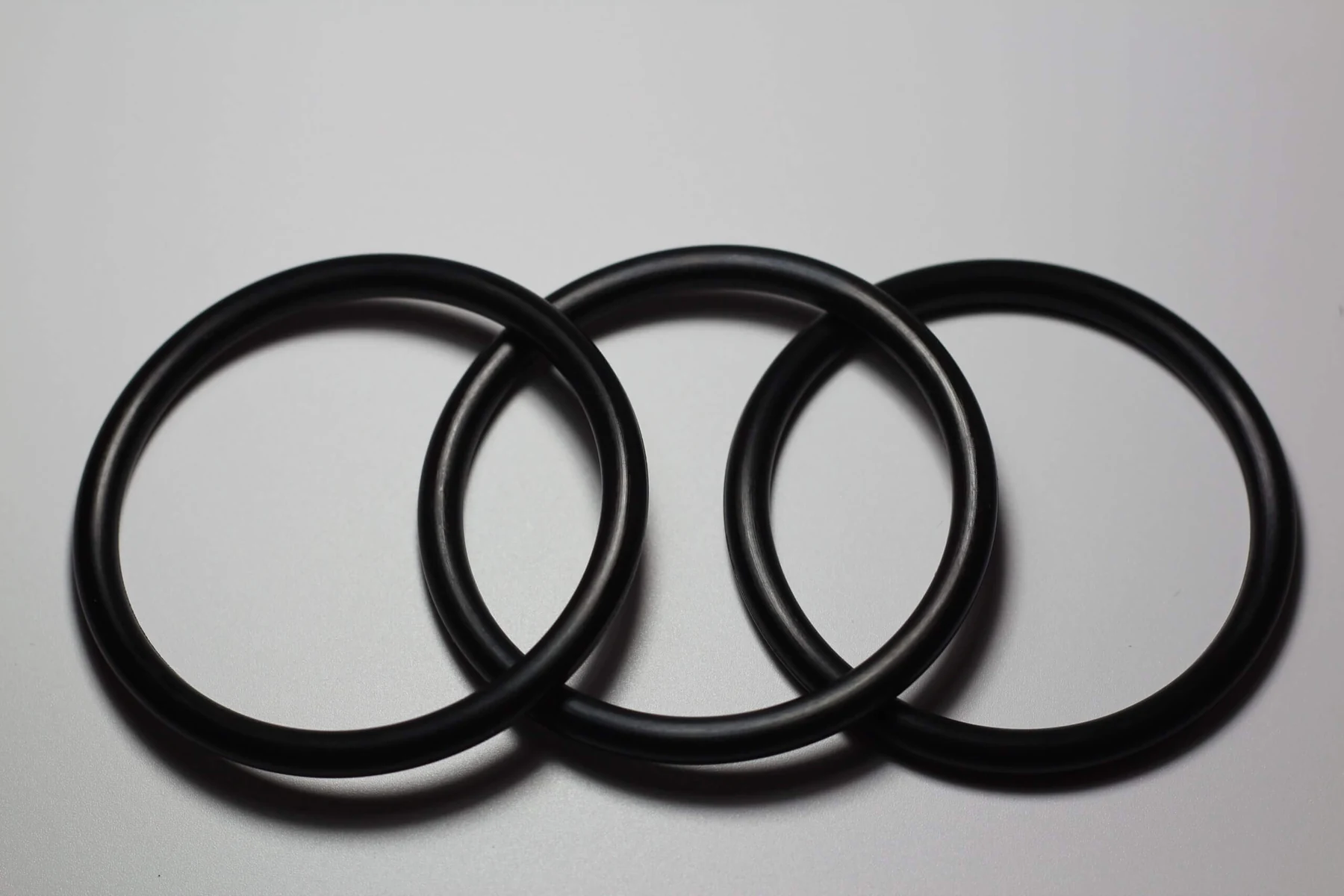
NBR o-rings are made from nitrile rubber, chosen where the seal is in constant contact with oils, fuels and other hydrocarbons. The material holds its properties in oil-saturated environments rather than swelling and losing squeeze, which is why it is used in the automotive industry, in aerospace work, in wire and cable assemblies and in home appliances. It is also the cost-effective choice among sealing elastomers, so it is the sensible default wherever the duty is hydrocarbon contact rather than aggressive chemicals or extreme temperature.
Oil and fuel resistance keeps the seal dimensionally stable where a general purpose elastomer would swell
Cost per ring stays low, which matters when a vehicle or appliance assembly uses many seals
Consistent behaviour in hydrocarbon service reduces warranty leaks after the unit leaves the plant
Suits wire and cable and appliance assemblies where the seal must last the life of the unit without service access
Sized to your groove so the ring is not over squeezed on automated assembly
General purpose rubber swells in oil and the joint begins to weep after a short service period
Premium fluoroelastomer rings cost more than the duty requires when the medium is simply oil or fuel
Inconsistent ring dimensions jam or pinch on automated assembly equipment
Seals failing inside a sealed appliance mean a field replacement of the whole unit
Mixed material batches make it impossible to trace which compound was fitted
| Material | NBR nitrile rubber |
|---|---|
| Key Property | Good oil resistance |
| Applications | Automotive aerospace wire and cable home appliances |
| Form | O ring |
Figures shown are taken from the supplying factory documentation. Anything not listed here is confirmed in writing before order.
NBR costs less and is sufficient where the medium is oil or fuel rather than aggressive chemicals or high temperature
NBR is the correct choice in hydrocarbon service where EPDM would swell
HNBR is used for cold medium sealing duty while NBR covers general oil and fuel contact

HNBR O-ring and HNBR Seals
HNBR material seals are used where the sealed medium is cold and the elastomer still has to stay flexible and ...
View Details →
FKM and FFKM O-rings
Two fluorine based sealing families for the positions where a general purpose elastomer will not survive. FKM ...
View Details →
FFKM Seals
FFKM material seals are specified where the sealing element has to survive conditions that would degrade any o...
View Details →
FFKM O-rings
FFKM o-rings are selected when a seal has to face aggressive chemicals, solvents and corrosive agents and stil...
View Details →Nitrile rubber has good resistance to oils, fuels and other hydrocarbons, so it keeps its dimensions and sealing force where a general purpose elastomer would swell.
Mainly the automotive industry, aerospace, wire and cable work and home appliances.
Yes. It is the cost-effective option among sealing elastomers, which is why it is used where the duty is hydrocarbon contact rather than aggressive chemical or extreme temperature service.
Yes. Inside diameter, cross section and hardness are made to your groove and gland conditions.
When the medium is an aggressive chemical or the service temperature is high, a fluoroelastomer is the better fit. Send the medium and temperature and the material will be proposed with the quotation.
It depends on size, hardness and whether tooling already exists, and it is confirmed in writing with the quotation.
Send the drawing, capacity or duty cycle you need and we will come back with the factory match, the build detail and the commercial terms.
Email Our Sourcing TeamView Category