Industrial equipment and custom parts sourced from vetted Chinese factories since 2007
[email protected]Mon-Fri 09:00-18:00 GMT+8
An overhead crane is a fixed capital asset that will sit above your production line for decades, so the purchase decision is far more about matching the machine to a duty cycle and a building than about comparing headline prices. Chinese manufacturers supply the full range, from light single girder bridge cranes to heavy double girder installations, and the sourcing question for an importer is how to separate a supplier that engineers to your building drawings from one that resells a catalogue frame. This guide walks through crane types, specification inputs, quality testing methods, supplier verification, certification, shipping and the post-delivery work that keeps the asset safe.
An overhead crane moves loads along a bridge that travels on runway beams fixed to the building structure, so the lifting path is above the workspace rather than through it. That geometry is the whole value proposition: floor area stays clear, aisles are not blocked by mobile equipment, and heavy items can be positioned precisely over machines that would otherwise be unreachable. Against this you are buying a high initial investment, an installation that interacts with the building shell, and a machine that only works inside the rectangle its runways define. Operators must be trained and certified, which is an ongoing cost. If your handling pattern is occasional and scattered across a yard, a mobile solution may suit better; if it is repetitive and confined to one bay, the overhead crane is usually the correct answer.
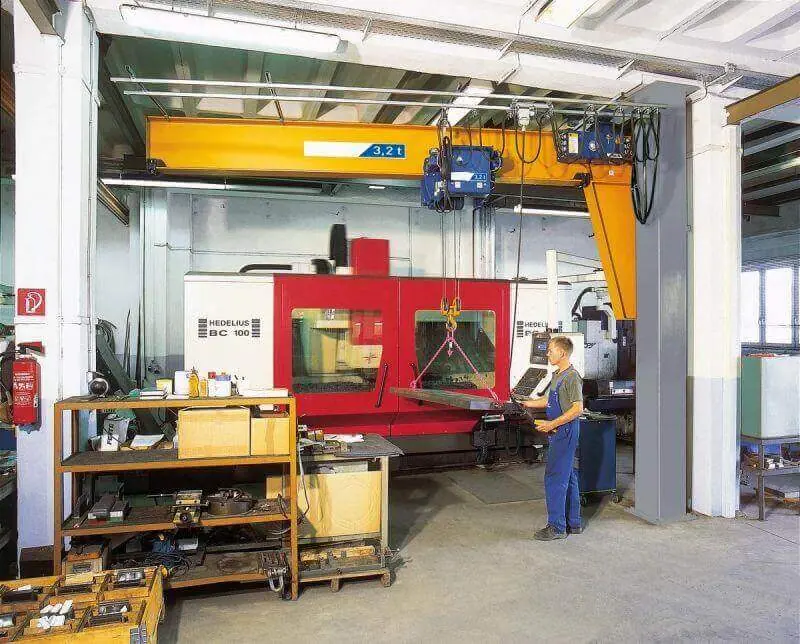
The category covers several distinct configurations. Single girder bridge cranes carry the hoist on one beam and suit lighter, moderate duty work. Double girder cranes run the trolley on top of two beams, which raises capacity, improves hook height and allows walkways and maintenance platforms. Gantry cranes stand on their own legs and travel on ground rails, so they do not load the building. Jib cranes serve a radius around a column or wall and are often used as secondary handling at a workstation. Articulated jib cranes add a second hinged arm to reach around obstructions. Monorail cranes move a hoist along a single fixed beam path. Magnet cranes carry a lifting magnet for steel plate and scrap. Deciding between these before you request quotes saves a round of rework.
Chinese crane engineering teams quote from a small set of inputs, and incomplete inputs are the main cause of a crane that does not fit. Lifting capacity ranges across the category from a few tons to several hundred tons, so state the heaviest load plus the lifting attachment weight. Span is the distance between runway centres and can run from a few meters to over 100 meters, so it must come from the building, not from a catalogue. Lifting height is the maximum height the hook must reach, and is constrained by the headroom under the roof structure. Add travel lengths, power supply, ambient conditions, and whether the crane works indoors or outdoors. Supply building drawings where you have them and a supplier can confirm whether your structure carries the wheel loads.
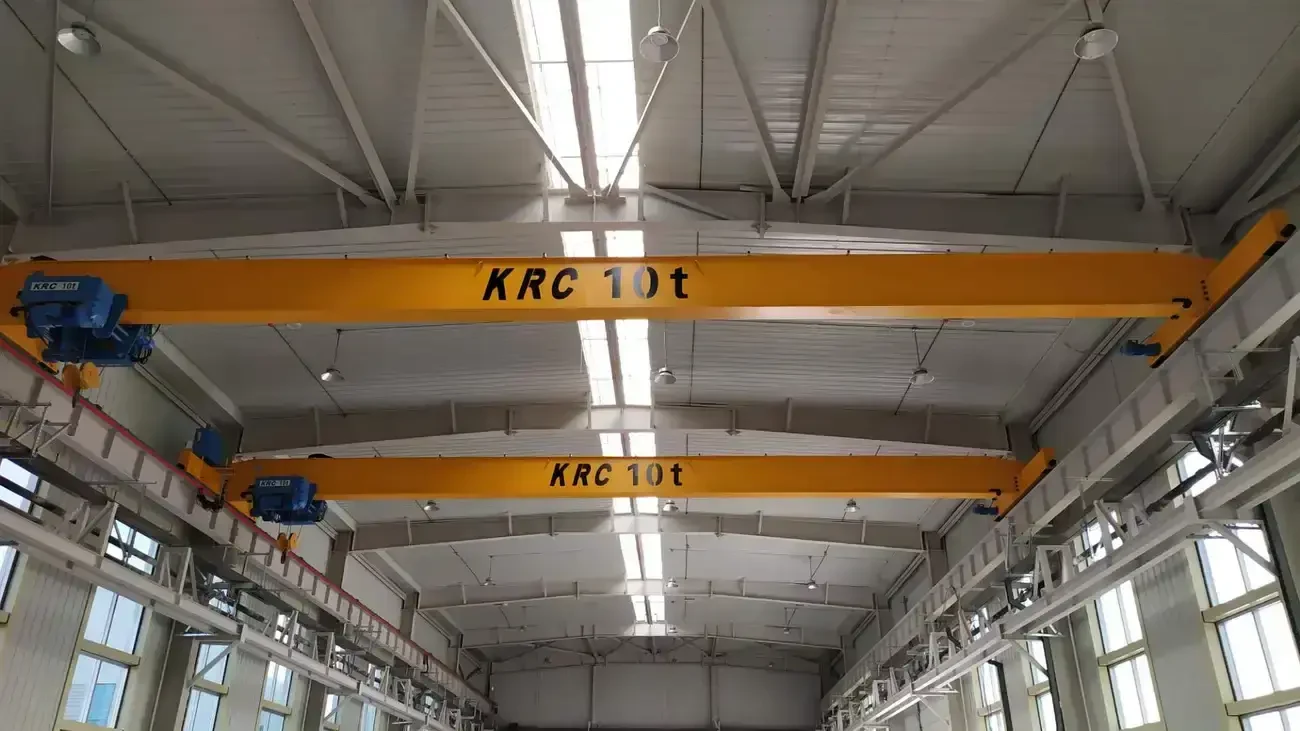
See 10 Ton Overhead Crane Solution →
Two cranes with identical capacity can differ substantially in price because they are built for different duty. A crane that lifts near its rated load many times per hour needs a hoist, gearbox, brakes and structure sized for continuous work, while a crane that makes a handful of lifts per shift can use lighter components. Buyers who specify only tonnage and span invite quotes built to the lightest acceptable duty, then discover premature wear on brakes, wire rope and wheels. Describe the real pattern: lifts per hour, typical load as a share of rated capacity, hours per shift, shifts per day and whether loads are held suspended. Duty class is also the honest basis for comparing two quotes that look identical on the specification sheet.
Ask which tests a supplier runs and what evidence you receive. Visual inspection covers welds, paint, fasteners, wire rope termination, wheel alignment and general workmanship. Load testing verifies the structure and brakes under defined overload and rated load conditions and is the single most important witnessed test. Non-destructive examination checks critical welds without cutting the structure. Functional testing exercises travel, trolley motion, hoisting, limit switches and emergency stops. Electrical testing confirms insulation, earthing, control circuits and protection devices. Insist that results are recorded, not simply declared, and that the reports name the crane by serial number. Where the order is significant, arrange for your own representative or a third party to witness load testing at the factory before the crane is dismantled for shipping.
Testing at the end of production only catches what has already gone wrong. The suppliers worth shortlisting control quality throughout: they work to recognised industry standards and regulations for design and safety, they inspect incoming steel and bought-in components, they check welding and assembly at defined stages, they train and qualify welders and electricians, and they keep records that can be traced back to a specific crane. Ask to see the documentation package from a recently completed similar job. A supplier that can produce material certificates, weld records, test reports and an as-built drawing set within a day or two is running a real system. One that has to assemble the paperwork after you ask for it is producing documents rather than controlling quality.
Start with search terms that describe both the product and the role you want, then read past the marketing pages to the technical content. Look for companies with a settled online presence, published product ranges, and evidence of comparable projects rather than stock photography. Shortlist a handful whose stated range covers your capacity and span, then move to direct contact. Ask what they build in-house and what they buy: hoists, gearboxes, motors, drives and control systems are often sourced, and knowing which components go into your crane matters more than the badge on the bridge. Request references in your region, ask to see a video of a load test, and where the value justifies it, visit the plant. Trade shows and industry expos in China are an efficient way to compare several suppliers in a short window.
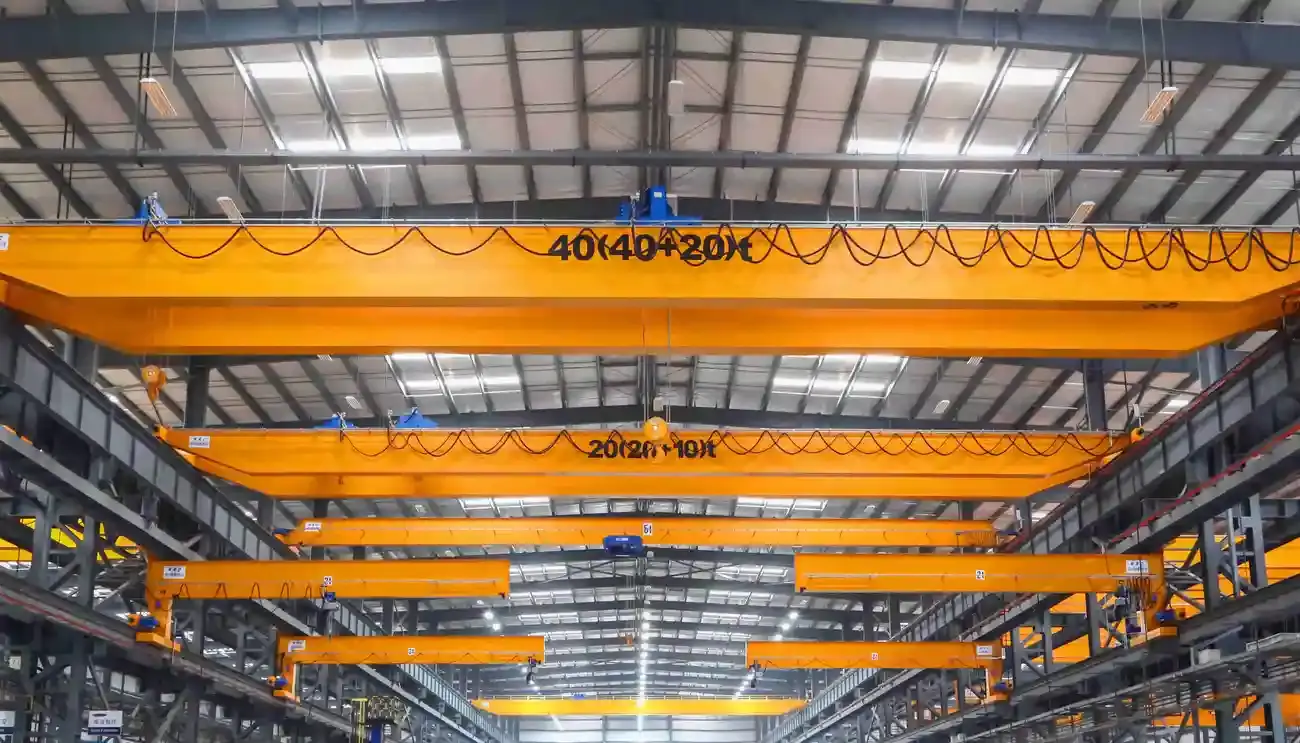
See 20 Ton Overhead Crane Solution →
Compliance is not a formality to settle after the crane is built, because it changes the design. Cranes bought from China should meet recognised international quality standards such as ISO 9001 at the manufacturing level, and the crane itself must satisfy the safety requirements applicable in the country where it will operate. Establish which regime governs your site, state it in the purchase agreement, and require the supplier to confirm in writing that the design and documentation meet it. The supplier should also provide a warranty and guarantee the crane is free from defects. Get the scope, duration and exclusions of that warranty written down, along with what happens if a defect appears after installation, because verbal assurances are worthless once the crane is on your floor.
An overhead crane ships as a set of large structural and mechanical components, so freight planning is part of the purchase. Agree the incoterm, confirm who books the vessel, and make sure packing lists match the assembly drawings piece by piece, because a missing end carriage bolt pack stops an installation. Confirm the commercial invoice, packing list, bill of lading and certificate of origin are prepared correctly for your customs regime, and check whether any import permit applies. On arrival, inspect the crane against the specifications and quality standards agreed in the purchase contract before you sign off, and photograph any transit damage immediately. Damage found weeks later, after unpacking, is far harder to place with the carrier or the supplier.
The purchase is not complete when the container is emptied. Confirm before signing whether the supplier provides installation and maintenance services, and whether that is included, quoted separately or left to a local contractor. Operators need training covering both the functions of the crane and its safety protocols, and that training is best delivered at commissioning while the supplier is on site. Schedule regular maintenance checks from the start rather than after the first fault, since planned inspection extends service life and prevents unplanned stoppages. Keep the supplier reachable for technical support and spare parts, and agree which wear parts you should hold locally. Monitor performance and raise issues promptly while the warranty is live, because a small noise reported early is cheaper than a gearbox replaced late.
Compare offers on installed, operating cost rather than on the quoted machine price. Add ocean freight and inland transport, import duties and taxes, customs clearance, unloading and rigging, any building strengthening the runway loads require, installation labour, commissioning and load testing on site, operator training, and the spare parts you will hold. Then look forward at the running costs: power, planned maintenance, wear parts and inspection. A cheaper crane specified to a lighter duty than your work demands will consume the saving in maintenance and downtime. Buyers who model this properly usually find the gap between two serious quotations is small relative to the cost of a crane that is wrong for the building or the duty, which is where the attention belongs.
10 Ton Overhead Crane Solution
A 10 ton overhead crane sized for the span, lift height and duty cycle of your building rather than a fixed ca...
View Details →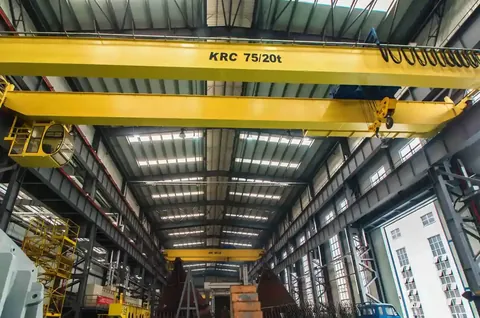
15 Ton Crane Solutions
A 15 ton crane range for buildings whose load handling space spans between 36 to 50 meters, offered in light a...
View Details →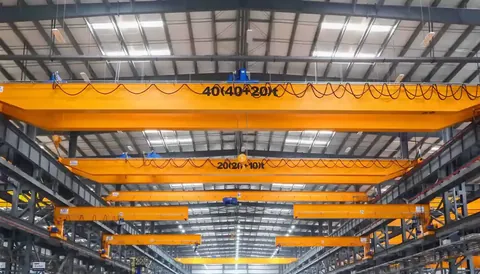
20 Ton Overhead Crane Solution
Three 20 ton overhead crane choices covering outdoor warehouse, railroad and construction site lifting. The li...
View Details →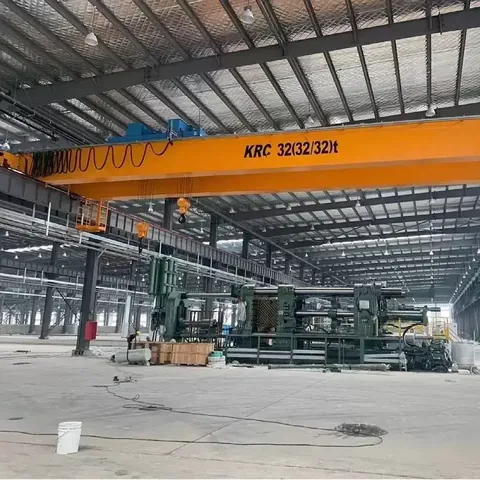
30 Ton Overhead Crane Solution
Three 30 ton crane builds published against one reference table so a buyer can read capacity, span, hook heigh...
View Details →There is no single answer because capacity is designed to the application. Across the category, lifting capacity ranges from a few tons to several hundred tons. What matters for your enquiry is the heaviest load you will actually lift plus the weight of slings, spreader beams, magnets or grabs, since the rated capacity must cover the full suspended weight and not just the part.
Yes. Span, lifting height, runway travel length, power supply and control arrangement are all designed around the building. Span is the distance between the runways and can range from a few meters to over 100 meters, and lifting height is set by the headroom available under the roof. Supply your building dimensions and structural drawings early so the supplier can confirm the structure carries the wheel loads.
Maintenance should be scheduled as a routine from the day the crane is commissioned rather than triggered by faults. Regular inspection and maintenance checks prolong service life and prevent breakdowns that stop production. Ask the supplier for the recommended inspection intervals for your duty class, keep written records of each check, and confirm which safety-critical items require inspection by qualified personnel under the regulations that apply at your site.
The recurring issues are incomplete specification leading to a crane that does not fit the building, a crane built to a lighter duty class than the work requires, communication gaps on technical detail, and documentation that does not satisfy the destination country's safety regime. All four are avoidable by defining span, capacity, lifting height and duty cycle in writing, and by agreeing the compliance regime before production starts.
Require that visual inspection, load testing, non-destructive examination of critical welds, functional testing of all motions and limit devices, and electrical testing are performed and documented against the crane's serial number. Where the order value justifies it, have your own representative or a third party witness the load test at the factory before the crane is dismantled for shipping, and keep the reports with the equipment file.
If this guide covers what you are buying, send the specification and we will quote it from a factory that has built it before.
Email Our Sourcing TeamMore Guides