Huawei
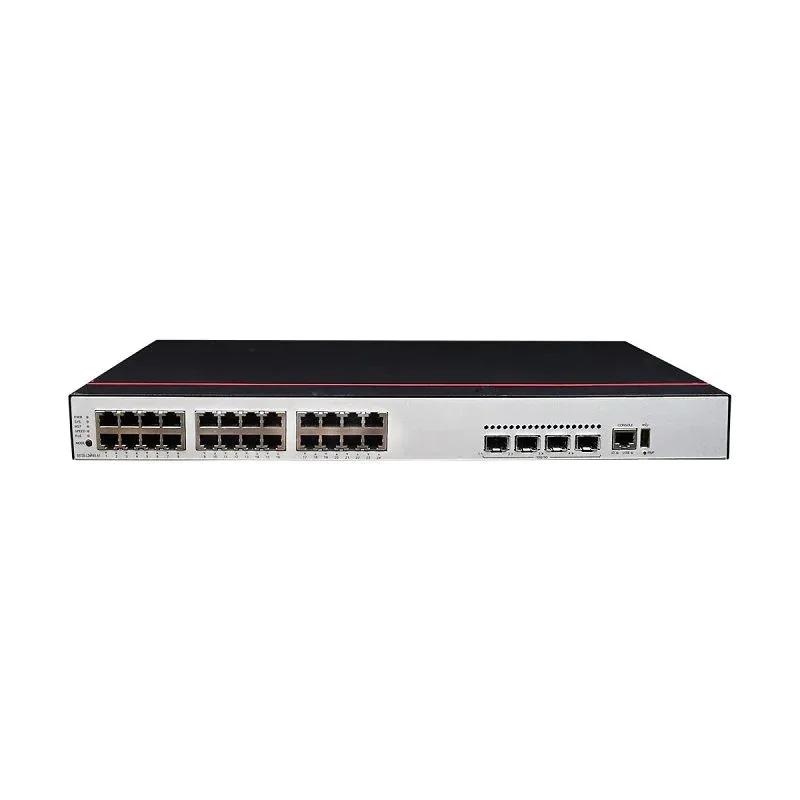
S5731-S32ST4X
The Huawei S5731-S32ST4X is a versatile switch tailor for mid-sized enterprises, delivering high-performing connectivity with 8 Ethernet ports, 24 Gig
Coding, fibre type, reach and connector are four independent decisions, and any one of them can stop a link coming up.
Transceivers carry vendor coding that the switch or router reads on insertion. A module coded for a different platform may be rejected outright or accepted with a warning that complicates every future support conversation.
This is the first thing to confirm and it is independent of the optical specification. A module can be optically perfect for the span and still never come up because the platform will not accept its coding.
Confirm the target platform and software train when ordering optics, not just the speed and the connector.
Multimode and single mode are not interchangeable, and multimode grade matters as much as the distinction itself. The supported distance for a given optic differs substantially between OM3 and OM4.
Assumptions about the plant are the usual source of error, particularly in older buildings where several generations of cabling coexist. Measuring or confirming the installed fibre is cheaper than the site visit that follows guessing.
| Optic Type | Fibre | Typical Use |
|---|---|---|
| Short reach multimode | OM3 or OM4 | In-row and in-building links |
| Long reach single mode | OS1 or OS2 | Building to building and campus spans |
| Direct attach copper | Twinax assembly | Fixed short runs inside a rack |
| Active optical cable | Integrated fibre assembly | Fixed runs where reach exceeds copper |
A reach figure assumes clean connectors and a limited number of patch points. Real installations have splices, patch panels and connectors that have been handled, and every one of them consumes optical budget.
Designing to the datasheet maximum leaves no margin for the plant ageing or for a patch being re-routed during a later change. Leaving margin is not conservatism, it is the difference between a link that works now and one that still works in three years.
For short runs inside a rack or between adjacent racks, a direct attach copper assembly or an active optical cable removes the transceiver compatibility question by integrating both ends. The trade is that the length is fixed at purchase.
The line card here carries QSFP direct attach copper at one, two, three and five metres, and QSFP active optical cables from one metre through to thirty. Measuring the real cable path, including the route through cable management rather than the straight line distance, is what decides which length to order.
A cable that is slightly too short is unusable. A cable that is significantly too long creates a cable management problem in the rack. Measure the managed path, not the gap.
LC is common on SFP and SFP+ modules while higher speed form factors frequently use MPO. Confirming the connector against the installed patch leads avoids an adapter purchase discovered on the day of turn up.
Batch consistency is the quieter issue. Optics bought from several suppliers across several months can vary within tolerance and still produce noticeably different link budgets across nominally identical uplinks. Allocating from one batch for a given fabric makes the estate behave uniformly.
The Huawei S5731-S32ST4X is a versatile switch tailor for mid-sized enterprises, delivering high-performing connectivity with 8 Ethernet ports, 24 Gig
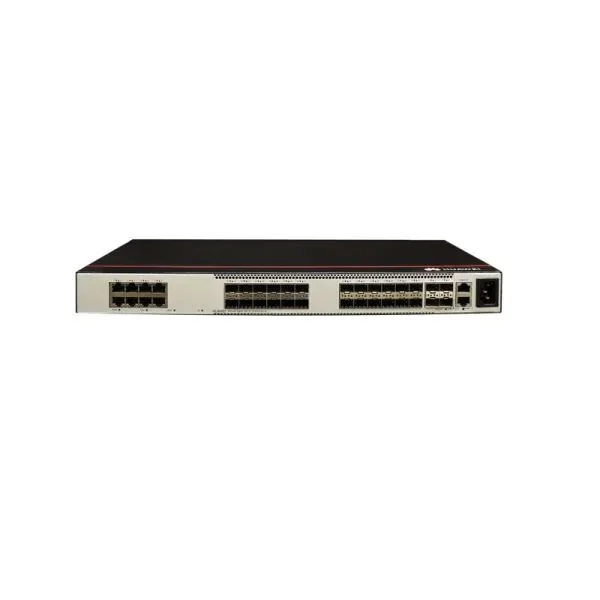
Built on next-generation, high-performance hardware and powered by Huaweis Versatile Routing Platform (VRP), CloudEngine S5735-L switches feature flex
Built on next-generation, high-performance hardware and powered by Huaweis Versatile Routing Platform (VRP), CloudEngine S5735-L switches feature flex
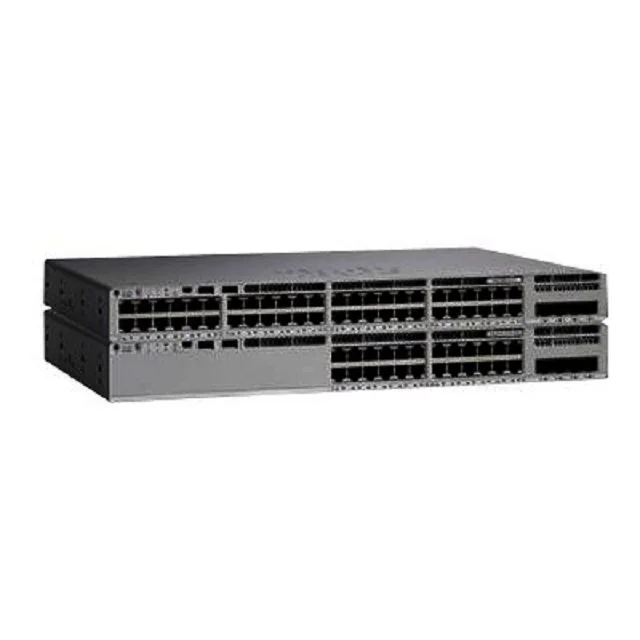
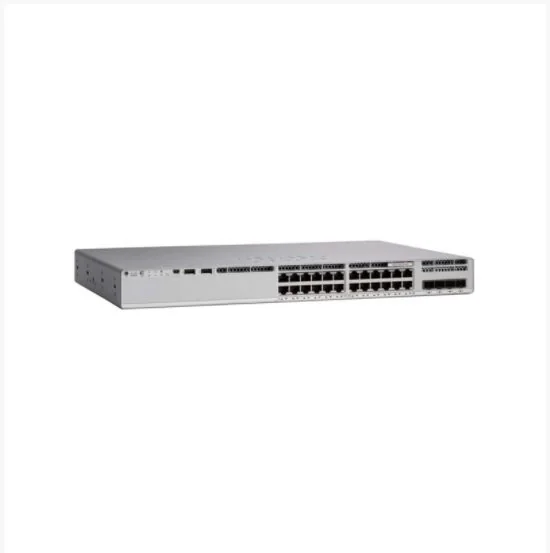
C9200-24P-A is the Catalyst 9200 24-port PoE+ Switch, with Network Advantage software. Cisco Catalyst 9200 Series switches extend the power of intent-
C9200-24P-E is the Catalyst 9200 24-port PoE+ Switch, with Network Essentials software. Cisco Catalyst 9200 Series switches extend the power of intent
C9200-24T-E is the Catalyst 9200 24-port Data Switch, with Network Essentials software. Cisco Catalyst 9200 Series switches extend the power of intent
A Catalyst part number encodes the port count, the port type, the uplink arrangement and the software tier. Misreading one character changes what arrives.
Five decisions set the part number. Getting them in the right order prevents most of the changes that happen late in a project.
A cabinet is commissioned as a unit, so it should be supplied as one. Switches, optics, rails and power leads belong in the same consignment.
Most refresh projects fail on supply rather than on design. A phased programme only works if every phase arrives complete on the date the change window was booked.
The tender required a firm price and date at submission, months before any award, across a bill of materials of several hundred lines
Nodes were arriving without rails or caddies, so racking waited on a second consignment and the revenue date moved
It may be rejected or flagged as unsupported depending on the platform and software train. Where the link has to be supportable, match the coding to the platform.
Enough to absorb the patch points that exist and the ones that will be added later. Designing to the rated maximum leaves nothing for the plant ageing.
Yes, and the supported distance generally improves. The problem runs the other way, where an optic specified against OM4 is installed on OM3.
Modules within tolerance can still differ enough to produce inconsistent link budgets across identical uplinks, which makes fault finding harder later.
Send the design constraint rather than a part number. An engineer will come back with options and the trade offs.