
Material Guide
IP68 and What Waterproof Ratings Actually Mean
The two digits in an IP code describe different things. Knowing which digit matters for your mounting position is the difference between a camera that lasts and one that does not.
Reading the Two Digits
An IP code has two digits. The first describes protection against solid objects and dust, on a scale that ends at 6, meaning dust tight. The second describes protection against water, on a scale where 5 and 6 cover jets, 7 covers temporary immersion and 8 covers continuous immersion under conditions agreed between maker and buyer. IP68 therefore means dust tight and rated for immersion. Our sealed camera range carries an IP68 certificate.
Why the First Digit Matters on a Building Site
Machinery customers often focus on the water digit and ignore dust. On a quarry or a grain operation, fine dust is the thing that kills a camera: it works past a poor seal, settles on the inside of the lens cover and turns the image into a grey haze that cannot be cleaned. A dust tight rating is not optional in those environments.
Where Water Actually Gets In
It is rarely the housing face. It is the cable gland at the back of the camera and the connector joint further up the loom. A camera can carry a high rating and still fail because the joint between the camera tail and the extension cable was left in a position where water pools. Route joints upward, keep them out of the spray path and, on commercial vehicles, use a screw locking connector.
Thermal Cycling Is the Hidden Test
A sealed housing heats up in service and cools down overnight. Every cycle draws air, and with it moisture, past any imperfect seal. This is why a camera that survives a hose test in a workshop can still fog up after three months on a vehicle. It is also why the housings that last are the ones with a properly compressed gasket rather than a bead of sealant.
What to Ask a Supplier
Ask which specific parts the rating applies to: the camera body alone, or the body with the tail and connector made off. Ask what the operating temperature range is. Our window closer module, for example, is rated from minus 20 to 80 degrees Celsius, and that figure is on the specification because installers ask for it.
Products
Products Referenced in This Guide
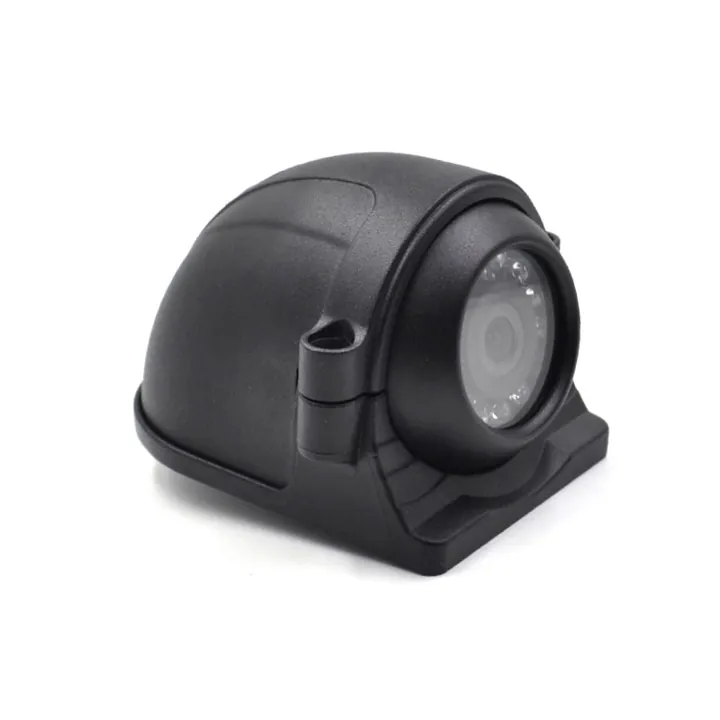
Vehicle CamerasVehicle Side CameraSmooth Wedge Housing for Exposed Flank Positions
View Product
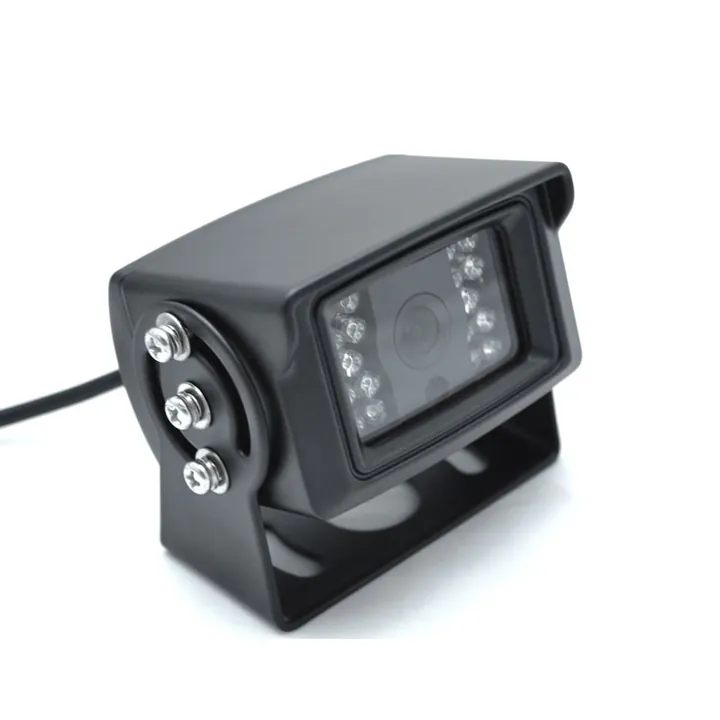 Vehicle CamerasBackup CameraHeavy Duty Bracket Camera for Trucks Trailers and Machines
View Product
Vehicle CamerasBackup CameraHeavy Duty Bracket Camera for Trucks Trailers and Machines
View Product
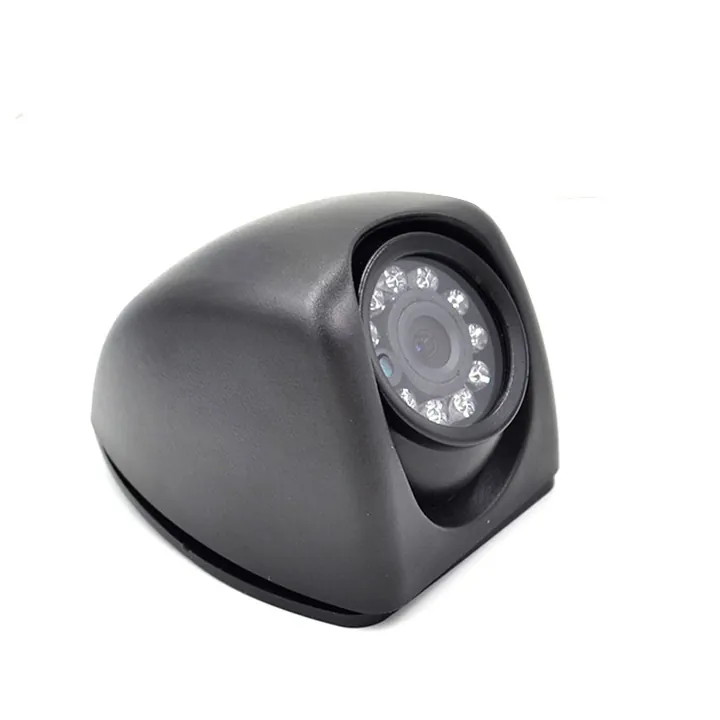 Vehicle CamerasSide CameraWedge Housing Camera for Corner and Kerb Side Views
View Product
Vehicle CamerasSide CameraWedge Housing Camera for Corner and Kerb Side Views
View Product
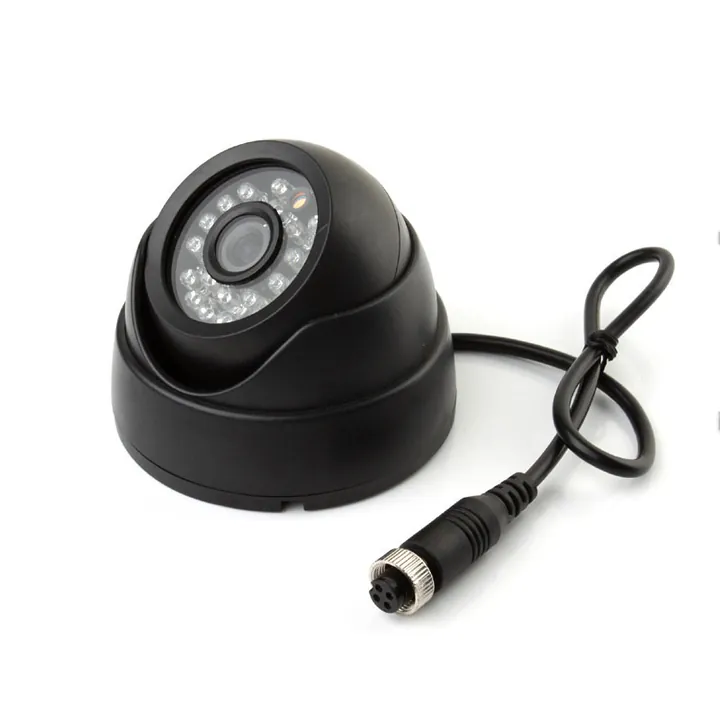 Vehicle CamerasDome CameraCeiling Mount Dome With a 4 Pin Aviation Connector
View Product
Vehicle CamerasDome CameraCeiling Mount Dome With a 4 Pin Aviation Connector
View ProductRelated Articles
Continue Reading
Downloads
Take This Away as a PDF
FAQ
Questions About This Guide
Can you confirm this for my specific vehicle?
Yes. Send the vehicle type and a photo of the mounting position or the head unit input and we will confirm before you order.
Do you supply the parts described in this guide?
Yes, all of them are manufactured by us. The products referenced above link straight to their specification pages.
Can I get a written specification?
Ask for the specification sheet through WhatsApp or email and we will send it with the quotation.
Next Step
Put This Into Practice on Your Vehicles
Send the vehicle type, the mounting position and the view count. We will specify the parts and quote against them.