
Buying Guide
How to Choose a Vehicle Backup Camera
Mounting position decides the housing, the vehicle decides the connector, and the number of views decides the screen. Work through it in that order.
Start With the Mounting Position Not the Specification
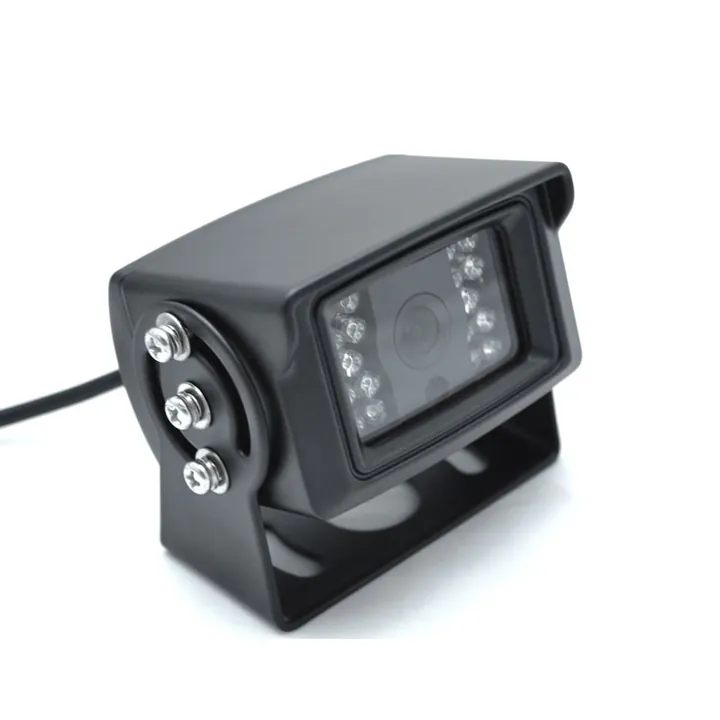
The first question is not resolution or lens angle. It is where the camera physically goes on this vehicle. A flat rear face on a box body takes a shielded bracket camera. A moulded plastic bumper takes a flush barrel camera pushed through a drilled hole. A boot lid lip with no flat area takes a small bullet camera on a lip bracket. A headliner or a cargo bay ceiling takes a dome. Choose the wrong housing family and no amount of specification will make the installation work.
Decide Whether You Need Infrared or Assist Lamps
Infrared LEDs give a monochrome image in complete darkness and are the right answer for cargo bays, interiors and unlit yards. White assist lamps put visible light on the ground and keep the image in colour, which is easier for a driver to read when judging distance to a kerb. Some positions need neither, because the vehicle only ever reverses under yard lighting, and a smooth faced housing with no LED recess is easier to keep clean.
Fix the Connector Before You Fix Anything Else
A 4 pin aviation connector screw locks and is the standard on commercial vehicles because it will not shake apart on a rough road. RCA is the standard on aftermarket monitors and recorders. Cameras and monitors from different suppliers regularly arrive with different terminations, and the installer then has to make an adapter on the vehicle. Fix the connector standard across the whole order and this stops happening.
Let the View Count Choose the Screen
One rear view on a car is comfortable on a 4.3 inch screen. A truck with a rear camera plus a near side camera needs 7 inches, because a switched or split view on a small panel cannot be read at speed. If there is no free dash space at all, a mirror monitor removes the problem entirely by using the existing rear view mirror position.
Check the Environment the Camera Will Live In
A camera on the rear of a distribution truck goes through a pressure wash line several times a week and spends winter in road salt. A camera inside a coach saloon does not. Sealing rating, housing material and cable gland quality only matter as much as the environment demands, but under specifying them on an exterior position is the most common reason a cheap camera fails inside a year.
Products
Products Referenced in This Guide
Vehicle CamerasBackup CameraHeavy Duty Bracket Camera for Trucks Trailers and Machines
View Product
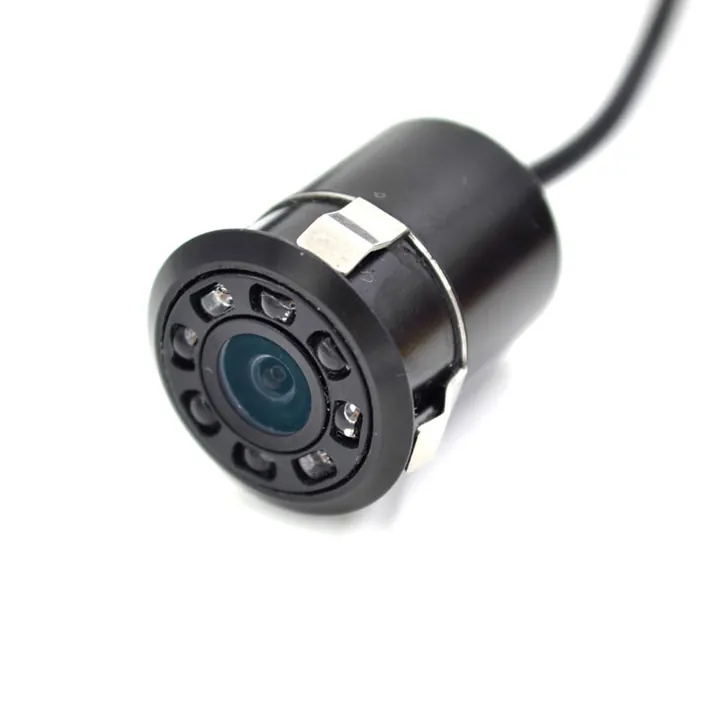 Vehicle CamerasCar Backup CameraFlush Barrel Camera for a Clean Bumper Installation
View Product
Vehicle CamerasCar Backup CameraFlush Barrel Camera for a Clean Bumper Installation
View Product
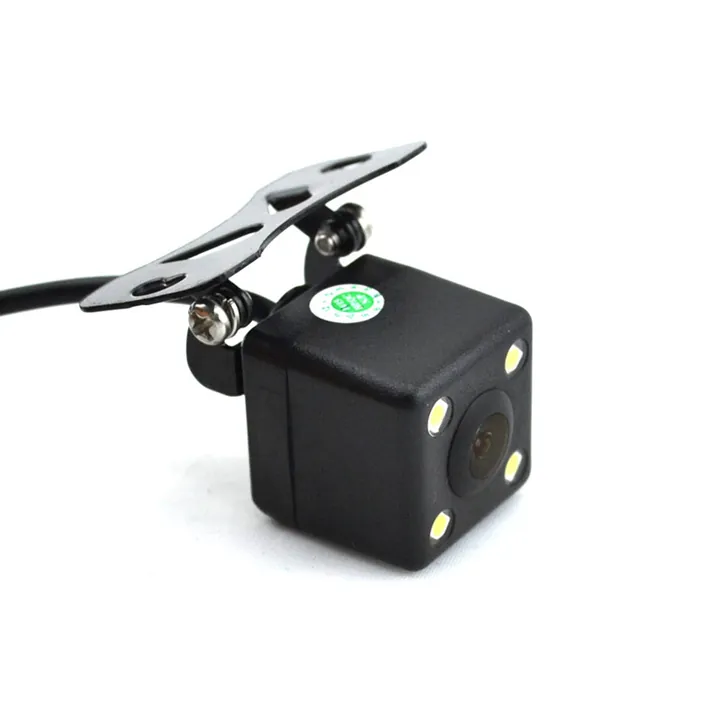 Vehicle CamerasMini Backup CameraCompact Bracket Camera With Four Assist Lamps
View Product
Vehicle CamerasMini Backup CameraCompact Bracket Camera With Four Assist Lamps
View Product
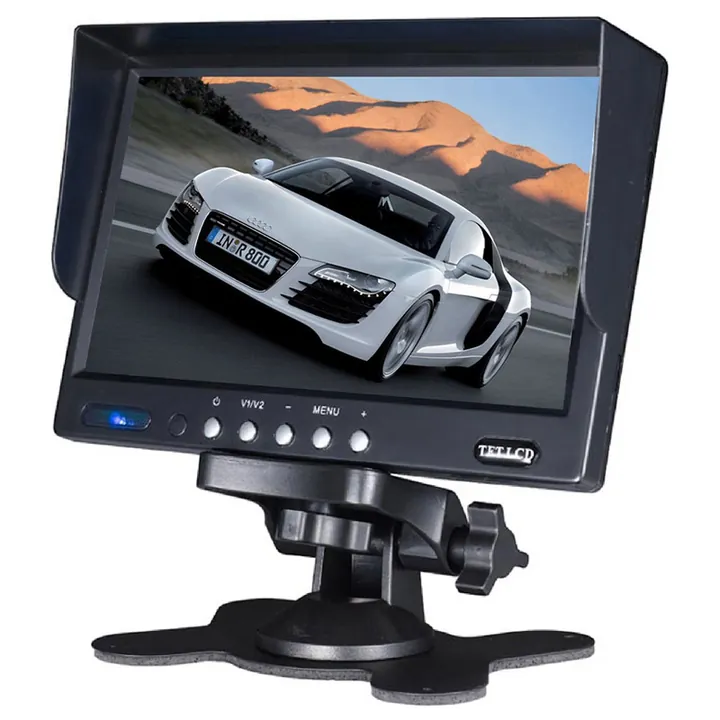 Vehicle Monitors7 Inch Vehicle Monitor7 Inch Commercial Vehicle Display for Multi Camera Systems
View Product
Vehicle Monitors7 Inch Vehicle Monitor7 Inch Commercial Vehicle Display for Multi Camera Systems
View ProductRelated Articles
Continue Reading
Downloads
Take This Away as a PDF
FAQ
Questions About This Guide
Can you confirm this for my specific vehicle?
Yes. Send the vehicle type and a photo of the mounting position or the head unit input and we will confirm before you order.
Do you supply the parts described in this guide?
Yes, all of them are manufactured by us. The products referenced above link straight to their specification pages.
Can I get a written specification?
Ask for the specification sheet through WhatsApp or email and we will send it with the quotation.
Next Step
Put This Into Practice on Your Vehicles
Send the vehicle type, the mounting position and the view count. We will specify the parts and quote against them.