
Can You Swim With A Hair System
Swimming with a hair system is possible, but chlorine and saltwater damage the hair and weaken the bond over time. Here's how to protect your unit and extend its life.
Can You Swim With A Hair System Without It Falling Off
Yes, a properly installed hair system will stay in place during swimming. Modern adhesives and bonding tapes are designed to withstand water, sweat, and showers.
The risk of it lifting or loosening comes not from water itself, but from weak glue, an old system, or a recent installation. A bond that hasn't cured fully or is degraded by previous use is more likely to fail.
What Happens When You Swim With A Hair System
Regular swimming affects your hair system in two main ways: chlorine damage in pools and saltwater damage in oceans.
Chlorine dries out the hair, fades colour - especially lighter shades - and makes strands brittle. Saltwater pulls moisture from the hair, leading to tangling, rough texture, and loss of shine.
- Chlorine breaks down hair proteins and weakens the bond over time
- Saltwater dehydrates the hair and causes matting at the hairline
- Both environments reduce the lifespan of the adhesive and base material
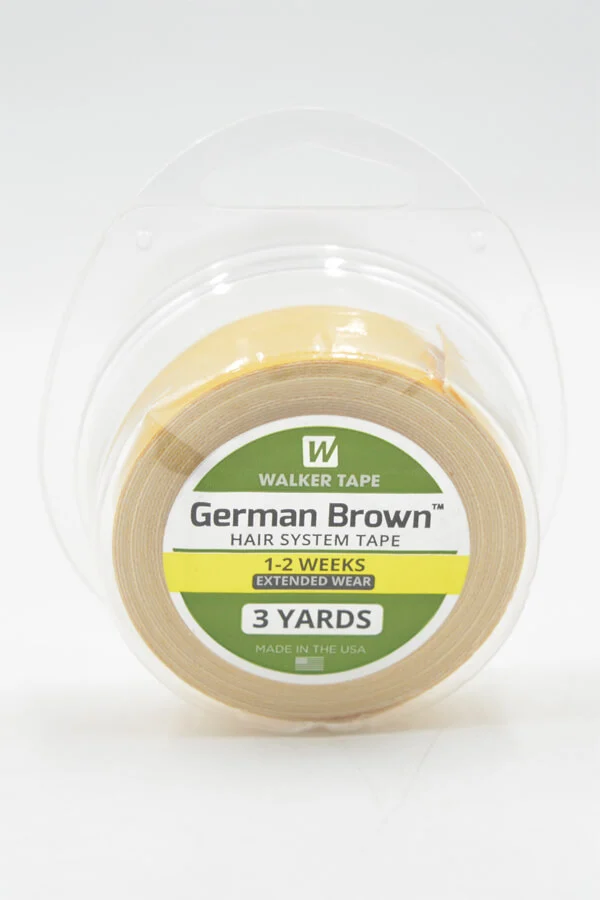
See German Brown Hair SystemTape Roll 3/4 inchesx 3 Yard →
How To Swim With A Hair System Safely
To protect your unit, follow these steps before and after swimming.
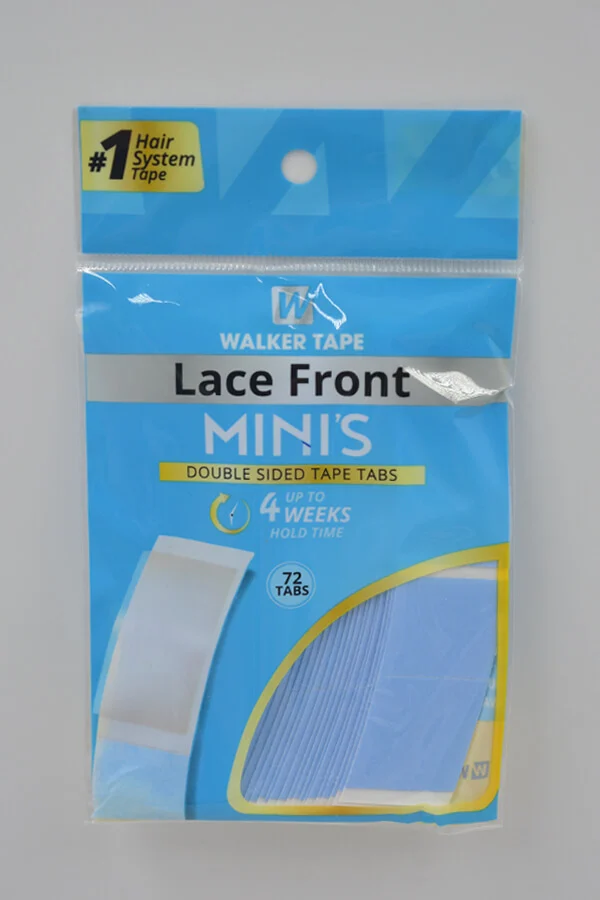
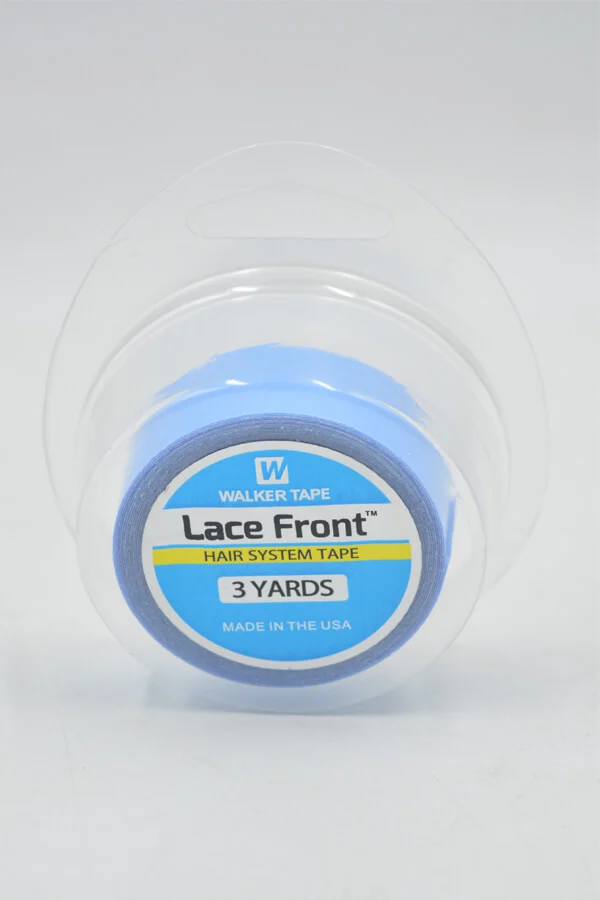
Choose the right adhesive: Use high-strength, water-resistant options. For lace bases, avoid liquid glue to prevent seepage and tangling. Double-sided waterproof tape is easier to clean and more reliable.
- Apply adhesive at least 24 hours before swimming to allow full curing
- Check all edges after application - seal the bond to prevent water entry
- Use a leave-in conditioner or hair serum to reduce dryness and tangling
- Rinse the system with clean water immediately after swimming
- Avoid rubbing the hairline; gently pat dry with a soft towel
Best Hair System Types For Swimmers
Not all bases handle water equally. The choice of base affects how well your system survives repeated exposure.
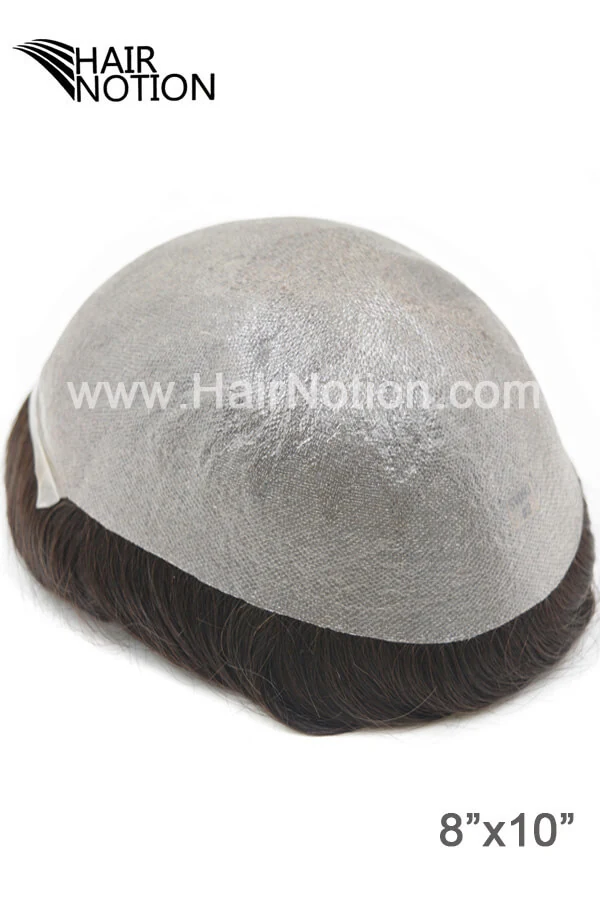
Poly thin skin and fine welded mono bases are more resistant to water damage than lace, which can absorb moisture and degrade faster.
- Poly thin skin: Sealed surface resists water penetration, easier to clean after swimming
- Fine welded mono: Durable and less prone to fraying, but stiffer than lace
- Swiss or French lace: Breathable but more vulnerable to water damage and knot shedding
- Fish net: Lightweight and flexible, but less durable in repeated wet conditions
The Trade-Off You Must Accept
No hair system is immune to damage from chlorine or saltwater. The longer you swim, the more the hair and adhesive degrade.
Even with the best care, frequent swimming shortens the lifespan of your unit. The choice is between wearing it and risking damage, or avoiding water and preserving the system.
Ordering A System Built For Water Exposure
If you swim regularly, choose a base type that handles moisture better. Poly thin skin or fine welded mono are the most durable options.
Request a V-loop front or bleached knots for a seamless look that won't show wear at the hairline. These features help maintain the appearance even after repeated exposure.
- Order a custom size to ensure a secure fit and reduce movement in water
- Select Indian Remy human hair for better resistance to chemical damage
- Ask for a high-density base to reduce visible thinning after repeated washing
Questions On This Topic
Can I swim with a hair system without it falling off?
Yes, if it's properly installed with a strong adhesive or tape. A cured bond should hold during swimming, but weak or old adhesives increase the risk of lifting.
How long does a hair system last with regular swimming?
It depends on the base type, adhesive, and how often you swim. Poly and mono bases last longer than lace, but repeated exposure to chlorine or saltwater shortens the lifespan.
What base type is best for swimmers?
Poly thin skin and fine welded mono are the most resistant to water damage. Lace bases absorb moisture and degrade faster with repeated exposure.
Should I use liquid glue or tape for swimming?
Use double-sided waterproof tape for lace bases to avoid seepage. For poly or mono, liquid adhesive can work if it's water-resistant and fully cured.
Do I need to rinse my hair system after swimming?
Yes. Rinse with clean water immediately after swimming to remove chlorine or salt. Avoid rubbing the hairline; gently pat dry with a soft towel.
Can I wear a hair system in the ocean?
Yes, but saltwater dries the hair and causes tangling. Protect it with a leave-in conditioner and rinse thoroughly after swimming to reduce damage.
Can I get a custom hair system for swimming?
Yes. Choose a poly thin skin or fine welded mono base, and request a V-loop front or bleached knots for a seamless look that holds up over time.
Still Deciding
Send a photo on WhatsApp and we will tell you which base type and size fits what you have described, and whether it is in stock.