
Choosing Coarse Fine or Hi-Lo Drywall Thread
Matching drywall screw thread form to timber studs, steel studs and thin gauge channel.
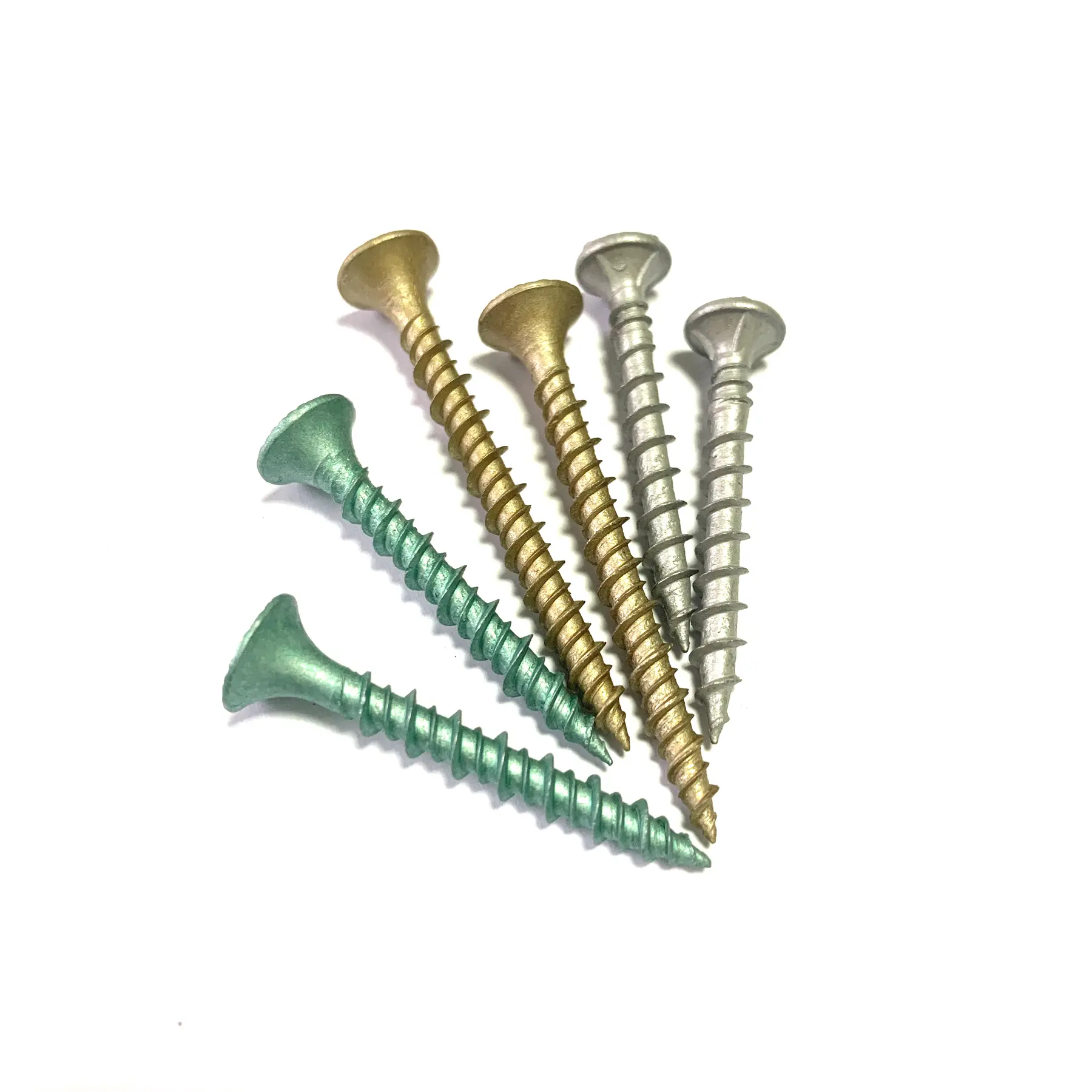
The substrate decides, not the board
Drywall screws are named after what they fix, but the thread is specified by what they fix into. Board thickness sets length; stud material sets thread form. Getting that backwards is the most common fastener mistake on a fit-out site.
Coarse thread for timber
A deep, wide pitch cuts into softwood fibre and holds. In a timber stud partition this is the correct screw and a fine thread is not a substitute: the fine pitch carves a smooth channel and pulls out under the board weight.
Fine thread for steel studs
A finer pitch puts more thread flanks into the thin wall of a steel stud, so more engagement is achieved before there is any chance to strip. This is the standard partition screw in steel framing.
Hi-Lo for thin gauge and board grip
A hi-lo thread alternates tall and short threads on one shank. The tall thread bites the board and thin steel; the short thread keeps the core diameter strong. It is the right answer in very light gauge and in resilient channel, where a fine thread can still spin.
Finish is a separate decision
Phosphate gives the driver bit more friction and suits dry interiors. Plated with wax reduces driving torque. Applied multi-layer coatings such as Magni exist for partitions that will see humidity, where a plated screw can bleed rust through the skim coat.
A simple selection order
Establish the stud material, then the total board thickness, then the exposure. Thread form, length and finish fall out of those three in that order.
Previous guide
Put this into a quotation
Send the substrate, the thickness and the exposure and the right thread form, point and coating come back with the price.