Skip to content

Tungsten Carbide Manufacturer in Changsha China · Sinter-HIP Production · Drawing Based Custom Parts

[email protected] WhatsApp +86 187 7492 5813

Carbide Dies

Tungsten Carbide Hot Forging Dies

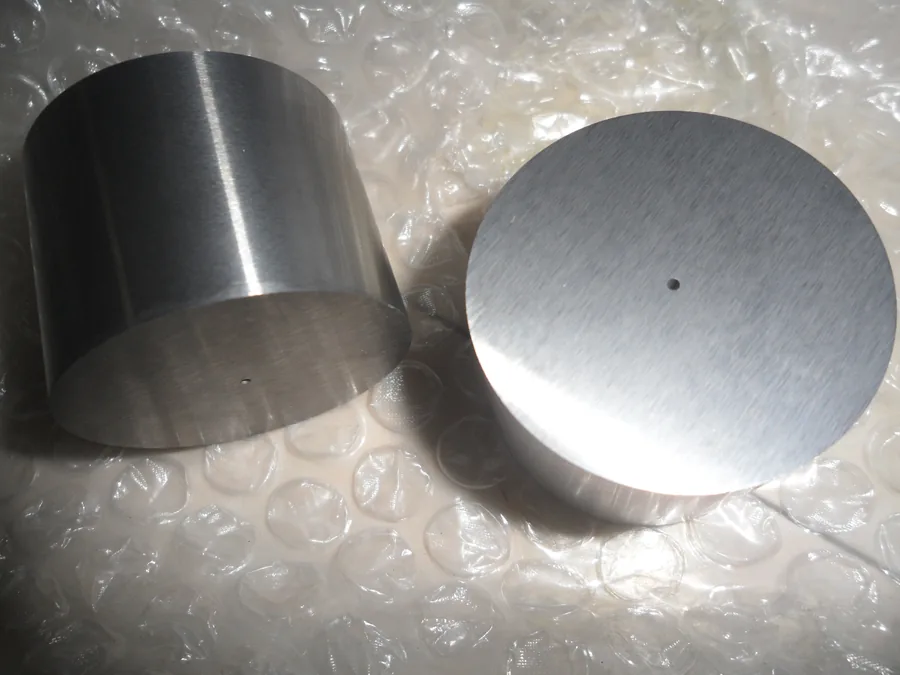
Sinter-HIP densified dies for engine valve heading and hot forming
  • Cavity shape holds. The formed part stays in tolerance for longer because the cavity does not wash out.
  • Sinter-HIP densification. Hot isostatic pressing during sintering reduces internal porosity that would start cracks.
  • Fewer press stops. Longer die life means fewer changeovers and fewer scrap parts at restart.
Tungsten Carbide Hot Forging Dies
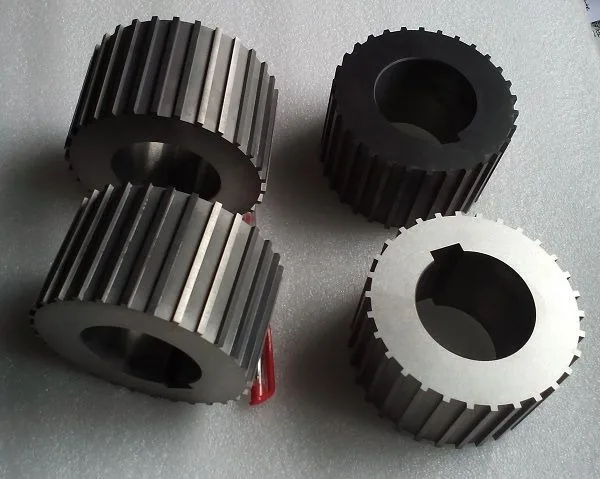
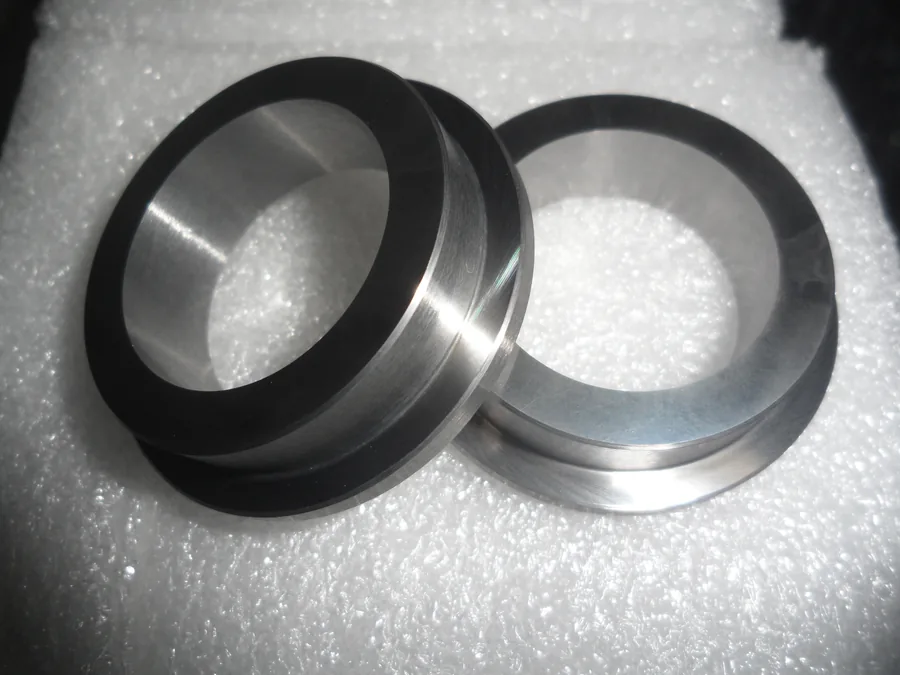
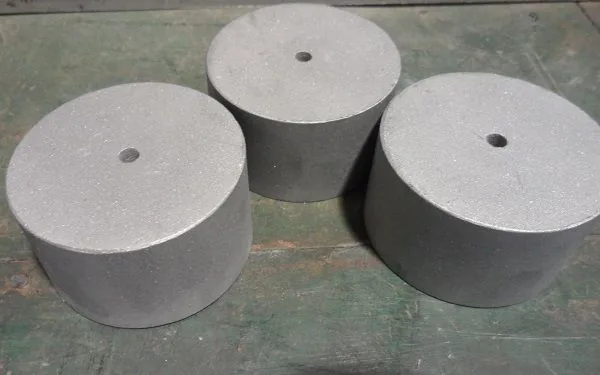
Tungsten Carbide Hot Forging Dies produced by LAMPSCITY CO., LTD in Changsha China
Product Overview

Overview

Tungsten carbide hot forging dies are used where hot metal is formed at high pressure and where a steel die would lose its cavity shape after a short run. Our forging dies are densified by Sinter-HIP which closes residual porosity that would otherwise act as a crack starter under repeated impact.

Application Scenarios

  • Engine valve heading
  • Hot forging of fasteners and shafts
  • Ball and taper roller heading for the bearing industry

Problems It Solves

  • Die cavities wear open and the formed part drifts out of tolerance
  • Micro cracks start at porosity left after conventional sintering
  • Every die change costs a press setup and a batch of scrap parts
Key Benefits

Why Customers Specify This Product

Cavity shape holds

The formed part stays in tolerance for longer because the cavity does not wash out.

Sinter-HIP densification

Hot isostatic pressing during sintering reduces internal porosity that would start cracks.

Fewer press stops

Longer die life means fewer changeovers and fewer scrap parts at restart.

Blank or finished

Take a ground blank for your own tool room or a finished die machined to drawing.

Technical Features

Technical Features

  • Sinter-HIP densified carbide body
  • Ground faces on blanks
  • Cavity geometry produced by grinding and EDM
  • Dimensional inspection before packing
Materials

Material and Grade

Cemented tungsten carbide consisting of tungsten carbide grain in a cobalt binder. Binder content and grain size are chosen against your load case because hardness and toughness move in opposite directions. Our engineers propose a direction and explain the trade off rather than quoting a grade code you cannot verify. See the grade guide.

Specifications

Specification Sheet

Product formForging die die insert or die blank
MaterialCemented tungsten carbide (WC with cobalt binder)
DensificationSinter-HIP
FinishingGrinding and EDM to drawing
DimensionsTo drawing or to a sample die
GradeSelected with our engineers against forming load

Dimensions tolerances and grade are confirmed on the approved drawing before production. Figures that are not listed here were not published by the factory and will be confirmed with your enquiry.

How It Is Made

Manufacturing Process and Quality Control

Every part follows the same production route. Critical dimensions are agreed on the drawing so both sides measure the same thing.

1. Powder PreparationBall milling and spray drying to a uniform granulate
2. PressingBlank pressed with machining stock where required
3. Sinter-HIPDensified under isostatic pressure to reduce porosity
4. MachiningGrinding EDM and lapping to the approved drawing
5. InspectionCritical dimensions checked before packing
6. Export PackingProtected packing for air or sea freight
Certifications

Certificate copies and material documentation are supplied on request with your order. We do not publish certificate claims that we cannot show you so ask for exactly what your import or QA process requires and we will confirm what can be provided.
Customization Options
  • Dimensions to your drawing
  • Grade direction matched to the load case
  • Surface condition as sintered ground or lapped
  • Part marking on request
  • Packing adapted to air or sea freight
Compared With Other Options
  • Versus hardened tool steel — far better wear resistance but more brittle so mounting matters
  • Versus other carbide in this range — see the related products below for the closest alternative form
  • Versus a fabricated assembly — a one piece carbide part removes joints and alignment work

Read the full comparison

Use Guide

Fitting and Service Guide

  • Check the seat is clean and undamaged before fitting. Uneven support is the most common cause of early failure.
  • Use even pressure. Never drive a carbide part into a holder by impact.
  • Follow the interference fit agreed on the drawing rather than adjusting the carbide.
  • Store parts separated and supported. Carbide chips carbide when parts knock together.
  • Log the run time achieved so replacement becomes planned maintenance.

Full handling and maintenance guide

Tungsten Carbide Hot Forging Dies produced by Solarson Carbide

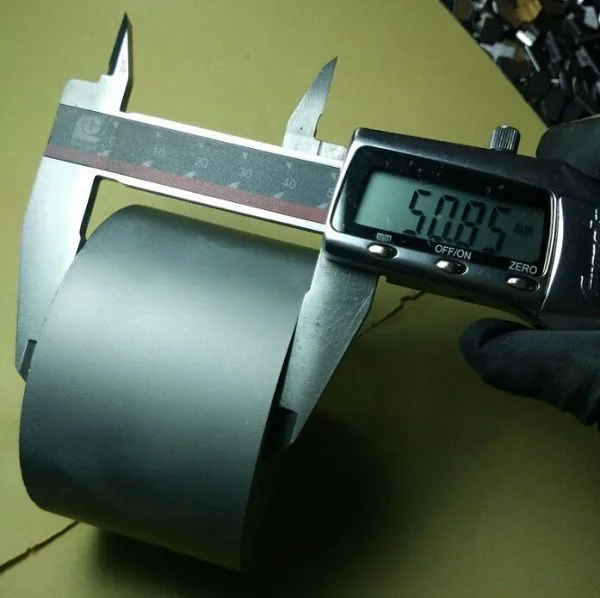
Photographs of carbide forging dies and related parts from our own production.

FAQ

Carbide Forging Dies FAQ

Why does Sinter-HIP matter for forging dies?
Forging dies fail from cracks that start at internal defects. Sinter-HIP applies pressure during sintering which closes residual porosity so there are fewer of those starting points.
Can you produce the die cavity or only the blank?
Both. Many customers buy ground blanks and cut the cavity in their own tool room. We can also finish the cavity by grinding and EDM to your drawing.
Can you copy an existing die?
Send the worn die dimensions and clear photos and we will prepare a drawing for your approval first. We do not start cutting from photos alone.
Next Step

Request a Quotation for Carbide Forging Dies

Send the drawing quantity and application. If you only have a worn sample send photos with measured dimensions and we will prepare a drawing for your approval.

Send a drawing or a sample photo on WhatsApp or by email. Files are reviewed by our production engineers, not by a form.

WhatsApp Email