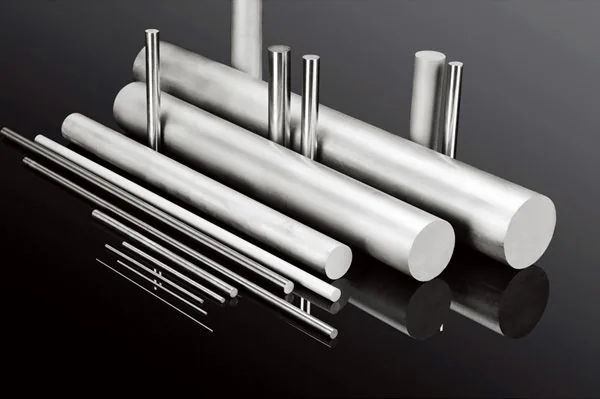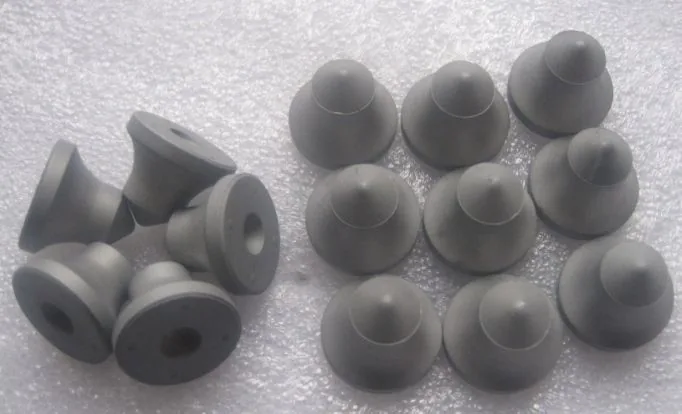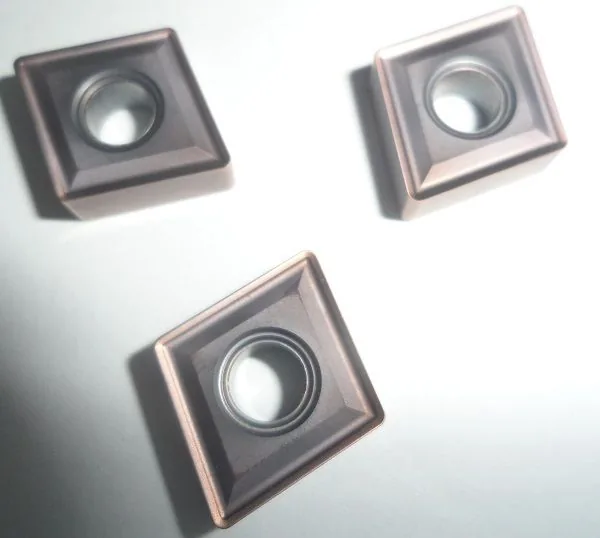
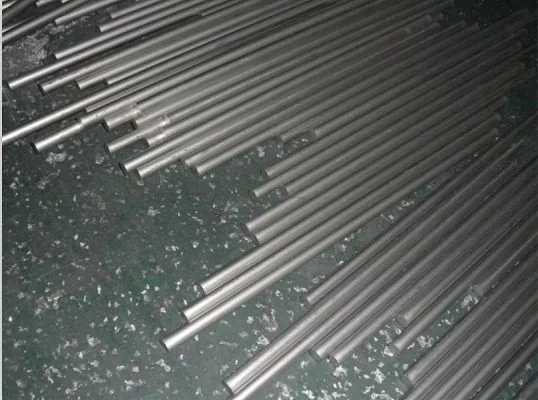
What Cemented Carbide Actually Is
Cemented carbide is a composite. Hard tungsten carbide grains are held together by a metallic binder which is usually cobalt. The hard grains give the material its wear resistance and the binder gives it the ability to absorb energy without shattering.
That is why there is no single best carbide. Every grade is a compromise between two properties that move in opposite directions.
The Two Levers
Two variables do most of the work in grade selection.
- Binder content. More binder generally means more toughness and less hardness. Less binder generally means more hardness and less toughness.
- Grain size. Finer grains generally raise hardness and edge stability. Coarser grains generally improve resistance to impact and thermal shock.
A grade that survives an abrasive sliding contact is often the wrong grade for a tool that takes repeated impact and the reverse is equally true.
How Your Part Fails Tells You Which Way to Move
The failure mode is the most useful piece of information you can give a carbide supplier.
- Gradual wear with no cracking suggests the part could take a harder more wear resistant direction.
- Chipping or edge breakage suggests the material needs more toughness rather than more hardness.
- Cracking through the body often points at internal defects loading or mounting rather than at the grade alone.
This is also the reason our production uses Sinter-HIP densification. Reducing residual porosity removes some of the internal defects that start cracks.
What to Send With an Enquiry
- What the part does and what it contacts
- How the current part fails and after how long
- Operating temperature and any corrosive media
- The drawing or a sketch with measured dimensions
- Quantity and how often you reorder
With that information our engineers propose a grade direction and explain the trade off. For parts where the cost of failure is high a sample run before the production order is the honest way to confirm the choice. See grade and material selection.