The Honest Comparison
Carbide is not always the right answer. It is far harder and far more wear resistant than hardened tool steel but it is also more brittle more expensive and more difficult to machine.
The question is not which material is better. The question is which failure mode dominates your application.
Where Carbide Usually Wins
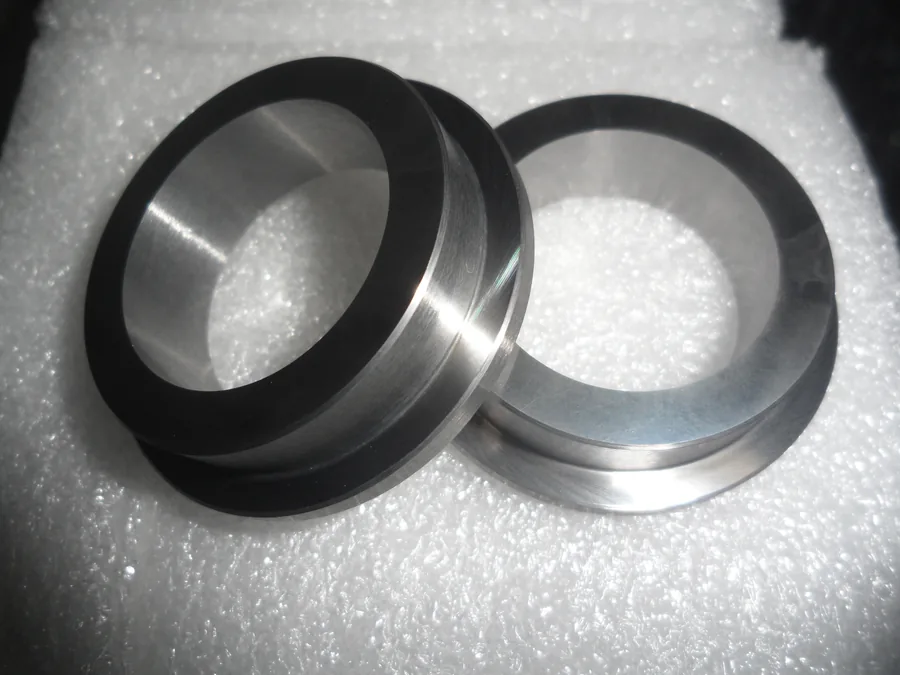
- Abrasive sliding contact such as sleeves bushes and seal faces
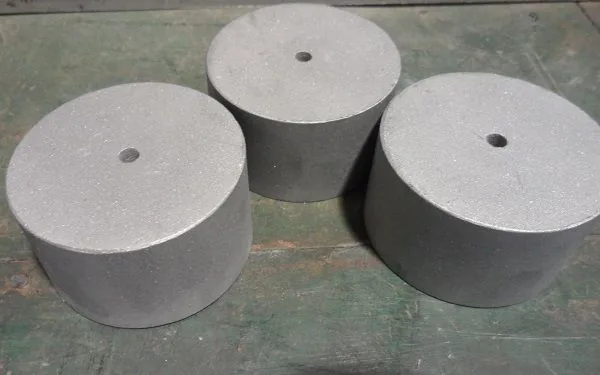
- High cycle forming tools where cavity geometry must stay stable
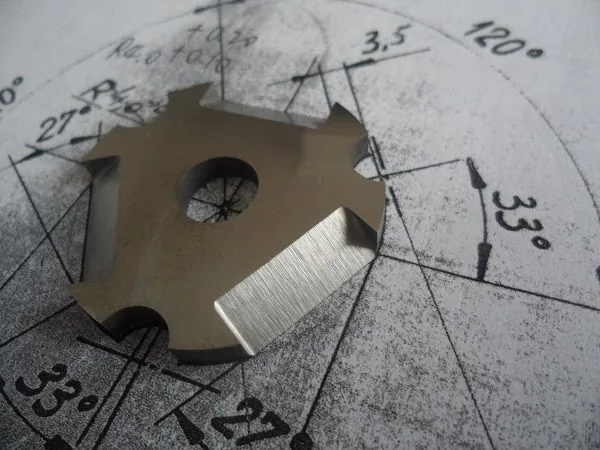
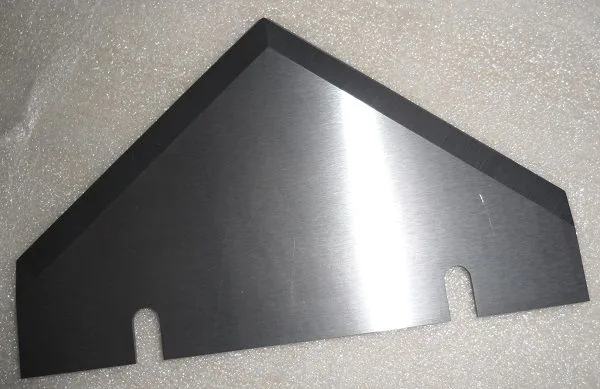
- Cutting edges on abrasive materials such as board filled plastics and panels
- Positions where a tool change costs far more than the tool itself
Where Steel Is Often Still Better
- Parts that take heavy shock loading in a poorly supported mounting
- Complex geometries that would be very expensive to grind and EDM
- Low volume parts where the wear life is not the limiting factor
- Applications where the part is deliberately sacrificial
If your steel part fails by cracking rather than by wearing then switching to carbide without changing the mounting will usually make the problem worse rather than better.
How to Decide
Look at the failed part. Smooth progressive material loss points towards carbide. Fracture surfaces and broken corners point towards a loading or mounting problem that carbide alone will not solve.
Send photos of the failure and describe the duty. Our engineers will tell you if carbide is not the right answer. See grade and material selection.