
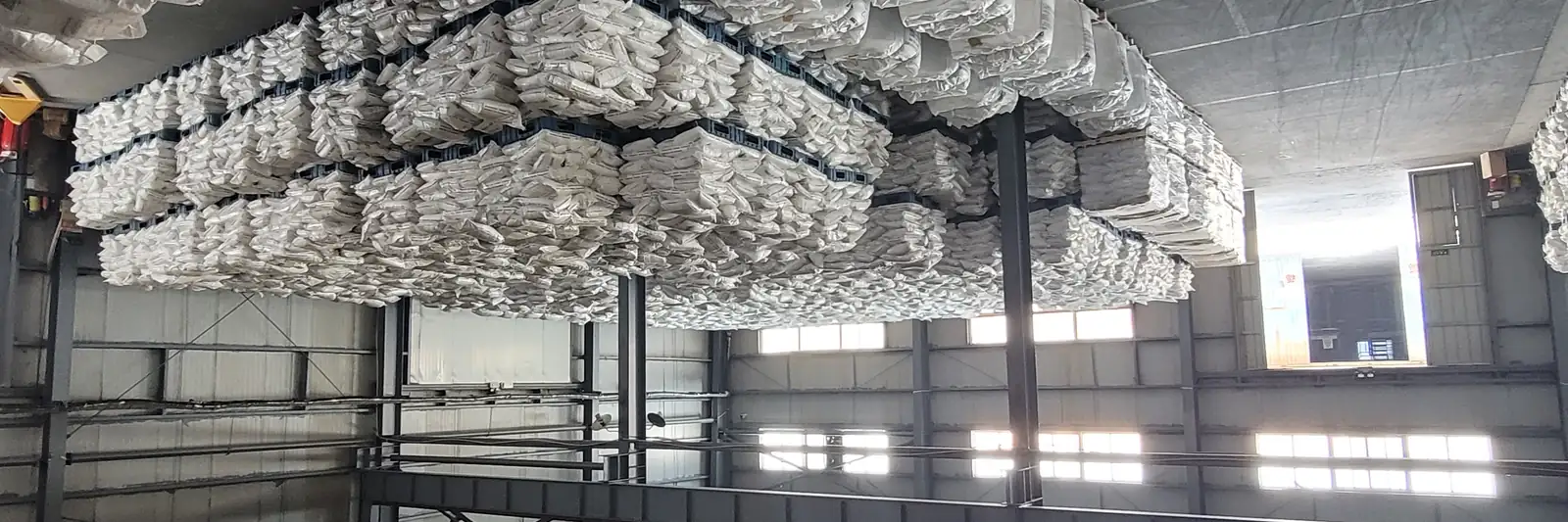
Caustic Soda for Water Treatment
Sodium hydroxide is used to adjust pH value so that sewage can be treated and resources recovered. It is the standard reagent for alkalinity correction and for precipitating dissolved metals out of an industrial effluent stream.
Industry Pain Points
What Goes Wrong With The Wrong Supplier
- Dose rate drifts when the incoming alkali strength is not constant
- Dust during manual charging is a health and housekeeping problem
- Small deliveries at irregular intervals push up the landed cost per tonne
- Chloride carried with the alkali can attack stainless dosing equipment
Customer Requirements
What This Industry Actually Needs
- A declared and repeatable NaOH figure for dose calculations
- A low dust physical form for manual charging points
- Container quantities so the cost per tonne stays predictable
- Documented chloride and iron limits for the dosing loop
Suitable Products
Grades That Fit This Application
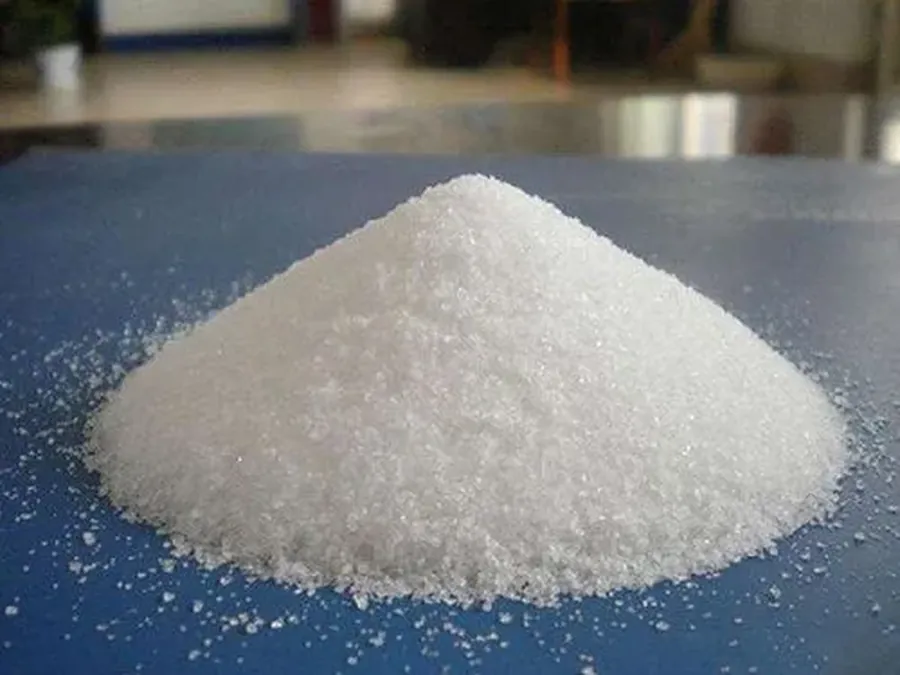 NaOH 99% Min
Caustic Soda Pearls 99%
Granulated sodium hydroxide in free flowing white pearls at 99% minimum purity packed in 25 kg bags
View Specifications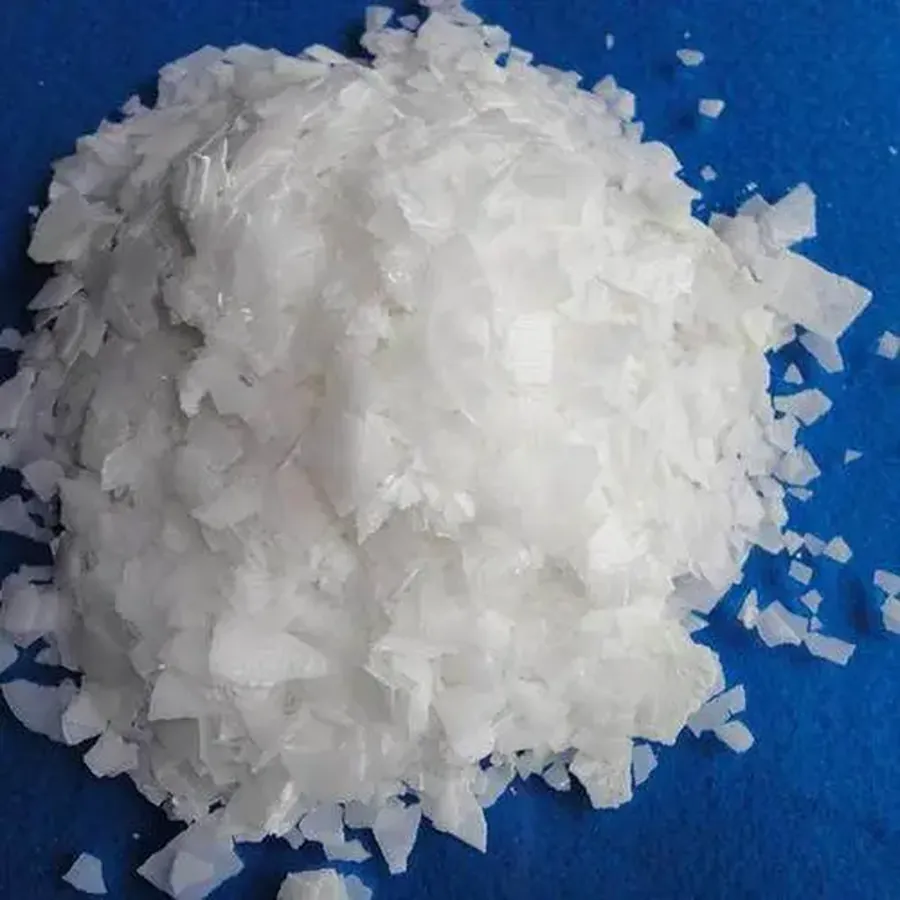 NaOH 99% Min
Caustic Soda Flakes 99%
Thin white sodium hydroxide flakes at 99% minimum purity in 25 kg bags or jumbo bags with custom labels
View SpecificationsTypical Application Scenarios
Where The Alkali Does The Work
pH Correction
Raising the pH of an acidic stream before biological treatment or before discharge.
Metal Precipitation
Driving dissolved metals out of solution as hydroxides so they can be settled and removed.
Alkalinity Make Up
Restoring alkalinity that has been consumed upstream in the treatment train.
Delivery Capability
What We Can Commit To
- Pearls chosen where dust control at the charging point matters
- Flakes held to 0.03% maximum chlorides for sensitive dosing loops
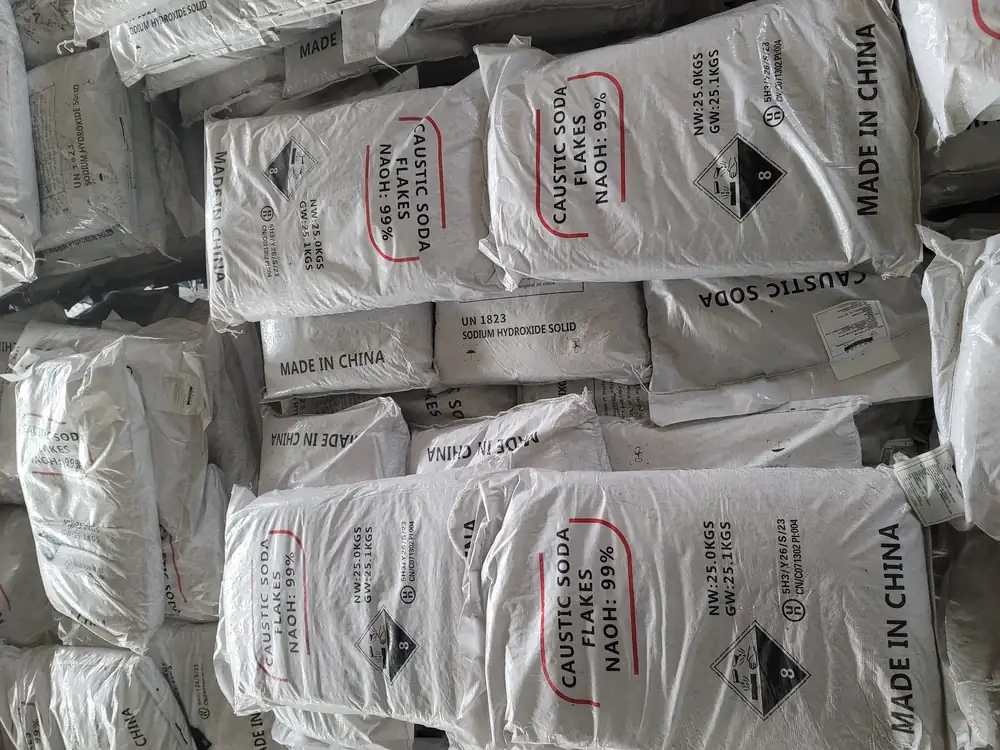
- 25 kg bags that one operator can handle
- Export lots inspected by SGS CIQ or INTERTEK on request
- Sea or railway routing depending on availability to your destination
Related Knowledge
Reading That Helps You Specify
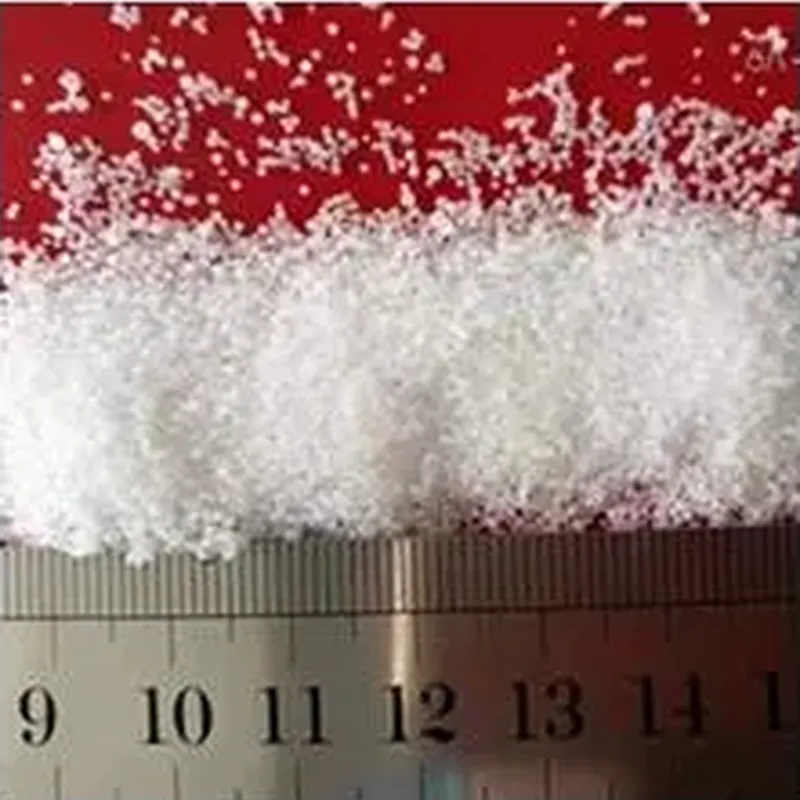 Comparison Guide
Caustic Soda Pearls vs Flakes
Which physical form dissolves faster dusts less and suits your dosing equipment
Read The Guide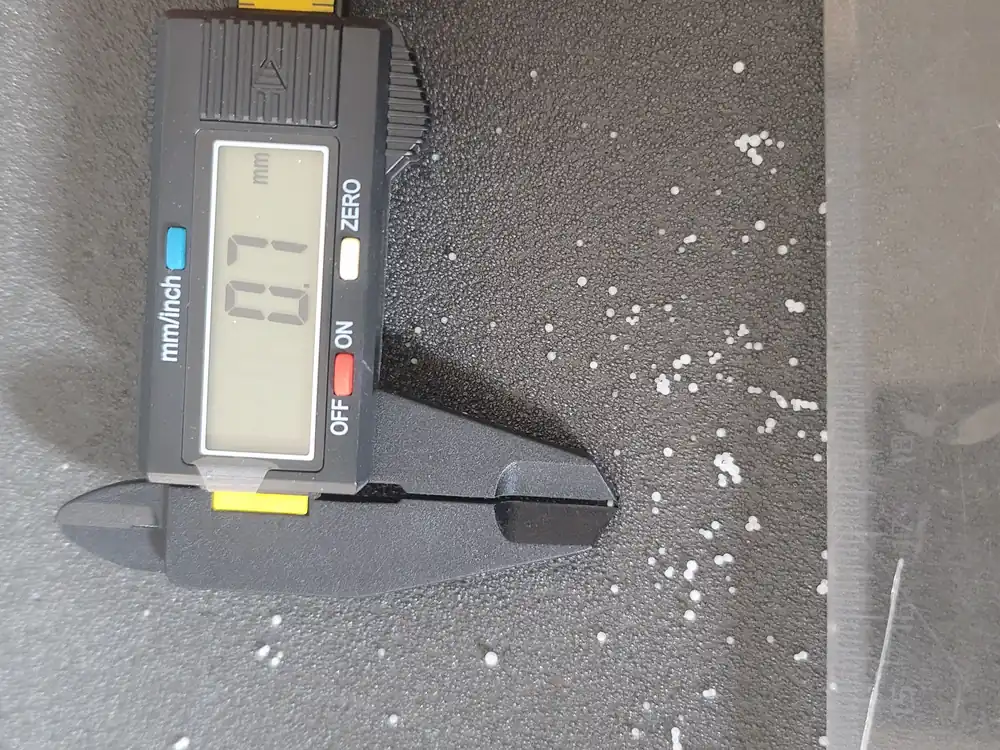 Material Guide
Caustic Soda Grades and Specifications
How to read a caustic soda specification sheet and what each impurity limit controls
Read The Guide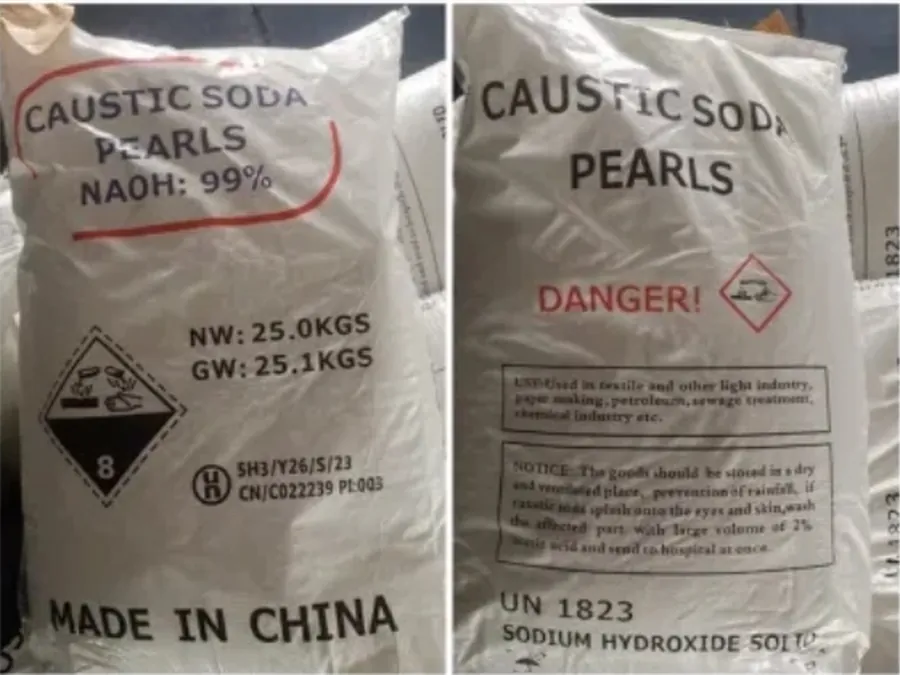 Design Guide
Caustic Soda Packaging and Storage
Bag construction pallet patterns warehouse conditions and shelf life in humid climates
Read The GuideOther Industries
More Applications We Supply
Pulp and Paper
Delignification pulping and bleaching lines that consume caustic soda every day
See The Application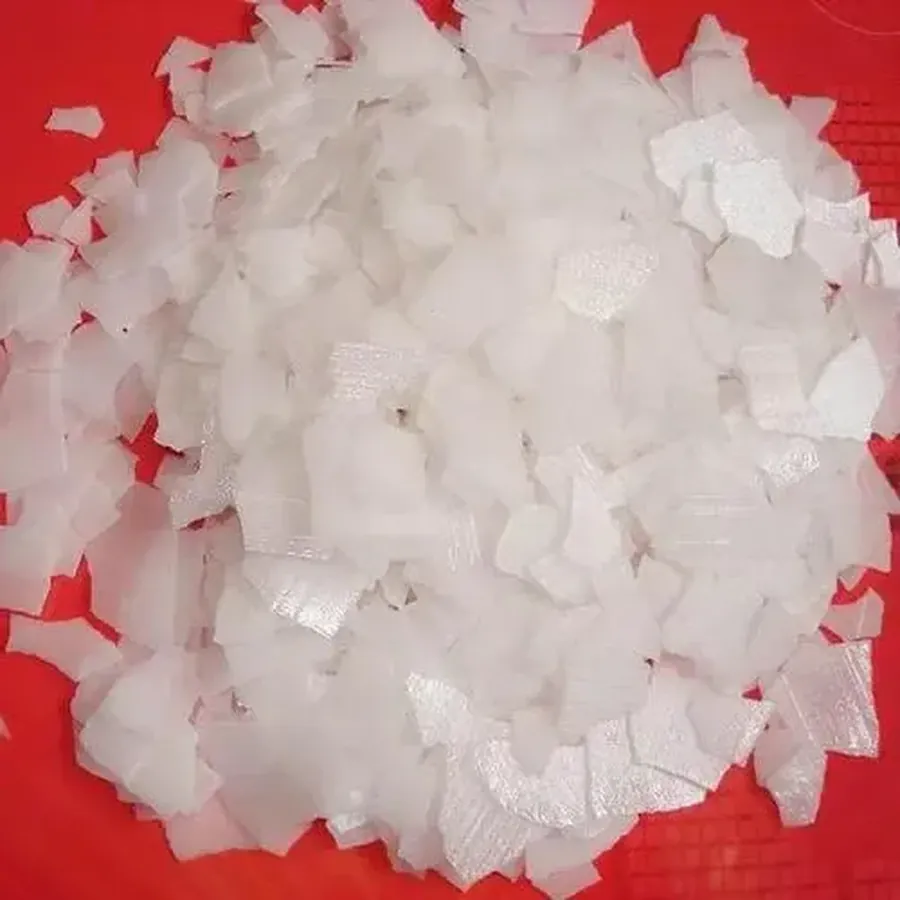
Soap and Detergent
Saponification and neutralisation for bar soap liquid detergent and cleaning chemistry
See The Application
Textile and Dyeing
Scouring mercerising desizing and viscose fibre production in textile mills
See The ApplicationFAQ
Water Treatment Questions
Answers to the questions buyers ask us most often before placing a first order
We supply industrial grade caustic soda produced to GB 209-2006. Whether that grade meets your national potable water requirement is a decision for your regulator, so send us the standard you must satisfy and we will confirm what we can document.
Pearls. The granular form pours cleanly and throws off far less airborne material than a powdered product when a bag is emptied.
Keep them dry, closed and under cover. Sodium hydroxide absorbs moisture and carbon dioxide from air, so an open bag will cake. See our packaging and storage guide.
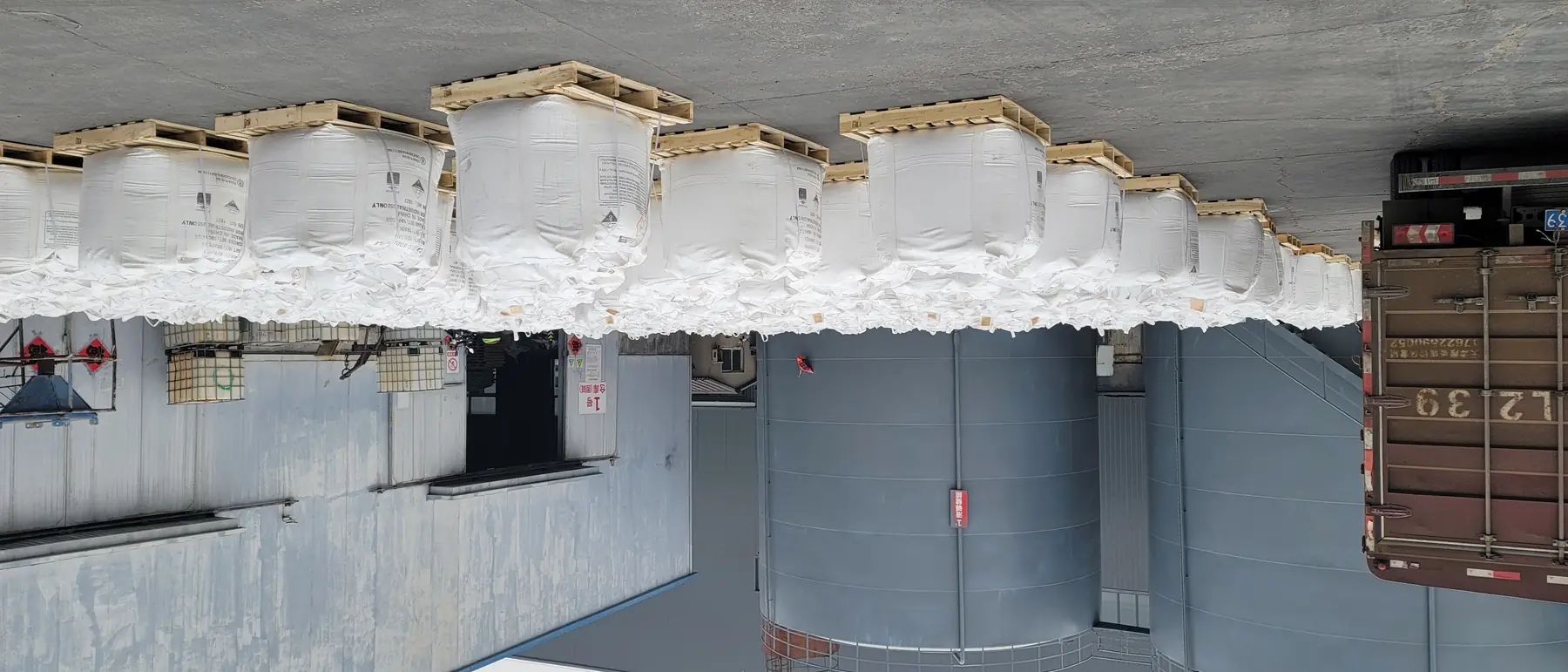
Caustic Soda Built Around Your Water Treatment Process
Tell us the process step the monthly volume and the destination port and we will come back with the grade the pack and the lead time.