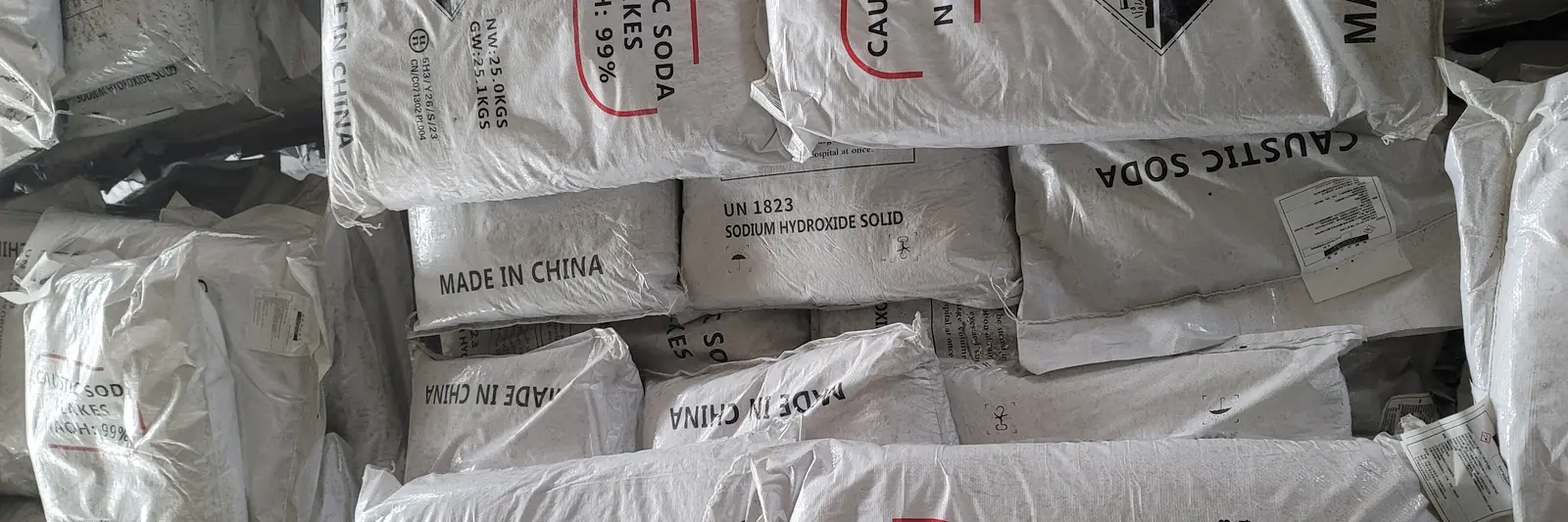
The Only Real Difference Is Surface Area
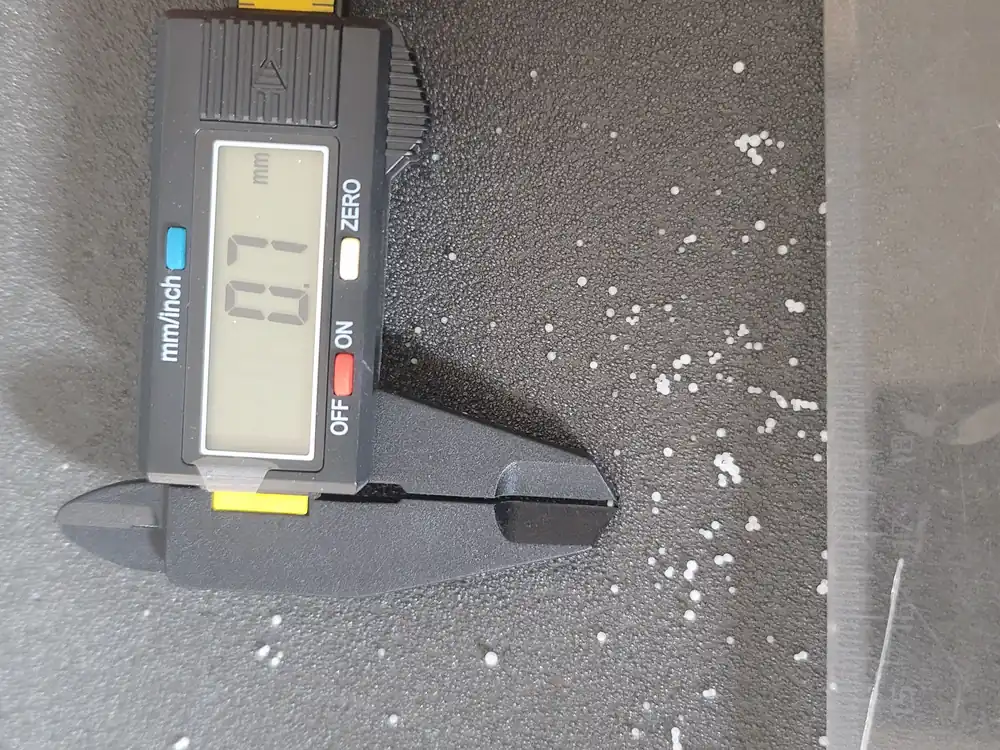
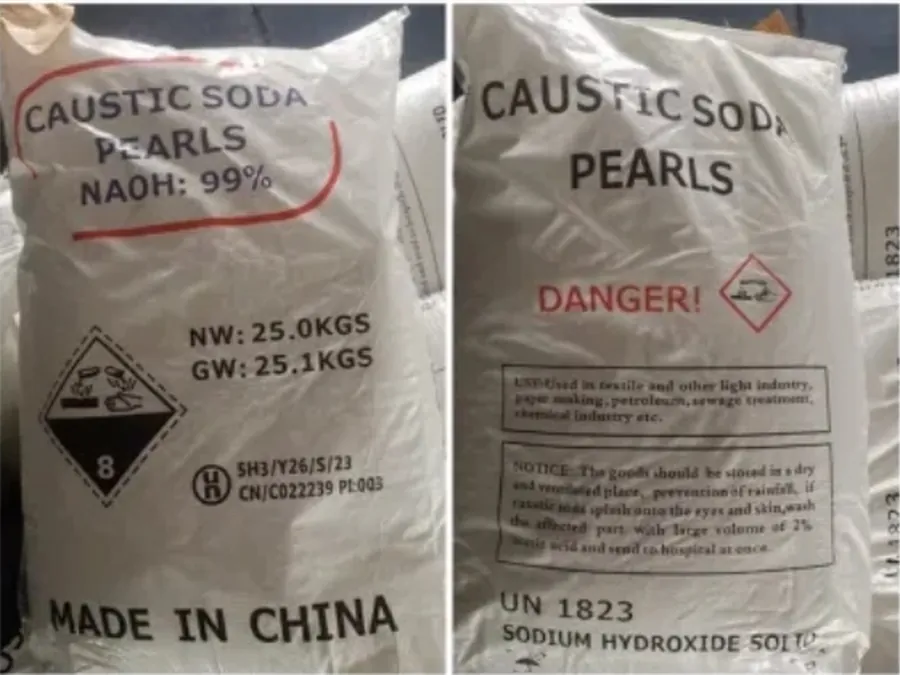
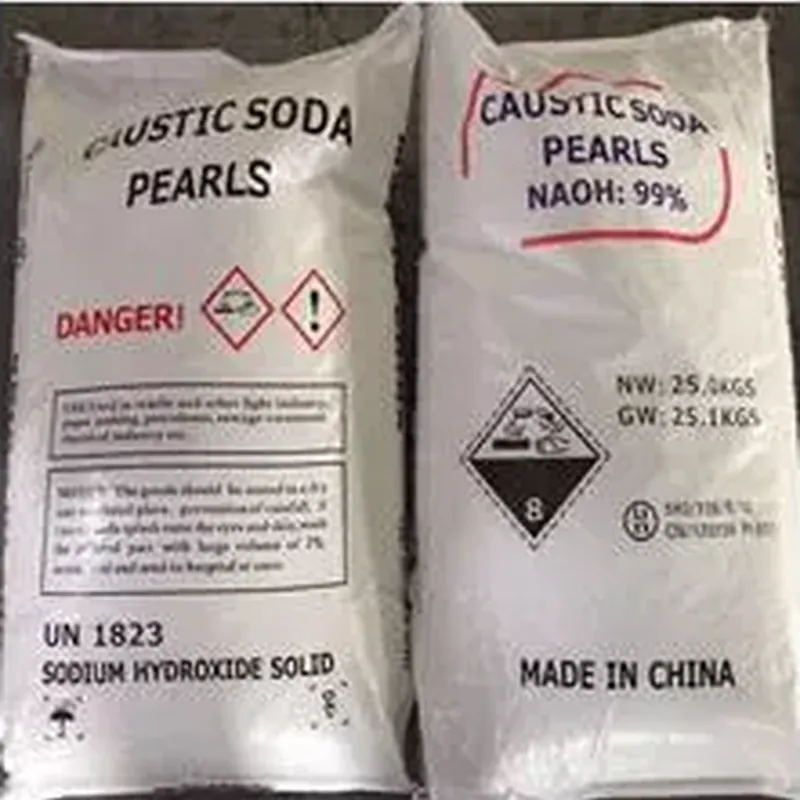
Both products are sodium hydroxide, formula NaOH, supplied at 99.0% minimum purity. A pearl is a small round granule. A flake is a thin plate. A flake exposes far more surface per kilogram than a pearl does, and almost every practical difference follows from that one fact.
Dissolution Speed
More surface means faster attack by water, so flakes go into solution more quickly than pearls in a stirred tank. If your batch tank has to reach working strength inside a shift, flakes are the usual answer. Pearls still dissolve readily in stirred cold water, but they take longer to disappear.
Neither form should ever be added to hot water or to a tank that is not being stirred. Dissolution releases a large amount of heat, and a mound of undissolved solid sitting on the bottom of a vessel will produce a local hot spot that can boil and spit.
Dust Behaviour
The pearl form is the low dust option. When an operator cuts a bag and tips it into a hopper, a granule falls; a flake can shatter and lift. On sites where charging is manual and repeated many times a shift, that difference shows up directly in housekeeping and in how comfortable the charging area is to work in.
Metering And Feeding
Pearls pour and flow like a coarse sand, which is what a screw feeder or a rotary valve wants. Flakes are irregular plates that can bridge in a hopper and can feed unevenly. If your dosing is automated and gravimetric, pearls are usually easier to control.
Impurity Limits
At ArtChems the two grades do not carry identical impurity limits, and this catches buyers out. Our flake grade is held to tighter chloride and iron figures than our pearl grade.
Storage And Handling
Sodium hydroxide absorbs both water and carbon dioxide from the air. Whichever form you buy, the bag has to be resealed the moment it is opened, and the store has to be dry. Pearls tend to stay free flowing a little longer in a humid store because there is less exposed surface per tonne, and the solid grade is better again on that count.
How To Decide
- Fast batch make up in a stirred tank, or an iron sensitive process such as textile dyeing and bleached paper grades — choose flakes.
- Manual charging where dust matters, or metered feeding through a screw or a rotary valve — choose pearls.
- Long storage in a humid climate or equipment built for a compact form — consider solid.
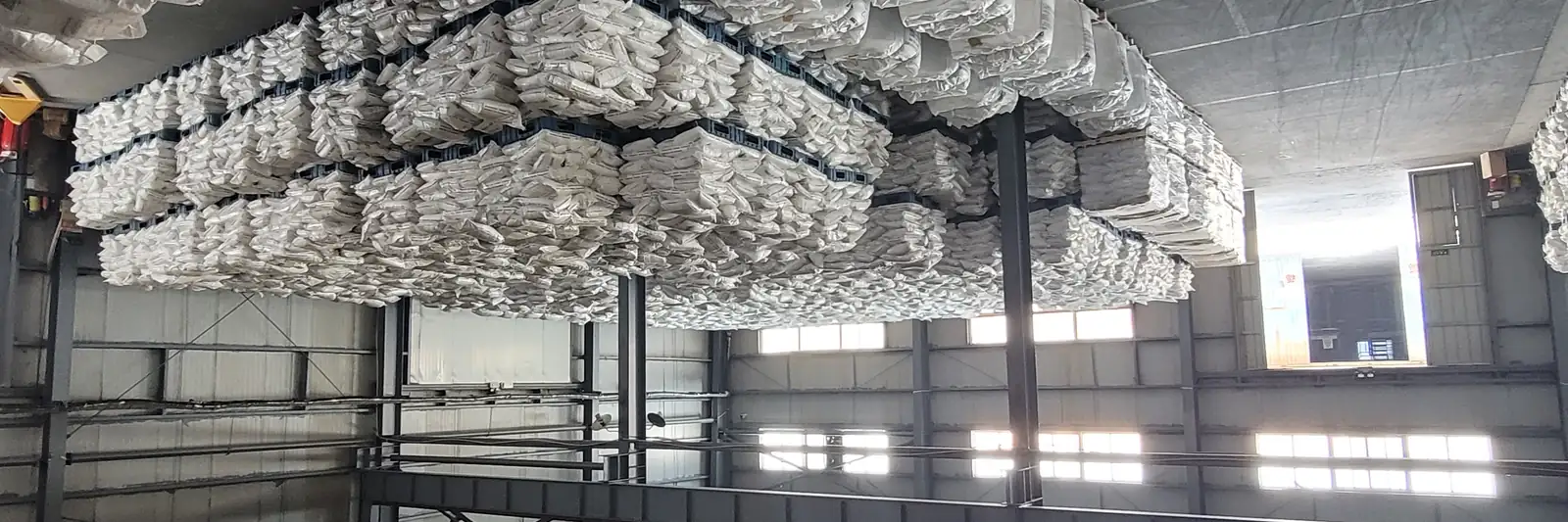
- Large tonnage with mechanical handling on site — ask about flakes in jumbo bags.
If you are still not sure, tell us the charging method and the tank volume rather than the tonnage. That is usually what decides it.
| Product | NaOH | Na2CO3 | NaCl | Fe2O3 |
|---|---|---|---|---|
| Caustic Soda Pearls 99% | 99.0% Min | 0.5% Max | 0.05% Max | 0.05% Max |
| Caustic Soda Flakes 99% | 99.0% Min | 0.5% Max | 0.03% Max | 0.005% Max |
| Caustic Soda Solid 99% | 99.0% Min | 0.5% Max | 0.05% Max | 0.05% Max |