
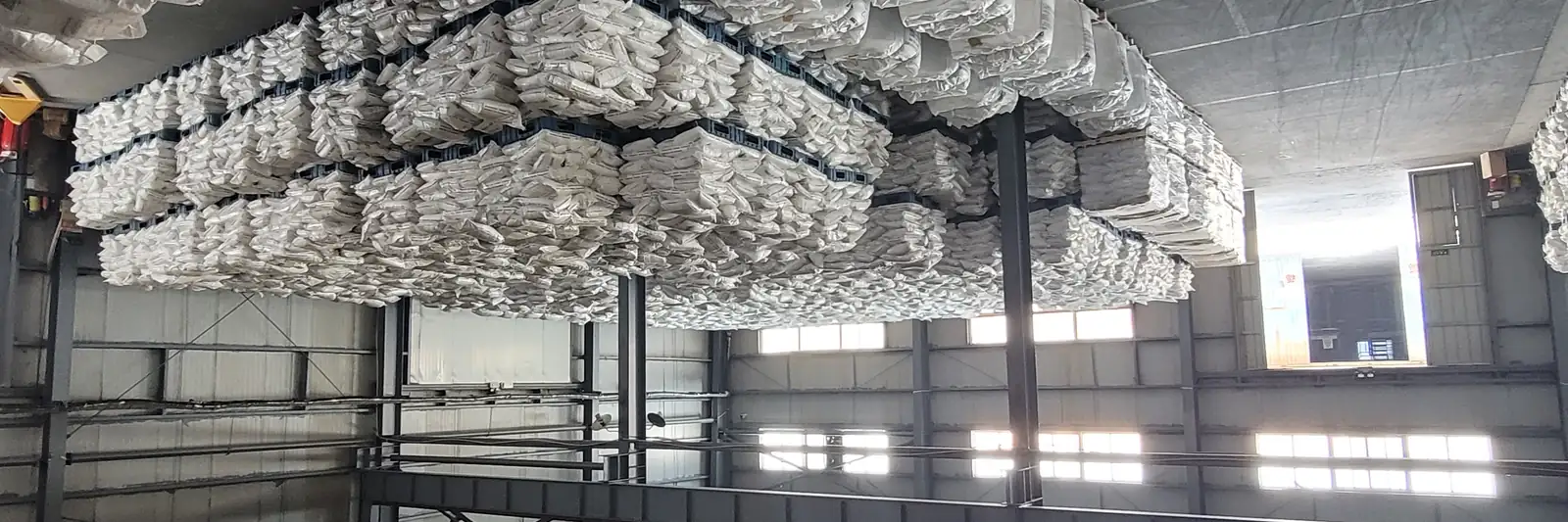
Caustic Soda for Pulp and Paper
Caustic soda is used for delignification. Fibres can only be obtained by removing lignin from the wood, and adding caustic soda solution dissolves and separates the non cellulose components so that pulp with cellulose as the main component is produced.
Industry Pain Points
What Goes Wrong With The Wrong Supplier
- Alkali strength that varies between lots changes the cook and the yield
- Iron carried in with the alkali can show as staining in bleached grades
- Bags that arrive wet or split slow the charging area and waste product
- A shipment that lands late stops a continuous line that cannot be paused
Customer Requirements
What This Industry Actually Needs
- A stable 99% NaOH figure so the charge calculation does not move
- Tight iron limits for bleached and speciality grades
- Packaging that survives handling and stays dry in a mill store
- A production and shipping window that can be planned months ahead
Suitable Products
Grades That Fit This Application
 NaOH 99% Min
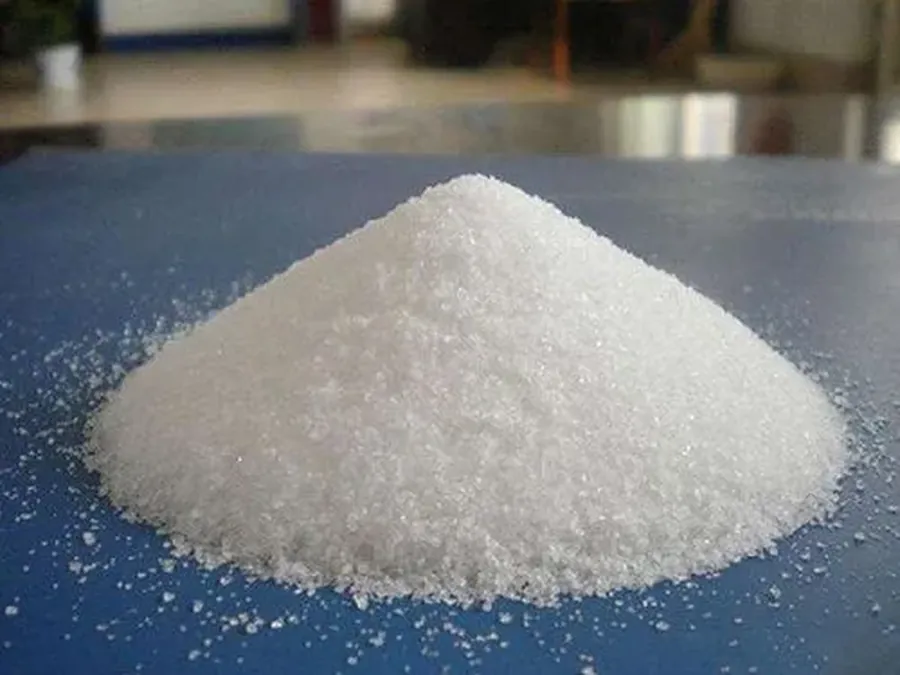
Caustic Soda Pearls 99%
Granulated sodium hydroxide in free flowing white pearls at 99% minimum purity packed in 25 kg bags
View Specifications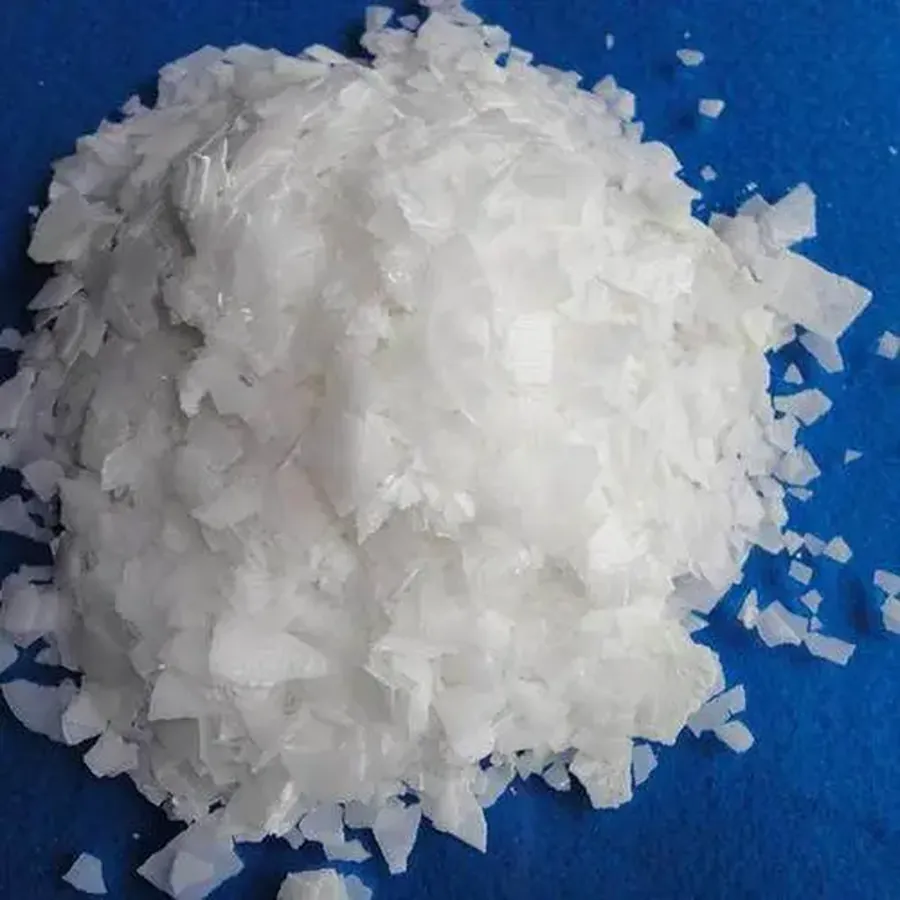 NaOH 99% Min
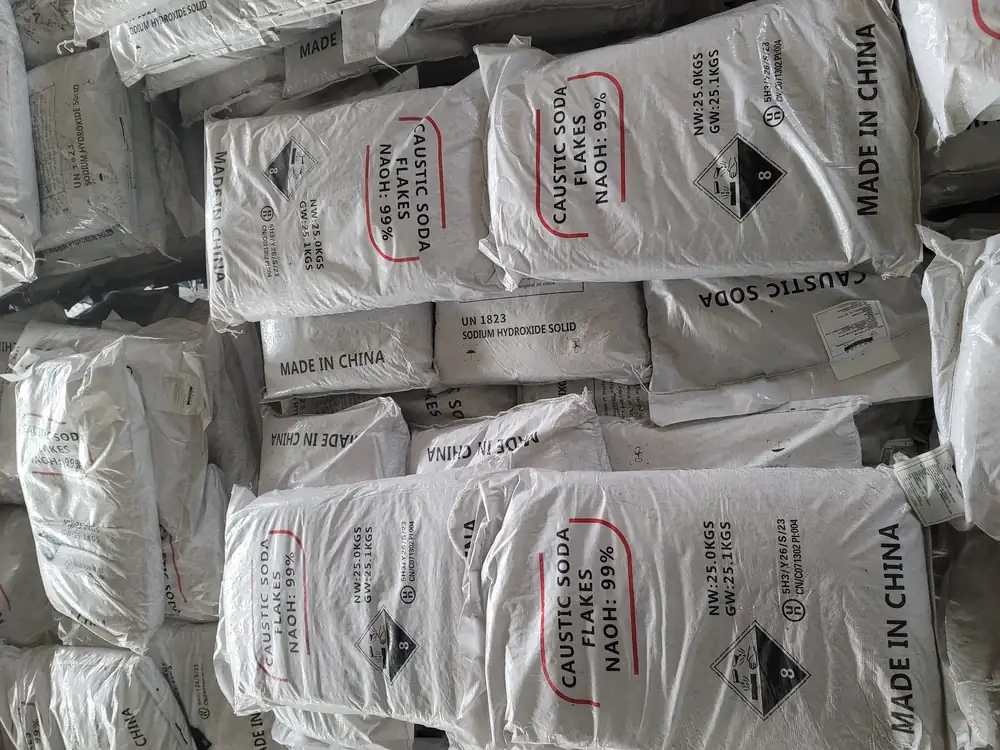
Caustic Soda Flakes 99%
Thin white sodium hydroxide flakes at 99% minimum purity in 25 kg bags or jumbo bags with custom labels
View SpecificationsTypical Application Scenarios
Where The Alkali Does The Work
Delignification
Caustic soda solution dissolves and separates the non cellulose components of the wood so cellulose pulp can be recovered.
Bleaching Stages
Alkaline extraction stages between bleaching steps rely on a consistent alkali strength.
Effluent pH Control
Mill effluent is neutralised and pH corrected before discharge or reuse.
Delivery Capability
What We Can Commit To
- 99.0% NaOH minimum on every form we supply
- Flake grade held to 0.005% maximum iron as Fe2O3
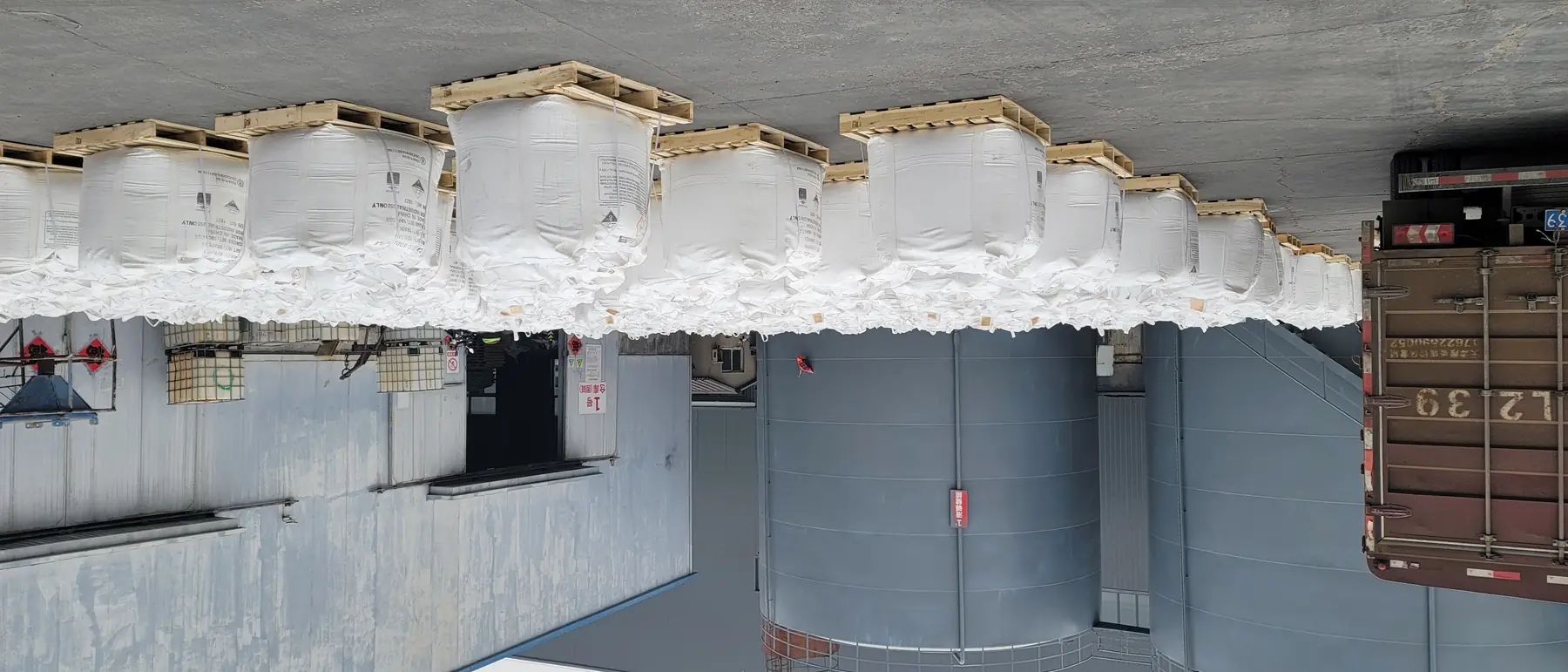
- 25 kg bags or jumbo bags with customised labels
- Flakes shipped within 7 to 10 days after order confirmation
- Around 80 containers loaded from our own yard each month
Related Knowledge
Reading That Helps You Specify
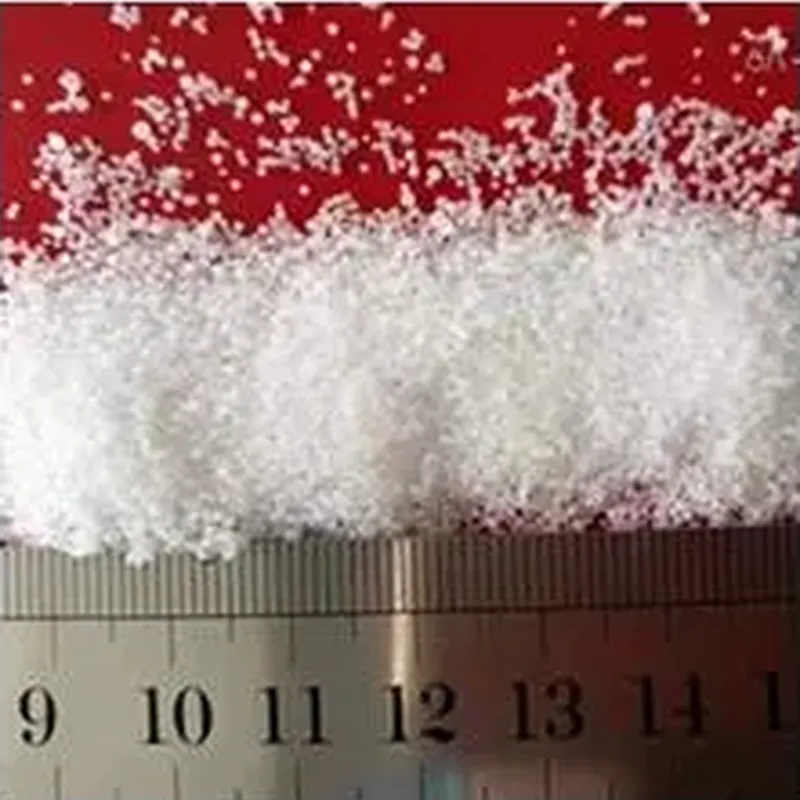 Comparison Guide
Caustic Soda Pearls vs Flakes
Which physical form dissolves faster dusts less and suits your dosing equipment
Read The Guide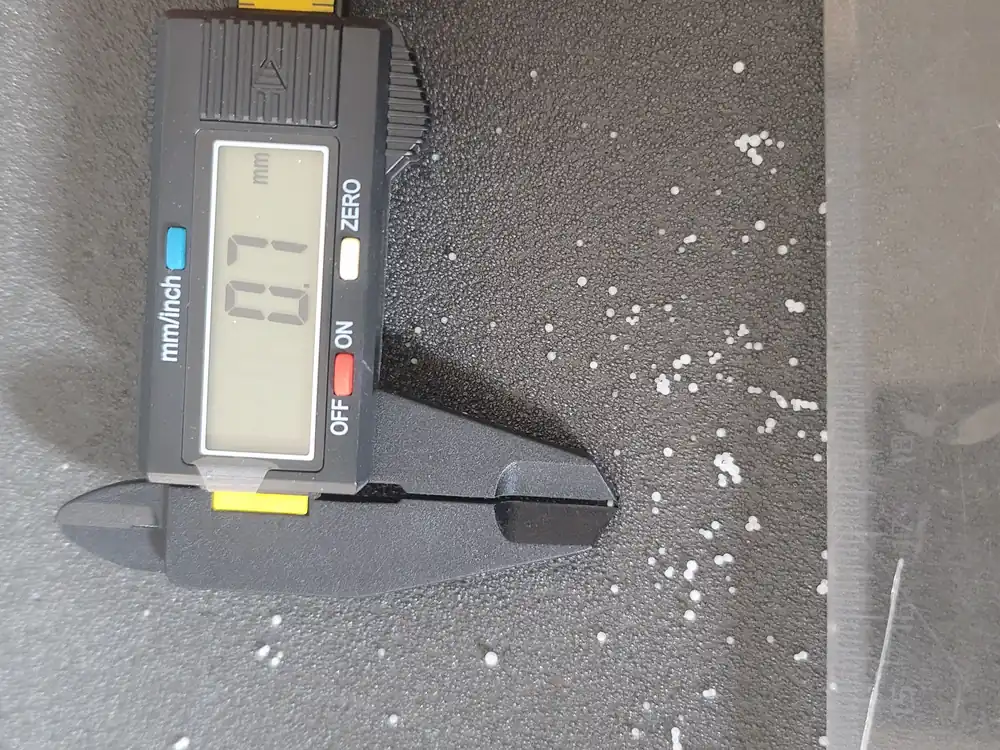 Material Guide
Caustic Soda Grades and Specifications
How to read a caustic soda specification sheet and what each impurity limit controls
Read The Guide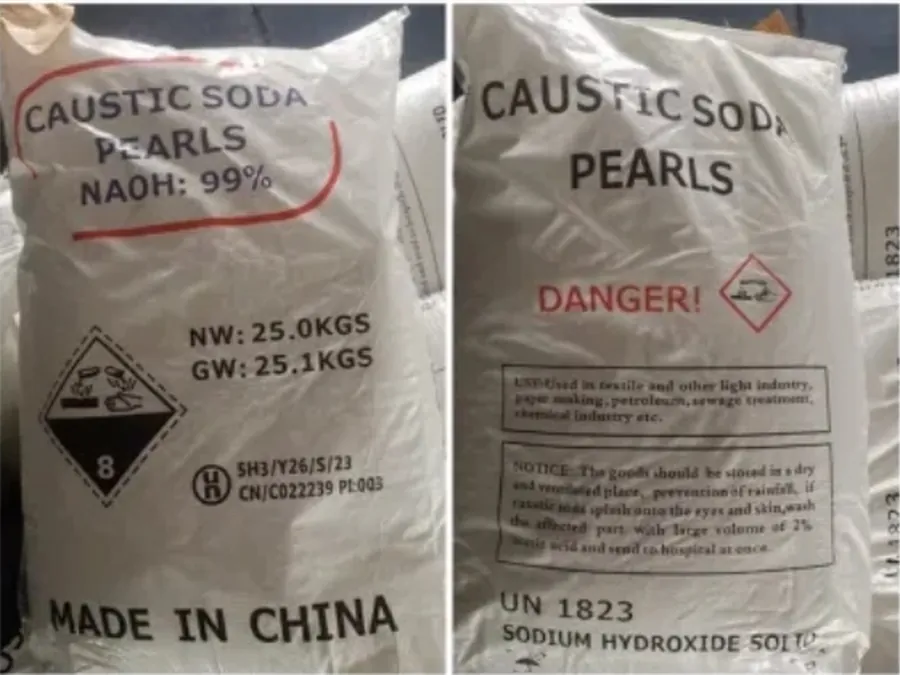 Design Guide
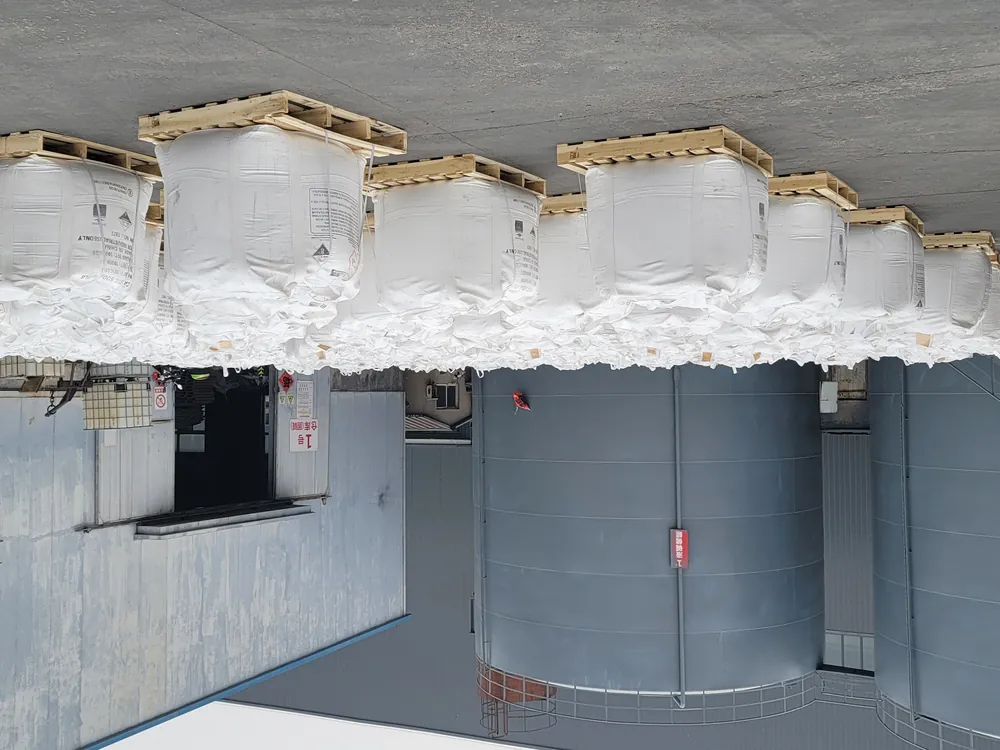
Caustic Soda Packaging and Storage
Bag construction pallet patterns warehouse conditions and shelf life in humid climates
Read The GuideOther Industries
More Applications We Supply
Water Treatment
pH correction alkalinity control and heavy metal precipitation in municipal and industrial plants
See The Application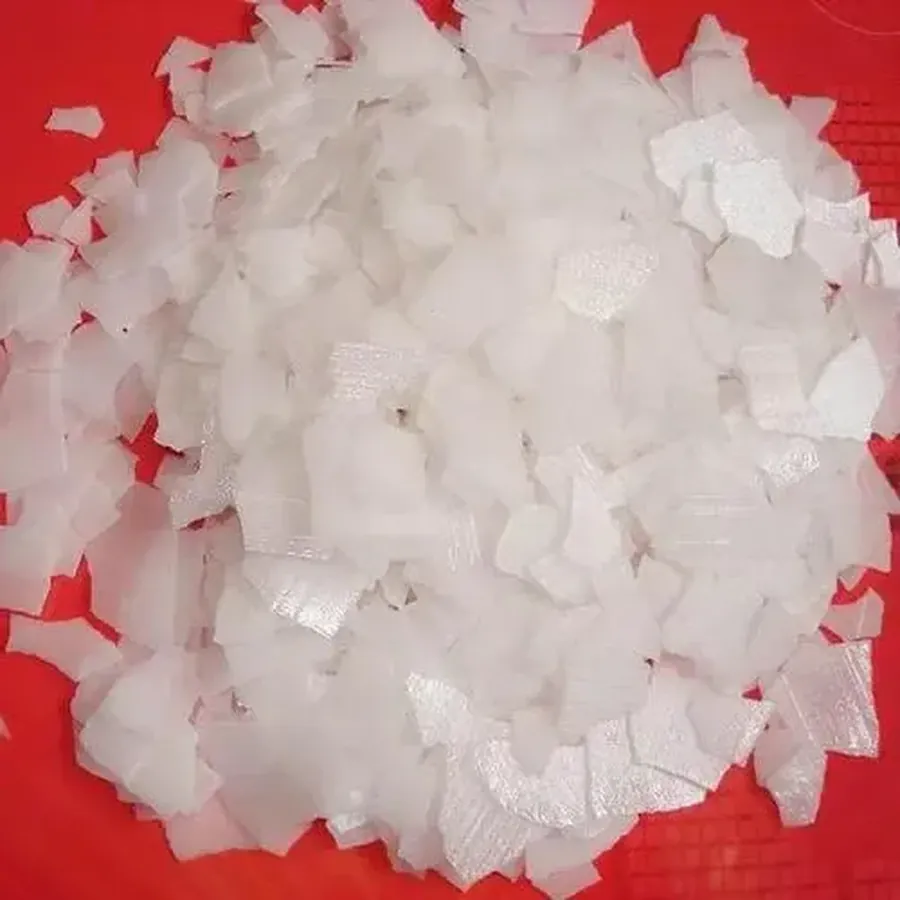
Soap and Detergent
Saponification and neutralisation for bar soap liquid detergent and cleaning chemistry
See The Application
Textile and Dyeing
Scouring mercerising desizing and viscose fibre production in textile mills
See The ApplicationFAQ
Pulp and Paper Questions
Answers to the questions buyers ask us most often before placing a first order
Flakes, because they dissolve quickly in a stirred batch tank and our flake grade carries the tightest iron limit at 0.005% maximum.
We supply 99.0% NaOH minimum with carbonate at 0.5% maximum, which is the industrial grade specification under GB 209-2006 that mills normally buy against.
Yes. Tell us your monthly tonnage and we will build a loading schedule around your production plan. See our bulk supply programme.
Caustic Soda Built Around Your Pulp and Paper Process
Tell us the process step the monthly volume and the destination port and we will come back with the grade the pack and the lead time.