
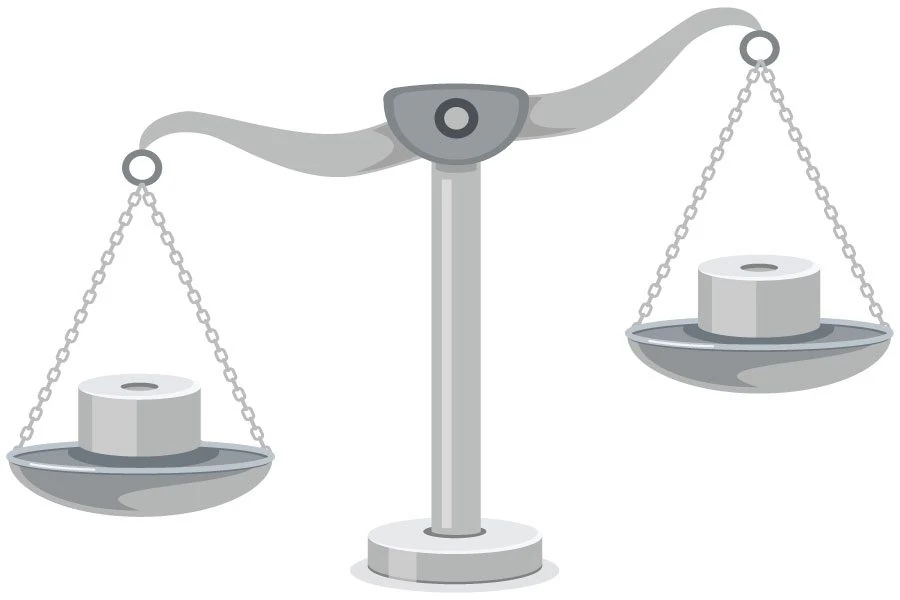
Why You Must Ask About Tolerance When Buying Stainless Plate
Tolerance is the permissible deviation in length or thickness, and on stainless plate it is a commercial term as much as a technical one. Plate sold on theoretical weight but rolled on the negative side of the tolerance is the single most common cause of a delivery dispute.
What Tolerance Means
Tolerance is the accepted permissible deviation in length or thickness. It matters in the buying and selling of stainless plate and sheet as much as in the application. In measurement, the difference between the maximum and minimum size of the tolerable error is the tolerance, and error ranges recognised by industrial specifications are also called tolerance.
Reading a Drawing Tolerance
If a drawing records 60 with plus 0.045 and minus 0.000, the reference dimension is 60 and the tolerance limits are plus 0.045 and minus 0.000. The upper limit is therefore 60.045 and the lower limit is 60.000. One reason for setting tolerances at all is to balance accuracy against machining cost, because tighter accuracy always costs more.
Why Plate Is Rarely Nominal
During rolling, the roll deforms slightly as it heats, so the rolled plate ends up thicker in the middle and thinner at both edges. The actual thickness is often less than the theoretical figure. A nominal 5 mm plate can measure 4.824 mm, and that difference is the tolerance.
Related product: 304 304L and 304H Stainless Steel Sheet
Positive and Negative Tolerance
In the Chinese market most references to tolerance mean negative tolerance, although positive tolerance plate also exists and is less common. Negative tolerance plate is mostly sold on theoretical calculated weight, while positive tolerance plate is mostly sold on weighed weight. That difference changes the price per usable kilogram.
What to Ask Before You Order
Ask which tolerance the plate is rolled to, whether it is sold on theoretical or weighed weight, and what the thickness variation across the width is. Then design individual tolerances part by part to balance quality against cost, rather than applying one tight figure to everything.
Products Covered in This Guide
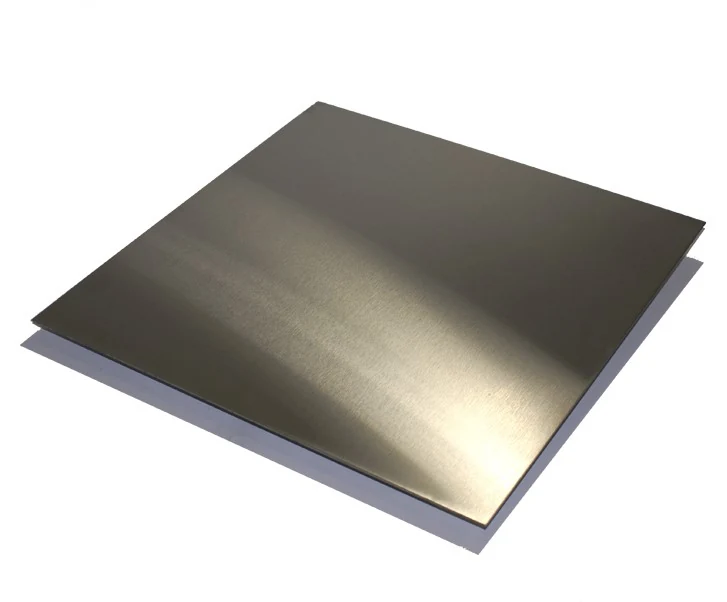
304 304L and 304H Stainless Steel Sheet
Grade 304 is the standard 18/8 austenitic stainless steel and the most widely used stainless grade, available in the widest range…
View specifications →
2205 Duplex Stainless Steel Sheet
2205 duplex stainless steel, UNS S32205 and S31803, is a 22 percent chromium, 3 percent molybdenum, 5 to 6 percent nickel and…
View specifications →
904L Stainless Steel Plate
904L stainless steel plate is a highly alloyed austenitic grade with very low carbon, high chromium, sufficient nickel and an…
View specifications →Frequently Asked Questions
Why is my plate thinner than the nominal thickness
What is negative tolerance plate
Should I always specify the tightest tolerance
Do you state the tolerance in your quotation
Apply This to Your Own Specification
Send the service conditions and the grade recommendation comes back with a quotation for the sizes you need.