
Martensitic Stainless Steel and Where Hardness Wins
Martensitic stainless steels transform on cooling rather than staying austenitic, which is what lets them be hardened by quenching like ordinary alloy steel. That is the whole reason to choose one.
How the Transformation Works
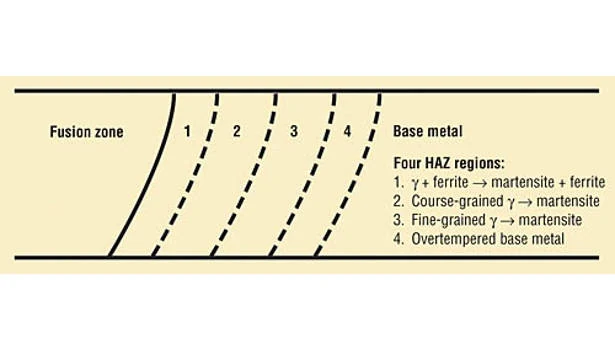
At normal quenching temperature martensitic stainless steels sit in the gamma phase zone, but that phase is only stable at high temperature. The martensite start point is generally around 300 C, so the structure transforms to martensite as the steel cools. That is why the family behaves like ordinary alloy steel when it comes to hardening.
Grades in the Family
The family includes 2Cr13, 2Cr13Ni2 and 3Cr13, along with partially modified 12 percent chromium hot strength steels such as 13Cr14NiWVBA and Cr11Ni2MoWVB. Their mechanical properties, corrosion resistance, process properties and physical properties are similar to ferritic martensitic grades containing 12 to 14 percent chromium.
Related product: 410 Stainless Steel Bar
Why They Are Stronger Than the Ferritic Martensitic Types
Because there is no free ferrite in the structure, mechanical properties are higher than in the comparable ferritic martensitic steels, and overheat sensitivity during heat treatment is lower. That combination is what makes them practical to heat treat in production.
Free Machining Grade 416
Grade 416, UNS S41600, is a free cutting martensitic stainless whose domestic designation is Y1Cr13. It is used on automatic lathes and is applied mainly in the production of electromagnetic components, micro motors and electrical parts, where machining rate matters more than maximum corrosion resistance.
Selecting a Grade and a Treatment
Because martensitic grades harden by quenching, a wide range of mechanical properties can be obtained by choosing the grade and the heat treatment condition together. Within the broader iron chromium carbon family they divide further into martensitic chromium stainless steels and martensitic chromium nickel types.
Products Covered in This Guide
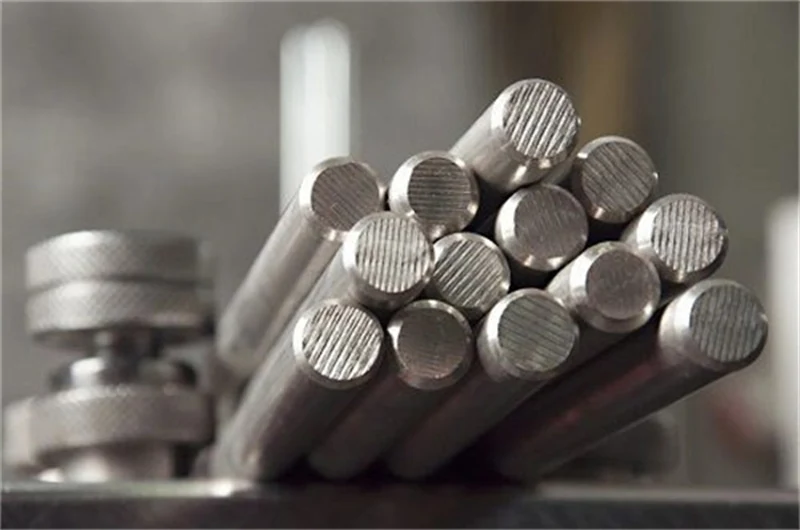
410 Stainless Steel Bar
Grade 410 is the basic martensitic stainless steel, written as 1.4006 or X12Cr13 under EN and UNS S41000 under the UNS system. AISI…
View specifications →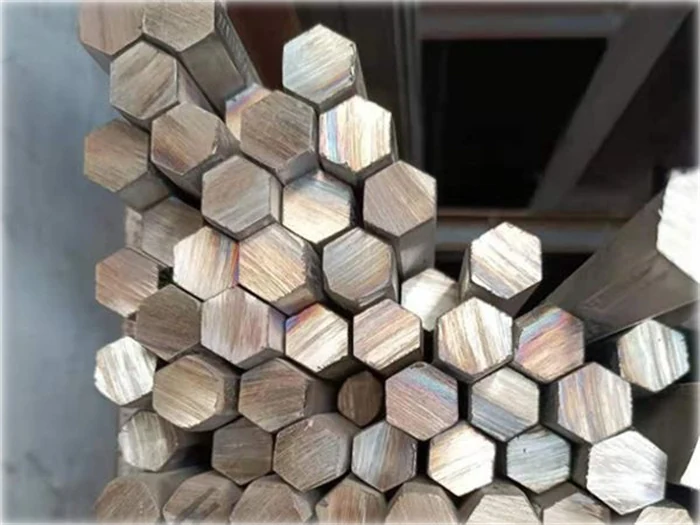
301 Stainless Steel Bar
Type 301 is a chromium nickel austenitic stainless steel that reaches high strength and ductility by cold working rather than by…
View specifications →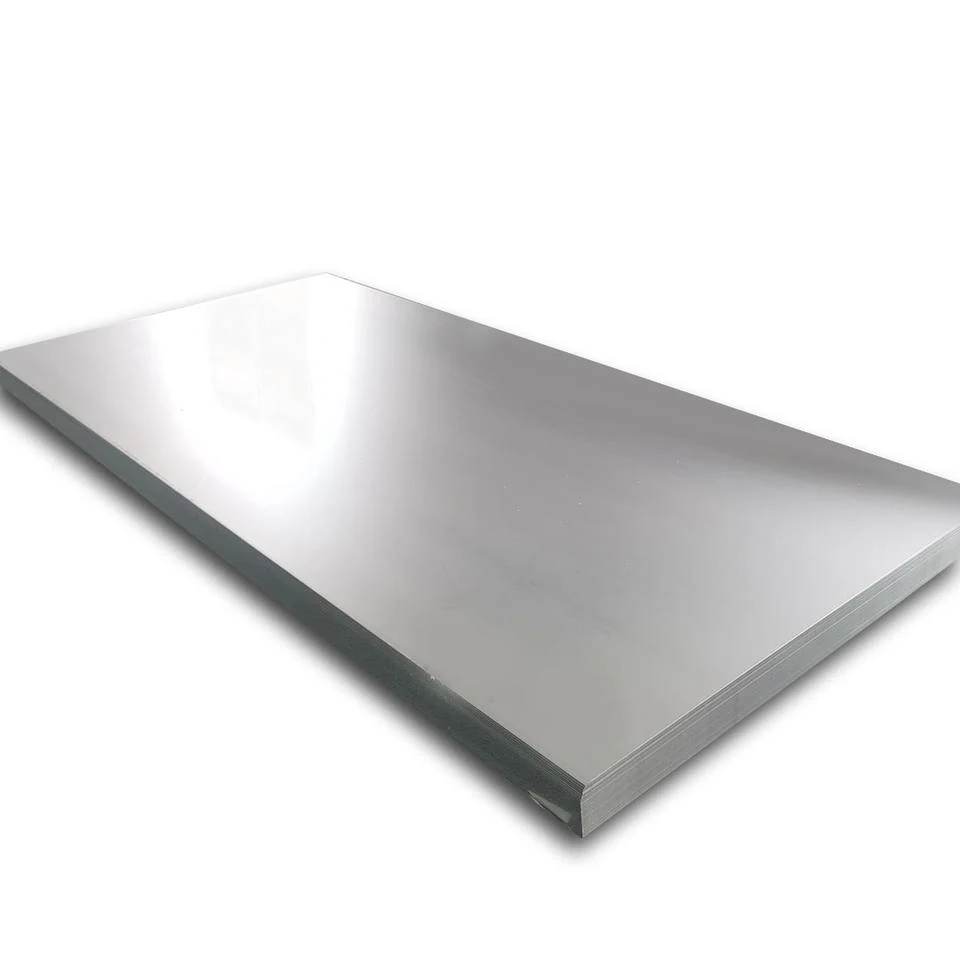
409 Stainless Steel Plate and Sheet
Grade 409 is a thermostable ferritic stainless steel with better oxidation and corrosion resistance than carbon steel. This…
View specifications →Frequently Asked Questions
Why can martensitic stainless be hardened
What is grade 416 used for
How do martensitic grades compare with ferritic martensitic ones
Which martensitic grade do you supply as bar
Apply This to Your Own Specification
Send the service conditions and the grade recommendation comes back with a quotation for the sizes you need.