
Pre Shift Alcohol Screening Programme
Pre shift alcohol screening with ALCOKSON handhelds and terminals. Fuel cell sensors, 500 test or 12 month recalibration, facial recognition, body temperature, and alarm point set at service centre.
What Makes This Setting Different
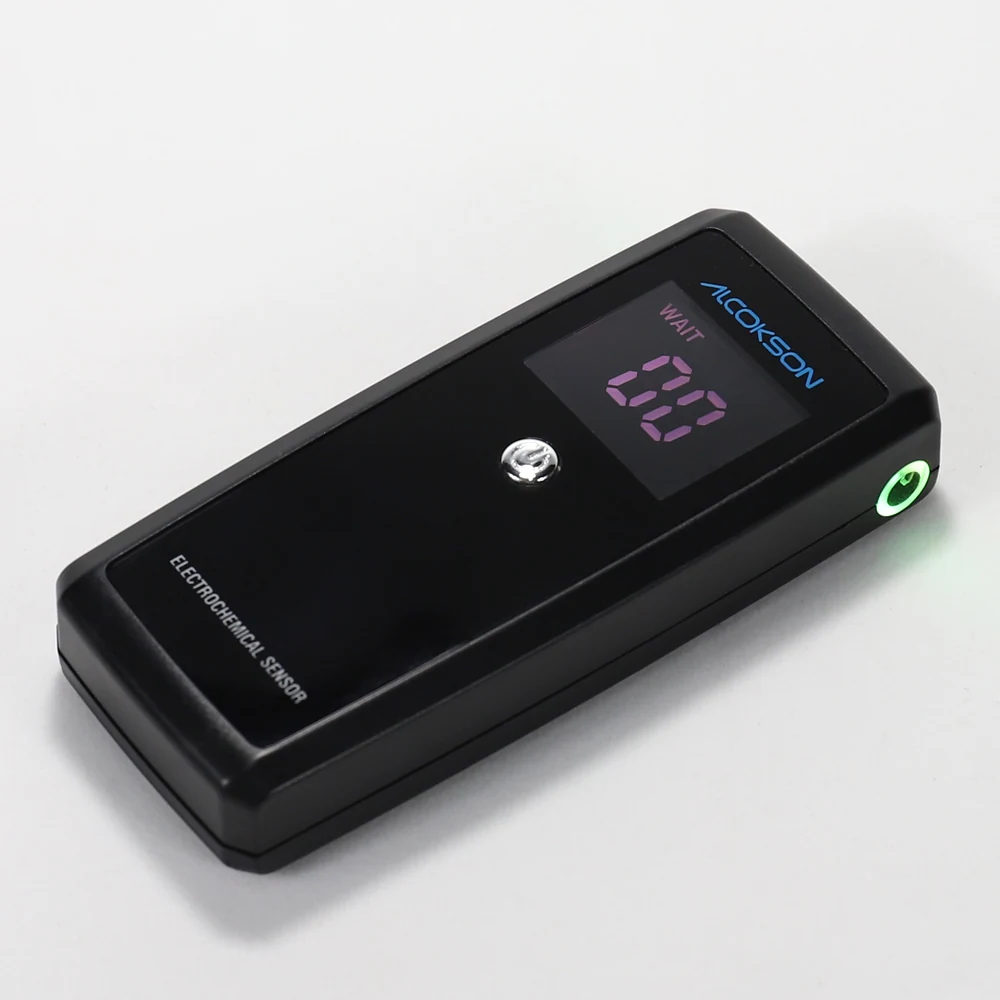
A pre shift alcohol screening programme ensures that no impaired person begins a shift. The programme starts when a person arrives at a gate or worksite and ends when the result is recorded and action taken. ALCOKSON hardware supports every stage, from initial screening to record retention and recalibration. All handhelds use fuel cell sensors, not semiconductor sensors, to avoid false positives from solvents, fuel vapour or tobacco smoke. Terminals include facial recognition and body temperature to confirm identity and physical state. The system is designed for sites where a decision must be made in seconds and the result must be defensible in an audit.
Pain points we hear
- A policy that says zero tolerance cannot be enforced without a defined alarm point
- A handheld that drifts between service visits produces results that cannot be defended
- A terminal that cannot confirm identity leads to false passes or false alarms
- A test result not linked to a person or time cannot be used in an incident review
- A screening point without a record of who passed or failed creates a compliance gap
- A positive screen with no defined escalation path leads to inconsistent responses
What Buyers Need
- A hardware system that sets and maintains a legal threshold at the service centre
- A device that records the test result, time, and identity of the person tested
- A system that survives outdoor temperatures from minus twenty to plus fifty degrees
- A method to verify that the person tested is the same person who signed in
- A clear path for what happens after a positive screen, including retesting or exclusion
- A recalibration schedule that is documented and repeatable, not left open-ended
Typical Scenarios
- Fleet depot at 05:00 with 40 drivers arriving in 20 minutes, all needing a test before key release
- Mine site gate where a full shift arrives inside an hour, and identity must be confirmed
- Oil and gas platform where a remote screening terminal is used at the helipad entrance
- Construction site where a contractor must pass a screening before being issued a permit
- Roadside checkpoint where a police officer must verify identity and test result in under 10 seconds
How the Programme Runs
Define the alarm point
Problem A policy must name a number to trigger a response, but many systems allow user adjustment
How we solve it The alarm point is set at the service centre to 0.02%, 0.05%, or 0.08% before shipment, based on the destination market
Choose between handheld and terminal
Problem A handheld is portable but lacks identity verification; a terminal has identity tools but needs power and space
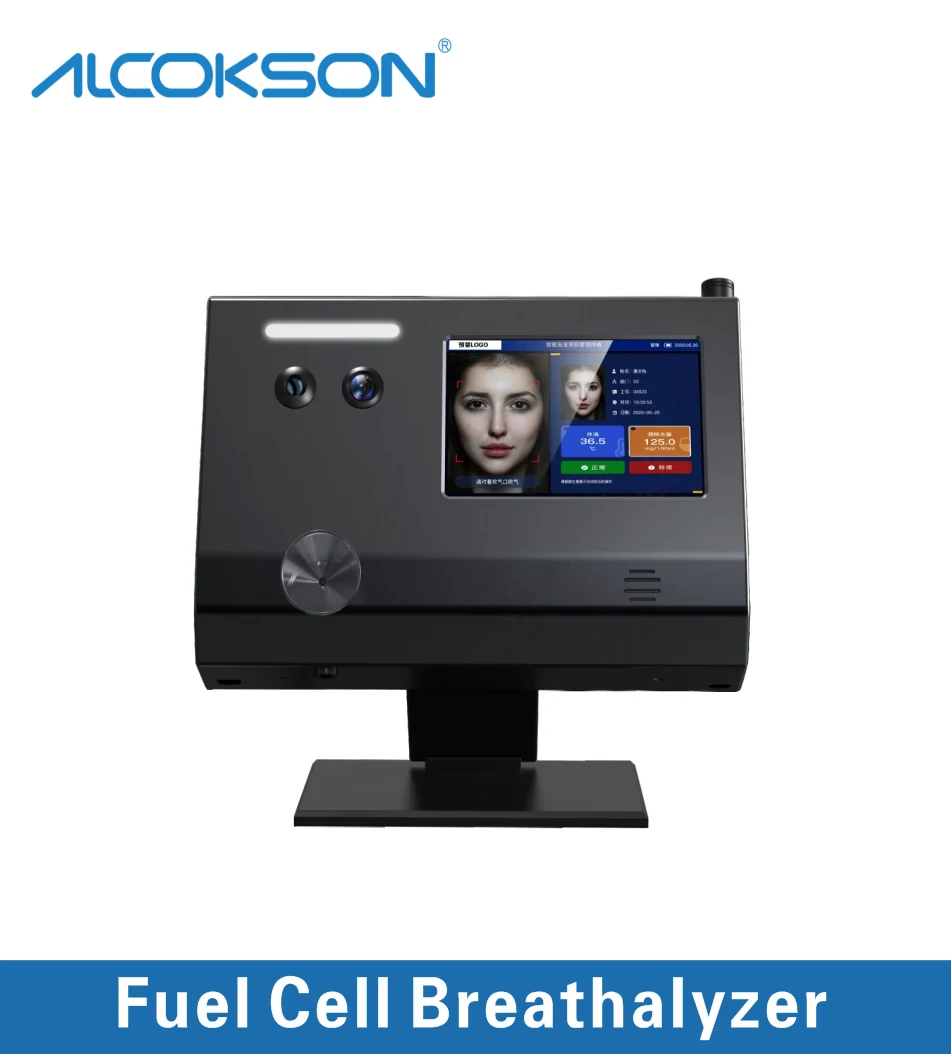
How we solve it ALC-213, ALC-213Pro, and ALC-215 are handhelds for mobile or remote screening. ALC-605, ALC-607, and ALC-608 are wall-mounted terminals with facial recognition and body temperature
Place the screening point in the arrival flow
Problem Screening at the wrong point leads to bypass or delays
How we solve it Handhelds are used at the gate, checkpoint, or induction point. Terminals are installed at fixed access points with controlled entry
Train the operator
Problem Operators may misinterpret results or skip steps when under pressure
How we solve it The device displays the result clearly, with audible alert and colour change above the alarm point. The test takes under 10 seconds and requires only a 6-second blow
Supply mouthpieces
Problem Used mouthpieces contaminate the sensor and reduce test accuracy
How we solve it Five mouthpieces are included with each handheld. Ongoing supply is quoted per expected test volume
Record the result
Problem A result not linked to a person or time cannot be used in an audit or incident review
How we solve it Handhelds store the last 5 test records and a test counter. Terminals store up to 20,000 test records and 10,000 registered faces
Escalate after a positive screen
Problem No defined path leads to inconsistent or unrecorded responses
How we solve it The alarm point triggers a clear alert. The result is recorded. The operator follows the site policy, which may include retesting or exclusion
Schedule recalibration
Problem No stated interval means the device may drift without notice
How we solve it Recalibration is required every 500 tests or 12 months, whichever comes first. The interval is confirmed at order time
What You Get When You Order
- Units are configured for the destination market before shipment
- Calibration route and interval are confirmed in writing at order time
- The alarm point is set at the service centre, not by the user
- Mouthpieces are included in the box; ongoing supply is quoted separately
Models That Fit This Setting
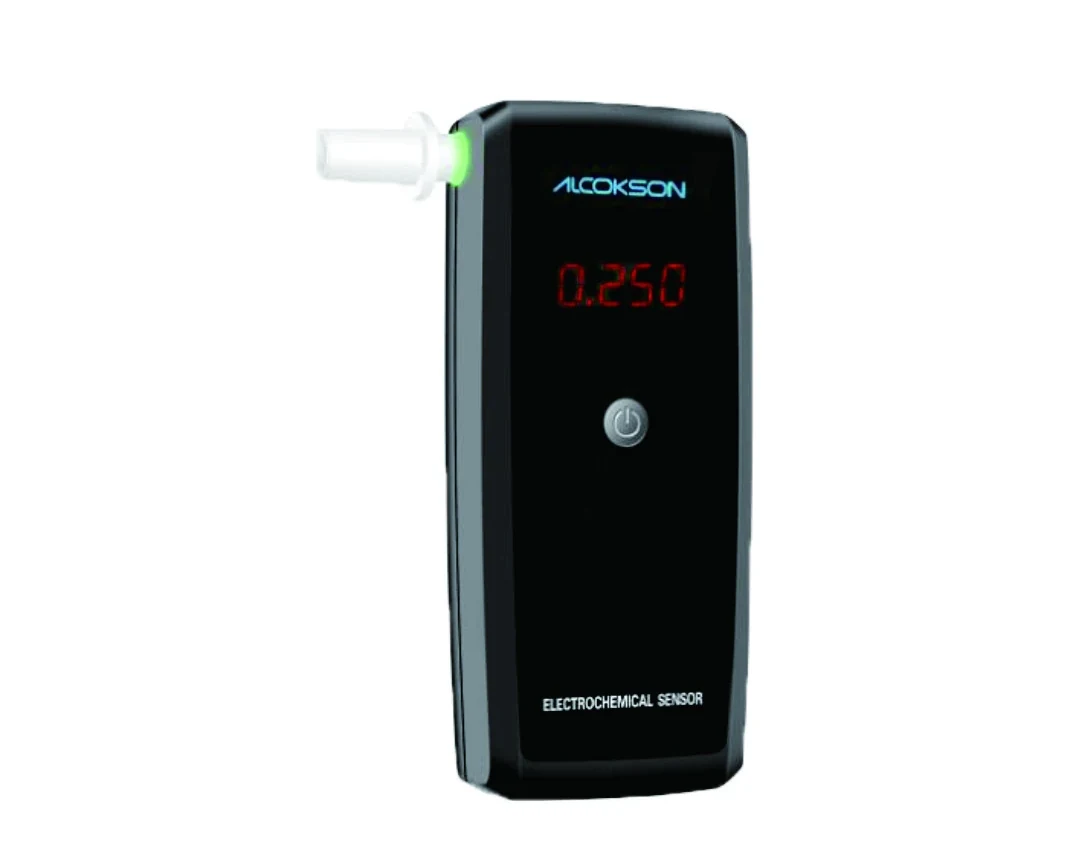
Breath Alcohol Tester ALC-213
The ALC-213 is a handheld fuel cell breath alcohol tester designed for pre-shift screening at gates and checkpoints wh...
View specification →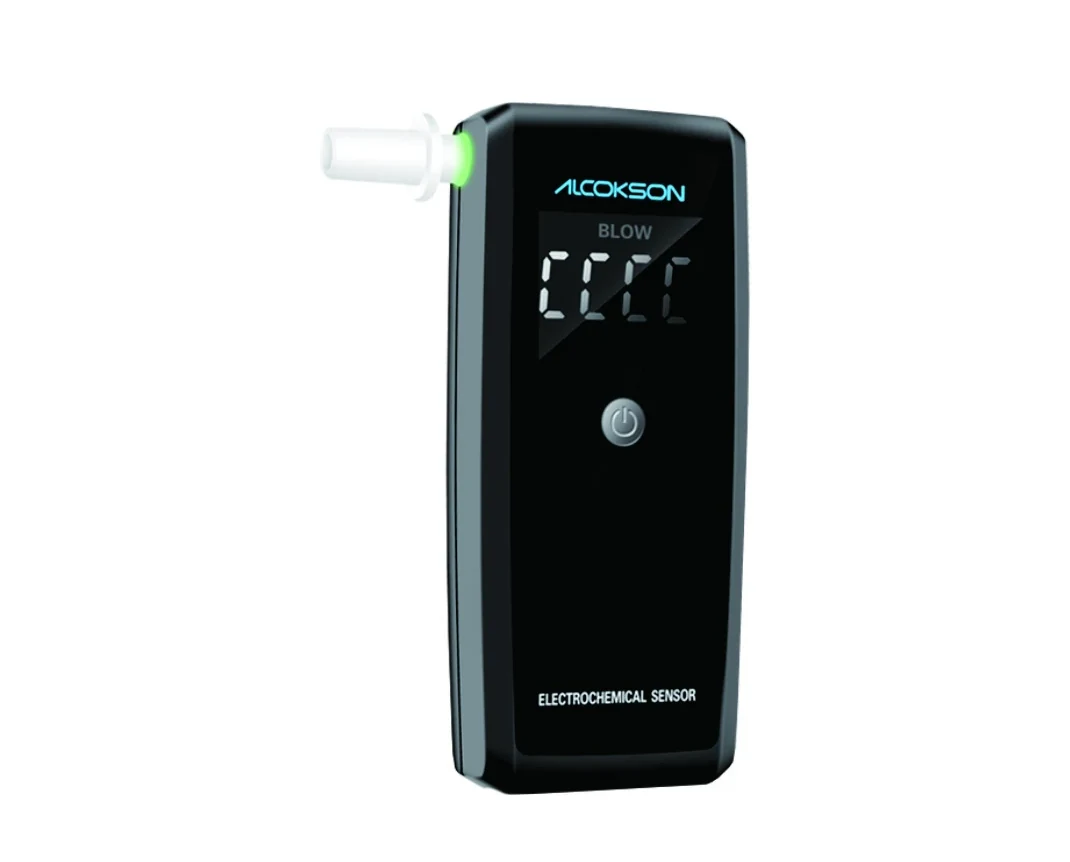
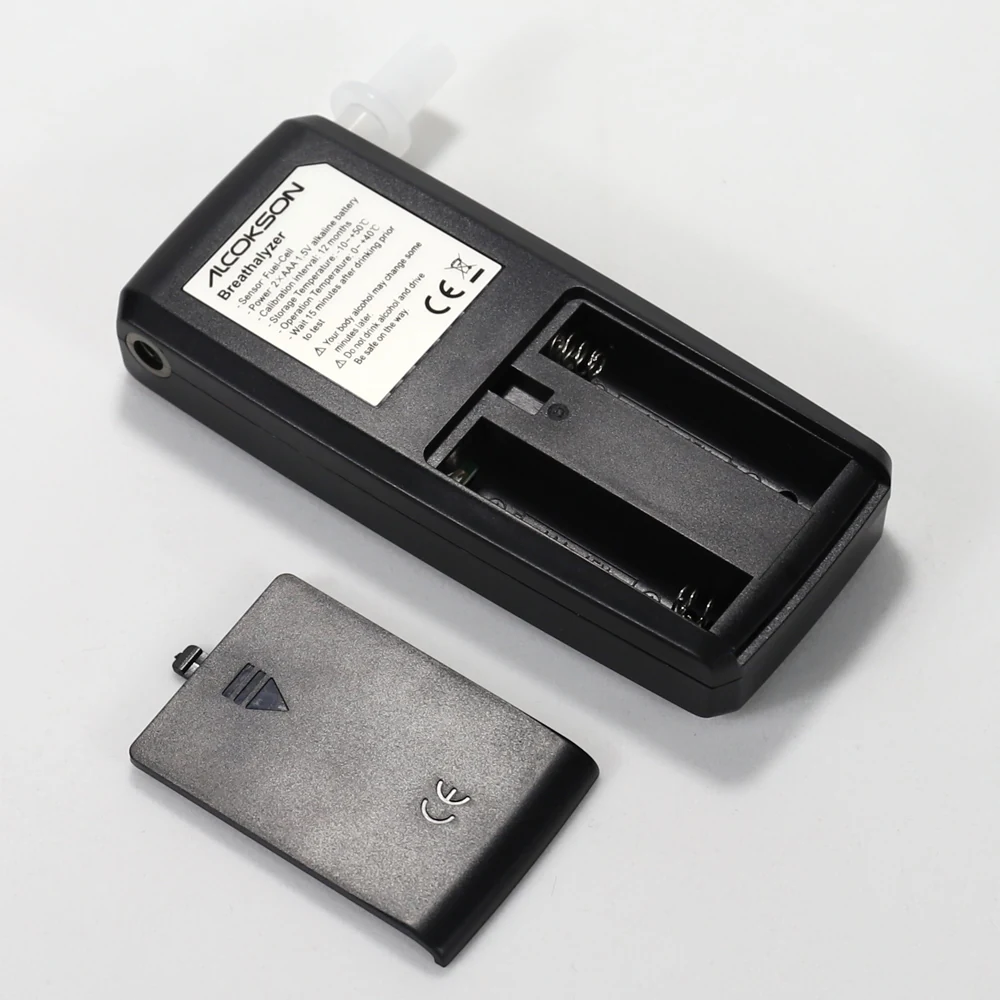
Breath Alcohol Tester ALC-213Pro
The ALC-213Pro is a handheld fuel cell breath alcohol tester with the same electrochemical sensor and performance spec...
View specification →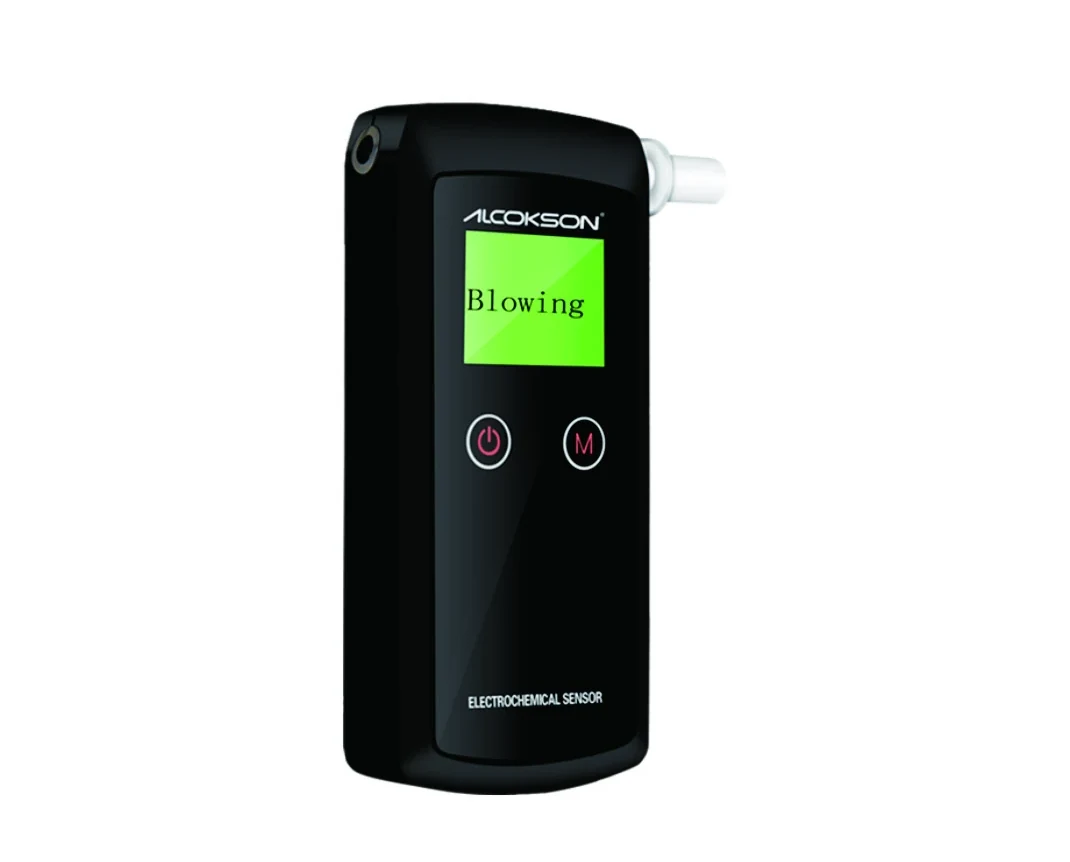
Breath Alcohol Tester ALC-215
The ALC-215 is a handheld fuel cell breath alcohol tester designed for traffic police, road safety agencies, and check...
View specification →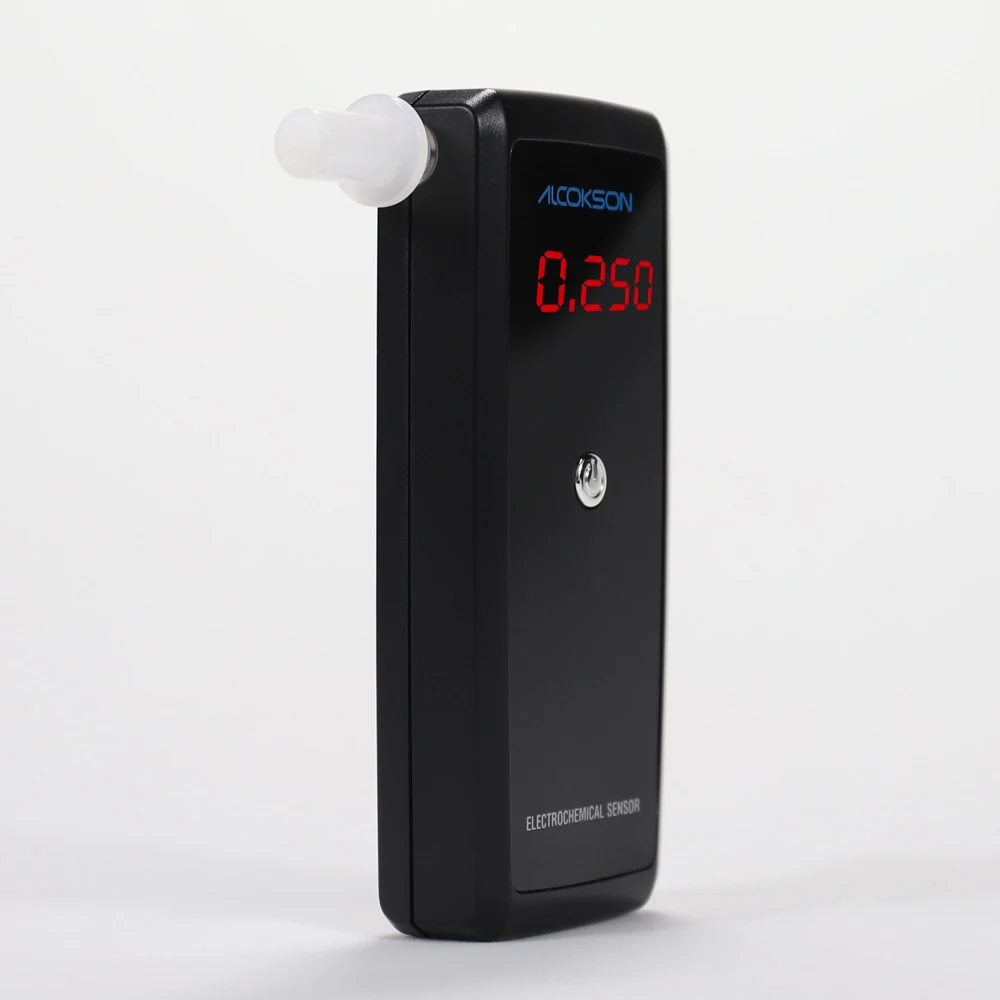
Questions Buyers Ask Before Ordering
Which model should I use for a remote gate house?
How many tests before recalibration?
Can the alarm point be changed after delivery?
What is included with each unit?
Do you supply terminals with facial recognition?
What is the lead time and minimum order?
Put a screening programme in place for pre shift alcohol screening programme
Send the number of gates or vehicles, the shift pattern and the market you operate in. We will name the models and the configuration and put the figures in writing.