
Breath Alcohol Tester ALC-213
Handheld fuel cell breath alcohol tester with +/-0.005% accuracy at 0.05% BAC, result in under 10 seconds and selectable 0.02 0.05 or 0.08 percent alarm point.
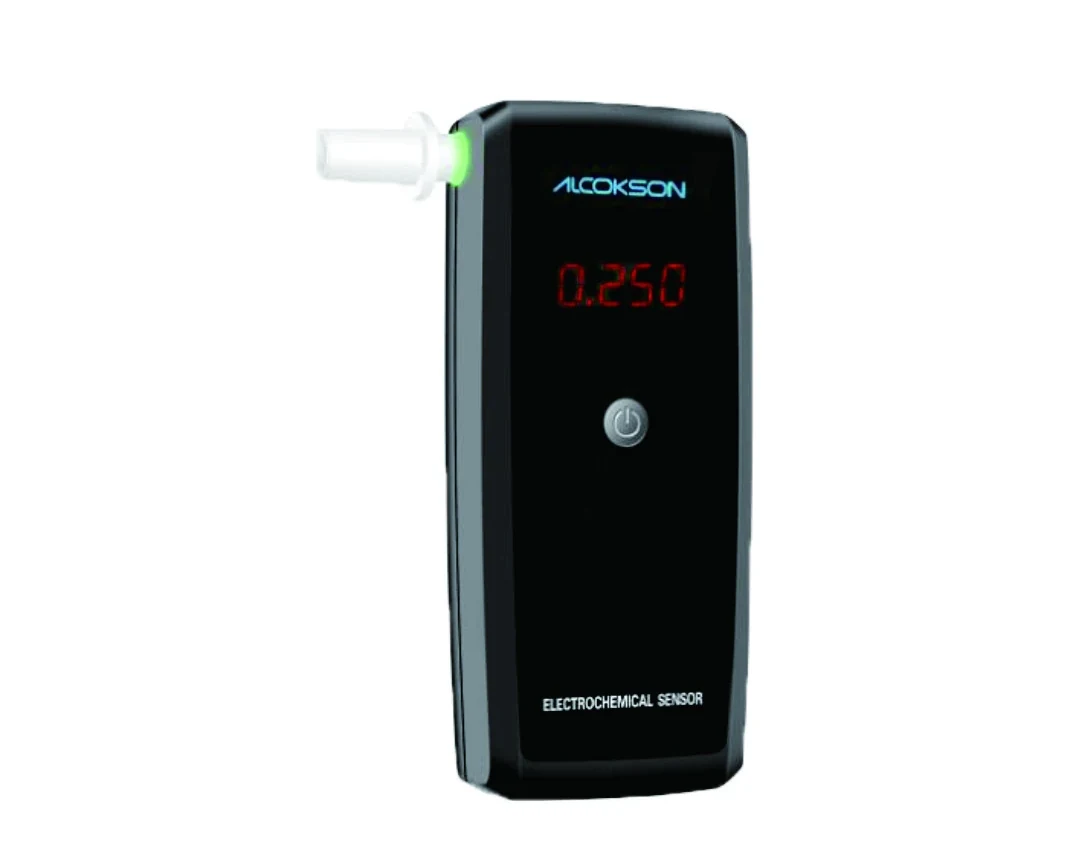
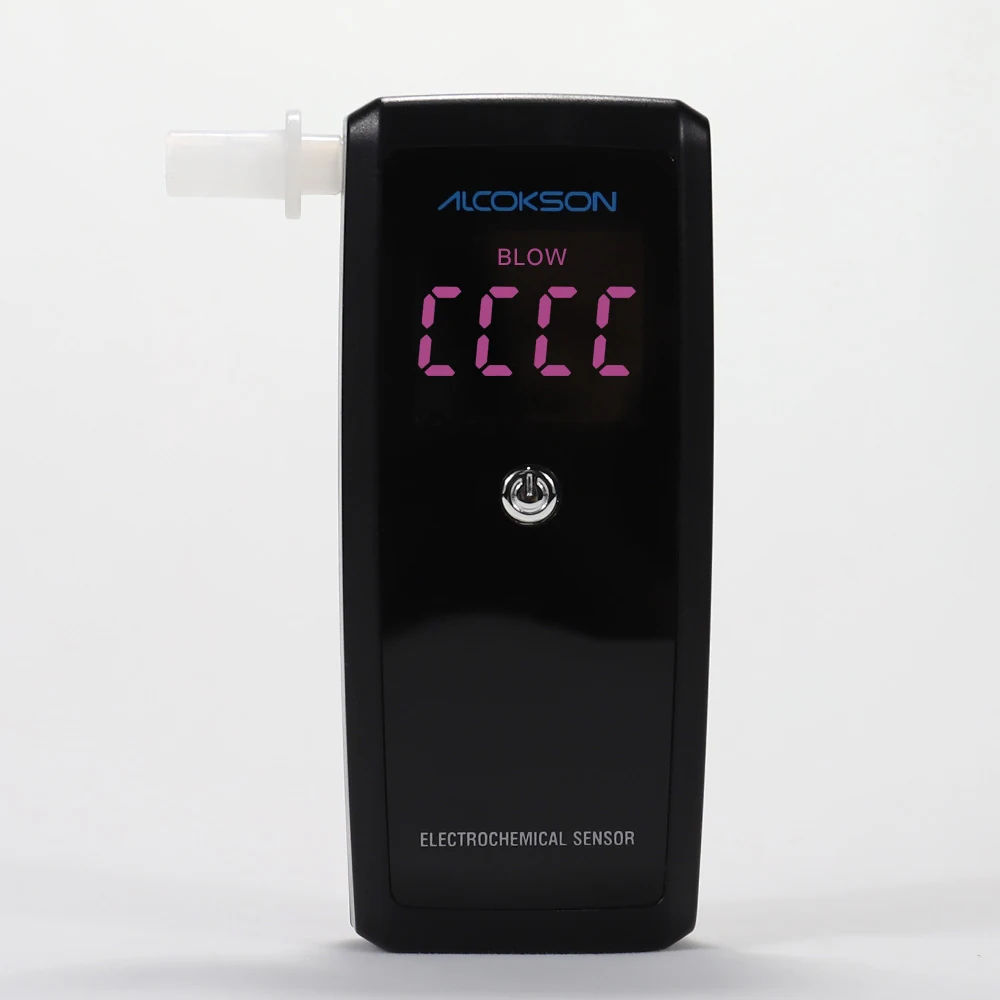
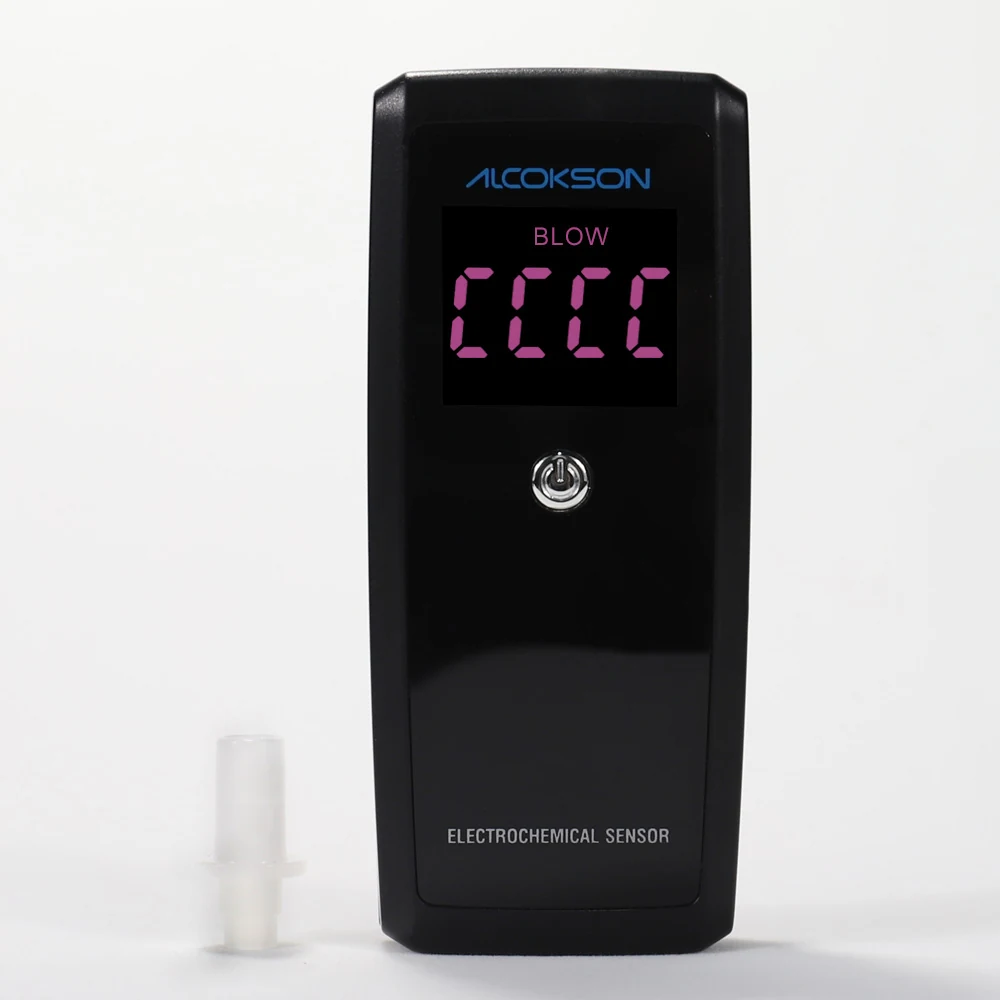
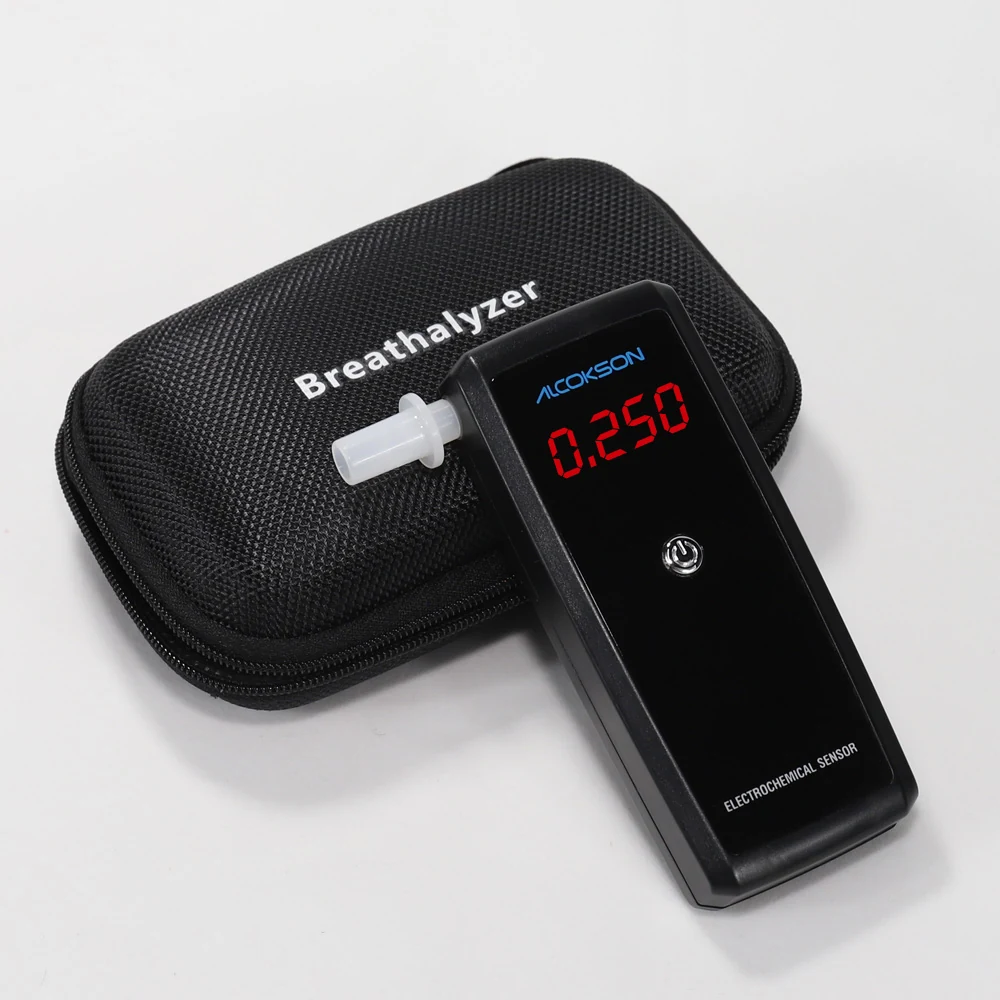
What the ALC-213 Is For
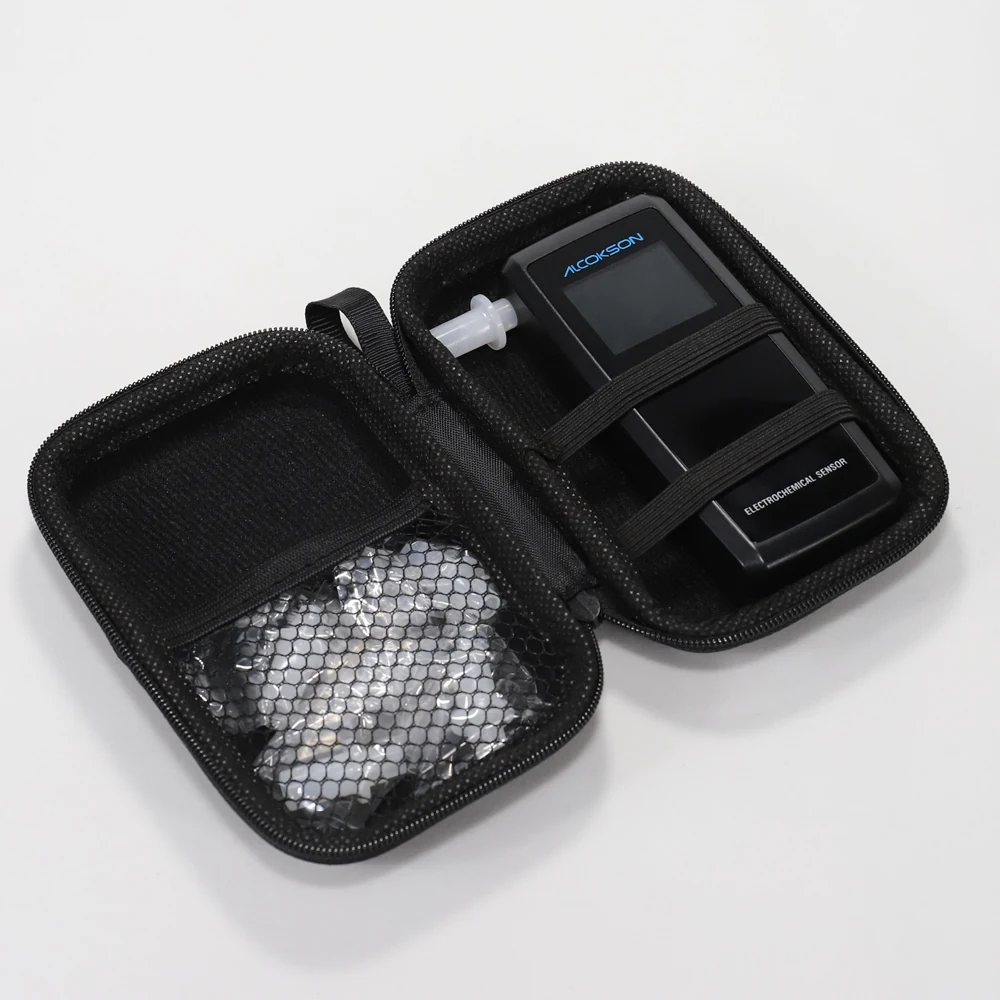
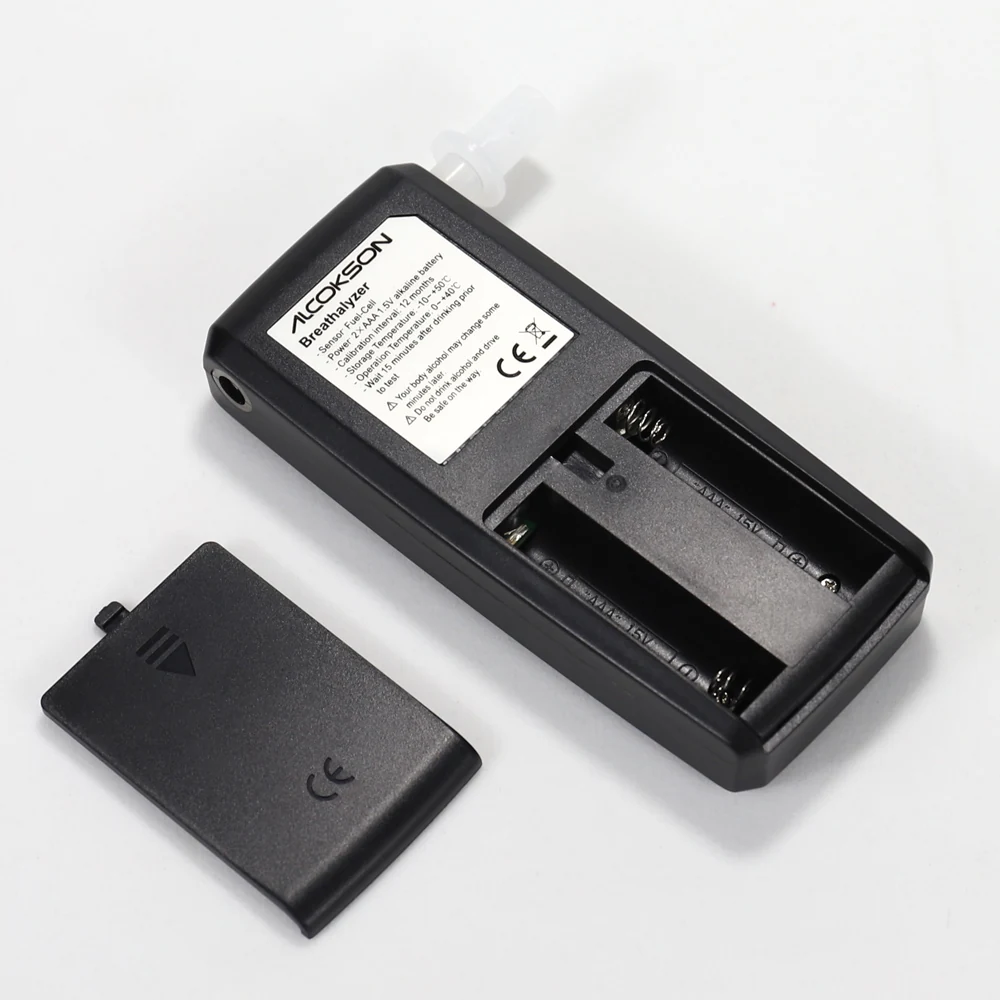
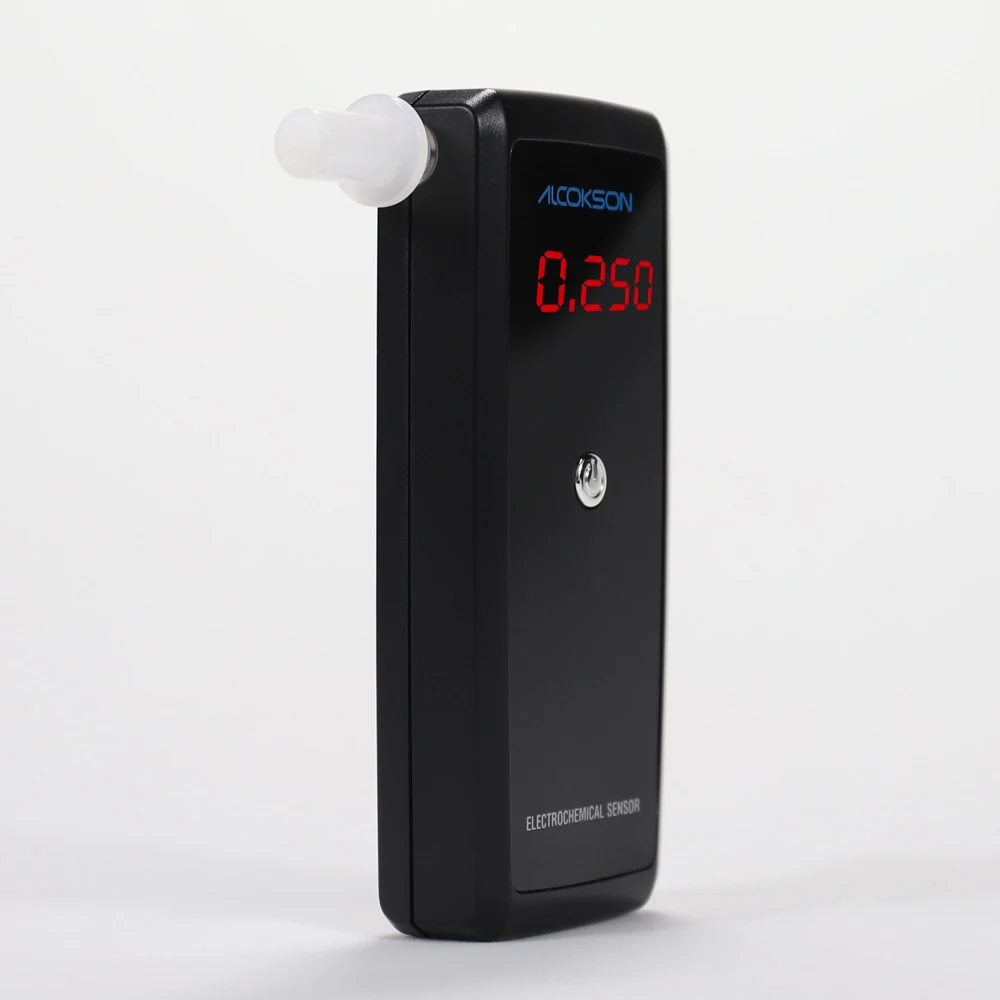
The ALC-213 is a handheld fuel cell breath alcohol tester designed for pre-shift screening at gates and checkpoints where rapid, accurate results are needed. It uses an electrochemical fuel cell sensor that responds specifically to ethanol, avoiding false positives from acetone, tobacco smoke, or fuel vapour. Testing requires a single button press: power on, wait for the 10 to 15 second warm up, blow for about 6 seconds at roughly 10 L/min, and read the result in extended accuracy format on the 4 digit LCD within 10 seconds. The device is calibrated to be accurate at 0.008% and 0.032% BAC, with accuracy not established above 0.032% BAC. This matters when writing a screening procedure that must be defensible in a dispute.
Why Buyers Pick This Model
- One button operation means no training is needed for gate guards or shift supervisors
- Fuel cell sensor responds to ethanol only, not to acetone, tobacco smoke, or fuel vapour
- Result appears in under 10 seconds, keeping shift queues moving
- Alarm point is set at the service centre to 0.02%, 0.05%, or 0.08% to match local limits
- Audible alert and LCD colour change flag a positive result without reading digits
- Recalibration every 500 tests or 12 months keeps readings traceable and defensible
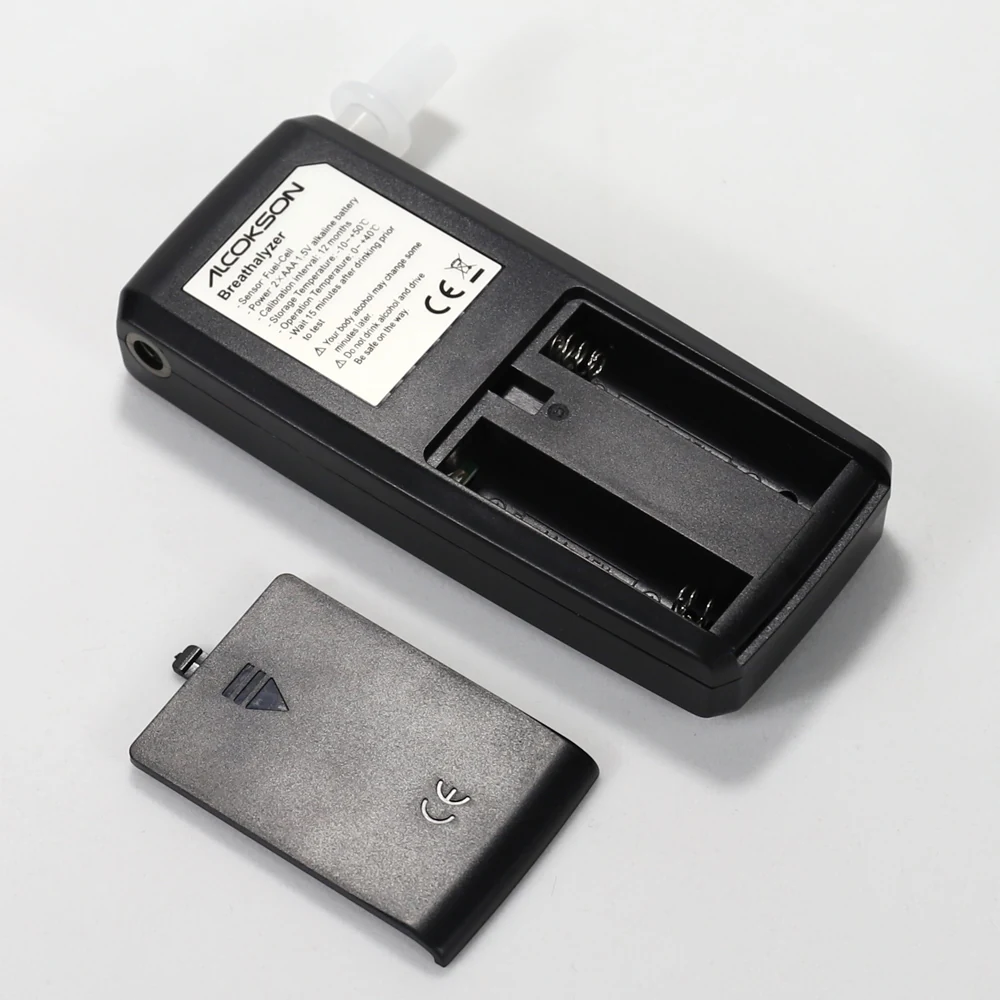
- Runs on two AAA batteries so no charging infrastructure is needed at remote sites
Application Scenarios
- Pre shift screening at mine gates, quarries, and construction site entrances
- Depot checks on truck and bus drivers before keys are issued
- Random workplace testing under an internal alcohol and drugs policy
- Roadside screening by traffic police and municipal road safety units
- Occupational health providers running contract testing across multiple client sites
- Marine and port operations where crew must be screened before boarding
Who It Is For
- Fleet and logistics operators who must document that a driver was screened before departure
- Mining and construction contractors enforcing a zero alcohol rule at site entry
- EHS managers writing a testing procedure that has to survive a union or legal challenge
- Distributors of safety and test instruments looking for a fuel cell unit at handheld price
- Law enforcement and road safety agencies running high volume roadside screening
Problems It Solves
- Semiconductor testers drift after a few hundred blows and cannot be recalibrated so results stop being defensible
- Consumer testers react to mouth alcohol solvents and fuel vapour which produces false positives at the gate
- Multi step menu driven instruments slow a shift start queue and get used incorrectly under pressure
- Instruments with no fixed recalibration interval leave an EHS manager unable to prove the device was in specification
- Fixed alarm thresholds do not match the legal limit in every market so a single model cannot be deployed globally
Technical Features
- Electrochemical fuel cell sensor selective to ethanol
- 4 digit LCD showing results in extended accuracy format
- Warm up in 10 to 15 seconds from power on
- Blow detection at approximately 10 L/min over about 6 seconds
- Cumulative test counter showing the number of tests performed
- HI indication when the reading is above the display range
- Rolling memory of the last 5 test records
- Repeat test possible in under 60 seconds
- Selectable alarm point of 0.02%, 0.05% or 0.08% set at the service centre
Published Specification
These are the figures published for this model. Nothing is carried across from another model in the range.
| Sensor | Electrochemical fuel cell sensor |
|---|---|
| Accuracy | +/-0.005% at 0.05% BAC |
| Established Range | 0.008% to 0.032% BAC |
| Display | 4 digit LCD, extended accuracy format |
| Warm Up Time | 10-15 seconds |
| Testing Time | 10 seconds |
| Blowing Time | About 6 seconds |
| Blowing Flow | About 10 L/min |
| Repeat Test Interval | Less than 60 seconds |
| Memory | Last 5 records |
| Alarm Points | 0.02%, 0.05% or 0.08%, set by service centre |
| Power | 2 x AAA 1.5V batteries |
| Recalibration | Every 500 tests or 1 year |
| Operating Temperature | 10-40 C |
| Storage Temperature | 0-50 C |
| Included | 5 mouthpieces |
Materials Process and Quality Control
Materials
- Impact resistant moulded plastic housing sized for one hand operation
- Replaceable hygienic mouthpieces supplied 5 per unit
Manufacturing Process
- Fuel cell sensor conditioning and burn in
- PCB assembly and firmware loading
- Gas calibration against a certified ethanol standard
- Alarm point configuration to the destination market limit
- Functional blow test on every unit before packing
Quality Control
- Every unit is gas calibrated before it leaves the line
- Alarm threshold is verified after it is set at the service centre
- Blow flow and warm up timing are checked on the finished unit
- Recalibration interval of 500 tests or 12 months is documented in the user guide
Customisation Options
- Alarm point preset to 0.02%, 0.05%, or 0.08% before shipment
- Display unit configuration for the destination market
- Buyer branding on housing and retail packaging subject to order confirmation
- Mouthpiece quantity per carton adjusted to fleet consumption
How It Compares With the Alternatives
| Semiconductor breath testers | The fuel cell sensor is selective to ethanol and can be recalibrated, where a semiconductor element drifts and reacts to solvents and smoke |
|---|---|
| ALC-213Pro | Same sensor platform and specification set, so the Pro is the alternative housing and finish if you want a different form factor for the same test |
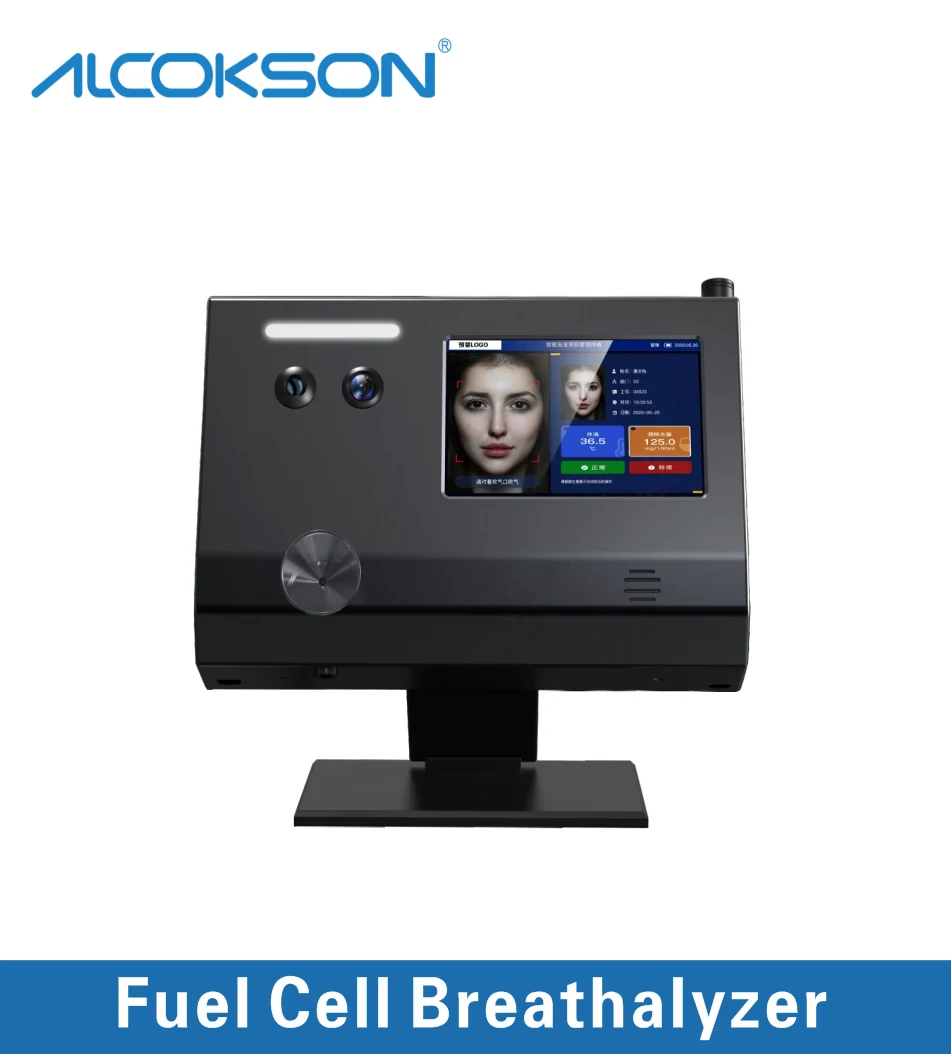
| ALC-605 screening terminal | The ALC-213 is portable and battery powered for roadside and gate use, while the ALC-605 is a fixed mains powered terminal that also gates access and reads temperature |
| ALC-303 alcohol interlock | The ALC-213 screens a person, the ALC-303 physically prevents the engine from starting, so an interlock is the choice when nobody is present to supervise |
Use Guide
- Wait at least 15 minutes after the subject has eaten, drunk, or smoked before testing
- Power on and allow the 10 to 15 second warm up to complete before handing the unit over
- Fit a fresh mouthpiece for every subject
- Ask the subject to blow steadily for about 6 seconds until the unit signals
- Read the result on the 4 digit LCD and note the test counter value for your record
- Wait under 60 seconds before running a repeat or confirmation test
- Send the unit for recalibration at 500 tests or 12 months whichever comes first
Other Models to Compare
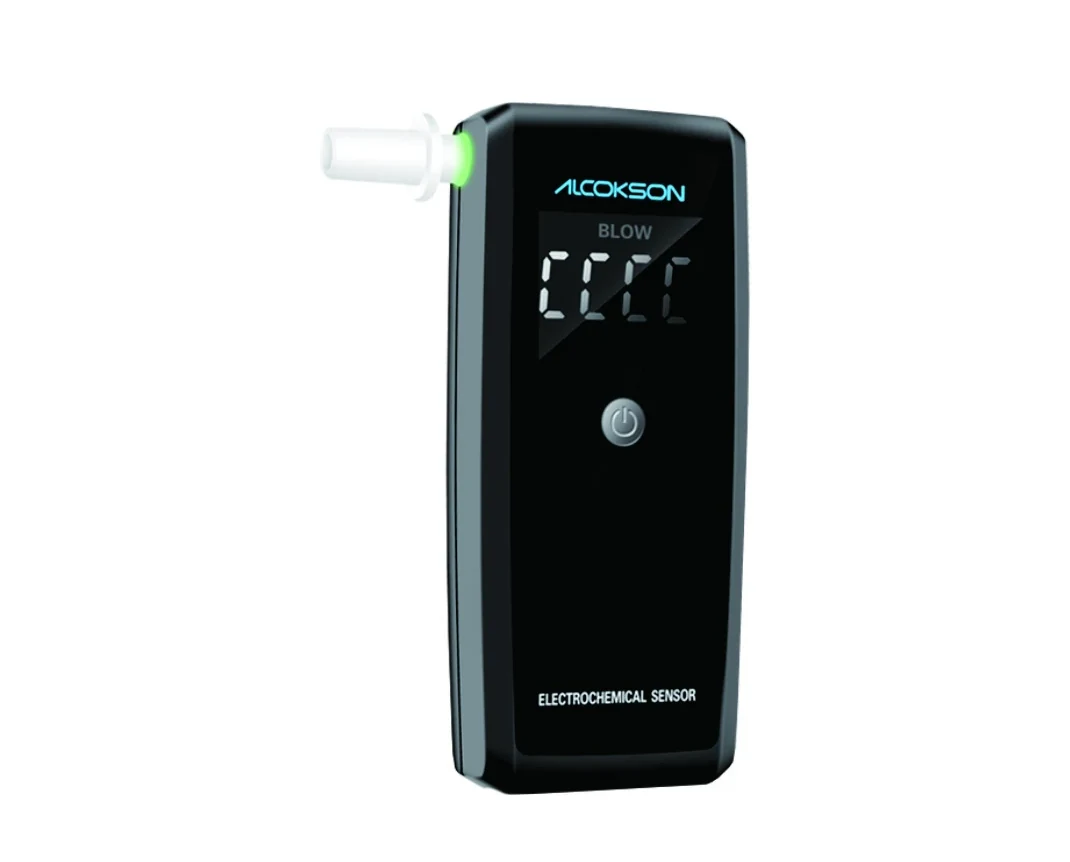
Breath Alcohol Tester ALC-213Pro
The ALC-213Pro is a handheld fuel cell breath alcohol tester with the same electrochemical sensor and performance spec...
View specification →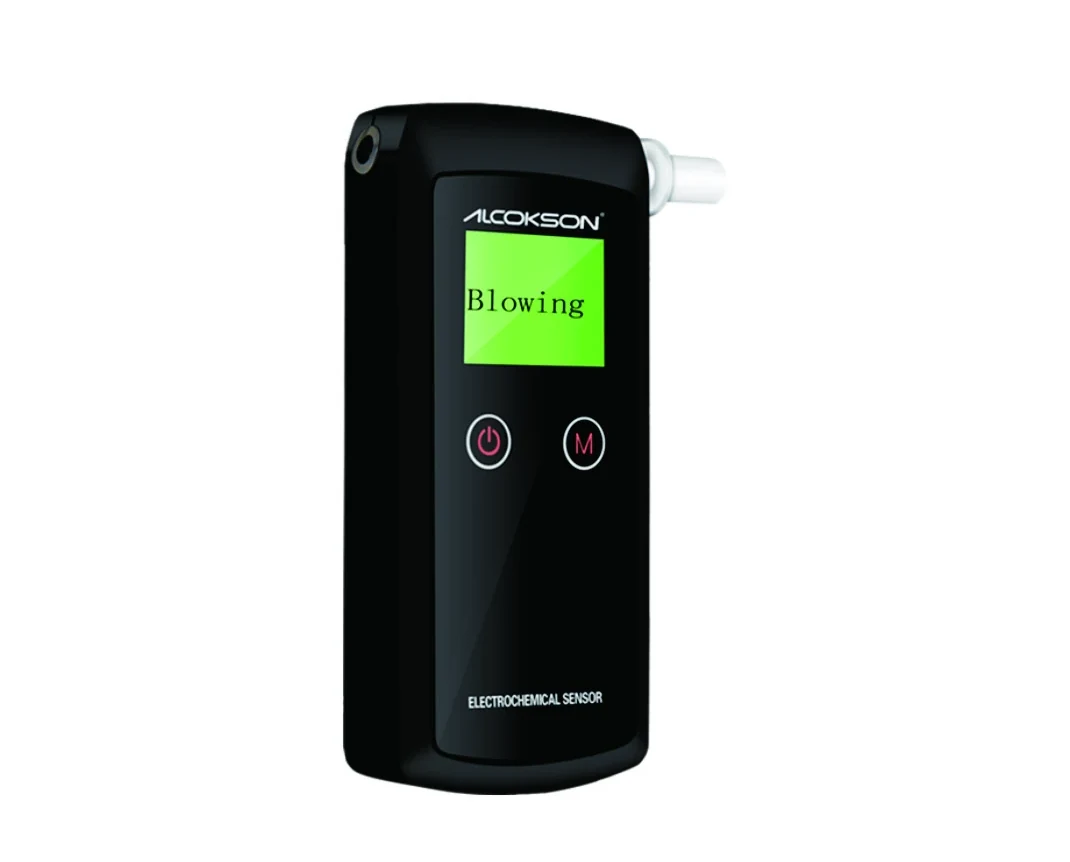
Breath Alcohol Tester ALC-215
The ALC-215 is a handheld fuel cell breath alcohol tester designed for traffic police, road safety agencies, and check...
View specification →
Breath Alcohol Tester with Body Temperature ALC-605
The ALC-605 is a wall mounted alcohol screening terminal with integrated fuel cell breath alcohol detection, facial re...
View specification →Background Reading Before You Specify
Questions About the ALC-213
Why does a fuel cell sensor matter if a semiconductor tester is cheaper?
How often does the ALC-213 need recalibration?
Can the alarm point be set to our national limit?
How fast can one operator screen a shift queue?
What happens if a reading is above the display range?
Does it store results for reporting?
What is the minimum order quantity and lead time?
Quote the Breath Alcohol Tester ALC-213
Send the quantity, the destination market and the alarm point you need. Configuration is set before shipment, so it is worth agreeing at order time.