
Mining and Construction Sites
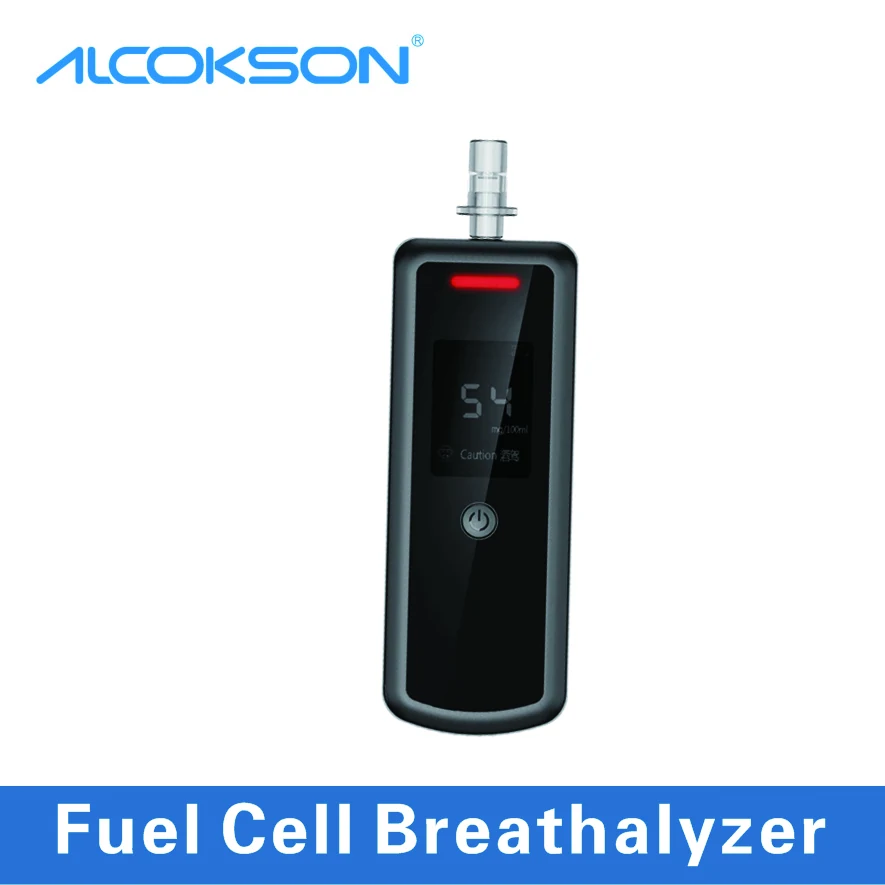
Handheld and vehicle alcohol interlocks with fuel cell sensors, operating from -20 C to +65 C, 500 test or 12 month recalibration, and selectable alarm points for mining and construction sites.
What Makes This Setting Different
Mining and construction sites require a reliable, fast breath alcohol test at the entry point, where hundreds of workers arrive within one hour. The test must be accurate, defensible, and work in extreme temperatures and dusty conditions. Fuel cell sensors are essential because they respond only to ethanol, not to solvents, fuel vapour or acetone, which are common on site. The ALCOKSON handheld range and vehicle interlocks are designed for this environment.
Pain points we hear
- A slow or unreliable test delays shift starts and disrupts operations
- Semiconductor sensors drift and produce false positives from site contaminants
- No record of who was tested and when makes compliance impossible
- A device that fails in cold or dusty conditions cannot be trusted at site entry
- Contractors cannot prove every operator was screened without a system that logs results
What Buyers Need
- A test that completes in under 10 seconds per worker, even during peak arrival
- Hardware that operates reliably from -20 C to +65 C, including at -40 C for cold sites
- A system that records the test result, time, and operator ID for audit purposes
- A device that does not require frequent recalibration or maintenance
- A solution that works with both haul trucks and plant equipment, regardless of voltage
Typical Scenarios
- Site gate at 05:30 with a full shift arriving inside the hour, including night shift crews
- Remote mine site in winter with temperatures dropping to -40 C and no heated building
- Contractor entry point where the principal requires proof that every operator was tested
- Plant yard where rotating crews operate multiple machines and shift changes are frequent
- Entry gate where dust and moisture are constant and the device must survive daily exposure
How the Programme Runs
Set the alarm threshold
Problem A site policy may require different legal thresholds depending on the country or contract
How we solve it The alarm point is set at the service centre to 0.02%, 0.05%, or 0.08% before shipment, based on the destination market
Install the interlock
Problem A vehicle interlock must work with both 9V and 36V systems across different equipment types
How we solve it The ALC-303 and ALC-308 interlocks support 9V or 36V DC, so the same unit fits trucks and plant vehicles
Deploy the handheld
Problem A handheld must be usable in cold, dusty, and high-traffic environments without failure
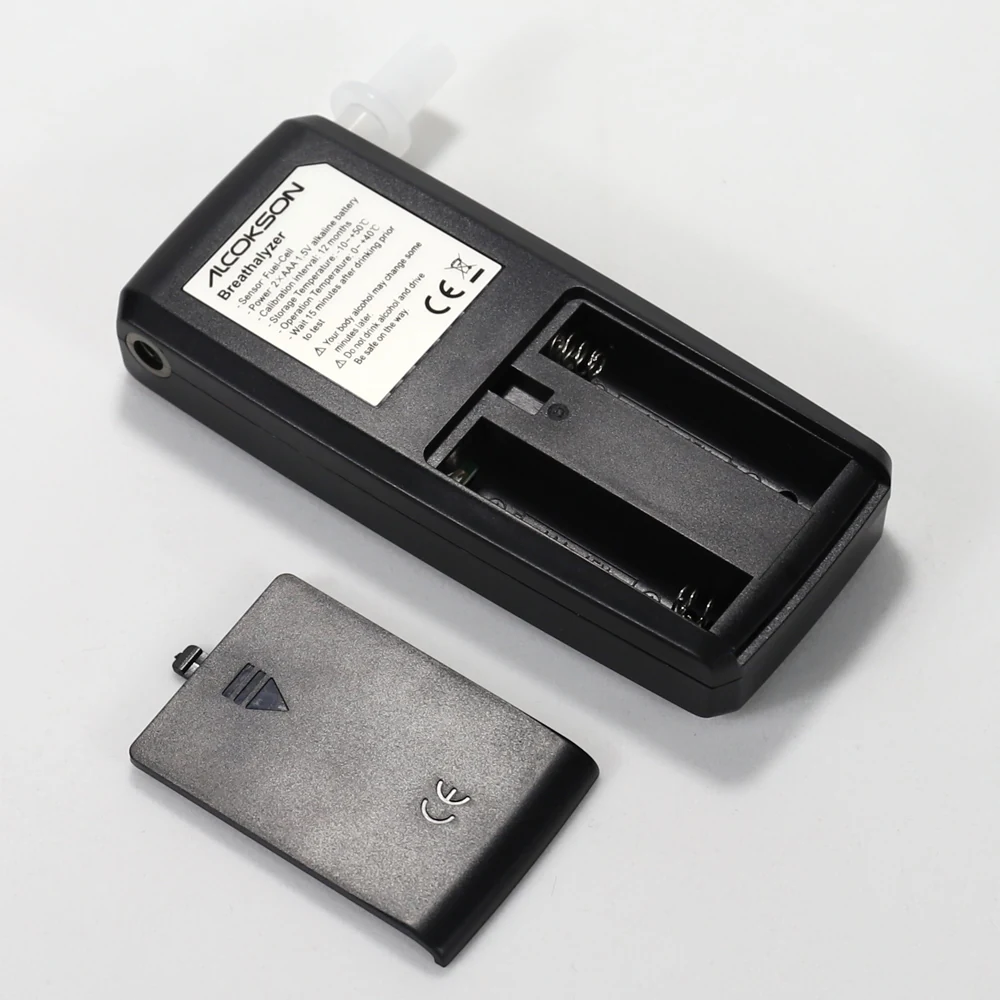
How we solve it The ALC-213, ALC-213Pro, and ALC-215 are powered by two AAA cells and operate from -20 C to +65 C
What You Get When You Order
- All units are configured for the destination market before shipping
- Calibration interval is set to 500 tests or 12 months, whichever comes first
- Handset and control box are linked via UART, with RS-485 and RS-232 for external data logging
Models That Fit This Setting
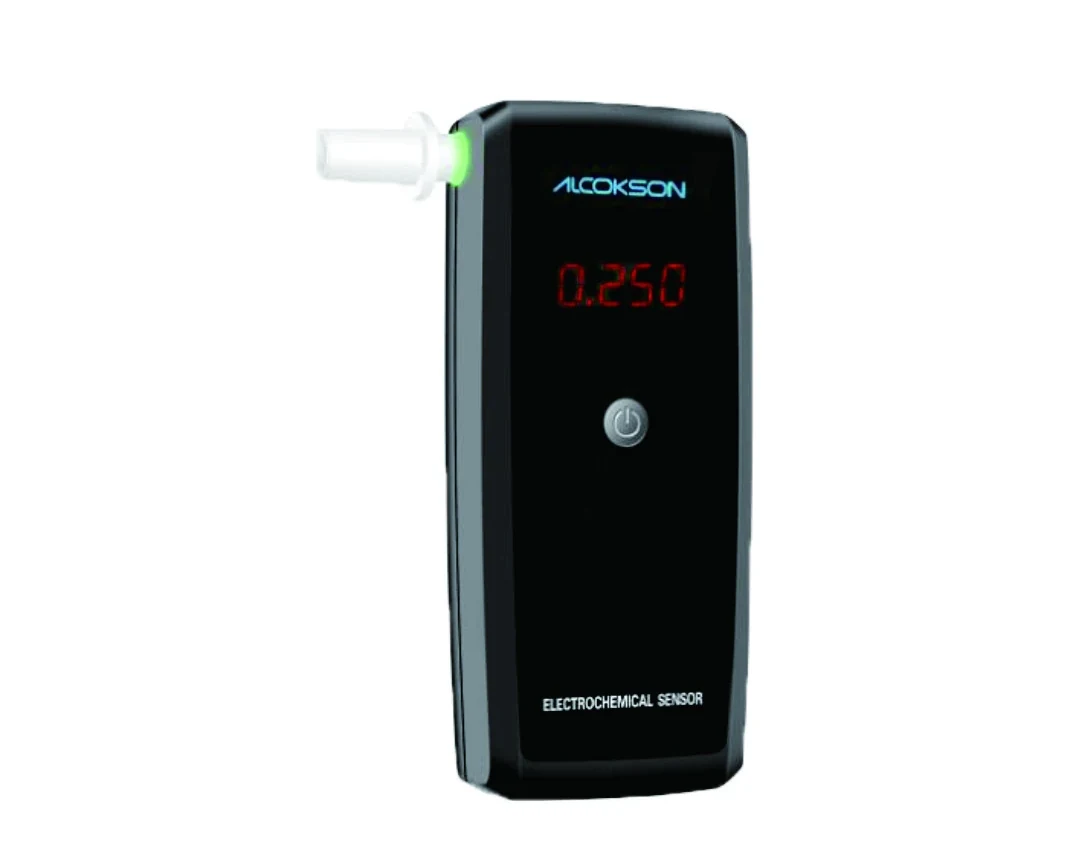
Breath Alcohol Tester ALC-213
The ALC-213 is a handheld fuel cell breath alcohol tester designed for pre-shift screening at gates and checkpoints wh...
View specification →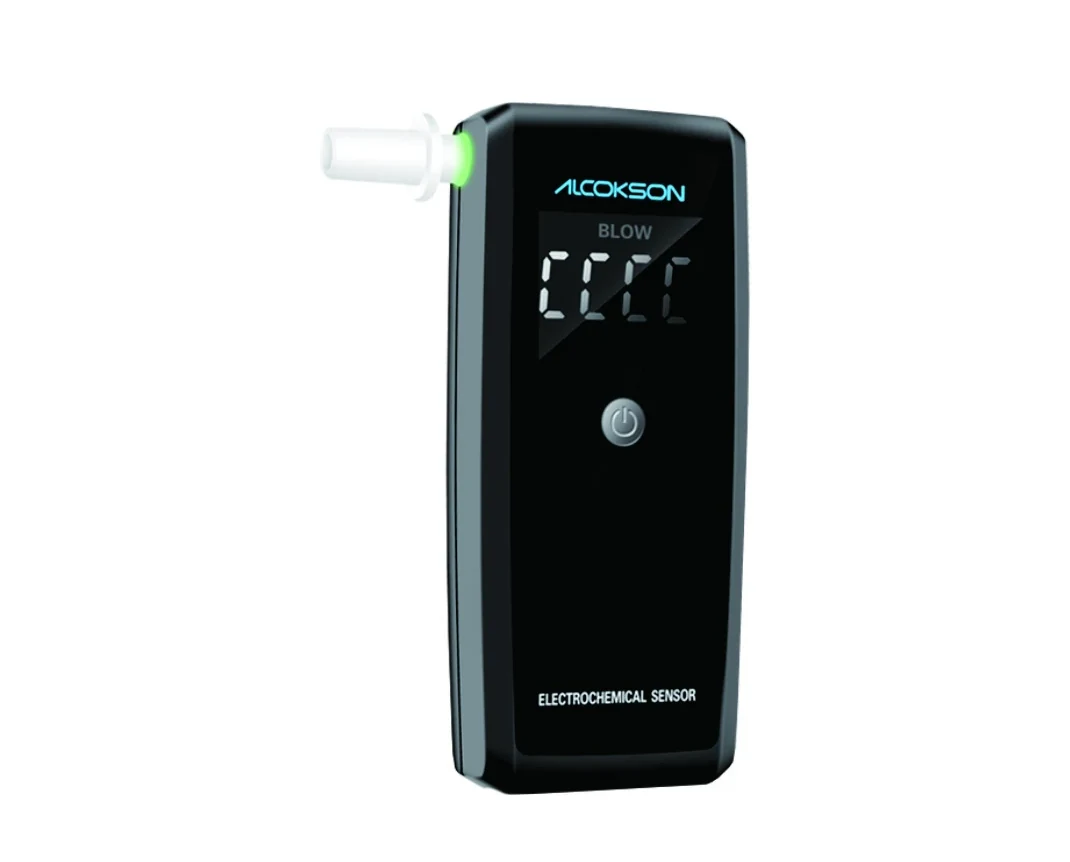
Breath Alcohol Tester ALC-213Pro
The ALC-213Pro is a handheld fuel cell breath alcohol tester with the same electrochemical sensor and performance spec...
View specification →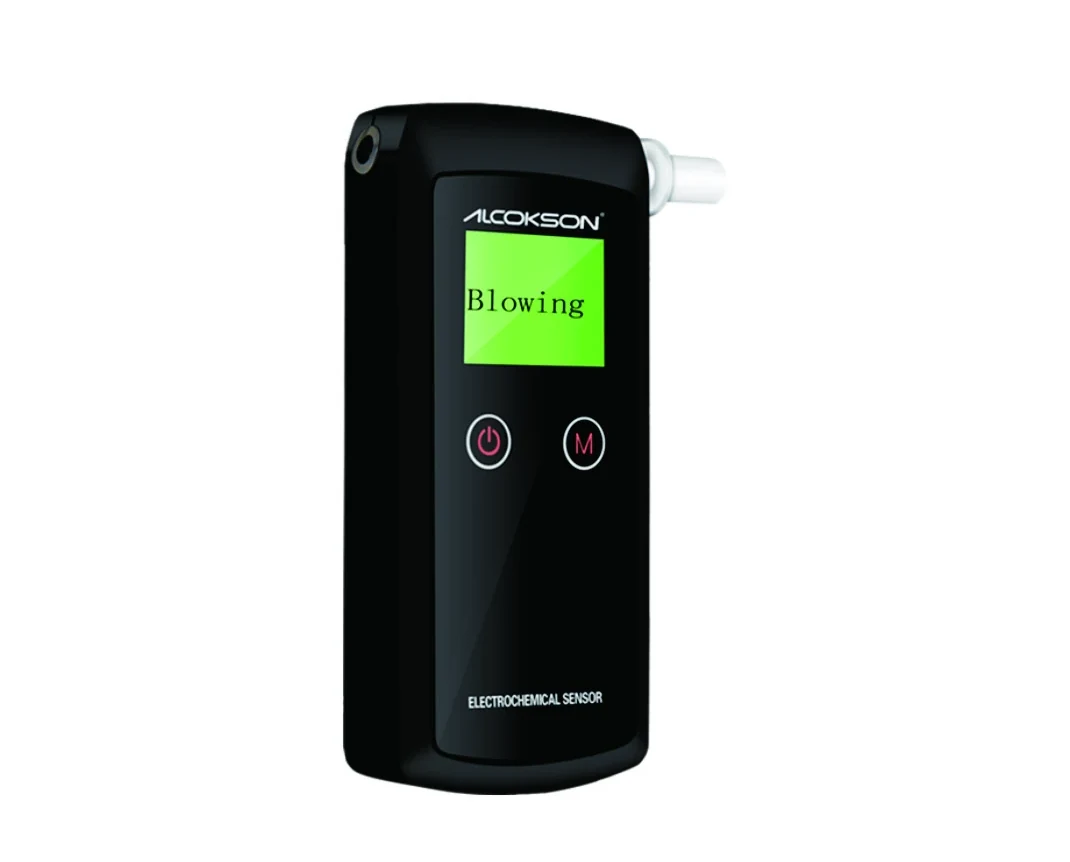
Breath Alcohol Tester ALC-215
The ALC-215 is a handheld fuel cell breath alcohol tester designed for traffic police, road safety agencies, and check...
View specification →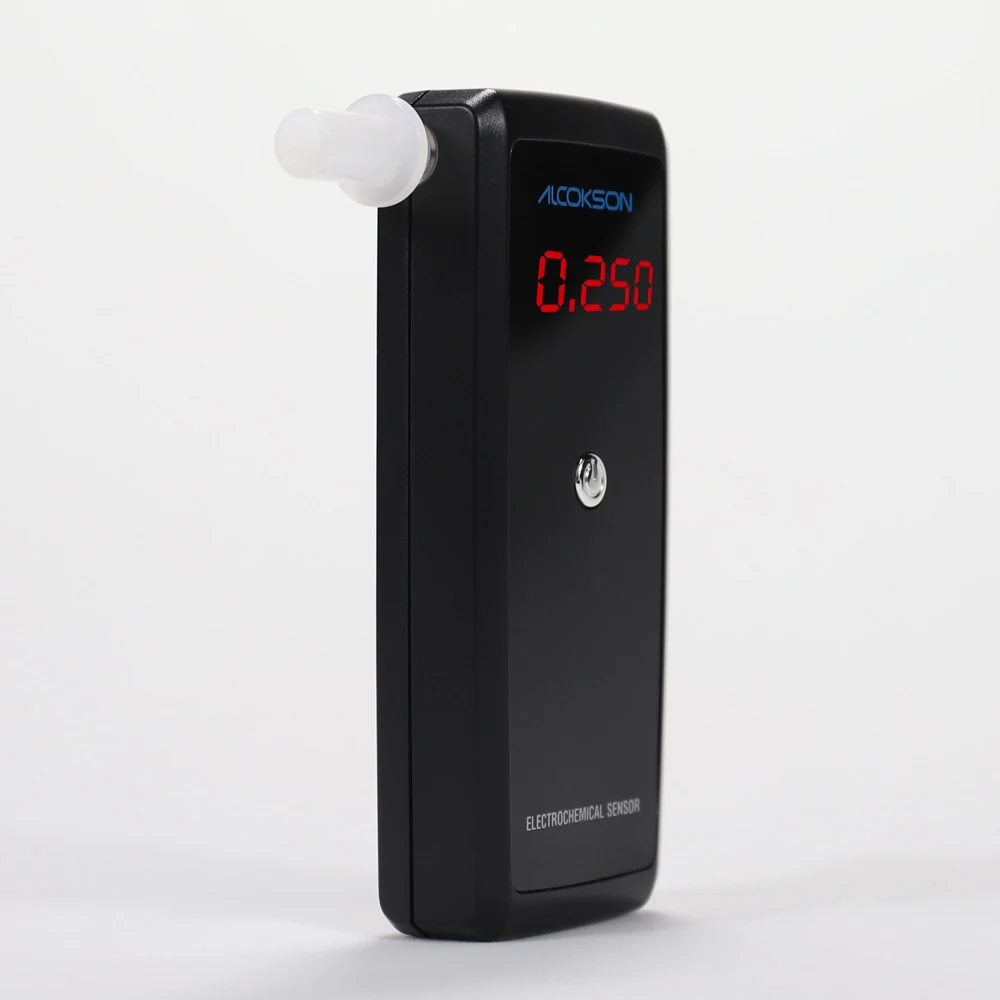
Questions Buyers Ask Before Ordering
Which handheld model is best for a busy site gate?
How long does the interlock take to be ready in cold weather?
Can the alarm point be changed after delivery?
What is included with each unit?
Do the interlocks work with both trucks and plant vehicles?
What is the recalibration interval?
How are results recorded?
Put a screening programme in place for mining and construction sites
Send the number of gates or vehicles, the shift pattern and the market you operate in. We will name the models and the configuration and put the figures in writing.