
Law Enforcement and Road Safety
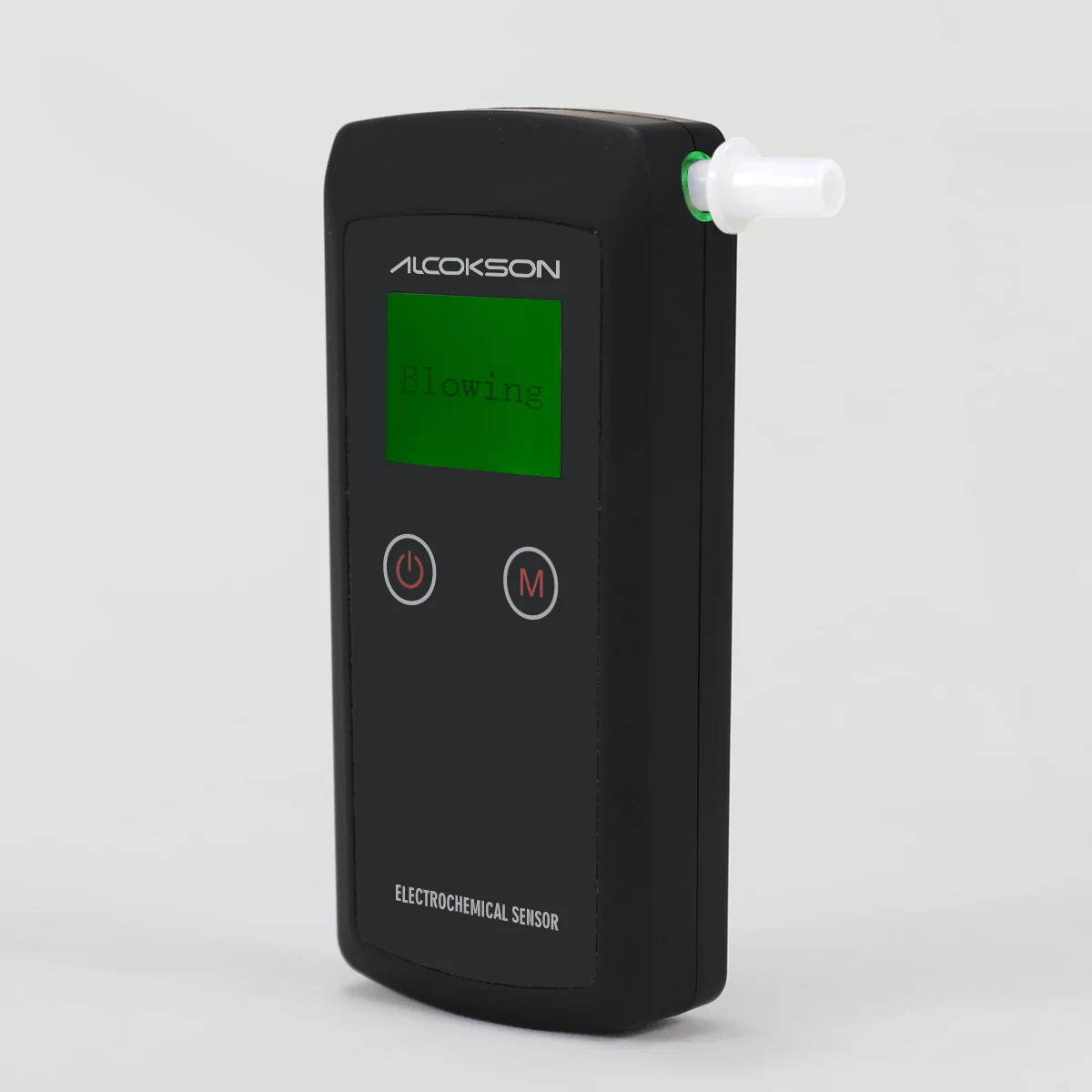
ALCOKSON handheld fuel cell testers with +/-0.005% accuracy at 0.05% BAC, results in under 10 seconds, and selectable 0.02 0.05 or 0.08 percent alarm point for roadside screening.
What Makes This Setting Different
A handheld fuel cell tester is the right tool when a person is standing at a roadside checkpoint and the decision to proceed must be made in seconds. The fuel cell sensor responds to ethanol rather than to acetone, tobacco smoke or fuel vapour, and the published specification allows the result to be defended in a dispute. The device operates in open air at night, one handed, often while holding a torch, and delivers a result under 10 seconds after a 6 second blow at 10 L/min.
Pain points we hear
- Roadside screening at night in open air requires a device that works with one hand and does not need a charging point
- A high throughput at a checkpoint means the device must allow repeat testing within 60 seconds
- A positive screen must trigger a defined procedure, not just an alarm
- The alarm point must match the national legal limit, which varies between 0.02, 0.05 and 0.08 percent BAC
- Accuracy claims above 0.032 percent BAC are not established, so results above that level cannot be relied on for decision making
What Buyers Need
- A device that operates reliably in temperatures from 10 to 40 degrees Celsius
- A clear visual and audible alarm above the alarm point that does not require reading the display
- A memory of the last five test results and a cumulative test counter for the record
- A selectable alarm point of 0.02%, 0.05% or 0.08% set before shipment
- A warm-up time of 10 to 15 seconds that fits into a fast screening process
Typical Scenarios
- Roadside checkpoint at night with a single officer managing traffic flow
- Random screening during a traffic enforcement campaign with no prior notice
- Mobile unit testing at a festival or event with high foot traffic
- Border crossing check with a high volume of vehicles arriving in a short time
- Pre-shift screening at a remote site where no staff are present during off hours
How the Programme Runs
Set the alarm point
Problem The national legal limit for BAC varies between jurisdictions and must be matched exactly
How we solve it The alarm point is set at the service centre before shipment to 0.02%, 0.05% or 0.08% based on the destination market
Deploy at the checkpoint
Problem A device must function in low light, one handed, and with no power source nearby
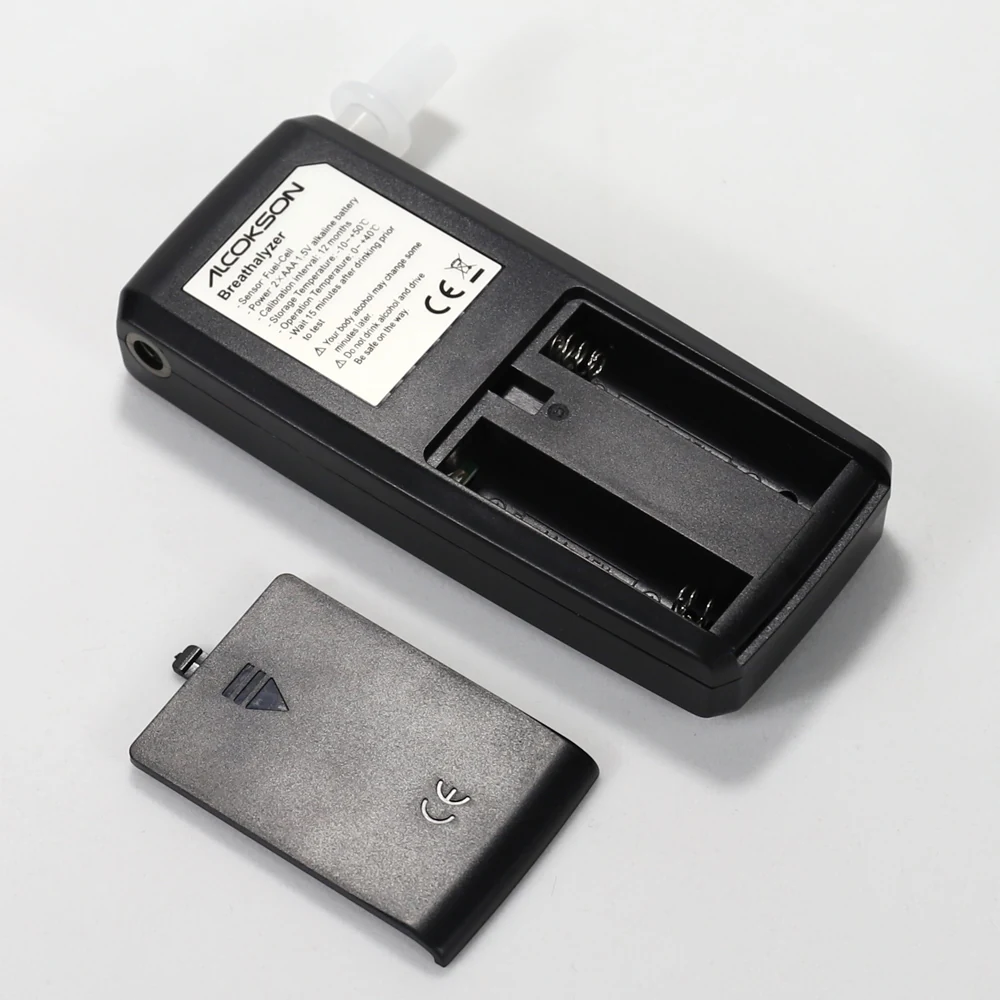
How we solve it Powered by two AAA cells, the unit requires no charging and operates in open air with no external power
What You Get When You Order
- Units are configured for the destination market before shipment
- Calibration interval and route are confirmed in writing at order time
- The alarm point is set before shipping and cannot be changed by the user
Models That Fit This Setting
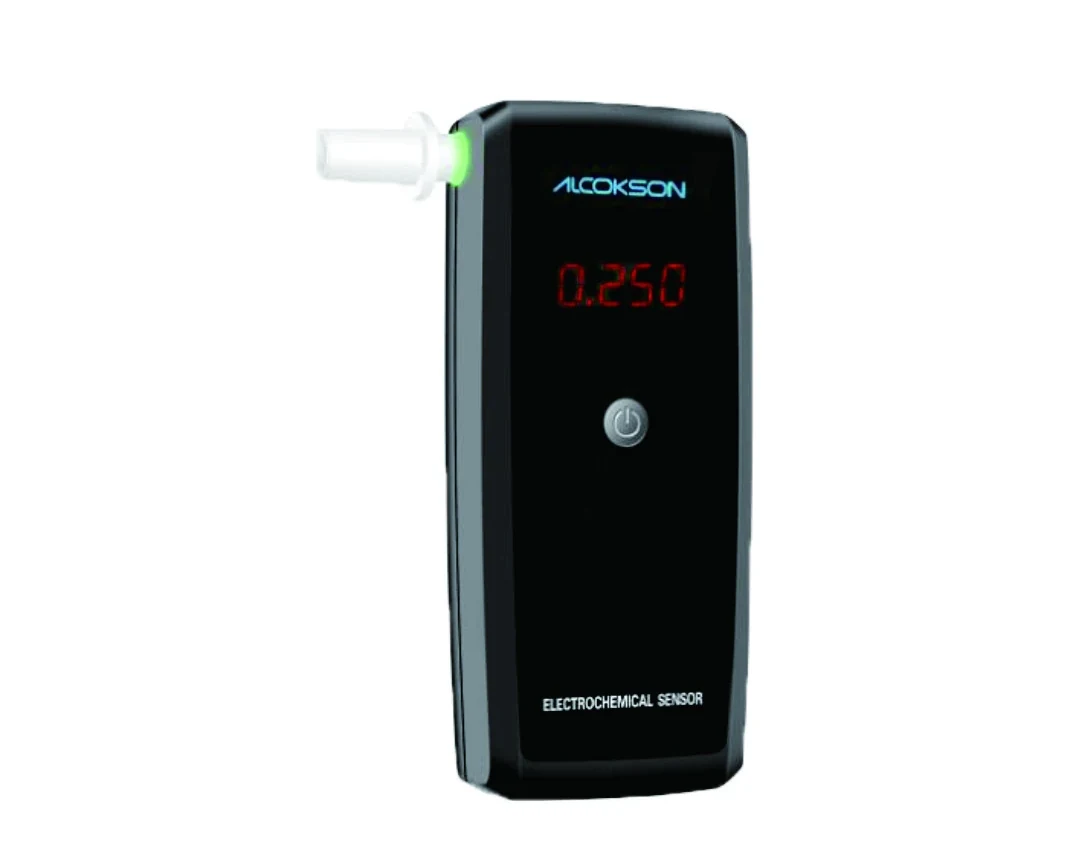
Breath Alcohol Tester ALC-213
The ALC-213 is a handheld fuel cell breath alcohol tester designed for pre-shift screening at gates and checkpoints wh...
View specification →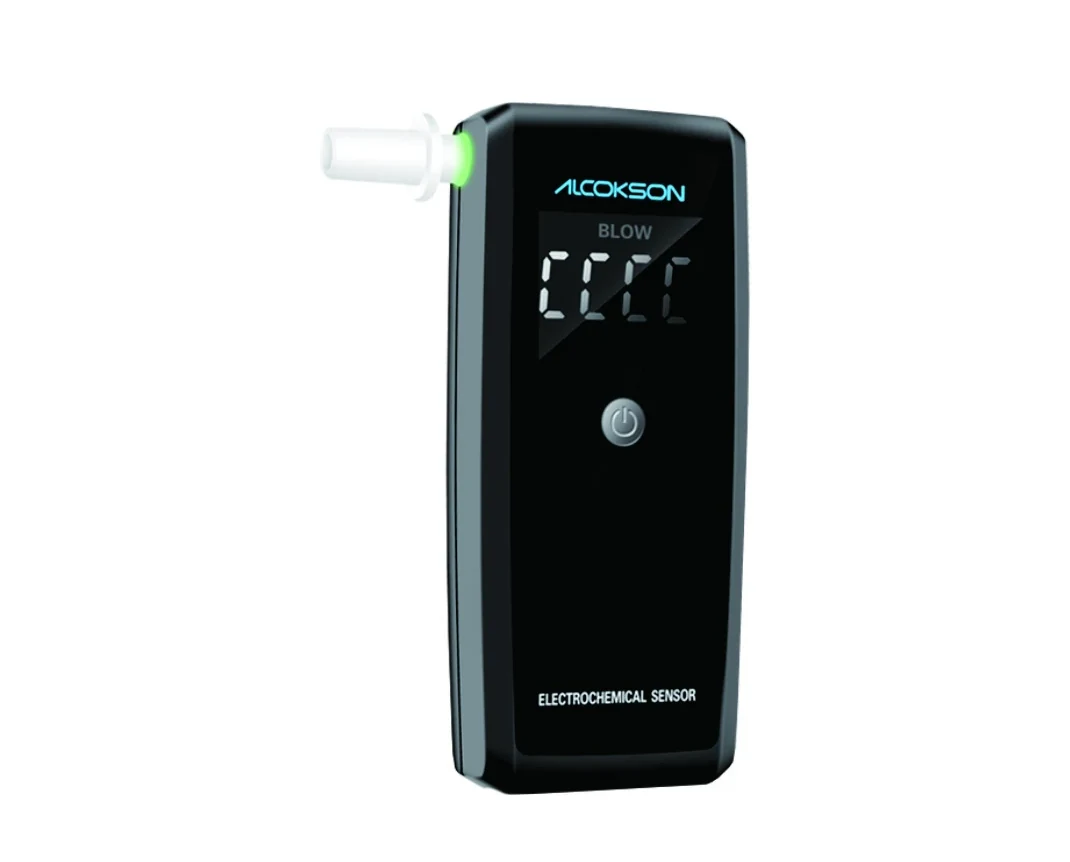
Breath Alcohol Tester ALC-213Pro
The ALC-213Pro is a handheld fuel cell breath alcohol tester with the same electrochemical sensor and performance spec...
View specification →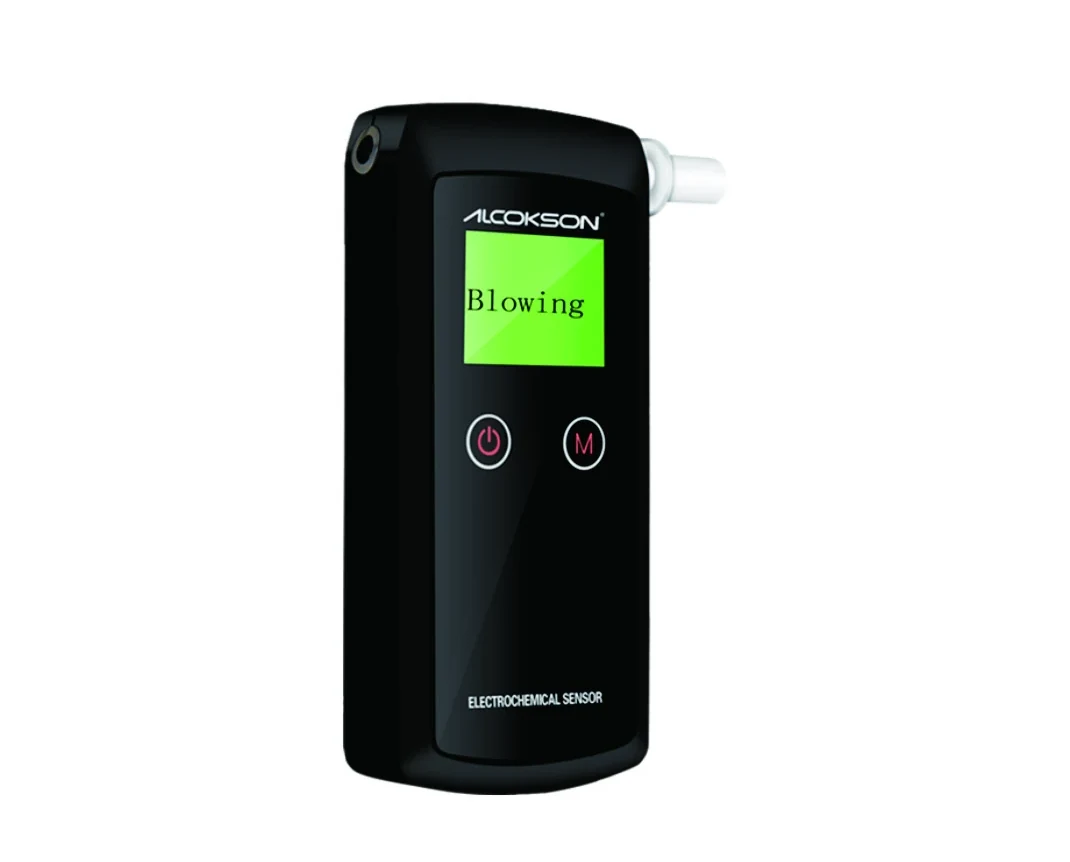
Breath Alcohol Tester ALC-215
The ALC-215 is a handheld fuel cell breath alcohol tester designed for traffic police, road safety agencies, and check...
View specification →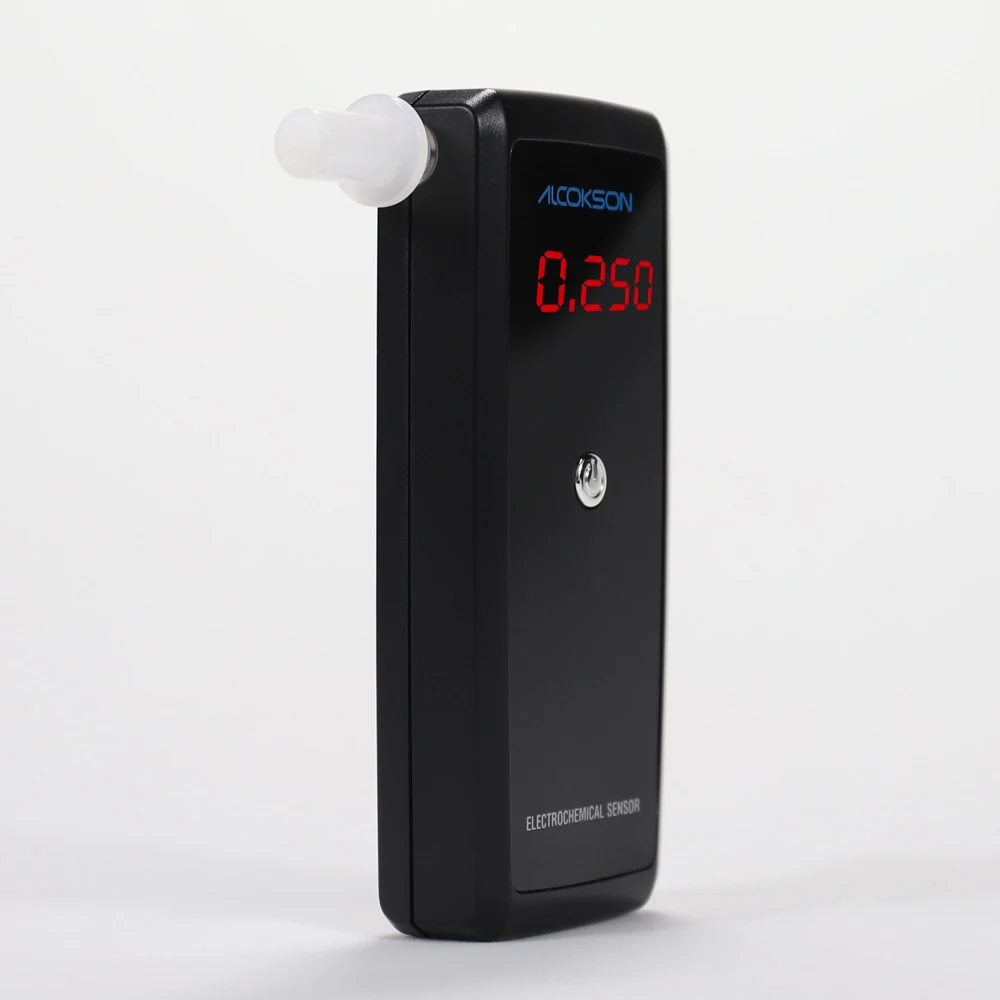
Questions Buyers Ask Before Ordering
Which model is best for roadside screening?
Can the alarm point be changed after delivery?
What is the accuracy at 0.05 percent BAC?
How many tests before recalibration?
What is included with each unit?
Do you supply to law enforcement agencies?
What is the lead time and minimum order?
Put a screening programme in place for law enforcement and road safety
Send the number of gates or vehicles, the shift pattern and the market you operate in. We will name the models and the configuration and put the figures in writing.