
How to Choose a Breath Alcohol Tester for Your Site
Selecting a breath alcohol tester: sensor type, accuracy at 0.05% BAC, recalibration every 500 tests or 1 year, and alarm point options.
Why the Sensor Type Matters in Every Test
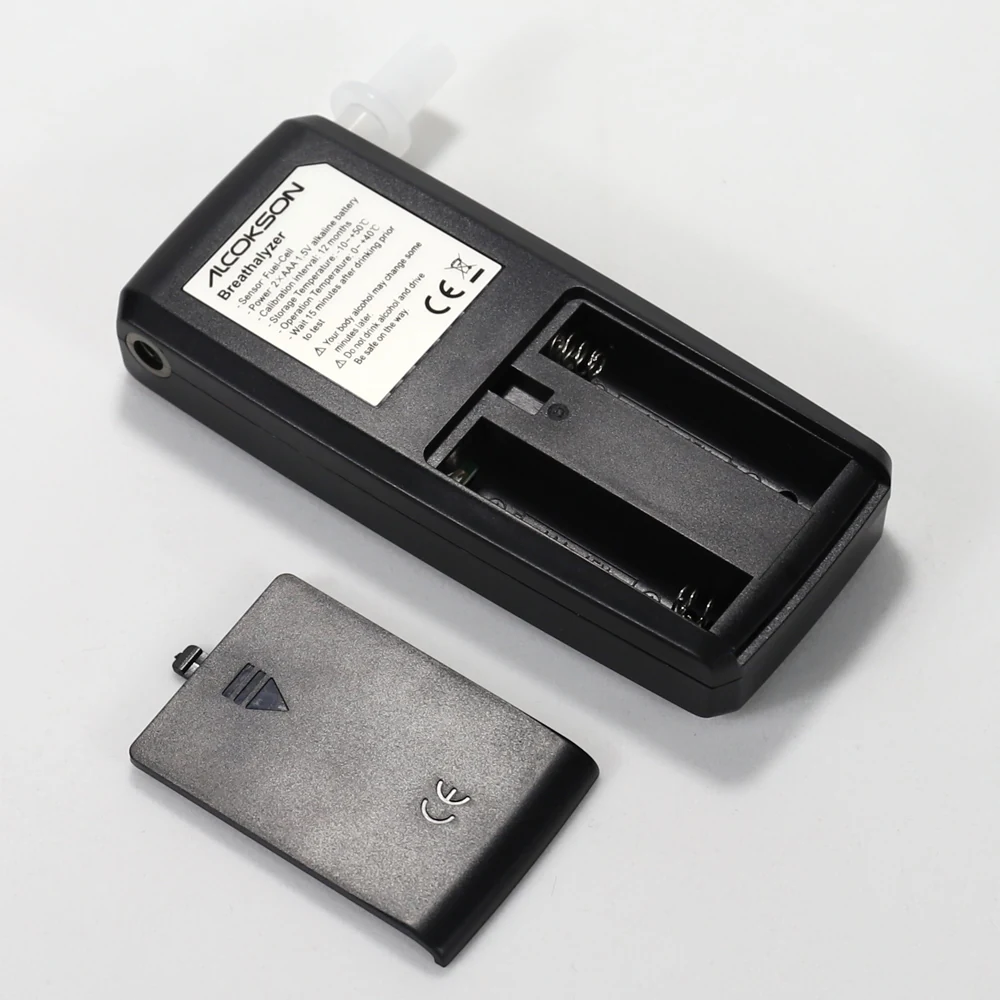
Only a fuel cell sensor responds specifically to ethanol. Semiconductor sensors react to solvents, smoke and acetone, which causes false positives. A fuel cell produces a current proportional to ethanol concentration, making the result defensible in a dispute. All ALCOKSON handhelds, terminals and interlocks use fuel cell sensors, not semiconductor ones.
What Accuracy Means at Different BAC Levels
The published accuracy is +/-0.005 percent at 0.05 percent BAC. It is established at 0.008 percent and 0.032 percent BAC. No accuracy is published above 0.032 percent BAC. This means the device is calibrated and verified within a specific range, not across the full scale.
Read the Breath Alcohol Tester ALC-215 specification →
How Fast the Device Delivers Results
Warm up takes 10 to 15 seconds. Blowing time is about 6 seconds at 10 L/min. The result appears in under 10 seconds. A repeat test can be performed in under 60 seconds. This allows high throughput at gate checks or shift starts.
Read the Breath Alcohol Tester ALC-213 specification →
What to Track in the Field
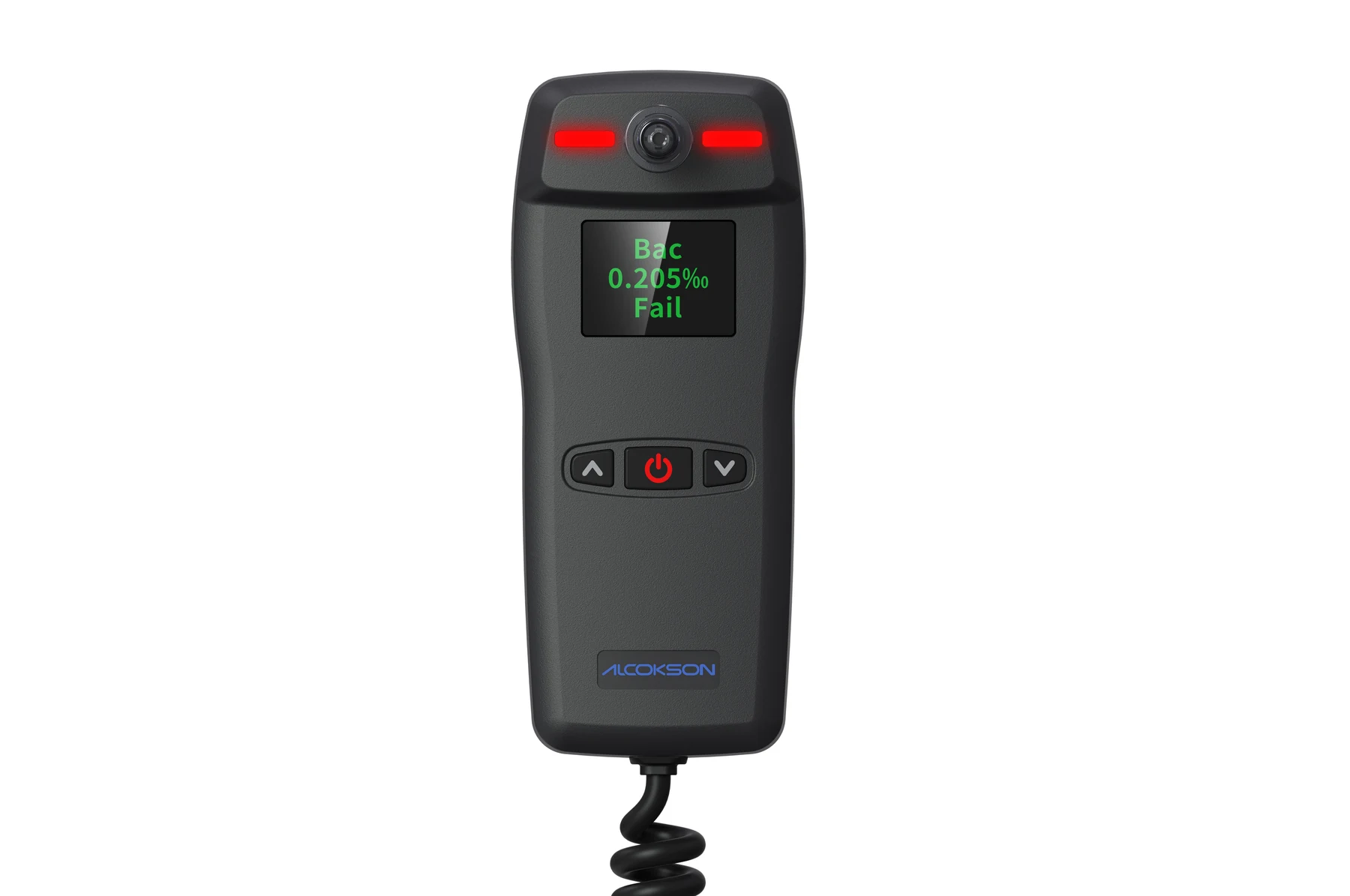
Each device has a test counter and memory for the last 5 records. The display shows HI when above the upper range. Audible alerts and LCD colour change indicate alarm threshold exceedance. These features help verify test integrity during operations.
How to Plan for Recalibration
Recalibration is required every 500 tests or one year, whichever comes first, for handhelds. For interlocks, it is every 12 months. The alarm point is set at the service centre and cannot be changed in the field. Plan service around the test count, not just the calendar.
Read the Alcohol Interlock ALC-303 specification →
What to Ask a Supplier for in Writing
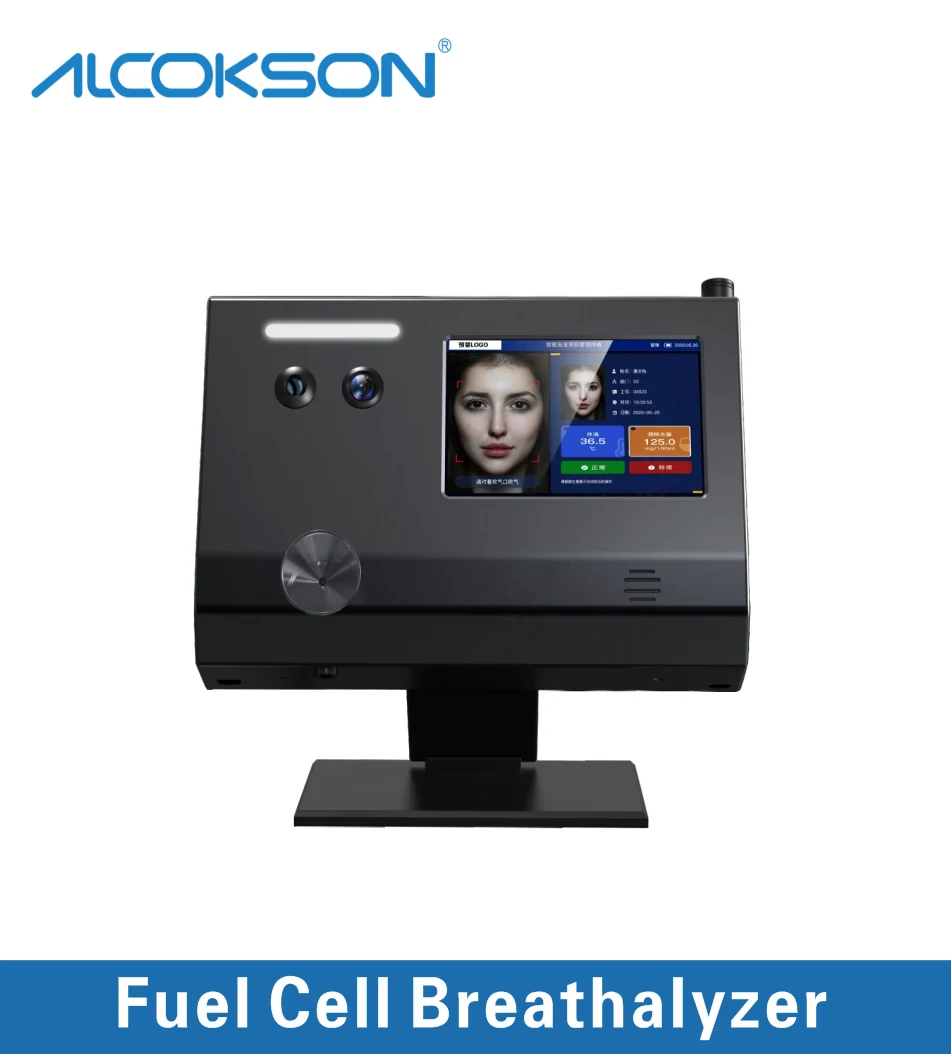
Specify the sensor type, accuracy at a defined BAC level, recalibration interval in tests and months, alarm point options, and whether the device supports body temperature or facial recognition. For ALCOKSON, this includes fuel cell sensor, +/-0.005% at 0.05% BAC, 500 tests or 1 year, and selectable 0.02%, 0.05%, or 0.08% alarm points.
Instruments the Guide Refers To
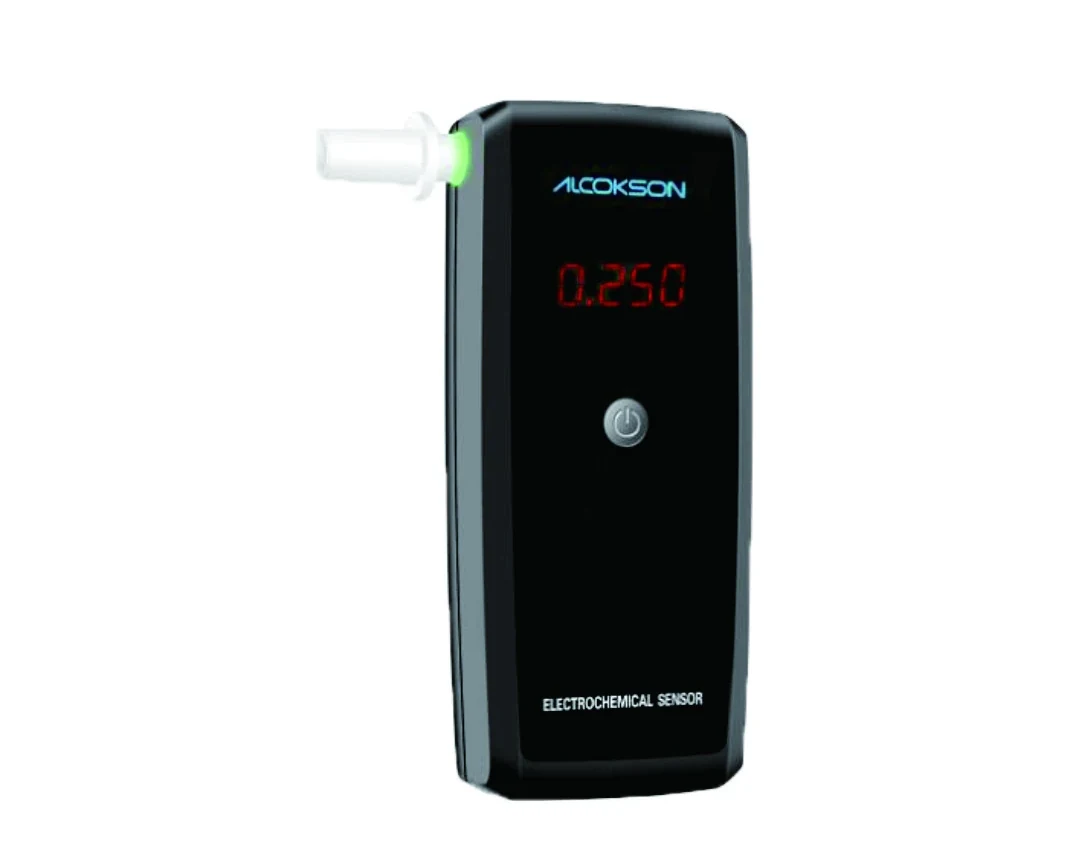
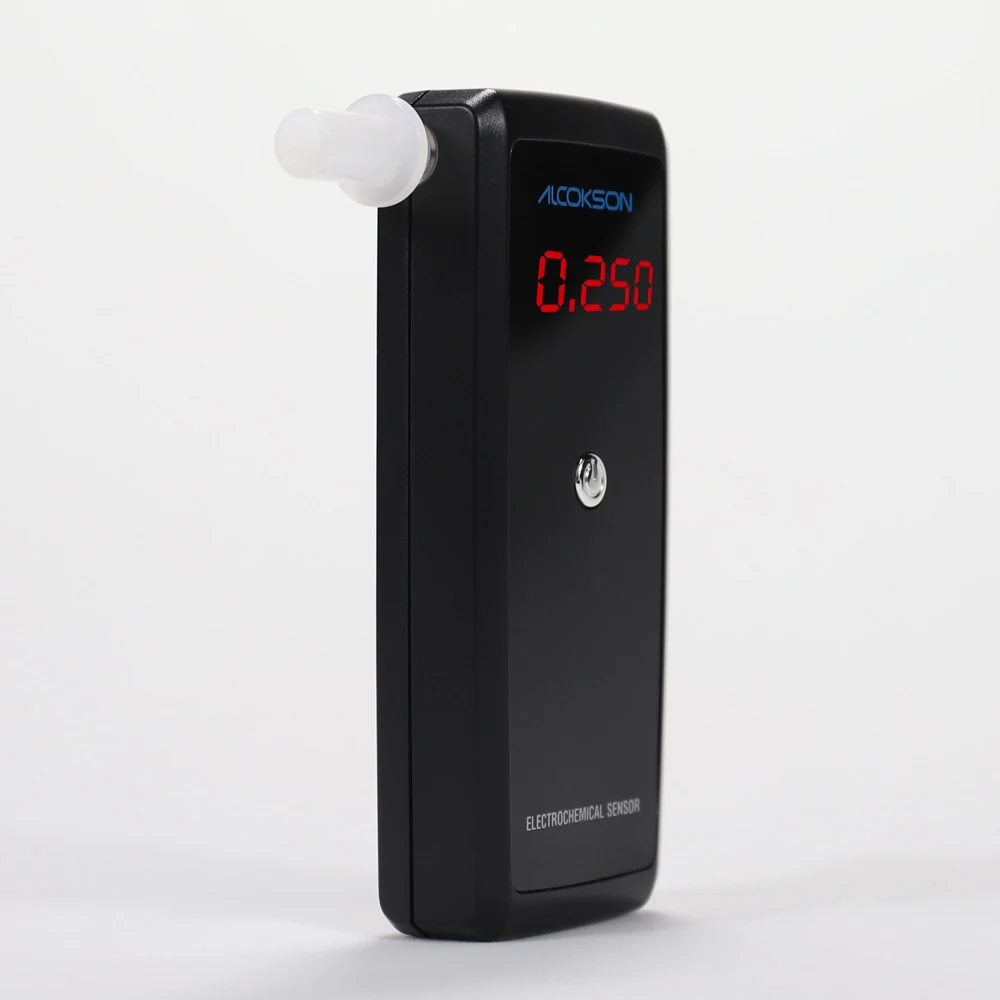
Breath Alcohol Tester ALC-213
The ALC-213 is a handheld fuel cell breath alcohol tester designed for pre-shift screening at gates and checkpoints wh...
View specification →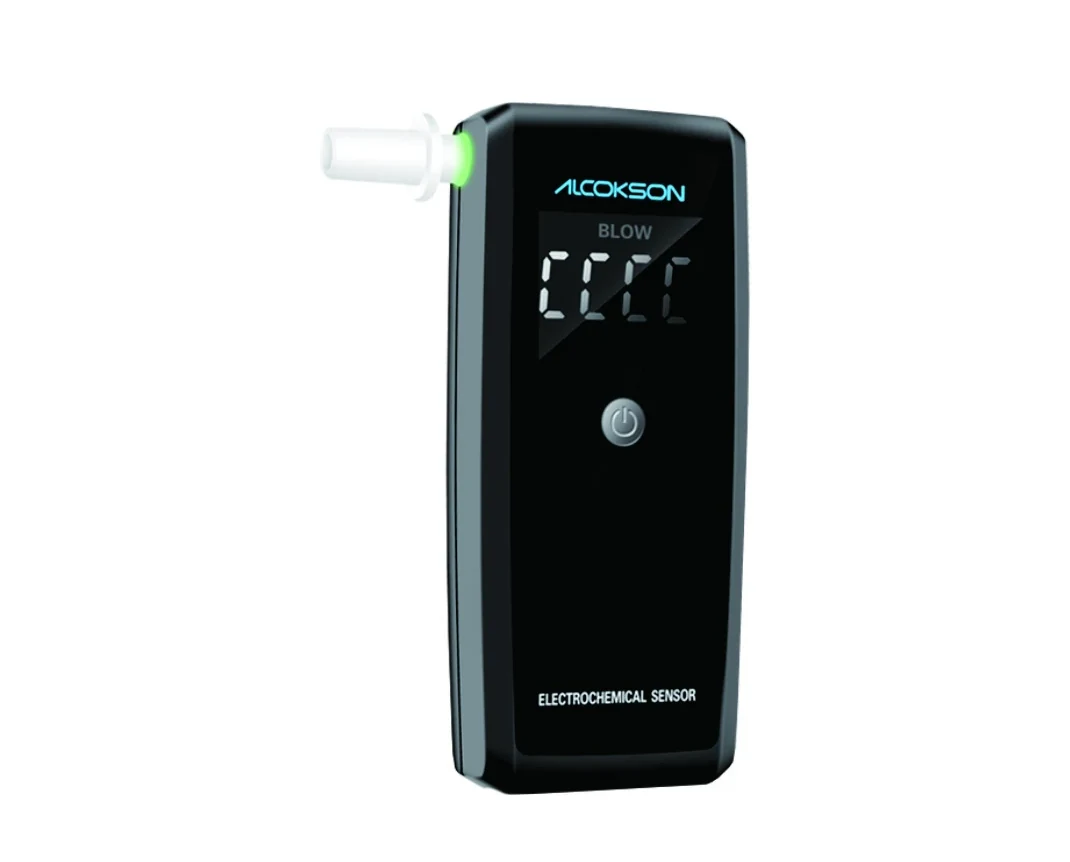
Breath Alcohol Tester ALC-213Pro
The ALC-213Pro is a handheld fuel cell breath alcohol tester with the same electrochemical sensor and performance spec...
View specification →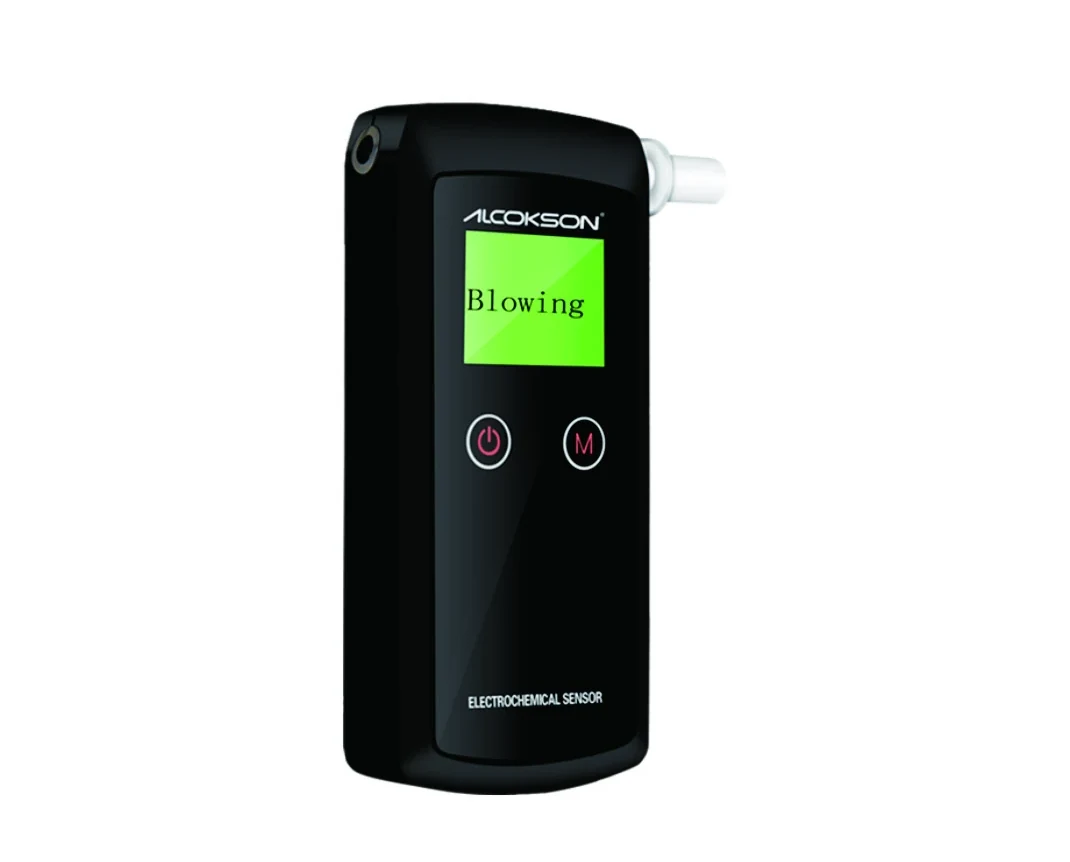
Breath Alcohol Tester ALC-215
The ALC-215 is a handheld fuel cell breath alcohol tester designed for traffic police, road safety agencies, and check...
View specification →Related Guides
Questions Buyers Ask Before Ordering
What is the accuracy of the ALCOKSON handhelds at 0.05% BAC?
How often must the ALCOKSON handhelds be recalibrated?
Can I change the alarm point on the ALCOKSON tester?
What is the blow time and flow rate for the ALCOKSON handhelds?
What is the operating temperature range for the ALCOKSON interlocks?
Have a question this guide did not answer
Send the detail of your site or fleet and we will answer against the specification rather than with a brochure.