
Fleet and Logistics Operators
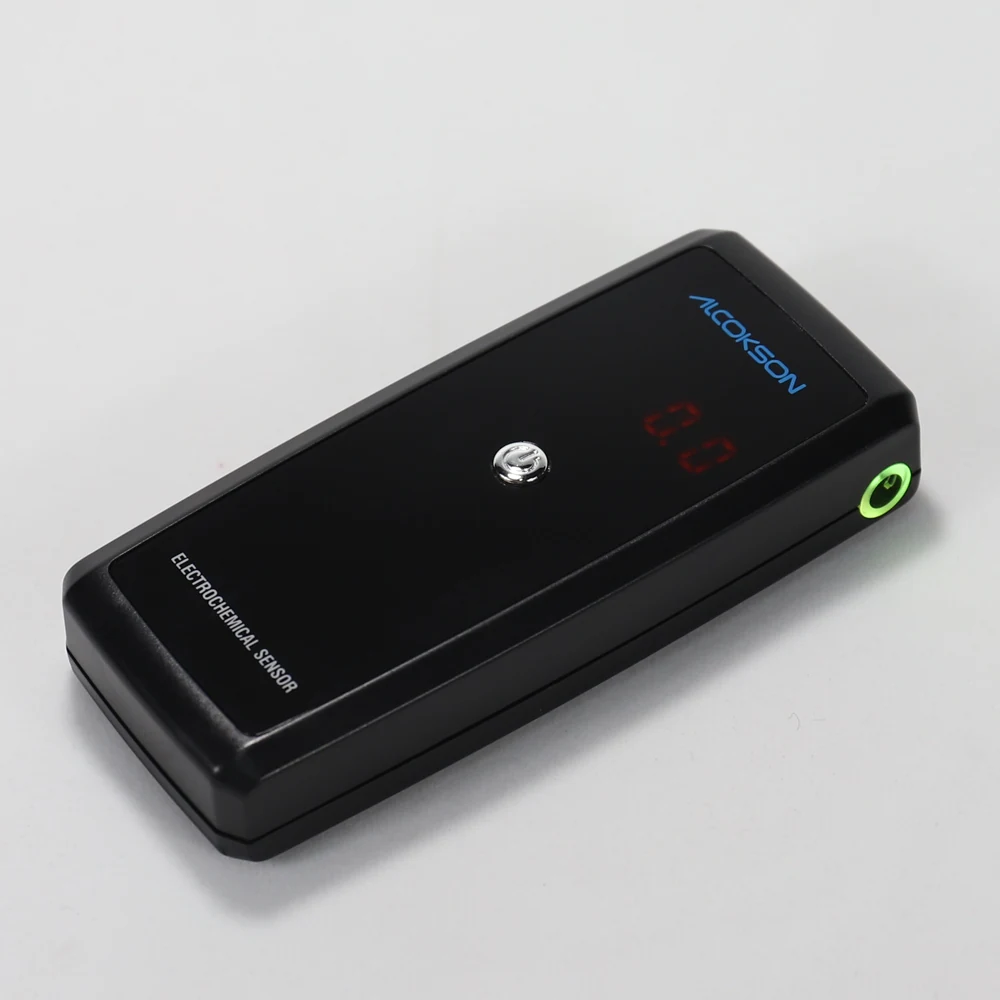
ALCOKSON ALC-303 and ALC-308 vehicle alcohol interlocks with fuel cell sensor, 0.000-0.500% BAC range, and 12-month calibration interval.
What Makes This Setting Different
Vehicle alcohol interlocks prevent a vehicle from starting if the driver has consumed alcohol. The ALC-303 and ALC-308 models use a premium fuel cell sensor to measure breath alcohol concentration with a published accuracy of +/-0.005% at 0.050% BAC. They are designed for continuous operation at fleet depots, where drivers must be screened before shift start, even during overnight dispatches when no supervisor is present.
Pain points we hear
- A vehicle that starts without screening creates a safety risk and a liability exposure
- No supervisor at night means no one to confirm the test was done
- A driver who fails a test must be able to retest without stopping the shift
- A documented override procedure is needed for operational continuity
- A failed test must be recorded and traceable to the individual driver
What Buyers Need
- A system that prevents vehicle start until a breath test is passed
- Hardware that operates reliably from -20 to 65 degrees Celsius
- A documented test result linked to the driver and time of test
- A retest option during the journey with a recorded override
- A system that can be configured to match the local legal threshold
Typical Scenarios
- Truck depot at 02:00 with drivers arriving on a night shift and no supervisor present
- Bus fleet dispatching at 05:00 with 30 drivers arriving in 15 minutes
- Remote yard where a driver fails the test and needs to retest before starting
- Insurer audit requiring proof of a screening procedure for every vehicle dispatched
- Contractor site where a driver must be screened before being allowed to operate a vehicle
How the Programme Runs
Configure the alarm threshold
Problem A policy that requires zero tolerance still needs a defined number the device can be set to
How we solve it The alarm point is set at the service centre to 0.02%, 0.05%, or 0.08% before shipment
Integrate with vehicle start circuit
Problem The interlock must work with both 9V and 36V DC systems across different vehicle types
How we solve it The control box supports 9V or 36V DC input, allowing use in cars, trucks, and buses
Link handset to control box
Problem A loose or faulty connection can cause a false pass or prevent start
How we solve it The handset and control box communicate via UART, a reliable serial link
Record and store test data
Problem A failed test must be logged and traceable to the driver and time
How we solve it The system stores the test result and time, and can send data via RS-485 or RS232 to external systems
What You Get When You Order
- Units are configured for the destination market before shipment
- Calibration interval is confirmed in writing at order time
- The alarm point is set at the service centre and cannot be changed by the user
- The handset and control box are tested together before shipping
Models That Fit This Setting
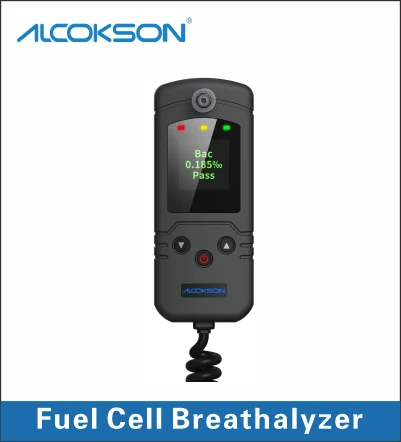
Alcohol Interlock ALC-303
The ALC-303 is a vehicle alcohol interlock system that prevents a vehicle from starting if the driver's breath alcohol...
View specification →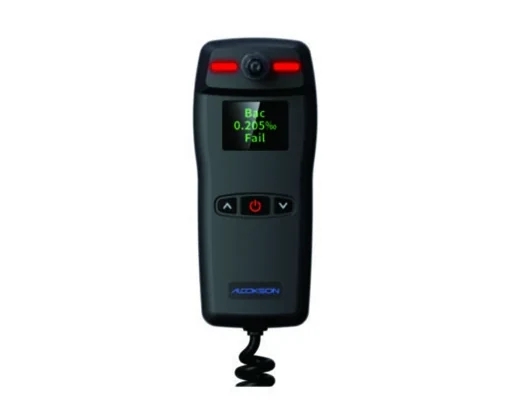
Alcohol Interlock ALC-308
The ALC-308 is a vehicle alcohol interlock system that prevents a vehicle from starting if the driver's breath alcohol...
View specification →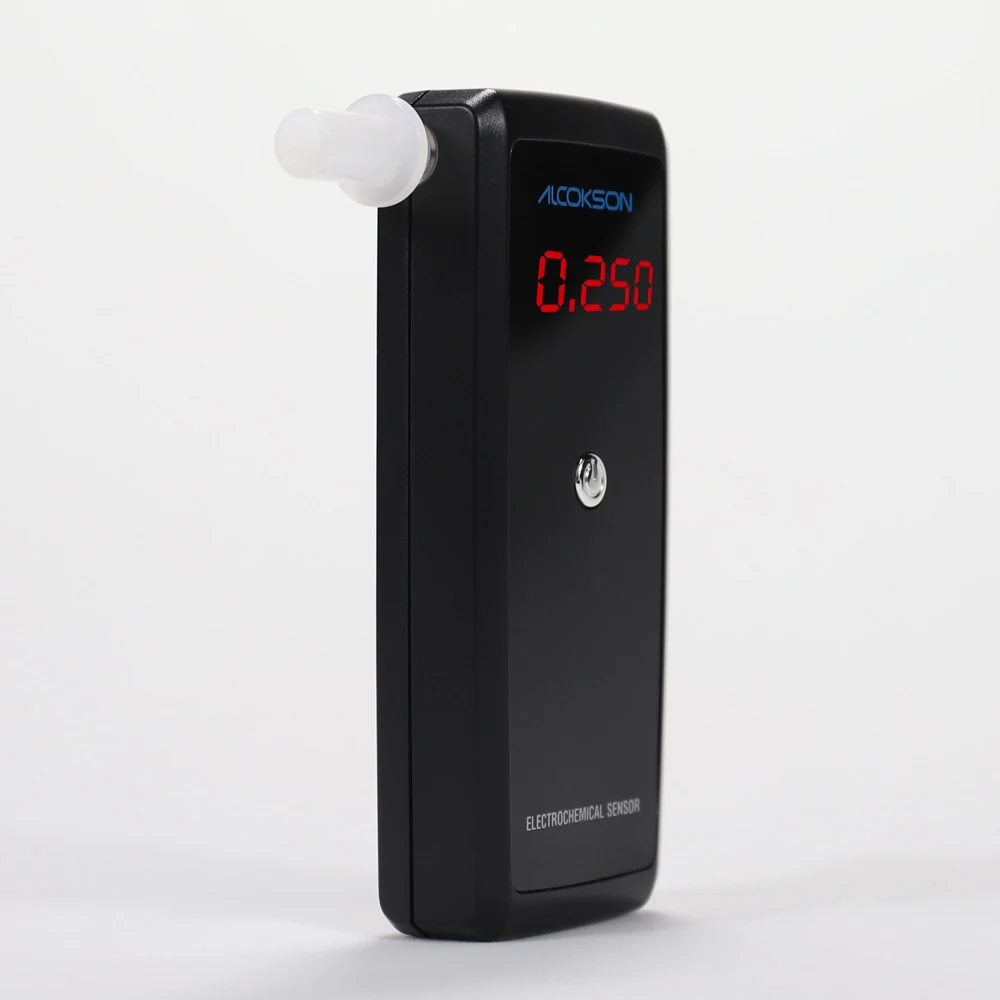
Questions Buyers Ask Before Ordering
Which model should I start with?
How long does it take to warm up in cold weather?
Can the alarm point be changed after delivery?
What is included with each unit?
How often does the sensor need recalibration?
Can the system communicate with external devices?
What is the lead time and minimum order?
Put a screening programme in place for fleet and logistics operators
Send the number of gates or vehicles, the shift pattern and the market you operate in. We will name the models and the configuration and put the figures in writing.