
Fleet Alcohol Interlock Programme
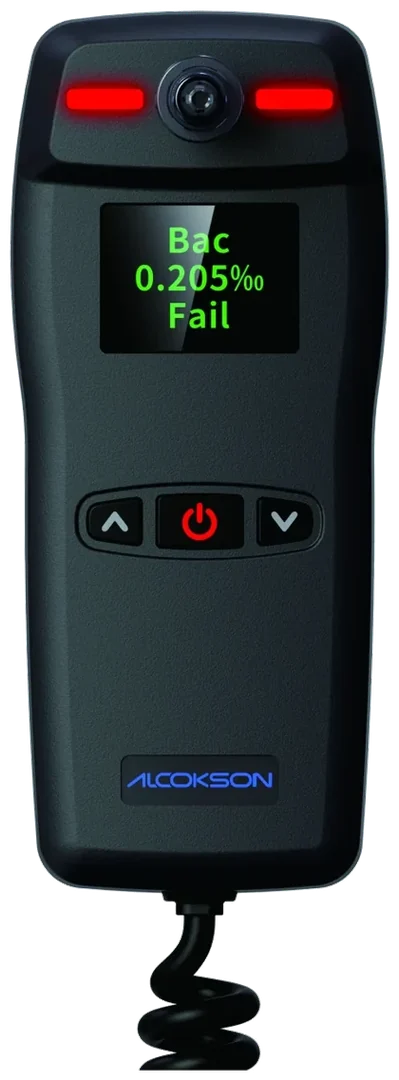
ALC-303 and ALC-308 vehicle alcohol interlocks with fuel cell sensor, 12 month calibration, and operation from -20 to 65 C. Ready in 1 second at 25 C, 180 seconds at -40 C.
What Makes This Setting Different
Vehicle alcohol interlocks prevent a vehicle from starting when a driver is above the set threshold. The ALC-303 and ALC-308 use a premium fuel cell sensor to measure breath alcohol with accuracy of +/-0.005 percent BAC at 0.050 percent BAC. The system is designed for fleet operations where a driver must be tested before every shift, and where the result must be defensible in a dispute.
Pain points we hear
- A vehicle starts without a breath test, and the driver is impaired before the shift begins
- A driver bypasses the test by disconnecting the handset or tampering with the control box
- The system fails in cold weather, leaving a vehicle unable to start during winter operations
- No record is kept of who was tested, when, or whether a retest was required
- A fleet cannot verify that the interlock was calibrated within the last 12 months
What Buyers Need
- A system that physically prevents a vehicle from starting if the driver fails the test
- A control box that survives the vehicle’s electrical system and remains secure during operation
- A handset that operates reliably in temperatures from -20 to 65 degrees Celsius
- A record of each test, including the result, timestamp, and driver identity, stored in the control box
- A calibration cycle that is fixed at 12 months and confirmed in writing at order time
Typical Scenarios
- Fleet depot at 05:00 with 20 drivers arriving in under 15 minutes, all needing to start their vehicles
- Remote mining site in winter where temperatures drop to -30 degrees Celsius
- Contractor vehicle entering a high-risk site with a zero-tolerance alcohol policy
- Roadside inspection where a vehicle must be tested mid-journey due to a policy violation
- Workshop service visit to verify the interlock’s calibration status and log data
How the Programme Runs
Select the vehicle
Problem Not all vehicles use the same electrical system, so a single interlock cannot be used across a mixed fleet
How we solve it The ALC-303 and ALC-308 support both 9V and 36V DC power supply, so one unit covers cars and trucks
Fit and route the hardware
Problem The handset must be mounted where the driver can reach it, but the control box must be hidden and secure
How we solve it The handset connects to the control box over UART, allowing flexible placement of the control box behind the dashboard or under the seat
Commission the system
Problem The alarm threshold must match the local policy, but the device cannot be reprogrammed in the field
How we solve it The alarm point is preset at the service centre before shipment, set to 0.02, 0.05, or 0.08 percent BAC based on the destination market
Driver briefing
Problem Drivers may not understand the test procedure, leading to incorrect use or attempts to bypass the system
How we solve it The system prompts the driver to blow steadily, and the handset displays the result and whether the vehicle can start
Retest during a journey
Problem A driver may become impaired during a long shift and the system must allow a retest without stopping the vehicle
How we solve it The system allows a retest at any time during the journey, and the result is logged for review
Read the log
Problem A fleet manager needs to verify test results and calibration status for audit or incident review
How we solve it The log is accessible over RS-485 or RS232, allowing connection to a PC or data logger for retrieval
Workshop service
Problem A vehicle may fail to start due to a sensor fault or expired calibration
How we solve it The system is calibrated every 12 months. The workshop checks the calibration status and resets the cycle after service
What You Get When You Order
- Units are configured for the destination market before shipment
- The alarm point is set at the service centre and confirmed in writing at order time
- Calibration interval is fixed at 12 months and confirmed in writing at order time
- The handset and control box are shipped with the UART cable and mounting hardware
Models That Fit This Setting
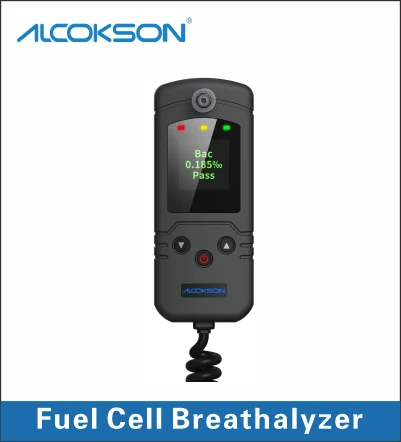
Alcohol Interlock ALC-303
The ALC-303 is a vehicle alcohol interlock system that prevents a vehicle from starting if the driver's breath alcohol...
View specification →
Alcohol Interlock ALC-308
The ALC-308 is a vehicle alcohol interlock system that prevents a vehicle from starting if the driver's breath alcohol...
View specification →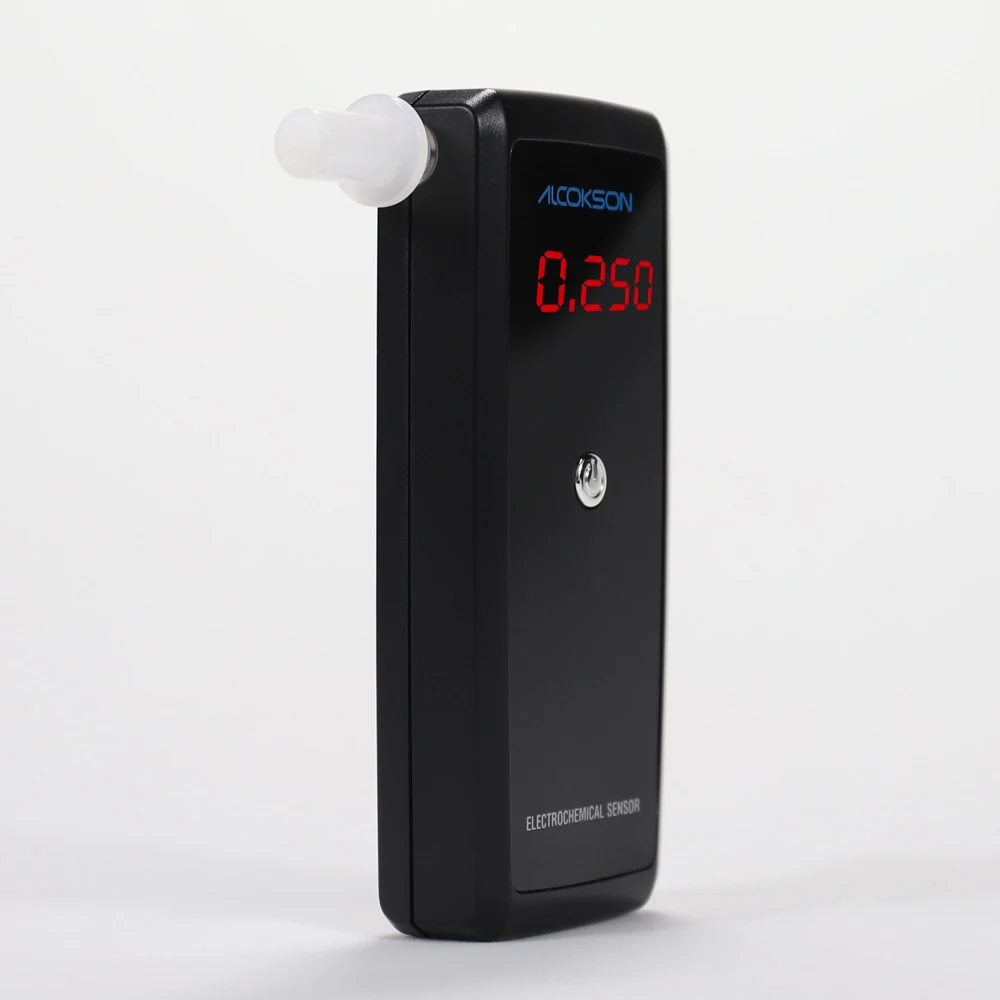
Questions Buyers Ask Before Ordering
Which model should I start with?
How long does it take to be ready after power on?
Can the alarm point be changed after delivery?
What is the calibration interval?
What communication ports are available?
What is the operating temperature range?
What is the lead time and minimum order?
Put a screening programme in place for fleet alcohol interlock programme
Send the number of gates or vehicles, the shift pattern and the market you operate in. We will name the models and the configuration and put the figures in writing.