
Alcohol Interlock ALC-303
Vehicle alcohol interlock with premium fuel cell sensor, 12-month calibration, operates from -20 to 65 ℃, supports 9 V or 36 V DC, and integrates with fleet systems via RS-485 and RS232.
What the ALC-303 Is For
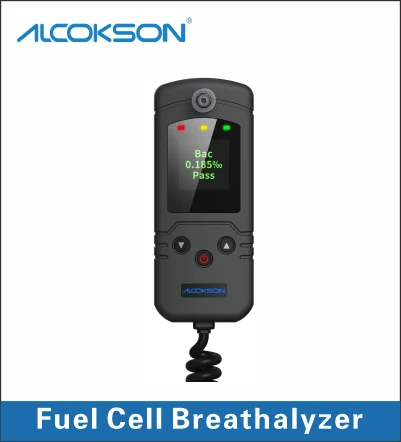
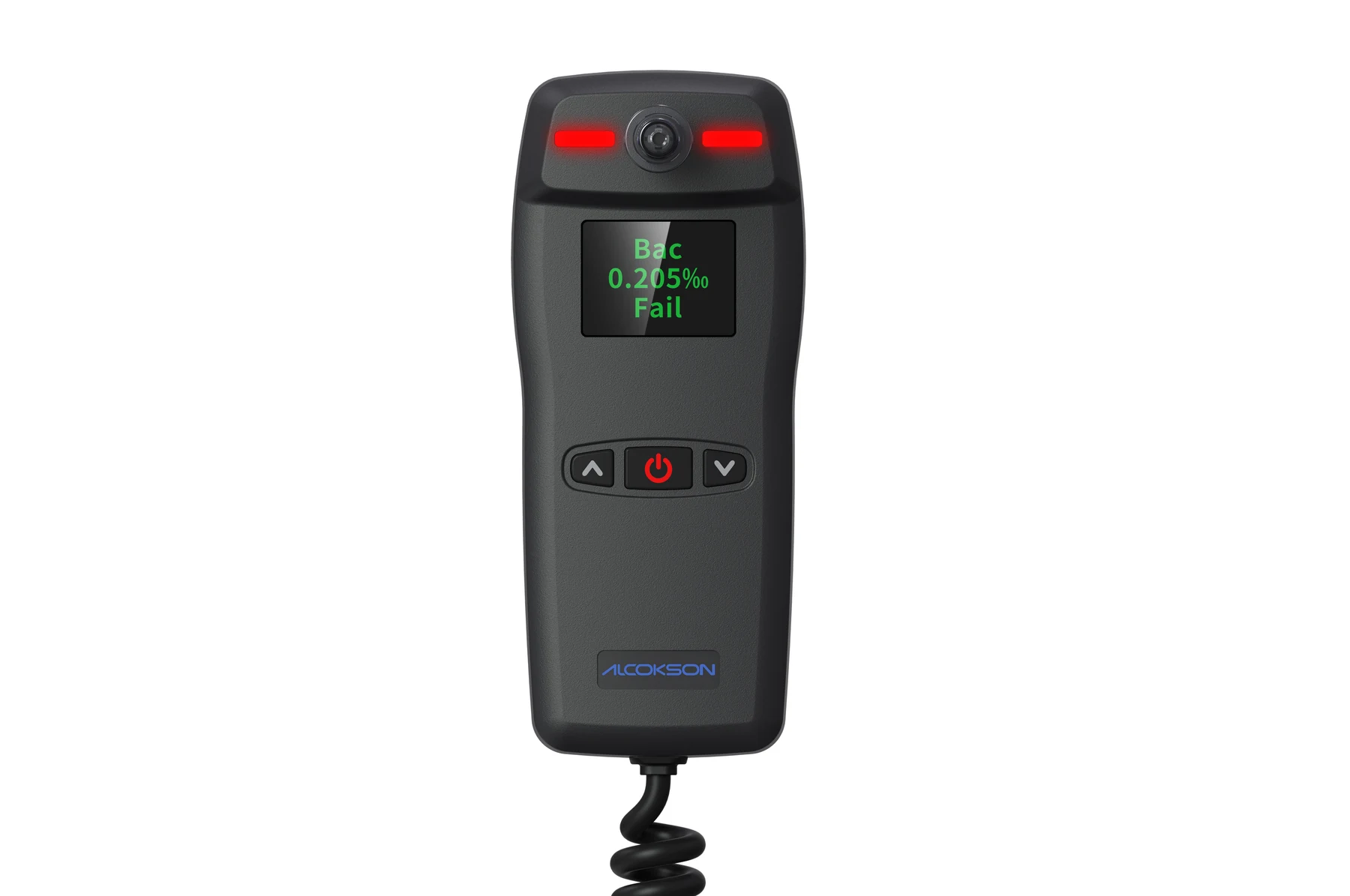
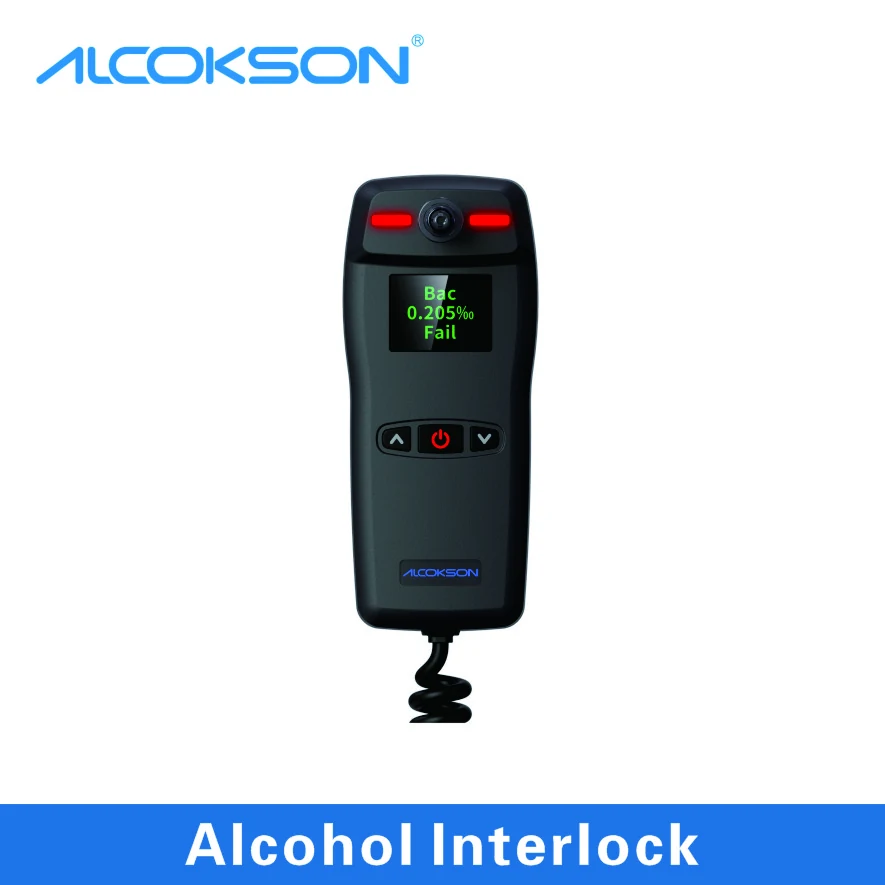
The ALC-303 is a vehicle alcohol interlock system that prevents a vehicle from starting if the driver's breath alcohol concentration exceeds the set limit. It uses a premium fuel cell sensor to detect ethanol specifically, not acetone, fuel vapour or mouth alcohol solvents. The system consists of a handheld breath tester unit and a control box that connects to the vehicle's ignition circuit. The handset warms up in about 1 second at 25 ℃, up to 180 seconds at -40 ℃, and the result is displayed in under 10 seconds. The unit is calibrated every 12 months and operates from -20 ℃ to 65 ℃. It supports both 9 V and 36 V DC power supplies and communicates with external systems via RS-485 or RS232.
Why Buyers Pick This Model
- Prevents vehicle start if breath alcohol level exceeds the set threshold, enforcing a zero alcohol policy at the engine level
- Premium fuel cell sensor detects ethanol specifically, not acetone, fuel vapour or mouth alcohol solvents
- Calibration every 12 months ensures readings remain traceable and defensible over time
- Operates in extreme temperatures from -20 ℃ to 65 ℃, suitable for outdoor and remote fleet operations
- Two power supply options (9 V or 36 V DC) allow integration with different vehicle electrical systems
- RS-485 and RS232 communication ports enable data logging and integration with fleet management systems
- Handset and control box design allows for secure mounting and tamper-resistant installation
Application Scenarios
- Preventing impaired drivers from starting vehicles at fleet depots and logistics hubs
- Enforcing alcohol policies at mining and construction site vehicle gates
- Securing vehicles at oil and gas field operations where safety is critical
- Supporting law enforcement or road safety units in vehicle screening programs
- Integrating with fleet management systems for automated driver testing and data reporting
- Protecting company assets by blocking vehicle use when a driver fails a breath test
Who It Is For
- Fleet and logistics operators who need to prevent impaired drivers from operating vehicles
- Mining and construction contractors enforcing strict alcohol policies at site entry
- Oil and gas companies requiring physical barriers to vehicle operation on remote sites
- Manufacturing plants with company vehicles used by shift workers
- Law enforcement agencies running vehicle screening or DUI prevention programs
- Distributors of safety instruments seeking a reliable interlock for integration
Problems It Solves
- Consumer-grade breath testers drift and cannot be recalibrated, so their results are not defensible in a dispute
- Semiconductor sensors react to acetone, fuel vapour and mouth alcohol, causing false positives at the gate
- Manual screening at vehicle start is slow and prone to human error or bypass
- Lack of integration with vehicle ignition systems allows drivers to start vehicles without testing
- No record of test results or calibration history makes it impossible to prove compliance during an audit
- Inadequate temperature tolerance limits use in cold or hot environments
Technical Features
- Premium fuel cell sensor for selective ethanol detection
- Ready to test in approximately 1 second at 25 ℃, up to 180 seconds at -40 ℃
- Measurement range: 0.000 to 0.500 %BAC, 0.00 to 5.00 ‰, 0.00 to 2.50 mg/L
- Calibration every 12 months ensures ongoing accuracy
- Two power supply options: 9 V or 36 V DC
- Handset and control box connected via UART communication
- External communication via RS-485 and RS232 ports
- Operating temperature range: -20 ℃ to 65 ℃
- Handset dimensions: 59 x 140 x 35 mm, weight 120 g
- Control box dimensions: 100 x 75 x 30 mm, weight 300 g
Published Specification
These are the figures published for this model. Nothing is carried across from another model in the range.
| Sensor | Premium Fuel Cell Sensor |
|---|---|
| Measurement Range | 0.000 ~ 0.500 %BAC, 0.00 ~ 5.00 ‰, 0.00 ~ 2.50 mg/L |
| Accuracy | +/-0.005 %BAC (at 0.050 %BAC, at 25 ℃) |
| Accuracy | +/-0.05 ‰ (at 0.50 ‰, at 25 ℃) |
| Accuracy | +/-0.025 mg/L (at 0.25 mg/L, at 25 ℃) |
| Ready to Test | 25 ℃: approx. 1 s, -20 ℃: approx. 120 s, -40 ℃: approx. 180 s |
| Power Supply | 9 V or 36 V DC |
| Handset Dimensions | 59 x 140 x 35 mm |
| Control Box Dimensions | 100 x 75 x 30 mm |
| Handset Weight | 120 g |
| Control Box Weight | 300 g |
| Calibration Period | Every 12 months |
| Operating Temperature | -20 ~ 65 ℃ |
| Communication | UART between handset and control box, RS-485 and RS232 to external devices |
Materials Process and Quality Control
Materials
- Impact resistant plastic housing for handset and control box
- Internal components designed for long-term stability under vibration and temperature variation
- Wiring and connectors rated for vehicle electrical environments
Manufacturing Process
- Fuel cell sensor conditioning and burn-in
- PCB assembly and firmware loading
- Gas calibration against certified ethanol standard at 25 ℃
- Calibration interval programmed as 12 months
- Functional test of all communication ports (UART, RS-485, RS232)
- Environmental test at -20 ℃ and 65 ℃ to verify operation
- Final assembly and packaging with test record
Quality Control
- Every unit is gas calibrated before shipment
- Calibration interval of 12 months is verified and documented
- Communication ports tested for signal integrity
- Handset and control box function tested under cold and hot conditions
- All units tested for correct power draw at 9 V and 36 V DC
Customisation Options
- Alarm threshold set to 0.02, 0.05, or 0.08 percent before shipment
- Communication protocol configured for destination system (RS-485 or RS232)
- Mounting brackets or enclosures available on request
- Branding on housing or packaging subject to order confirmation
How It Compares With the Alternatives
| Handheld breath testers | The ALC-303 physically prevents vehicle start, while a handheld unit only screens a person and relies on supervision |
|---|---|
| ALC-308 alcohol interlock | Same sensor and calibration, so the ALC-308 is the alternative if you need a different form factor or mounting style |
| ALC-605 screening terminal | The ALC-303 is vehicle-mounted and prevents engine start, while the ALC-605 is a fixed terminal for access control and screening at gates |
| Semiconductor interlocks | The fuel cell sensor is selective to ethanol and can be recalibrated, where a semiconductor element drifts and cannot be recalibrated |
Use Guide
- Install the control box in a secure location near the vehicle’s ignition system
- Connect the handset to the control box using the UART cable
- Power the system using either 9 V or 36 V DC depending on vehicle specifications
- Allow the handset to warm up before testing—1 second at 25 ℃, up to 180 seconds at -40 ℃
- Ask the driver to blow steadily into the handset for the required duration
- If the reading exceeds the set threshold, the vehicle will not start
- Record the test result and date in the fleet log, and send the unit for recalibration after 12 months
Other Models to Compare
Alcohol Interlock ALC-308
The ALC-308 is a vehicle alcohol interlock system that prevents a vehicle from starting if the driver's breath alcohol...
View specification →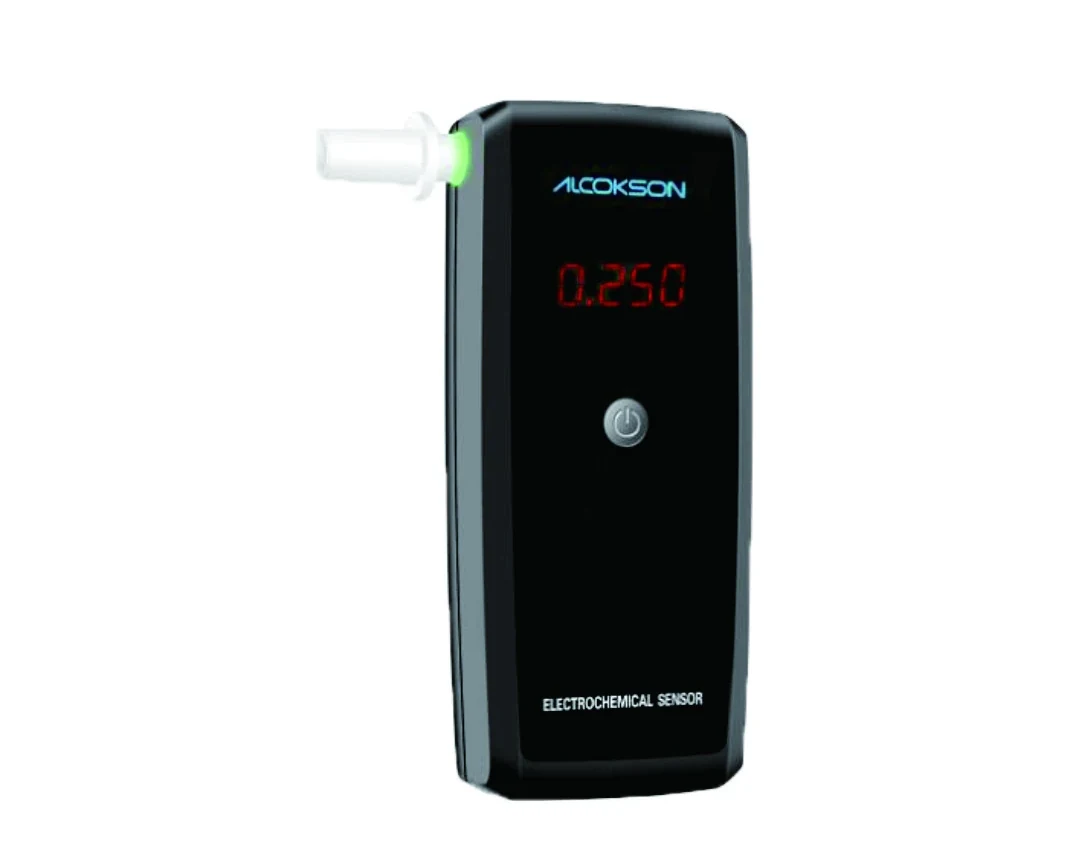
Breath Alcohol Tester ALC-213
The ALC-213 is a handheld fuel cell breath alcohol tester designed for pre-shift screening at gates and checkpoints wh...
View specification →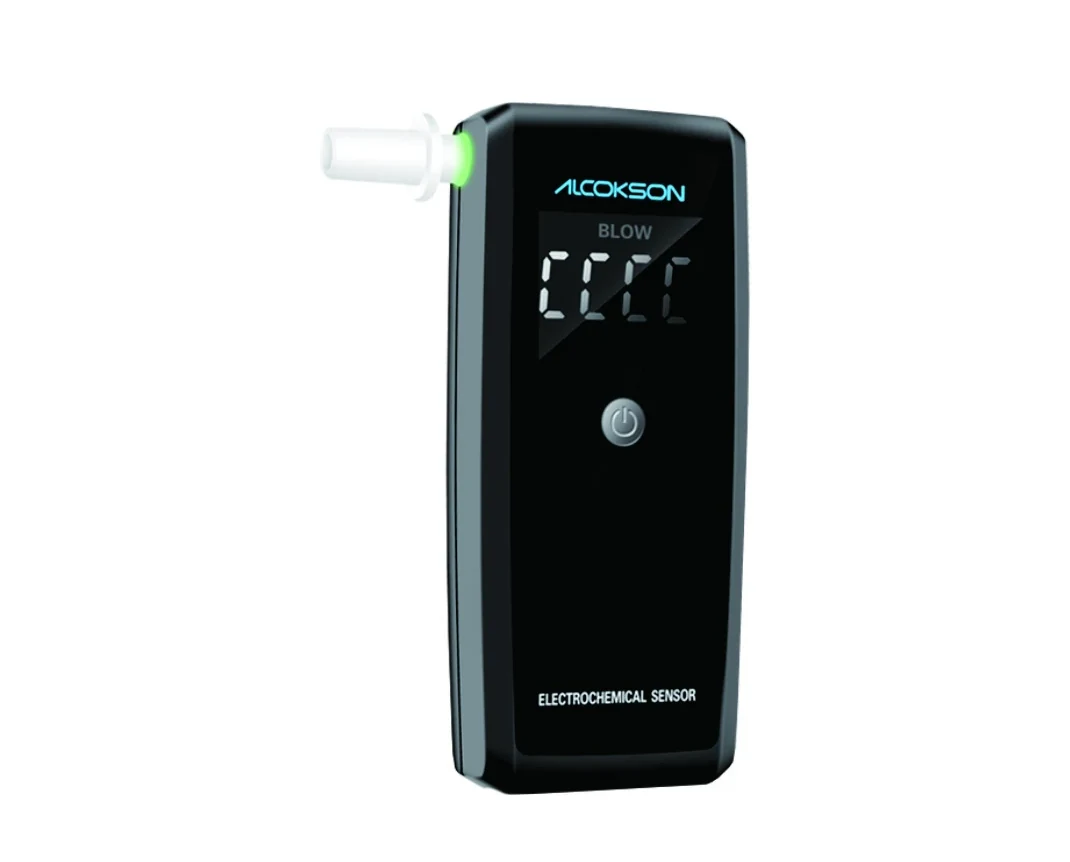
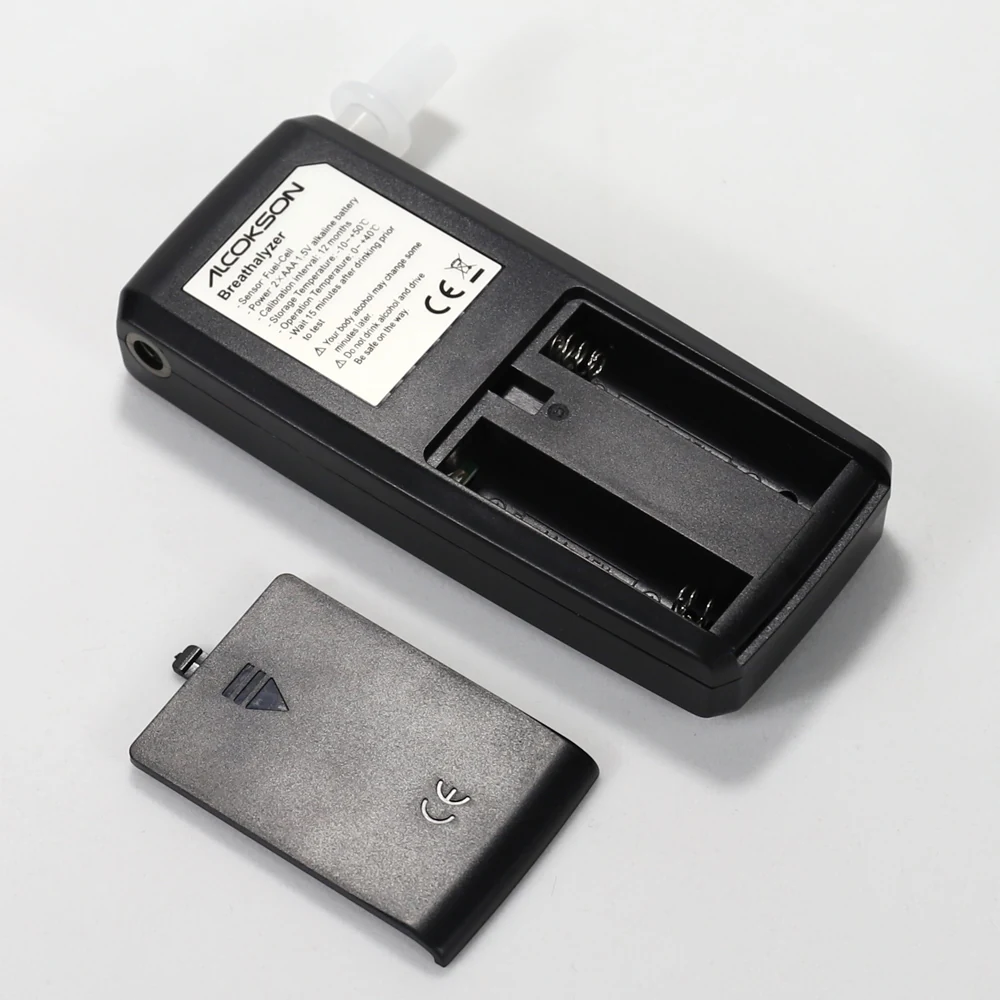
Breath Alcohol Tester ALC-213Pro
The ALC-213Pro is a handheld fuel cell breath alcohol tester with the same electrochemical sensor and performance spec...
View specification →Background Reading Before You Specify
Questions About the ALC-303
How does the ALC-303 prevent a vehicle from starting?
Can the alarm threshold be set to match our local legal limit?
How often does the ALC-303 need recalibration?
What power supply options are available?
Can it operate in cold weather?
Does it support data logging?
What is the minimum order quantity and lead time?
Quote the Alcohol Interlock ALC-303
Send the quantity, the destination market and the alarm point you need. Configuration is set before shipment, so it is worth agreeing at order time.