
Fuel Cell vs Semiconductor Breath Alcohol Sensors
Why sensor type decides whether a breath alcohol reading holds up: selectivity, drift, and a stated 500 test or 12 month recalibration interval.
How the Sensor Type Defines the Result
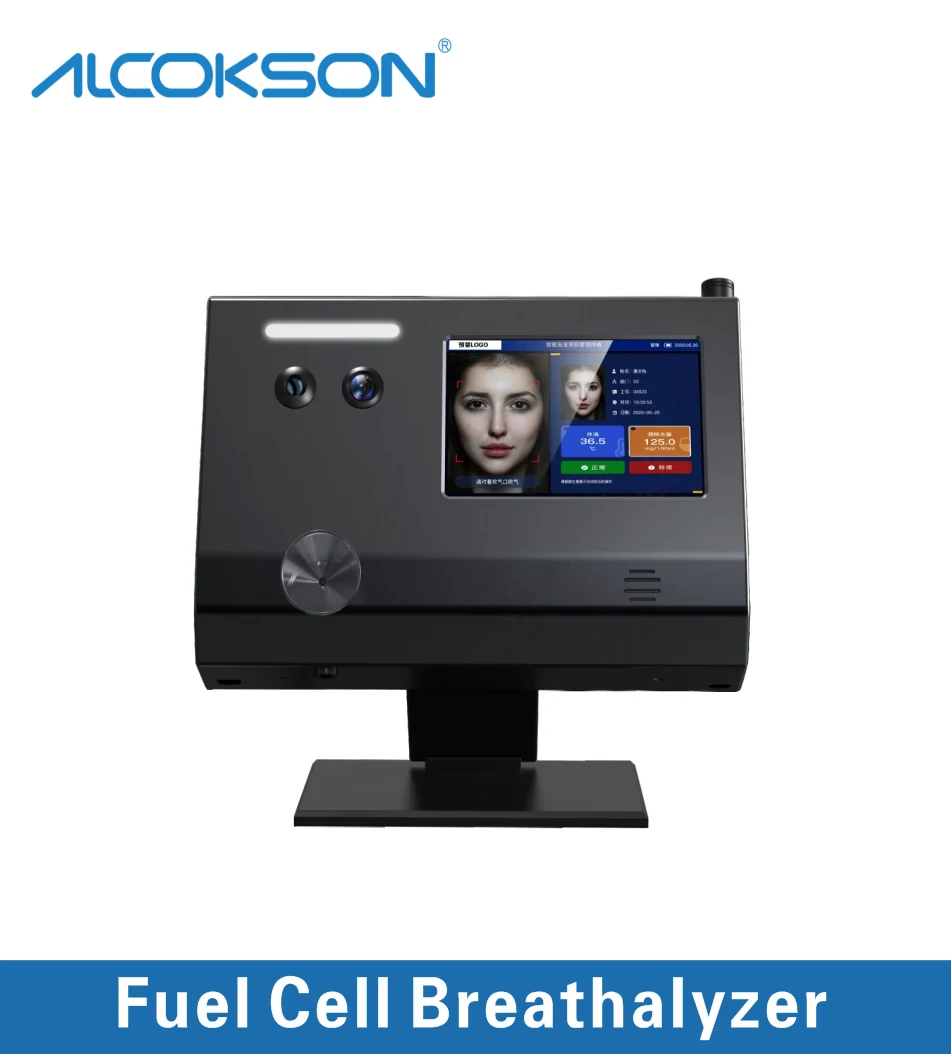
The sensor determines whether a breath alcohol reading can be defended in a dispute. A fuel cell sensor oxidises ethanol at an electrode and produces a current proportional to the ethanol present. A semiconductor sensor changes resistance in the presence of many reducing gases, including acetone, smoke and fuel vapour. This difference means only a fuel cell sensor is selective enough for workplace or fleet screening.
What Causes a False Positive in the Field
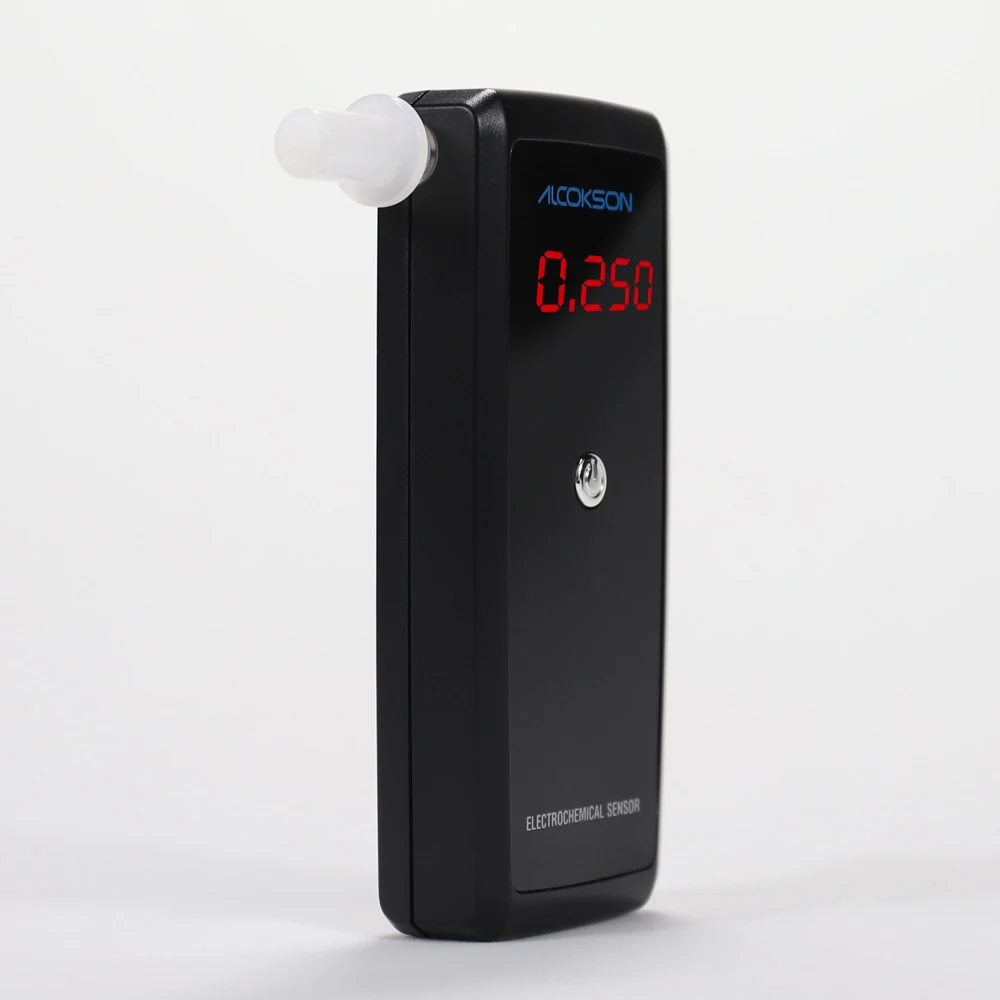
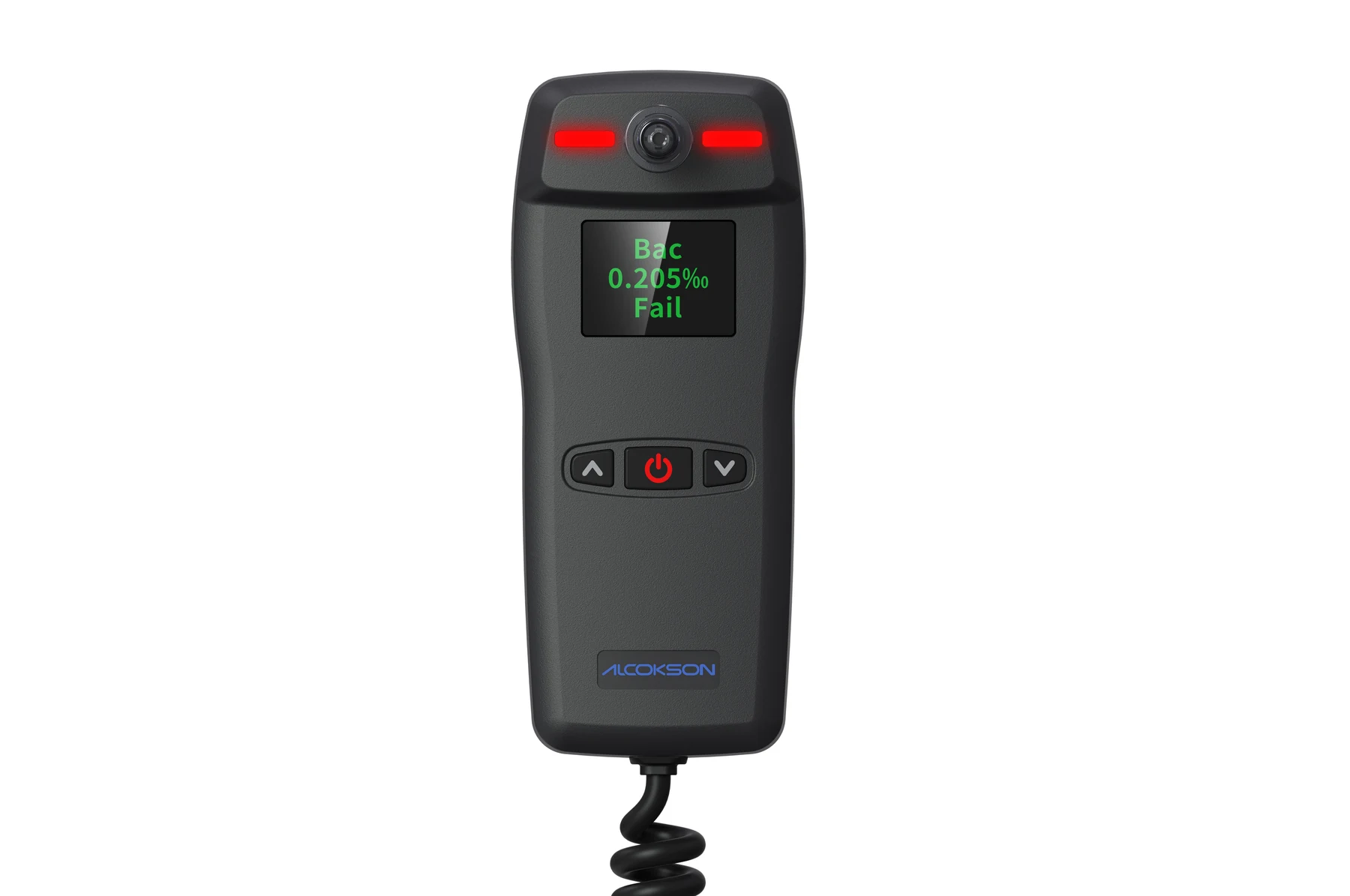
At a depot, air contains diesel and petrol vapour. A subject may have smoked or be diabetic. A semiconductor sensor responds to all three, so the reading rises without alcohol. A fuel cell sensor responds only to ethanol. The ALCOKSON handhelds use fuel cell sensors, so readings are not affected by non-alcohol sources.
Read the Breath Alcohol Tester ALC-213 specification →
Drift and the Need for a Recalibration Interval
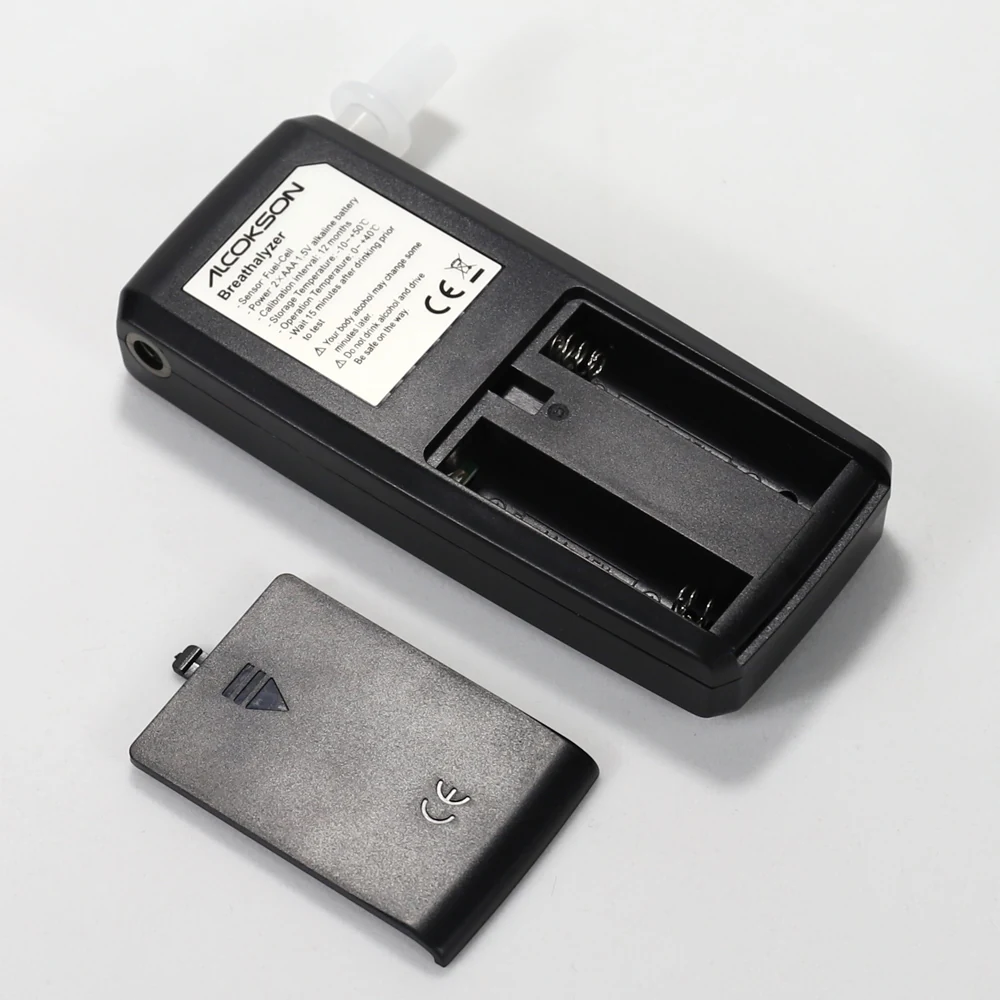
All electrochemical sensors drift over time. The key question is whether the manufacturer states a recalibration interval you can plan against. The ALCOKSON handhelds specify recalibration every 500 tests or one year, whichever comes first. This interval is published and can be scheduled. A semiconductor sensor typically has no such interval and cannot be recalibrated.
Cost of Ownership Is Driven by Calibration
A fuel cell sensor is a consumable. The cost of ownership includes the service event at the stated interval. The ALCOKSON handhelds are designed for this: recalibration every 500 tests or one year. The test count usually triggers the service before the calendar date at a busy site. Planning around this interval is essential for compliance.
When a Semiconductor Tester Is Still Acceptable
For personal use before driving home, a semiconductor tester gives a rough indication at low cost. Nobody will audit it. The moment a result affects whether a person works, drives or is disciplined, the instrument must be selective and recalibratable. That is the line. Do not compare semiconductor units to fuel cell units in procurement. They are not doing the same job.
What to Specify in Your Procurement Document
Require the sensor type, accuracy at a specific BAC level, recalibration interval in both tests and months, and alarm point options. For the ALCOKSON handhelds, specify: fuel cell sensor, +/-0.005% at 0.05% BAC, 500 tests or one year, and selectable alarm points of 0.02%, 0.05% or 0.08% set at the service centre. If a supplier will not confirm these in writing, do not proceed.
Instruments the Guide Refers To
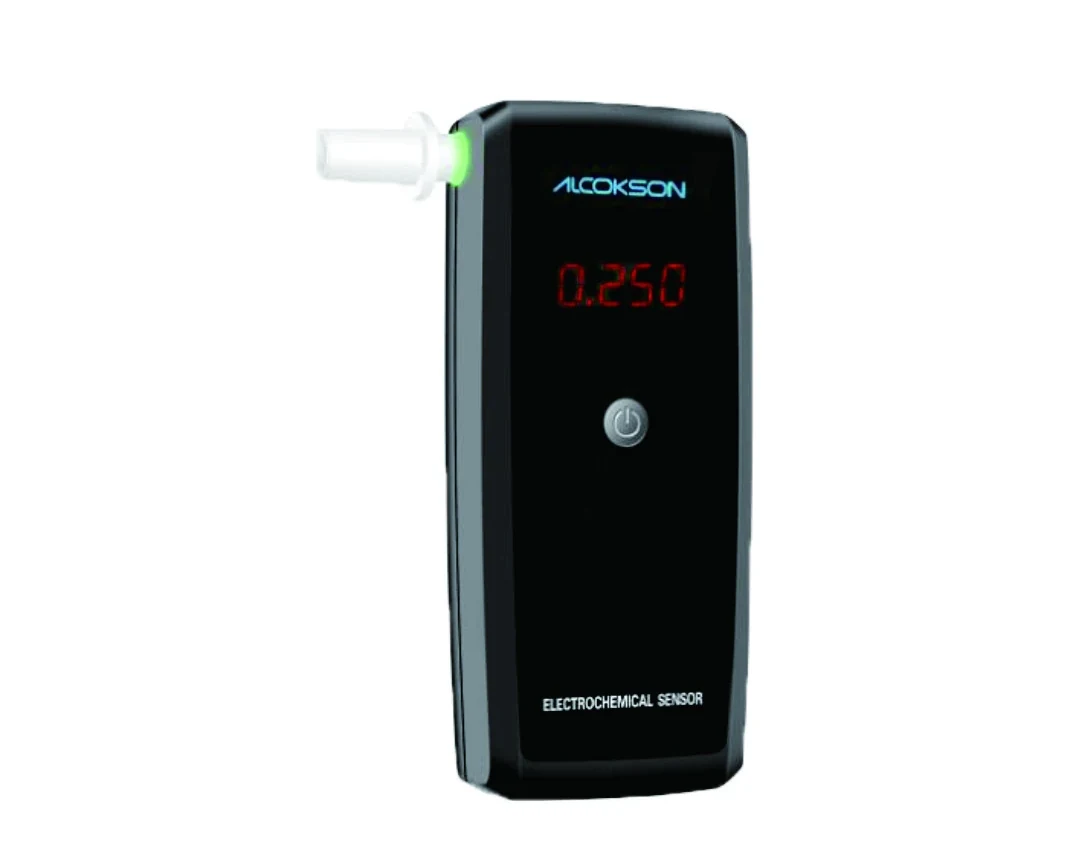
Breath Alcohol Tester ALC-213
The ALC-213 is a handheld fuel cell breath alcohol tester designed for pre-shift screening at gates and checkpoints wh...
View specification →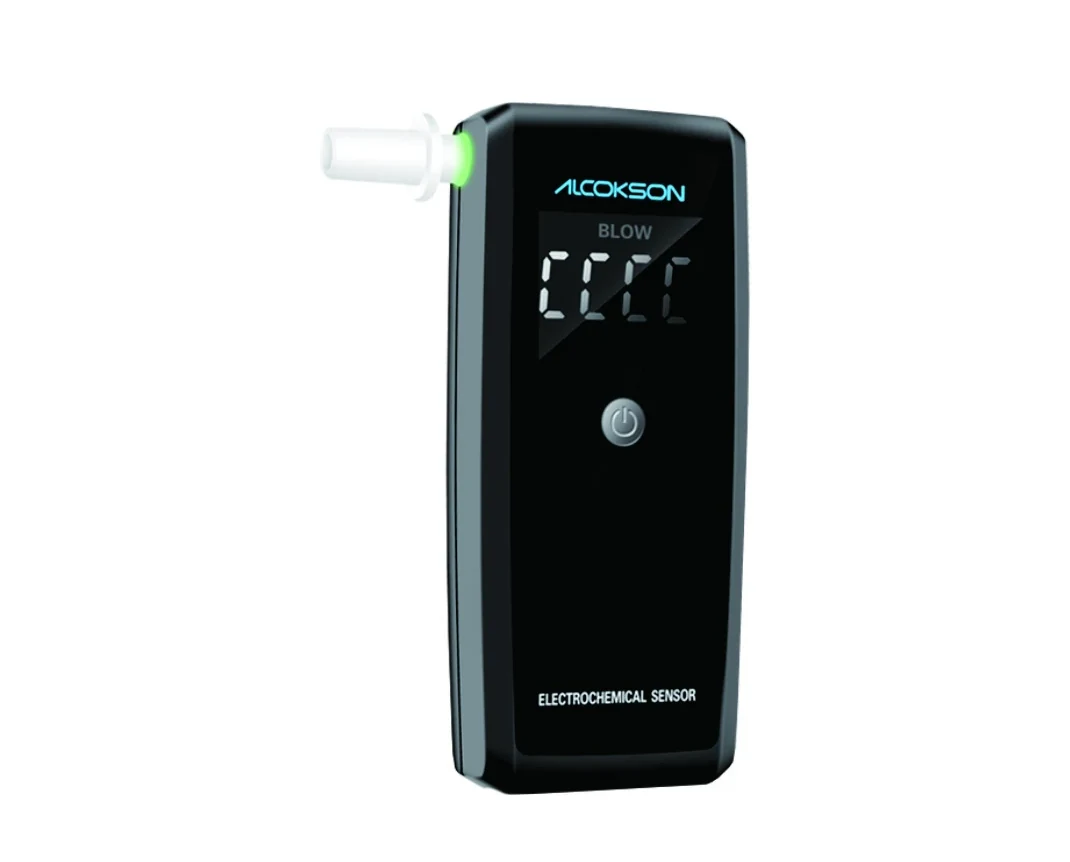
Breath Alcohol Tester ALC-213Pro
The ALC-213Pro is a handheld fuel cell breath alcohol tester with the same electrochemical sensor and performance spec...
View specification →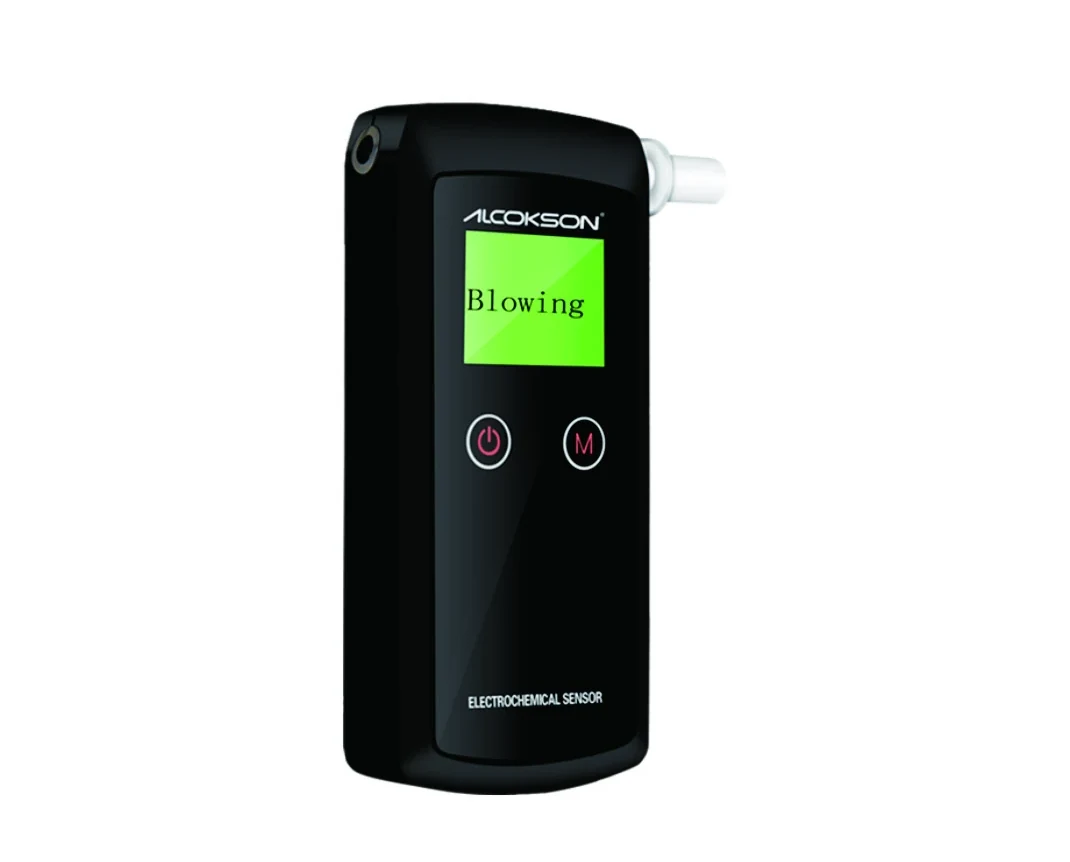
Breath Alcohol Tester ALC-215
The ALC-215 is a handheld fuel cell breath alcohol tester designed for traffic police, road safety agencies, and check...
View specification →Related Guides
Questions Buyers Ask Before Ordering
Is a fuel cell tester always more accurate than a semiconductor one?
How long does a fuel cell sensor last?
Can I calibrate a tester myself?
Does mouth alcohol still affect a fuel cell tester?
Which ALCOKSON model should I evaluate first?
Have a question this guide did not answer
Send the detail of your site or fleet and we will answer against the specification rather than with a brochure.