
How a Vehicle Alcohol Interlock Works
How ALCOKSON vehicle alcohol interlocks work: readiness time in cold weather, retest during journey, log data, and 12 month calibration cycle.
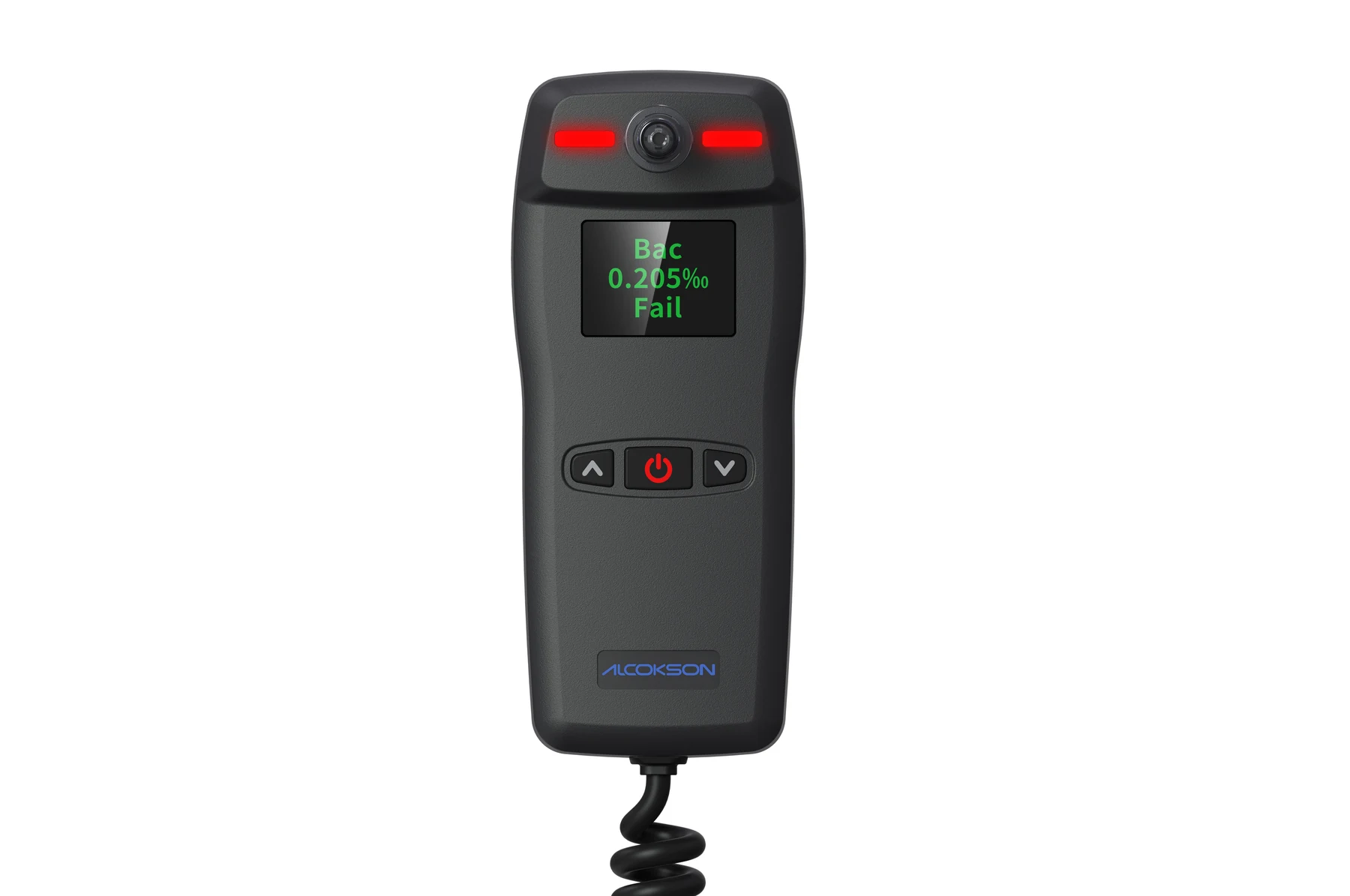
The Start Sequence and What Happens After the Driver Blows
The driver approaches the vehicle, picks up the handset, and blows into it. The system checks the handset's readiness. If the unit is within its 12 month calibration interval and the temperature is within -20 to 65 C, the handset signals that it is ready to test. The driver blows into the handset. The fuel cell sensor measures ethanol concentration in the breath sample. The result is displayed on the handset screen. If the reading is below the alarm threshold, the vehicle starts. If it is above, the system locks the start circuit and displays an alarm.
Read the Alcohol Interlock ALC-303 specification →
Readiness Time in Cold Weather and What It Means for Operations
At -40 C, the handset takes up to 180 seconds to become ready. At -20 C, it takes 120 seconds. At 25 C, it takes approximately 1 second. This delay is due to sensor warm-up and internal system checks. In cold climates, the system must be powered on at least 15 minutes before use to ensure readiness. The control box remains powered during the vehicle's idle state. If the vehicle is turned off, the system must re-warm before the next test.
Read the Alcohol Interlock ALC-308 specification →
Retest During a Journey and How the System Enforces Compliance
If the vehicle is running and the system detects a new breath sample above the threshold, it triggers a retest. The driver is prompted to blow again. If the second test is above the threshold, the system logs the event and may disable the vehicle after a set number of failures. The system does not allow the vehicle to restart until the next scheduled test or until the unit is reset by a service technician. Retests are logged and stored in the control box memory.
Read the Alcohol Interlock ALC-303 specification →
What the Log Contains and Who Reads It
The control box stores a log of every test, including the timestamp, result, temperature, alarm status, and whether the vehicle started. It also records retests, failed attempts, and system resets. The log is accessible via RS-485 or RS232 to external systems such as fleet management software. The data is used by safety officers, fleet managers, and compliance auditors to verify that the system is functioning and that drivers are complying with the policy.
Read the Alcohol Interlock ALC-308 specification →
Fitting and Commissioning on 9V and 36V Vehicles
The control box connects to the vehicle's start circuit using a relay. For 9V systems, the control box uses a 9V DC power supply. For 36V systems, it uses a 36V DC supply. The wiring must be isolated from the ignition circuit. The handset is mounted near the driver’s seat. The UART link between handset and control box is shielded. Commissioning requires verifying the power supply, signal integrity, and correct relay operation. The system must be tested after installation to confirm the start circuit is properly blocked.
Instruments the Guide Refers To
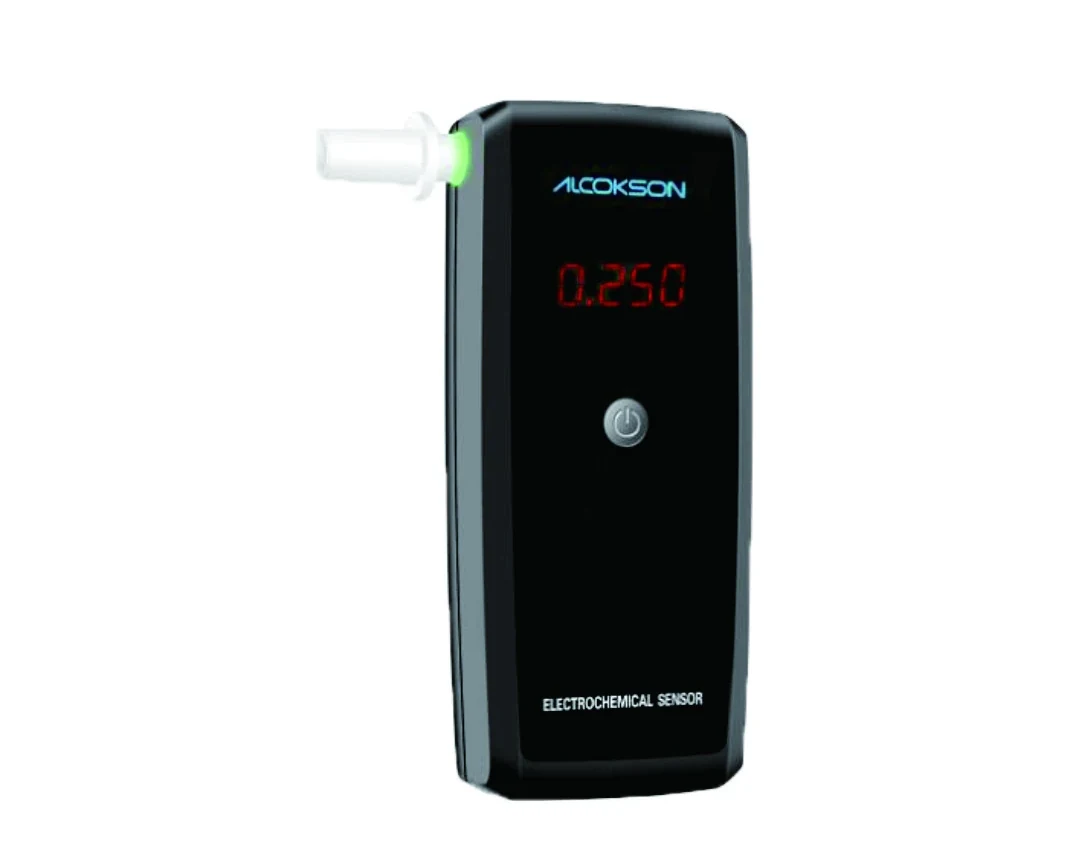
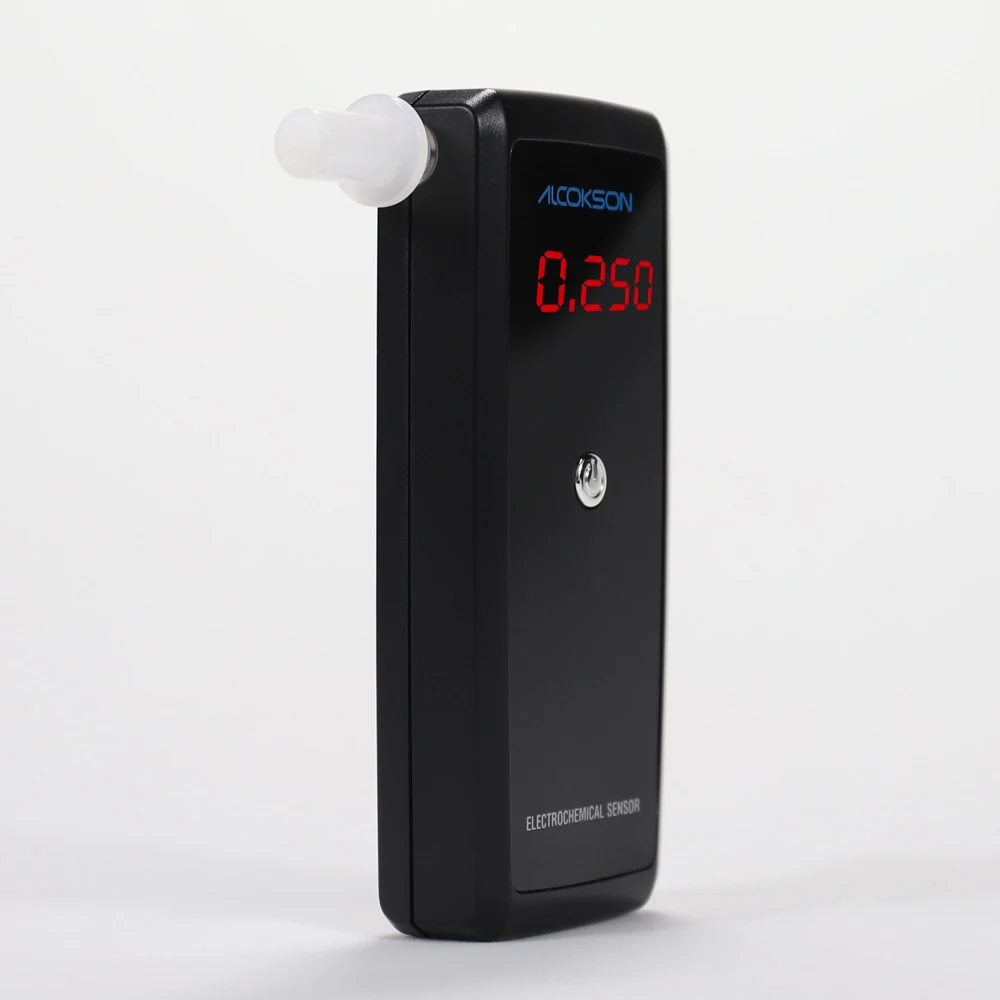
Breath Alcohol Tester ALC-213
The ALC-213 is a handheld fuel cell breath alcohol tester designed for pre-shift screening at gates and checkpoints wh...
View specification →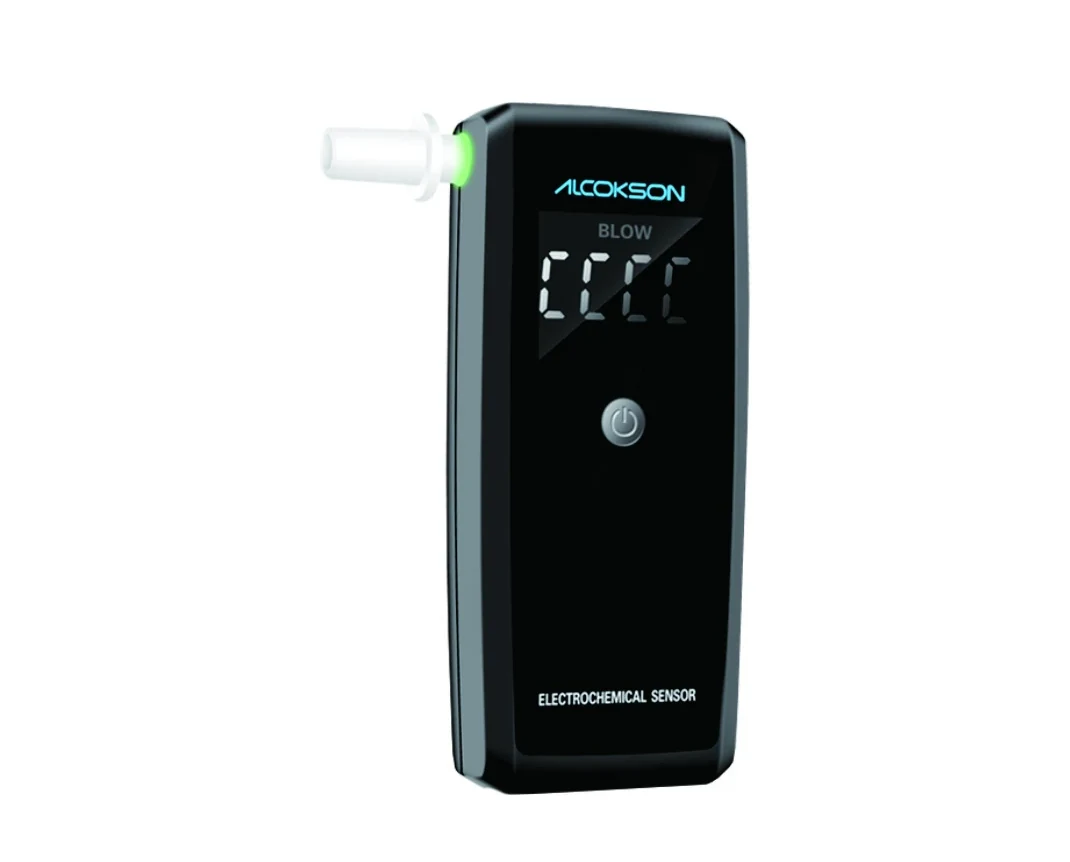
Breath Alcohol Tester ALC-213Pro
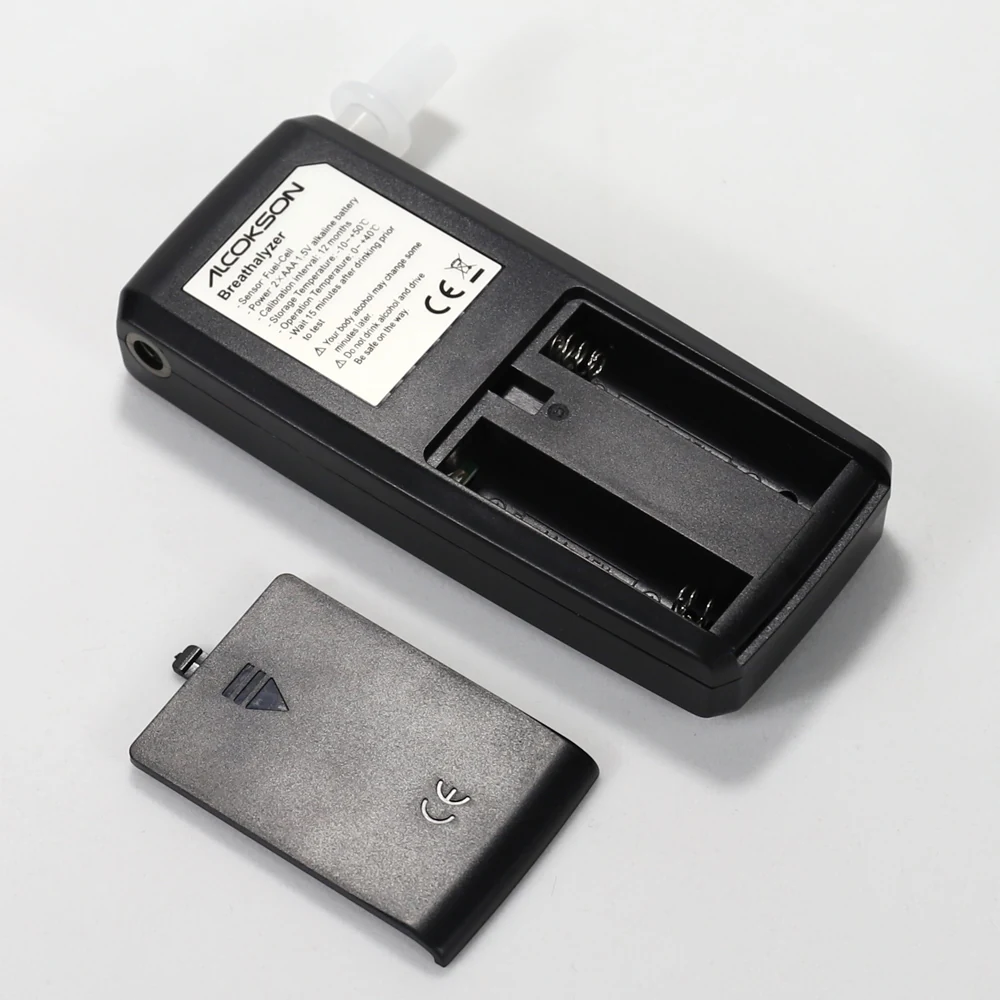
The ALC-213Pro is a handheld fuel cell breath alcohol tester with the same electrochemical sensor and performance spec...
View specification →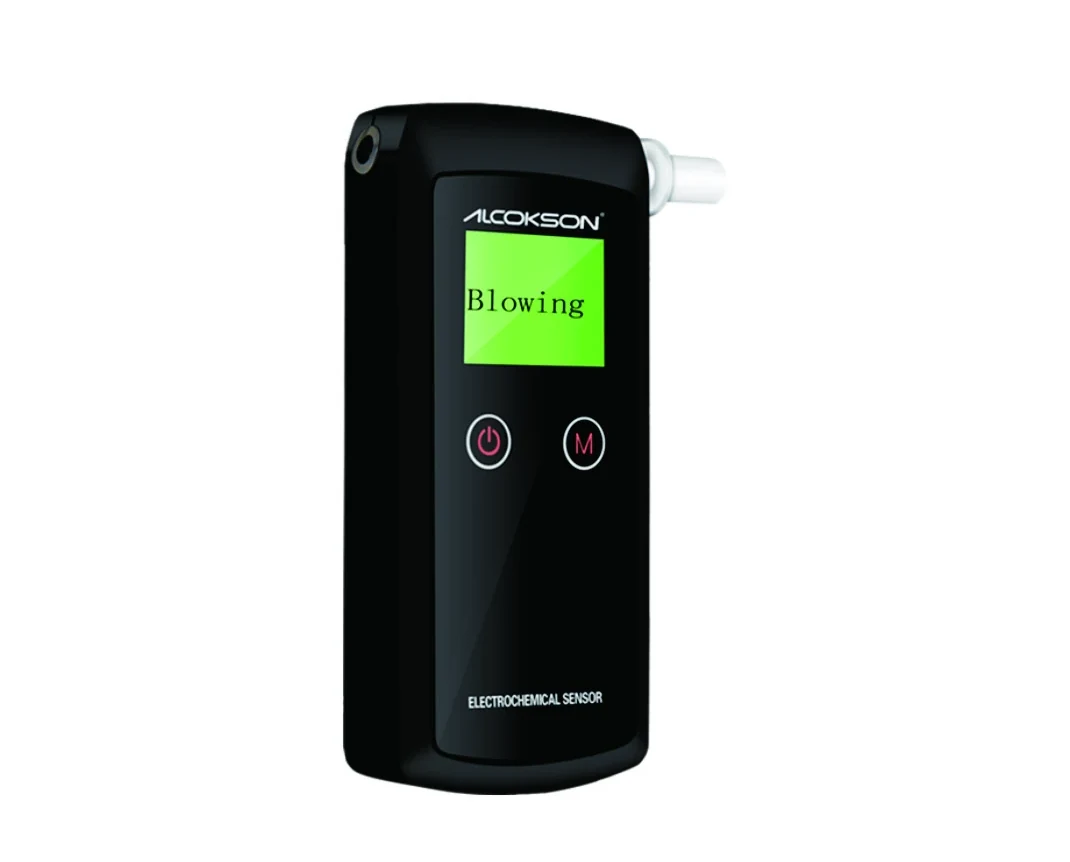
Breath Alcohol Tester ALC-215
The ALC-215 is a handheld fuel cell breath alcohol tester designed for traffic police, road safety agencies, and check...
View specification →Related Guides
Questions Buyers Ask Before Ordering
How often must the interlock be calibrated?
Can the calibration be done in the field?
What happens if the driver fails a test during a journey?
What communication interfaces are available for external systems?
What is the measurement range of the interlock?
Have a question this guide did not answer
Send the detail of your site or fleet and we will answer against the specification rather than with a brochure.