
Calibration and Maintenance of Breath Alcohol Testers
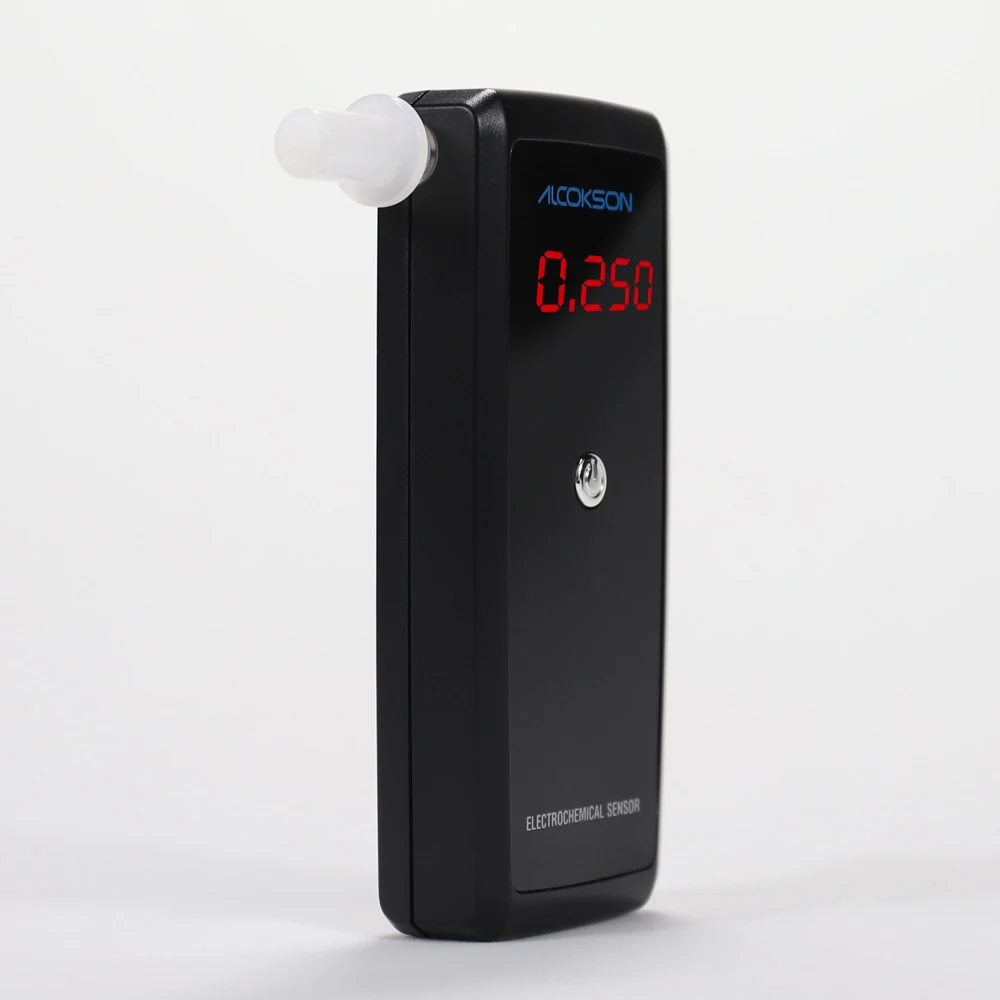
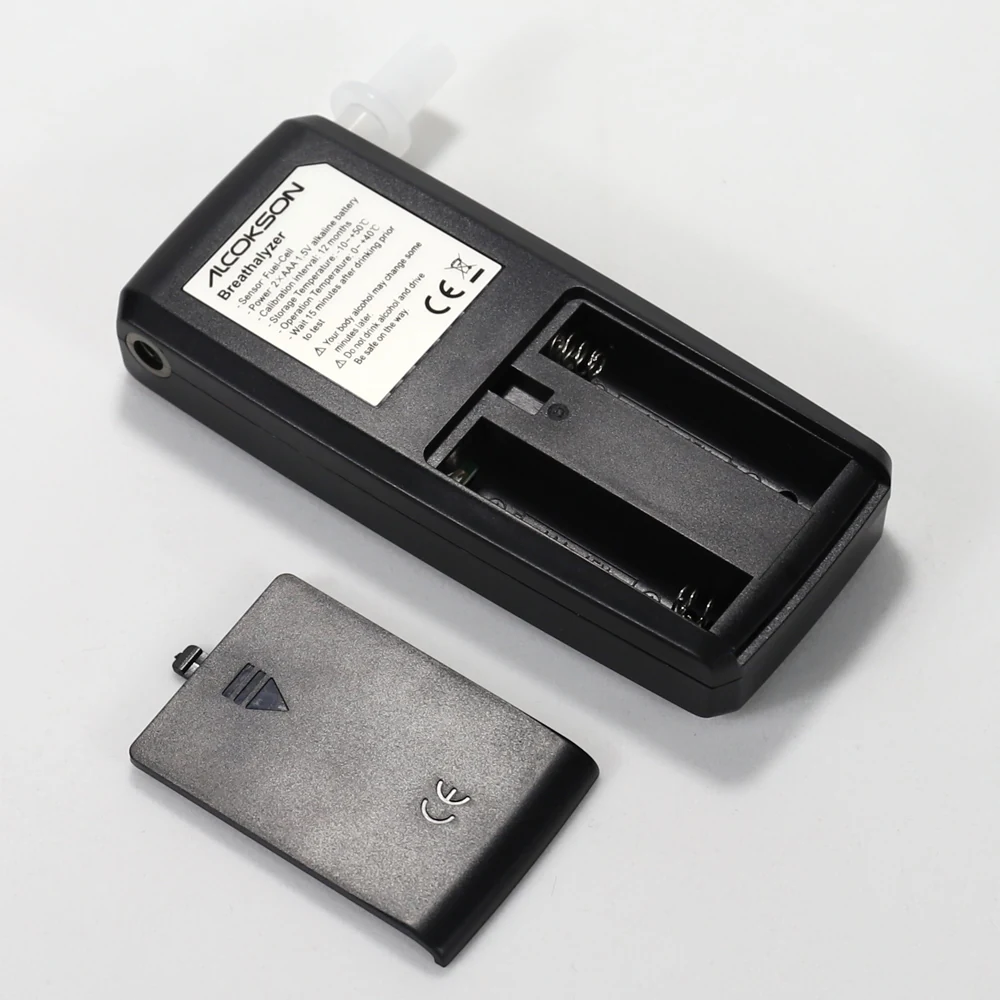
Maintain ALCOKSON handheld and interlock breath alcohol testers with a 500 test or 12 month recalibration interval. Keep records, use new mouthpieces, and store properly between shifts.
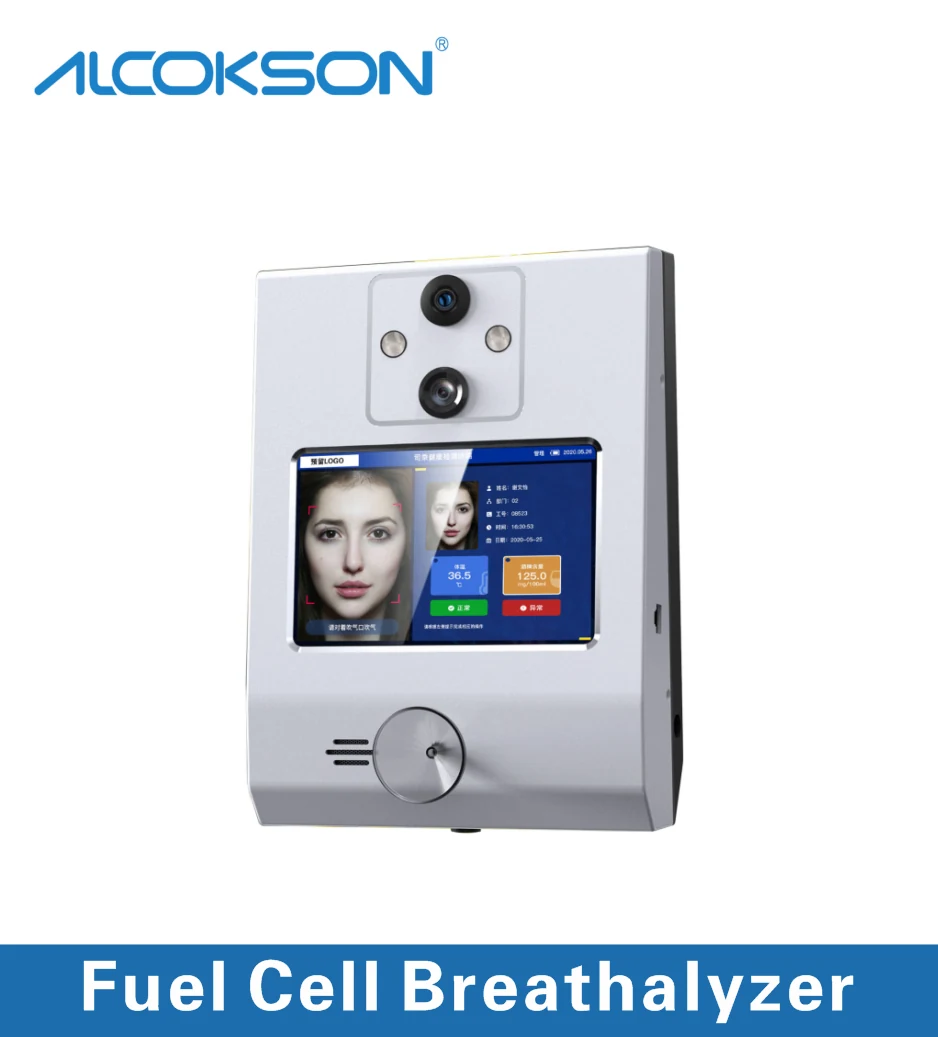
Why a Test Count Interval Matters More Than Calendar Time
A recalibration interval based on test count ensures the device is maintained at a rate that matches actual usage. At a busy depot, 500 tests may be reached in less than a month. The ALCOKSON handhelds use this metric to trigger service before drift affects results. Calendar-based intervals alone can allow extended use beyond safe limits if testing volume is low. The 500 test or one year rule is a dual safeguard that aligns with operational load.
What to Do When a Unit Reads Inconsistently
If a handheld tester gives a result outside expected range, first check the mouthpiece for blockage or contamination. Replace it with a new one from the included stock. Perform a zero test in clean air. If the reading remains unstable, stop using the device. Do not attempt to adjust or recalibrate in the field. Send it to the service centre for evaluation. A dropped unit may have internal damage that affects sensor performance.
Read the Breath Alcohol Tester ALC-213 specification →
How to Maintain Mouthpiece Hygiene and Stock
Each test uses a new mouthpiece. The ALCOKSON handhelds come with five. Replace them after every use to prevent cross-contamination and sensor contamination. Store spare mouthpieces in a clean, dry container. Do not expose them to extreme temperatures or direct sunlight. Replace the entire stock when the current set is depleted. Never reuse a mouthpiece.
Why a Calibration Record Must Be Auditable
An auditor will ask whether the device was within its recalibration interval on the date of a test. The ALCOKSON handhelds log the test count and last recalibration date. Keep a written record of each service event, including the date, test count at service, and next due date. This record must be retained for at least one year after the device is retired. A missing or incomplete record invalidates the test history.
Storage Between Shifts and in Extreme Temperatures
Store handheld testers at 0-50 C. Do not leave them in a vehicle during winter or summer. The fuel cell sensor is sensitive to temperature extremes. If a unit is exposed to temperatures outside the operating range, allow it to return to the 10-40 C operating range before use. The interlocks are rated for -20 to 65 C but should be stored within 0-50 C when not in use.
Instruments the Guide Refers To
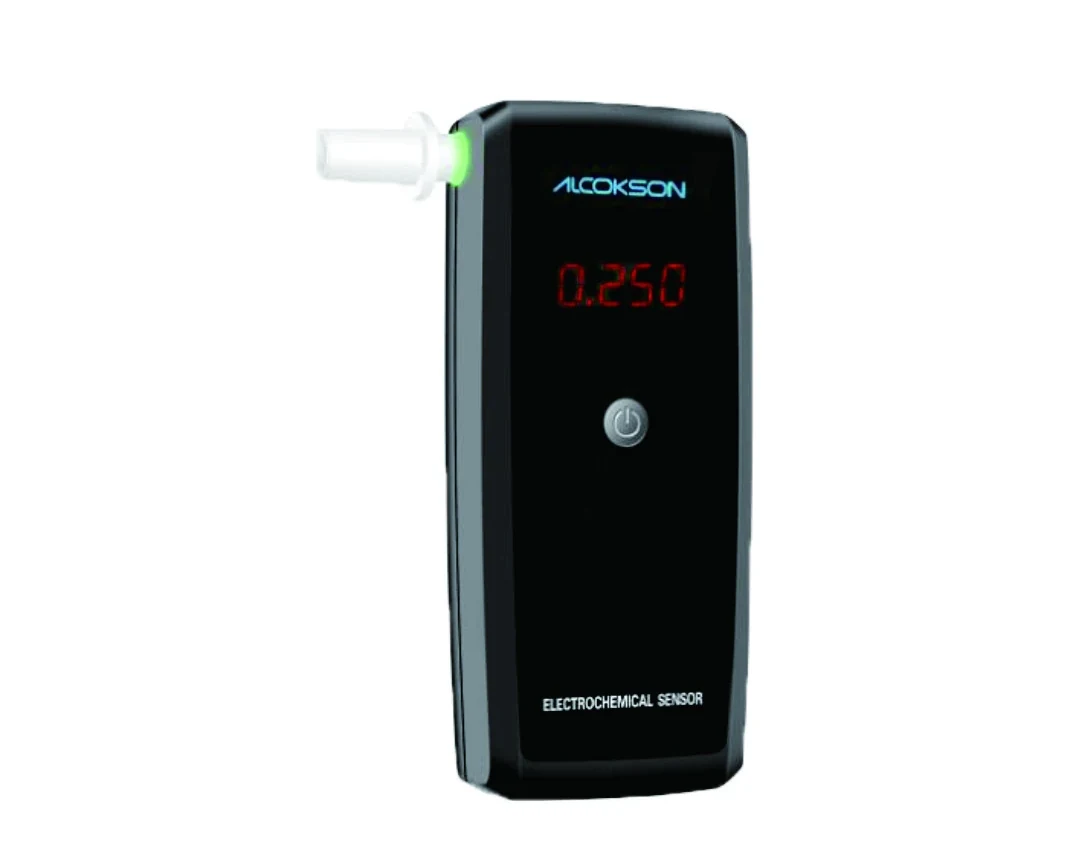
Breath Alcohol Tester ALC-213
The ALC-213 is a handheld fuel cell breath alcohol tester designed for pre-shift screening at gates and checkpoints wh...
View specification →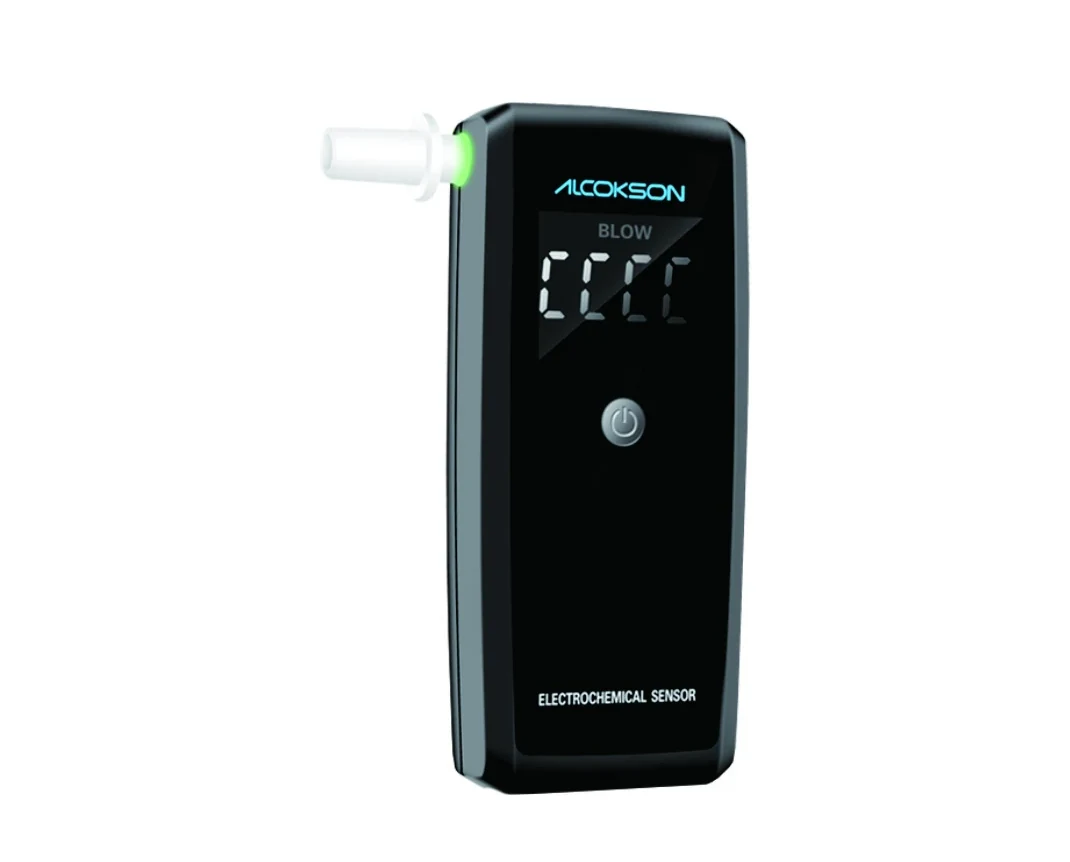
Breath Alcohol Tester ALC-213Pro
The ALC-213Pro is a handheld fuel cell breath alcohol tester with the same electrochemical sensor and performance spec...
View specification →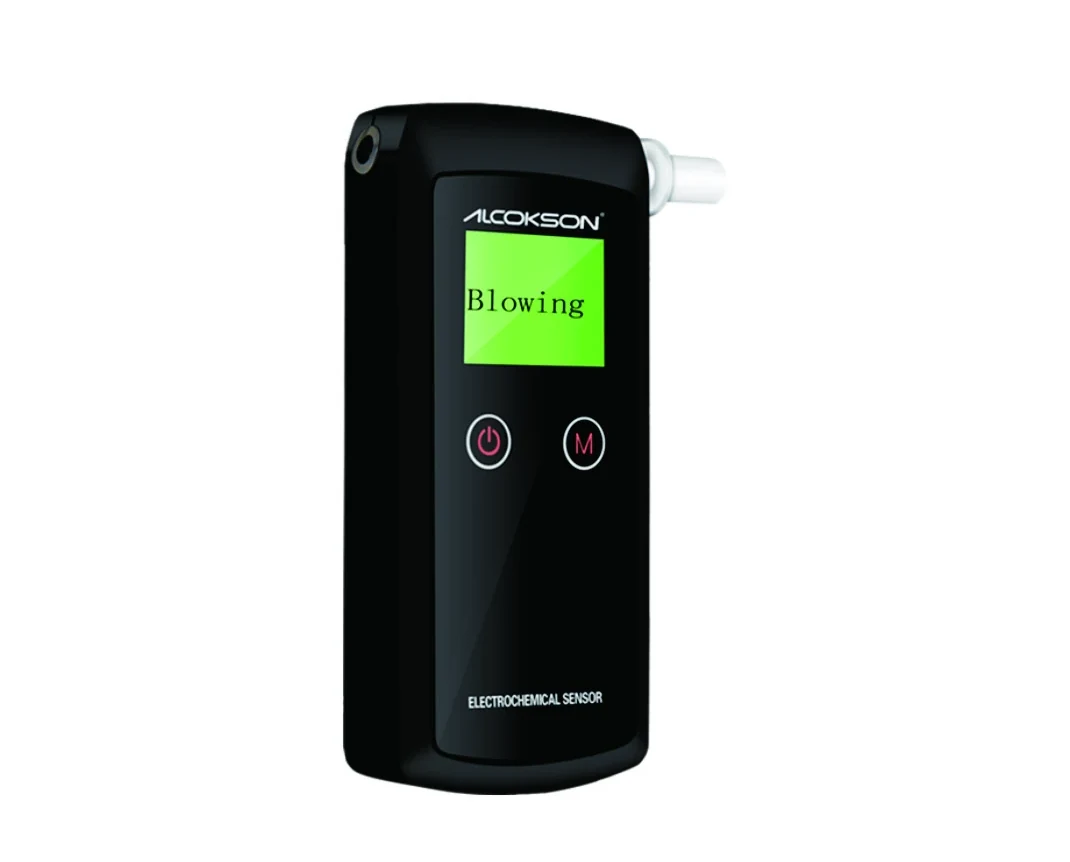
Breath Alcohol Tester ALC-215
The ALC-215 is a handheld fuel cell breath alcohol tester designed for traffic police, road safety agencies, and check...
View specification →Related Guides
Questions Buyers Ask Before Ordering
How often must I recalibrate the handheld testers?
Can I use the same mouthpiece more than once?
What should I do if the device is dropped?
How do I know when the next calibration is due?
Is the interlock recalibrated every year?
Have a question this guide did not answer
Send the detail of your site or fleet and we will answer against the specification rather than with a brochure.