
Writing a Workplace Alcohol Testing Procedure
How to write a workplace alcohol testing procedure: thresholds, 15-minute wait, screening vs evidential results, and 20000 test records for audit readiness.
Why the Procedure Must Specify the Test Threshold
The threshold determines whether a result triggers a response. ALCOKSON handhelds allow selection of 0.02%, 0.05%, or 0.08% BAC at the service centre. Choose based on your site policy. A 0.02% threshold is for zero-tolerance environments. A 0.08% threshold is for general fleet screening. The alarm point is not user-adjustable in the field. It must be set in advance and confirmed in writing per order.
Read the Breath Alcohol Tester ALC-213 specification →
How to Handle a Positive Screen Without a Legal Result
A screening result from an ALCOKSON device is not evidential. It is a gate check. If the result exceeds the threshold, the subject must be removed from duty. A follow-up evidential test is required using a certified instrument. The procedure must state that a positive screen does not mean the person is legally impaired, but it does mean they are not allowed to operate a vehicle or work in a safety-sensitive role.
Why the 15 Minute Wait Is Non-Negotiable
Mouth alcohol from recent eating, drinking, or smoking can elevate a breath reading. The 15-minute wait ensures that any residual alcohol in the mouth has dissipated. This is required for all ALCOKSON handhelds and terminals. Skipping it invalidates the result, regardless of sensor type or calibration status.
Read the Breath Alcohol Tester ALC-215 specification →
How 20000 Test Records Change Record Keeping
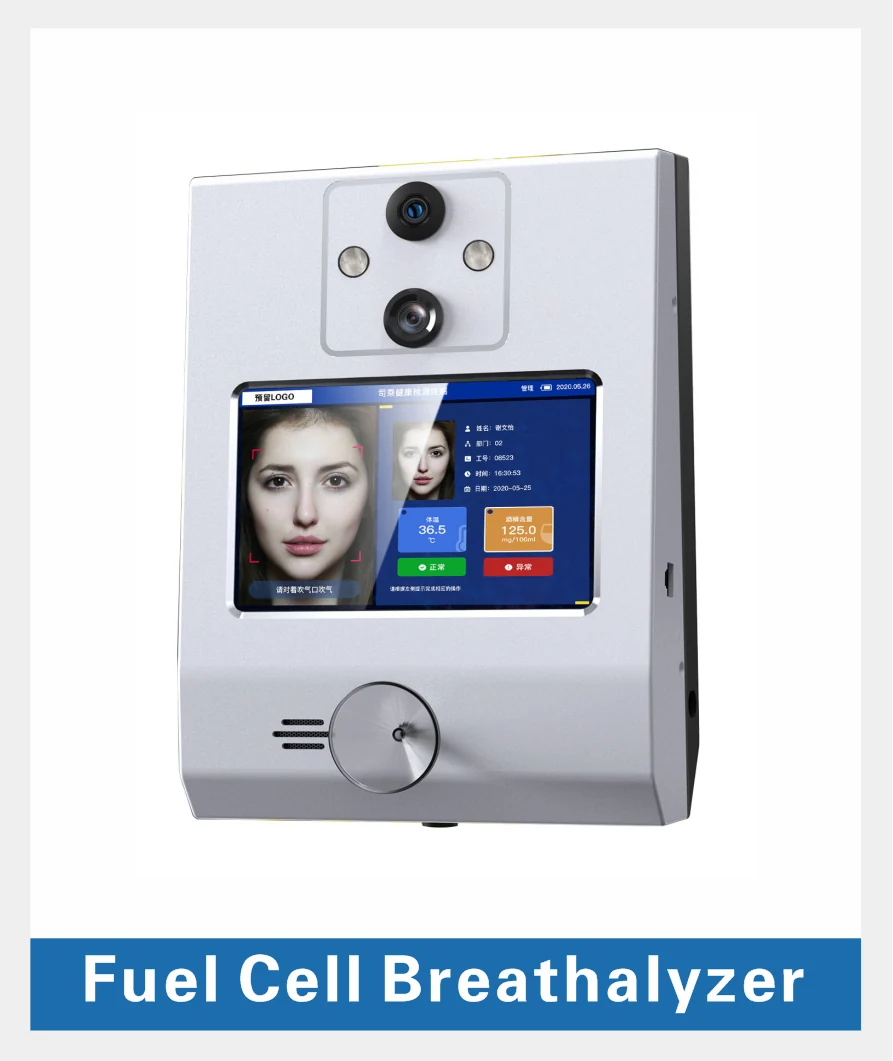
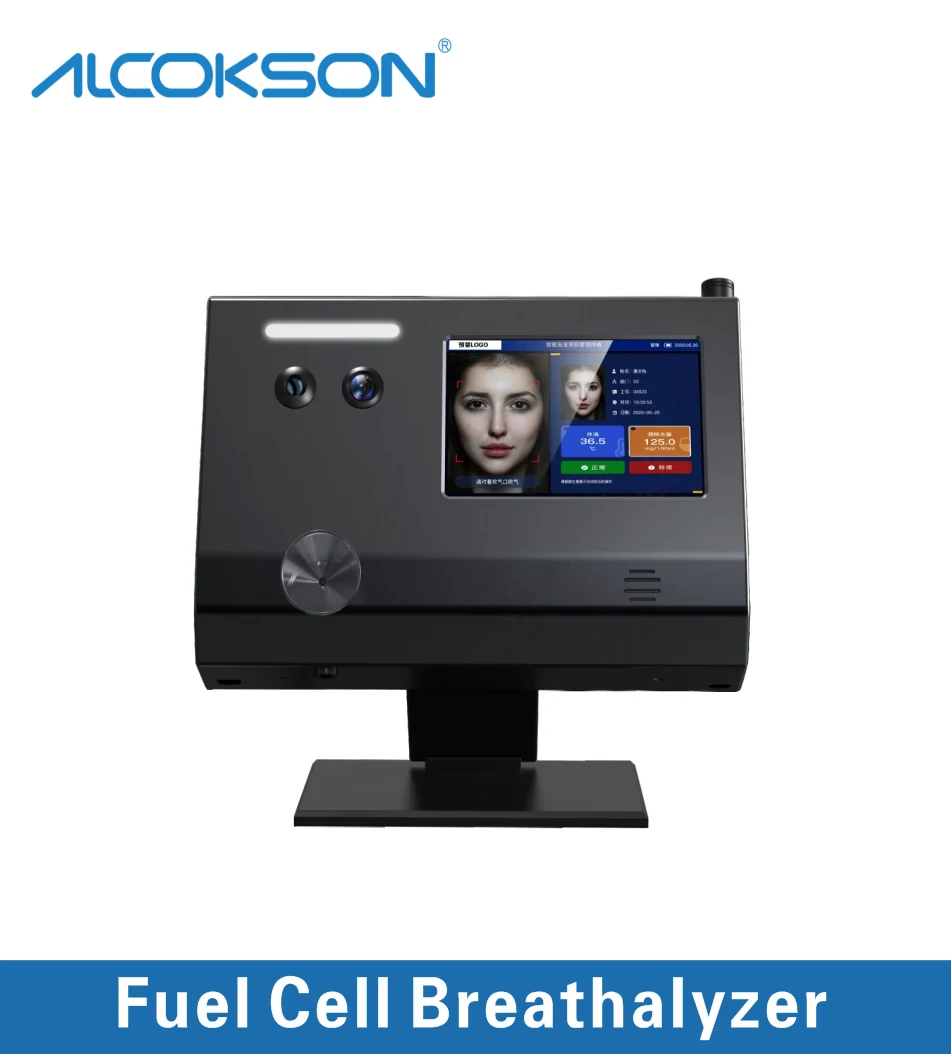
The ALC-605 and ALC-608 terminals store up to 20,000 test records. This eliminates the need for daily or weekly data transfer. The procedure must specify how long records are retained, who has access, and how they are backed up. The system supports audit trails across shifts and sites without manual logging.
Read the Breath Alcohol Tester with Body Temperature ALC-605 specification →
What to Include in the Written Procedure
The procedure must state: who is tested (all drivers, shift workers, contractors), when (before shift, after break, random), by whom (trained staff, not the subject), at what threshold (0.02%, 0.05%, 0.08%), what happens on a positive screen (remove from duty, initiate follow-up), how records are kept (digital, stored on terminal), and how the same process is applied across all sites and shifts. Include the 15-minute wait rule and the distinction between screening and evidential results.
Instruments the Guide Refers To
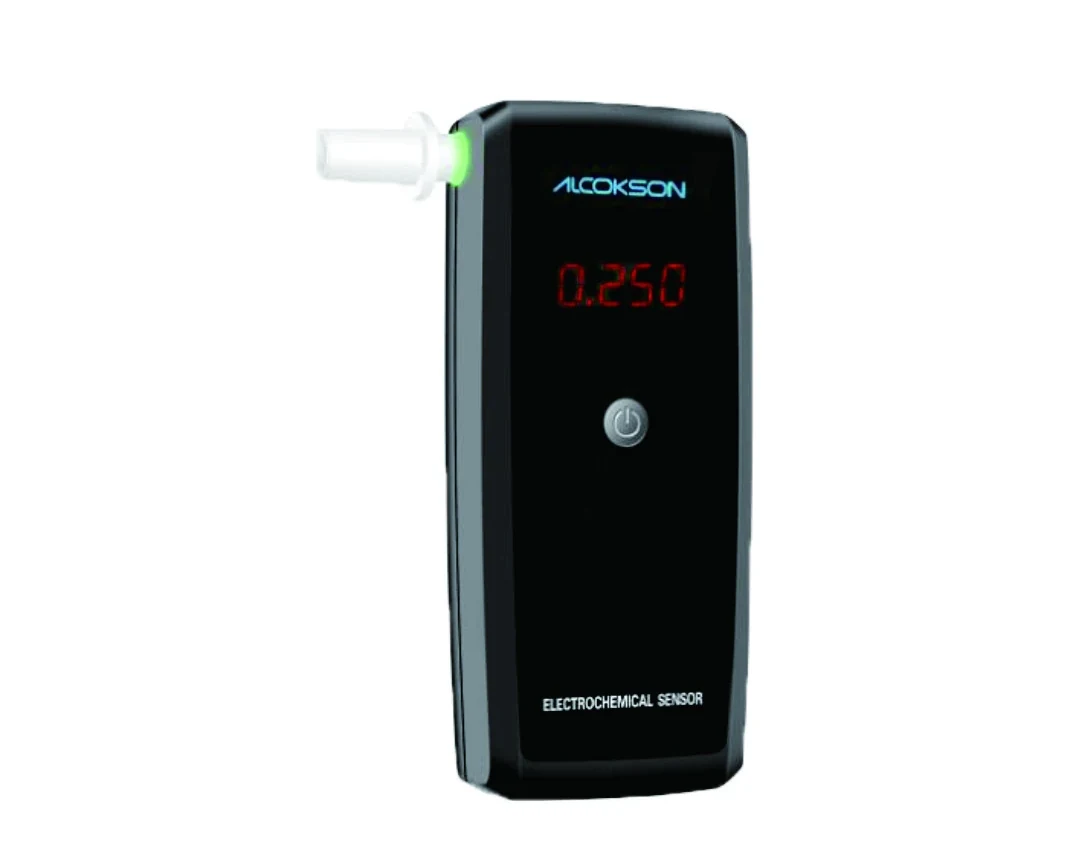
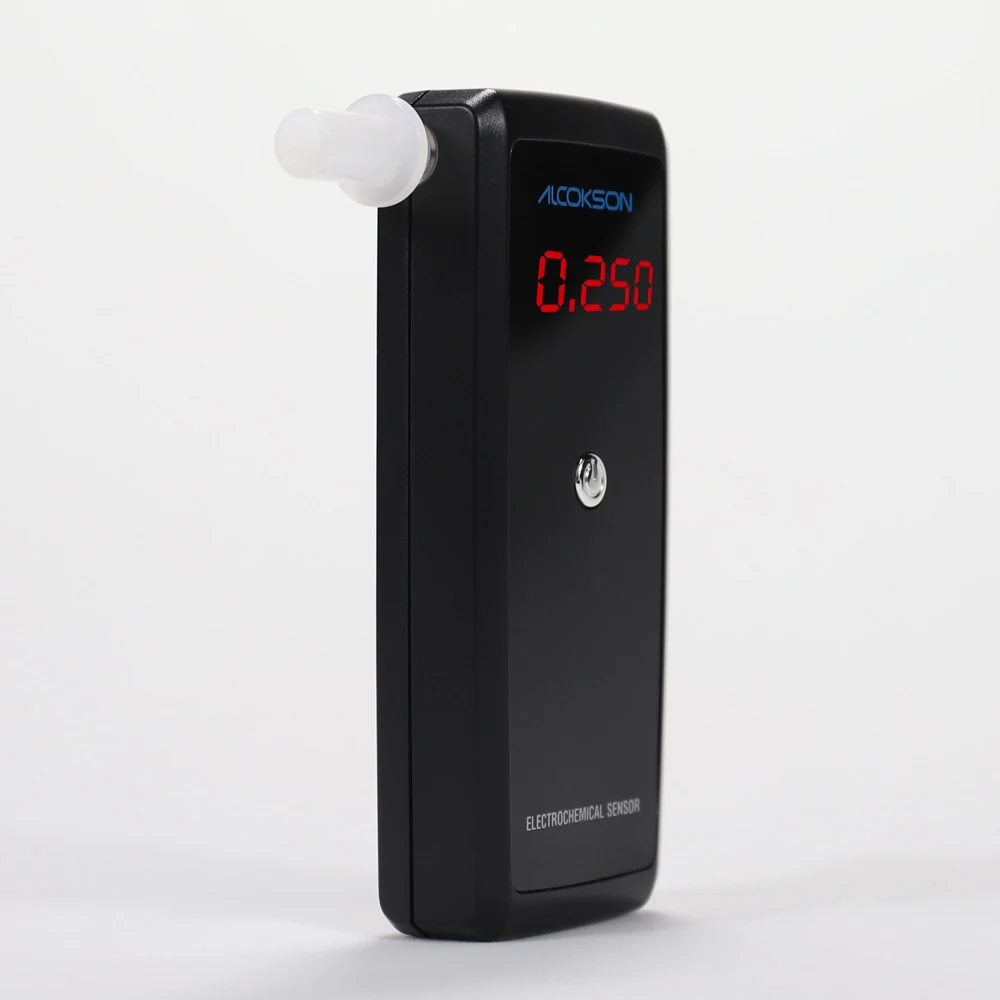
Breath Alcohol Tester ALC-213
The ALC-213 is a handheld fuel cell breath alcohol tester designed for pre-shift screening at gates and checkpoints wh...
View specification →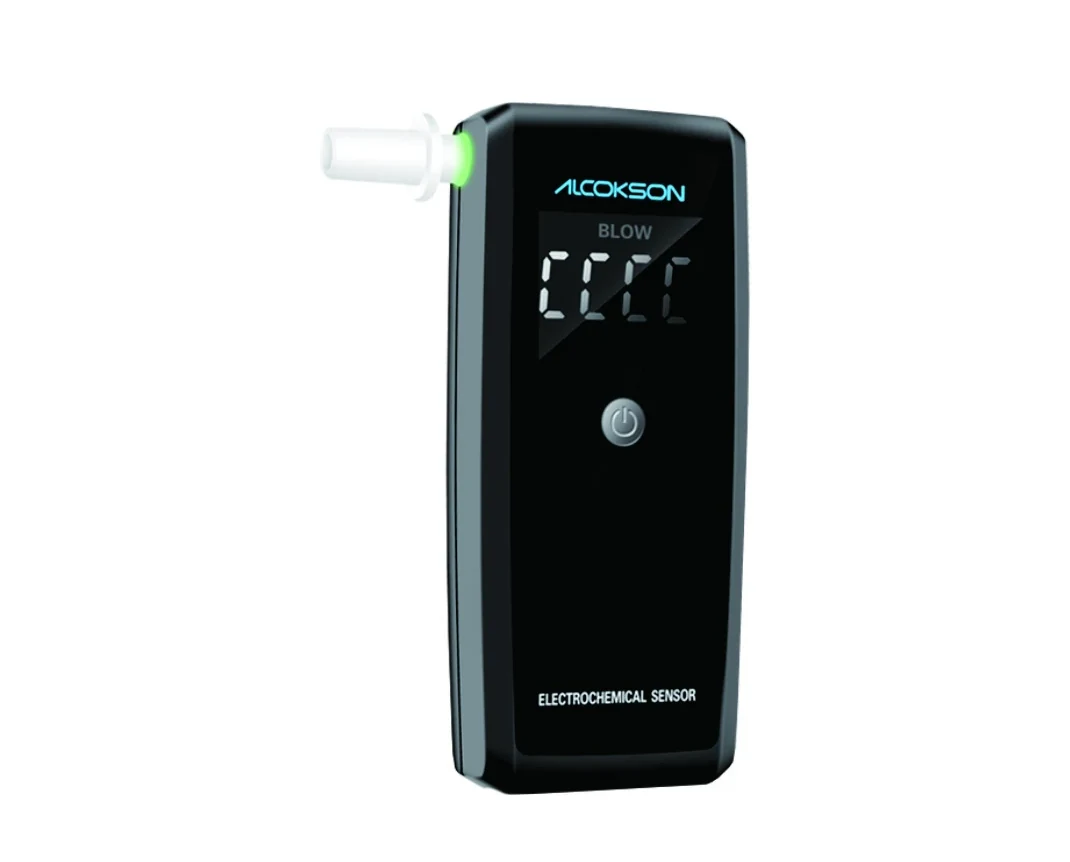
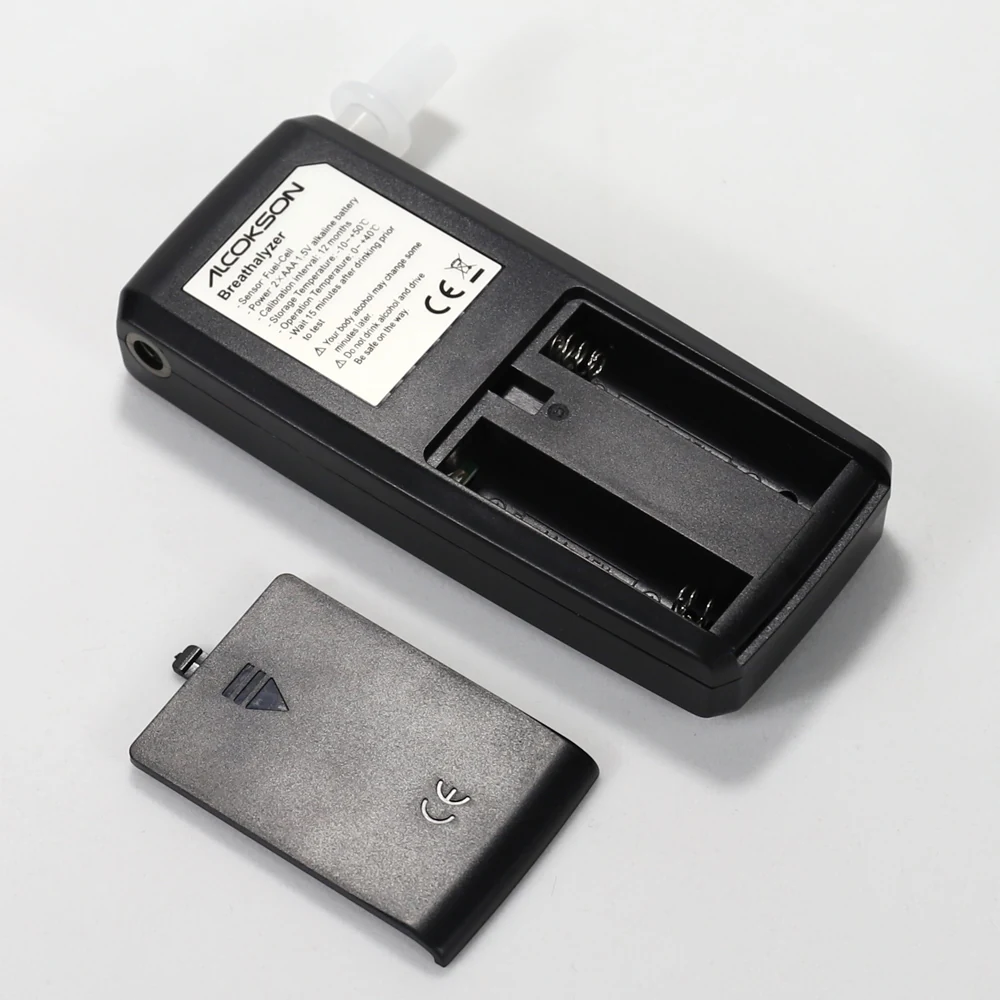
Breath Alcohol Tester ALC-213Pro
The ALC-213Pro is a handheld fuel cell breath alcohol tester with the same electrochemical sensor and performance spec...
View specification →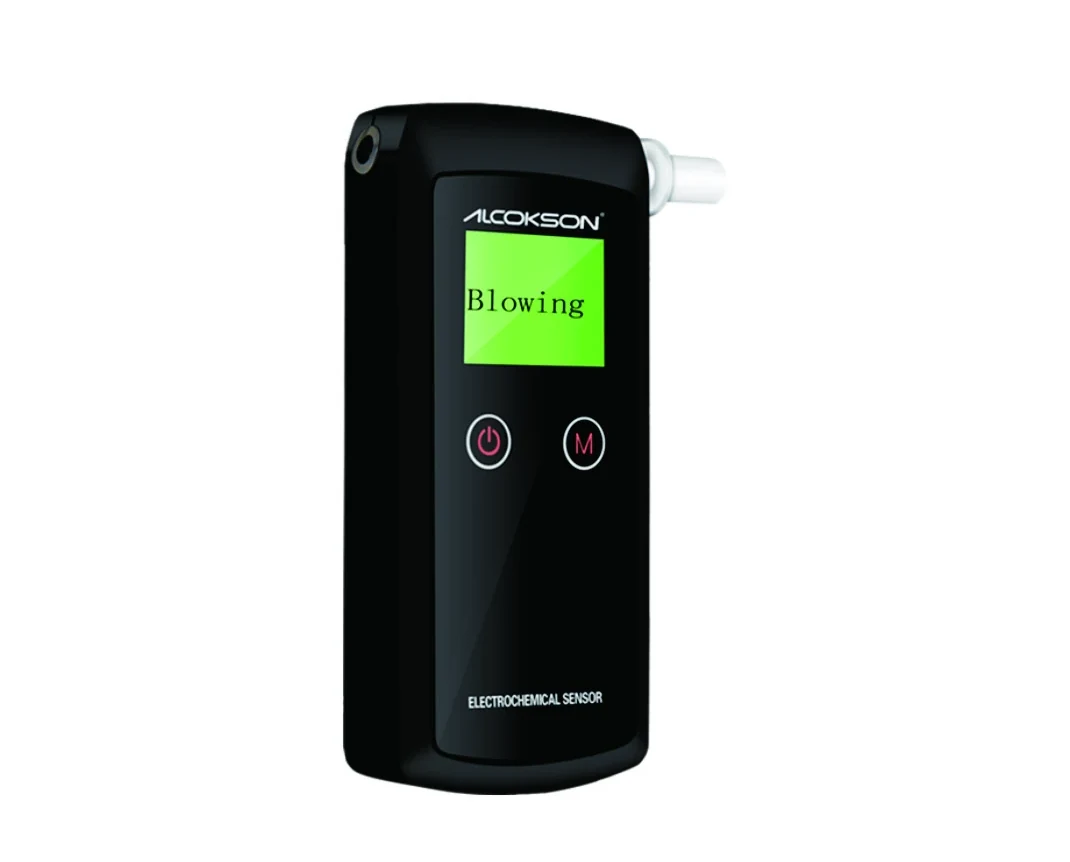
Breath Alcohol Tester ALC-215
The ALC-215 is a handheld fuel cell breath alcohol tester designed for traffic police, road safety agencies, and check...
View specification →Related Guides
Questions Buyers Ask Before Ordering
What threshold should I set in the procedure?
Can a screening result be used in a disciplinary process?
How many test records can the terminal store?
Is the 15 minute wait required for all tests?
How is the alarm point set?
Have a question this guide did not answer
Send the detail of your site or fleet and we will answer against the specification rather than with a brochure.