
Lessons From a Luxury Packaging Redesign
When a luxury house rebuilds its packaging around recyclability, the detail decisions are worth studying. Most of them are available to far smaller brands, and several reduce cost rather than adding it.
What the redesign involved
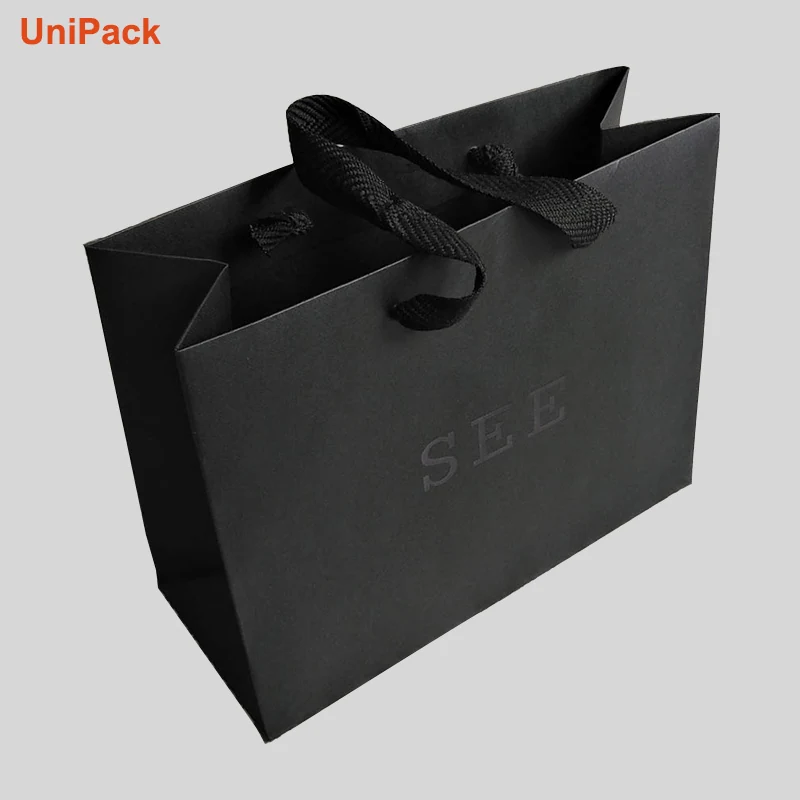
Gucci announced a new packaging design using dark green decorative patterns embossed onto paper bags and cartons, with ribbons in a matching colour and the brand logo presented boldly in black. The new packaging debuted in stores and online with the holiday collection in November.
All the paper and cardboard used for the shopping bags and boxes comes from sustainably managed forest resources. The paper carries its green colour from the start of production, which reduces ink use, and leaving the paper undyed at the later stages keeps it fully recyclable.
Other components followed the same logic. Bag handles are made from recycled polyester and knotted rather than glued, dust bags and suit bags use a blend of recycled cotton and recycled polyester, ribbons are organic cotton, and hangers are recycled polystyrene.
Why embossing beats heavy ink
Embossing and debossing create pattern through relief rather than pigment. On a coloured base stock this gives a rich surface with very little ink, which suits both a recycling claim and a repeat-order budget once the die exists.
A single blind emboss plus one spot colour often reads as more expensive than full four-colour print on the same board. Buyers moving upmarket should test this combination before paying for heavier coverage.
Foil stamping sits between the two. It adds a metallic accent with no wet ink, though foil layers can complicate a plain recyclability message if coverage is large.
Handles, glue and disassembly
Knotting a handle instead of gluing it means the handle can be pulled out before the bag is recycled. That is a small construction change with a real effect on how the bag ends its life.
Rope handles in recycled polyester, cotton or paper all behave differently under load. Paper twist handles keep the bag single-material; rope handles carry more weight and feel more premium but should be removable.
If the bag is meant to be kept and reused, specify a reinforced base and a top turnover. Luxury bags are reused precisely because they survive several trips.
Setting a plastic reduction target
Gucci set a corporate goal of eliminating disposable plastic products by 2030, in line with the fashion convention signed by its parent company, Kering Group, and states that its product packaging currently contains no plastic.
Smaller brands can apply the same approach in stages: remove plastic lamination first, then plastic handles, then any plastic inserts. Each step is easy to verify and easy to explain to customers.
Replacing gloss lamination with a matt water-based varnish or an uncoated stock is the change buyers notice most, because it alters both feel and recyclability at once.
What to check before you commit
Ask for chain-of-custody documentation if you plan to make a sustainable-sourcing claim on the pack. Our FSC licence FSC-C203497 sits under certificate SGSHK-COC-332074, valid to 17 May 2029, and the claim must match what was actually produced.
Run a scuff test on any dark uncoated stock. Deep colours show handling marks, so a protective varnish may be needed even where lamination is being removed.
Approve a physical sample of the finished bag with handles fitted. Colour, emboss depth and handle tone interact, and none of the three can be judged reliably from a screen.
Takeaways
- Coloured base stock plus embossing cuts ink while looking richer than heavy print.
- Knotted handles replace glue and can be removed before recycling.
- Remove plastic in stages: lamination, then handles, then inserts.
- Dark uncoated board scuffs; test before approving.
- Match any sourcing claim to real chain-of-custody documentation.
Ranges Mentioned in This Article

Questions Readers Ask
Is embossing expensive?
There is a one-off cost for the die, after which each impression adds little. For repeat designs it often works out cheaper than full-colour coverage while giving a more premium surface.
Can a laminated bag be recycled?
Plastic film lamination complicates paper recycling. Where a clean recyclability message matters, replace the film with a water-based varnish or an uncoated stock, and test scuff resistance first on dark colours.
Do I need FSC certification to use FSC paper?
To print the FSC claim on your packaging the producing chain must be certified. Our licence is FSC-C203497 under certificate SGSHK-COC-332074, valid to 17 May 2029; the order must be produced on that basis.
Other Articles
Turn This Into a Quotation
Send your dimensions and quantity and we will apply what is in this article to your own specification.