
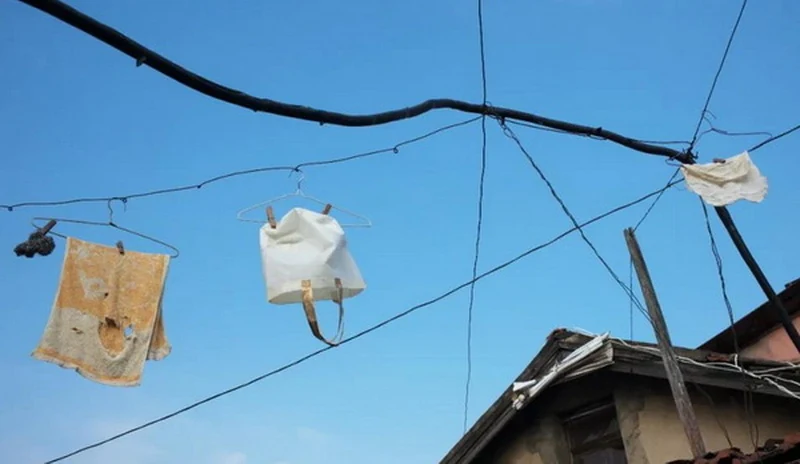
Cotton Totes Versus Plastic: What Buyers Should Know
Cotton totes signal environmental intent, but the published numbers behind them are far less flattering than the image suggests. Understanding why the gap exists changes how you specify a promotional bag and how you talk about it.
The reuse figure that surprises buyers
According to a 2018 study by the Ministry of Environment and Food of Denmark, an organic cotton tote needs to be used 20,000 times to offset the overall impact of its production. That equates to daily use for 54 years, for a single bag.
Cotton is water-intensive to grow, and disposal is not straightforward either. Travis Wagner, an environmental science professor at the University of Maine, points out that a tote cannot simply go into a compost bin, and only 15 percent of the 30 million tons of cotton produced each year reaches textile depositories.
Printing makes recycling harder still. Christopher Stanev, co-founder of the Seattle textile recycling firm Evrnu, says most logo dyes are PVC-based and extremely difficult to break down chemically. Printed patterns have to be cut out of the cloth, and he estimates 10 to 15 percent of the cotton his firm receives is wasted that way.
Why this is not a simple ranking
None of this makes cotton straightforwardly worse than plastic. Cotton can involve pesticides and heavy water consumption, while lightweight plastic bags use fossil fuels, do not biodegrade and end up in the oceans.
The two materials fail in different ways, which is why comparing them on a single score is misleading. What matters more is how many times the bag you buy will actually be used.
Brands have responded differently. One knitwear label halted production of its cotton bags; Aesop moved to a 60-40 blend of recycled and organic cotton, which its chief customer officer Suzanne Santos said would cost 15 percent more but reduce water use by 70 to 80 percent.
Alternative materials
Some brands have switched fibre altogether. Designer Ally Capellino moved from cotton to hemp, while another label introduced a tote made from recycled water bottles, a material also used by Nordstrom in its stores.
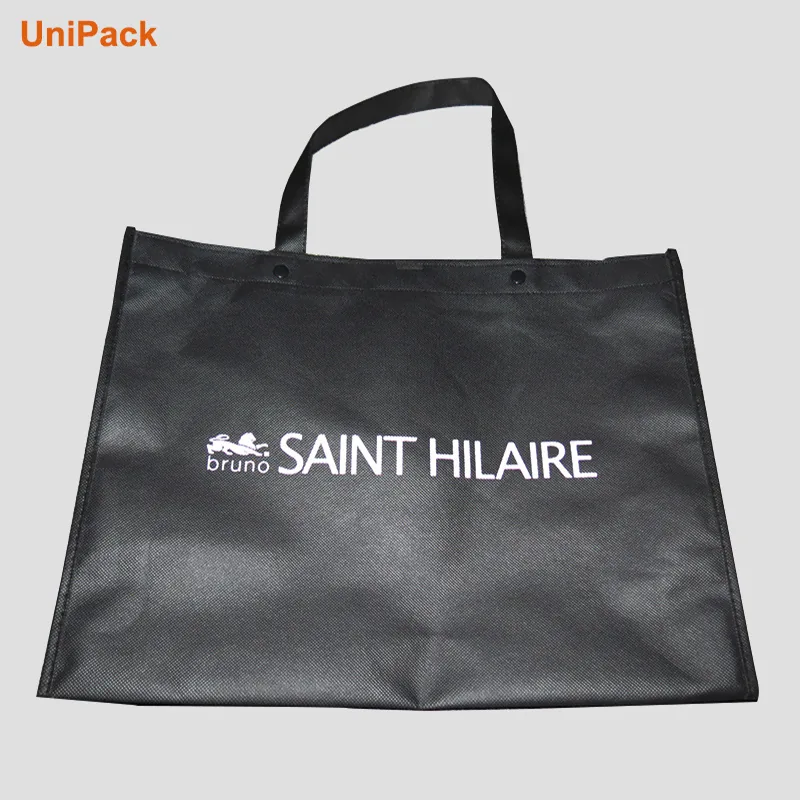
Nonwoven polypropylene bags are light, cheap and take print well, and are a common supermarket choice. They are plastic-based, so their case rests entirely on repeated reuse.
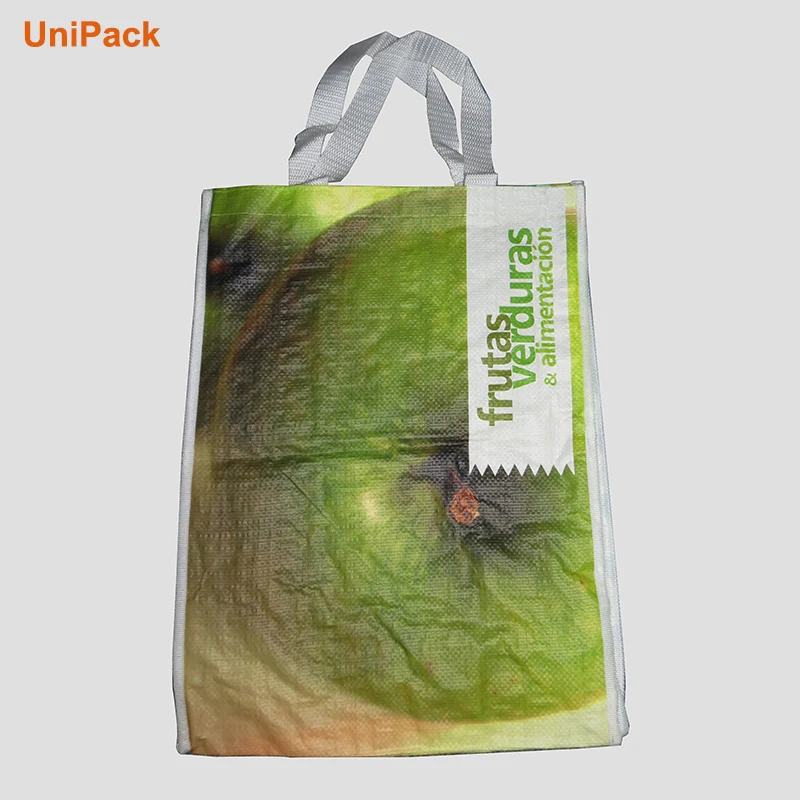
Jute and canvas sit at the durable end and suit bags meant to be kept. PP woven bags are the workhorse where loads are heavy and the bag needs a wipe-clean surface.
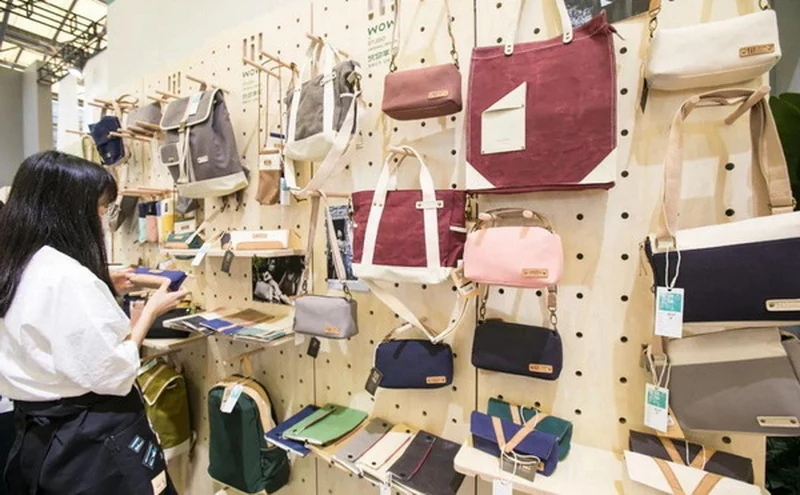
Specifying a bag people actually reuse
Reuse is a design outcome, not a slogan. Size it for a real load, make the handle length suit a shoulder if that is how it will be carried, and choose a weight of fabric that does not sag when half empty.
Keep the branding restrained. A bag covered edge to edge with a logo is used as advertising and abandoned quickly; a discreet mark gets carried for years, which is exactly what the impact figures require.
Limit print coverage for recycling reasons as well. Large PVC-based print areas are the part that has to be cut out during textile recycling.
Before you order
Confirm fabric weight in gsm, handle width and stitching at the handle joint, then test a sample loaded rather than empty. Handle attachment is where most reusable bags fail.
Nonwoven and PP woven bags generally start at around 2,000 pieces per design, which makes them accessible for smaller programmes than many fabric options.
Be careful with wording. The simplest defensible message is to ask the customer to reuse the bag, rather than claiming an environmental benefit the material cannot support on its own.
Takeaways
- A 2018 Danish government study puts organic cotton tote break-even at 20,000 uses.
- PVC-based logo print is a real obstacle to textile recycling.
- Cotton and plastic fail differently; reuse count decides which is better in practice.
- Design for reuse: right size, comfortable handles, restrained branding.
- Nonwoven and PP woven bags usually start at 2,000 pcs per design.
Ranges Mentioned in This Article
Questions Readers Ask
Should we stop using cotton totes?
Not necessarily. They make sense where the bag will be kept and used for years. They make little sense as a giveaway handed out in bulk at an event and discarded soon after.
Are nonwoven bags better than cotton?
They are lighter and cheaper to produce, but they are plastic-based. Their advantage depends on reuse, just as cotton's does, so choose based on how the bag will realistically be used.
How can I make a tote more recyclable?
Reduce print coverage, avoid PVC-based inks where an alternative exists, and keep the fabric to a single fibre. Mixed fibres and large printed areas are the hardest parts to process.
Other Articles
Turn This Into a Quotation
Send your dimensions and quantity and we will apply what is in this article to your own specification.