
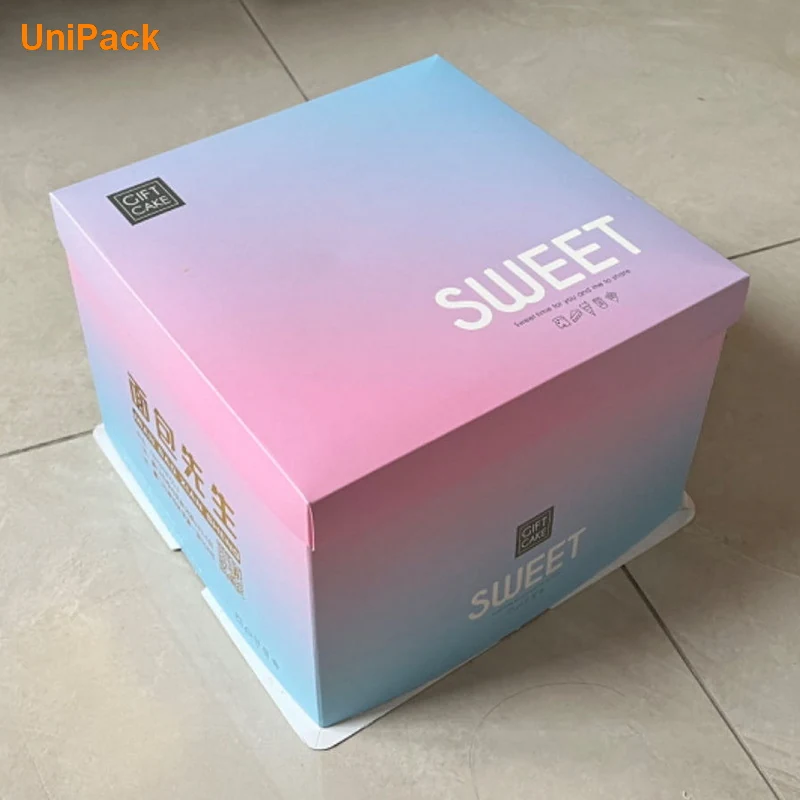
Food Contact Packaging
Food packaging is specified around the food first: temperature, grease, moisture and how long it sits before it is eaten.
Start a ProjectEvery Step From Brief to Shipment
Nothing moves to the next step until the one before it is approved, because every change after the die is cut costs time you do not have.
Food and Format
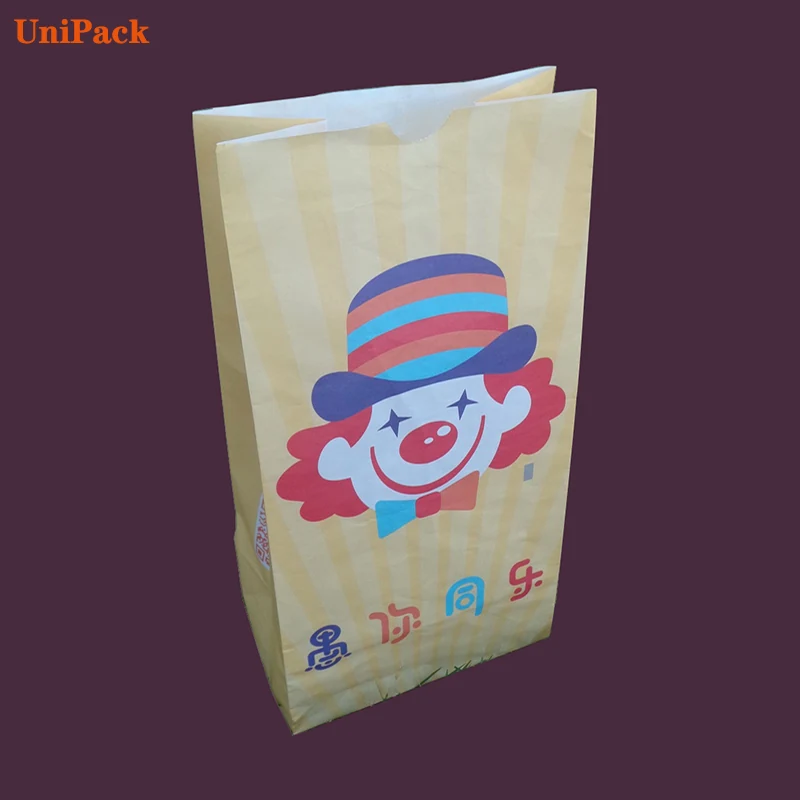
What goes in the pack, hot or cold, wet or dry, decides whether the item is a bag, bowl, cup or box.
Stock Selection
Food grade kraft paper or food grade white ivory board, with PE coating where the contents need it.
Structure and Volume
Volumes and dimensions are set on a sample, such as 390ml and 520ml paper food bowls or a 27x27xH20cm cake box.
Printing
CMYK or Pantone colour printing, applied so the print stays clear of the food contact surface.
Lids and Accessories
PET, PP or paper lids specified with bowls and cups.
Production and Inspection
Production under the approved sample with inspection at each stage.
Run on Our Own Presses
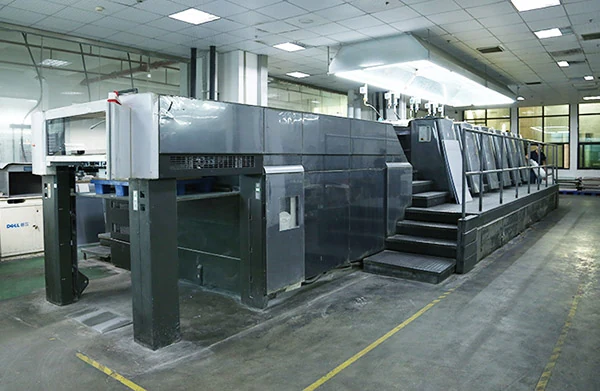
Three sets of Heidelberg presses, paper cutting and die cutting machines, a manual foil stamping press and paper bag folding machines sit on one 2,500 square metre floor run by 58 people.
That is why a colour correction, a die change or a structure question is answered by the people who will run the job rather than passed down a chain of subcontractors.
What This Programme Produces
Questions About Food Contact Packaging
Are paper bowls microwavable?
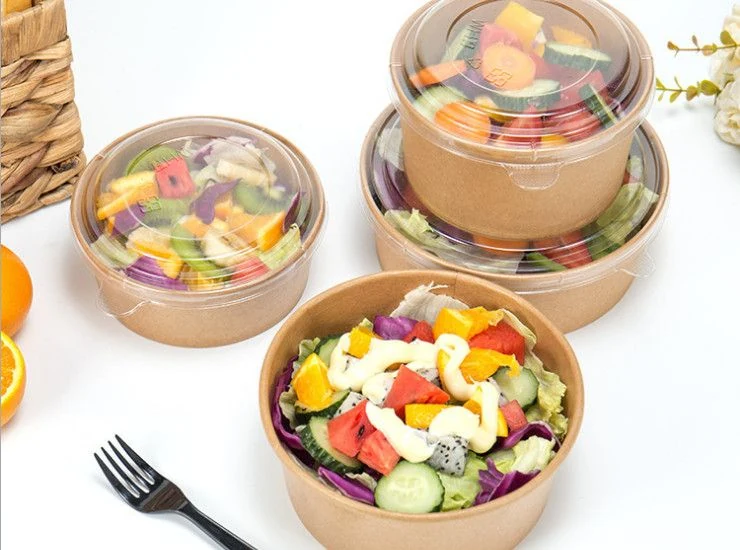
The brown kraft paper bowls are described as microwavable for a short time and able to withstand temperatures up to 120°C.
Are the food packs recyclable?
The kraft paper bowl line is described as 100% recyclable and as an alternative to plastic bowls.
What minimums apply?
Several food grade paper lines start at 50,000 pieces, while printed food boxes such as cake boxes start at 3,000 pieces.
Start With a Sample, Not a Purchase Order
Send the brief and we will come back with a structure, a price and a sampling schedule.