
Carrier Bag Charges and How Buyers Should Respond
When England extended its carrier bag charge to every shop in May 2021, buyers who had relied on free plastic carriers had to rethink specification. Here is how to approach that decision without over-ordering the wrong bag.
What changed
From 21 May 2021, small shops in England were required to charge 10p for carrier bags for the first time, extending a rule that previously applied only to larger retailers. The government expected single-use carrier bag use in small and medium-sized businesses to fall by 70-80% as a result.
The National Federation of Retail Newsagents welcomed the change. Its national president, Stuart Reddish, said the trade had pushed for it for six years and described the result as a level playing field, adding that many smaller retailers already charged and passed the money to local charities.
For a buyer, the practical consequence is simple: the bag stops being a giveaway and becomes a small purchase the customer notices. That raises the bar on how the bag looks and how well it performs.
The bag-for-life problem
Environmental groups argued the scheme still had significant shortcomings. Friends of the Earth called for the charge to be extended to paper carrier bags and for new rules covering bags for life, after retailers reported substantial increases in long-life bag sales once free single-use plastic carriers disappeared.
Camilla Zerr, plastics campaigner at Friends of the Earth, said many plastic bags for life appear to be used only once rather than for the bag's lifetime, which undercuts the point of a heavier bag. Long-life plastic bags contain more plastic than the ones they replaced.
The lesson for specification is that durability only pays off if the bag is genuinely reused. A heavy bag that ends its life after one trip is worse than a light one, not better.
Choosing between paper and reusable formats
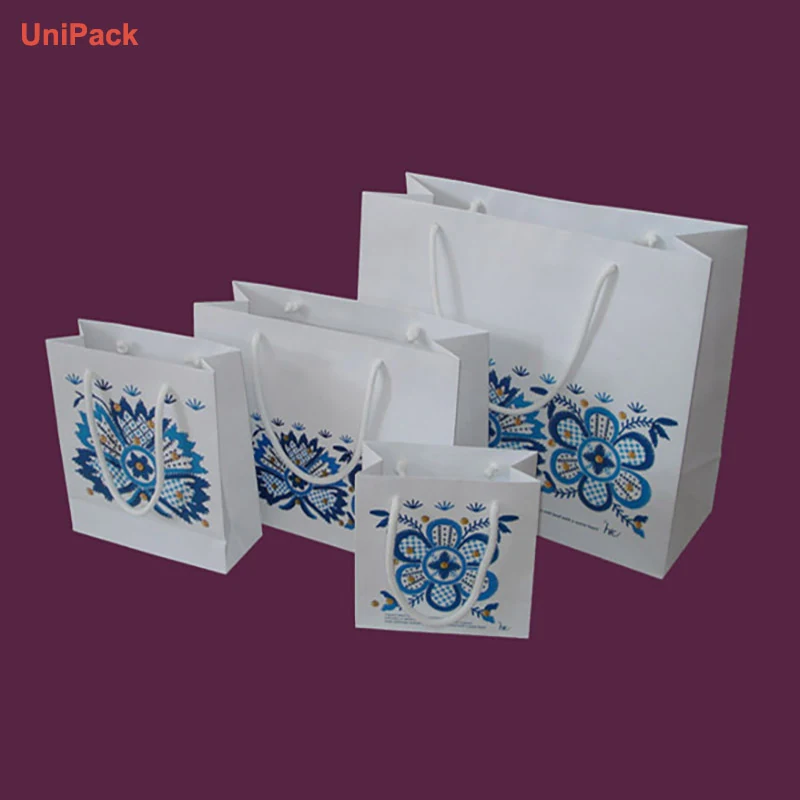
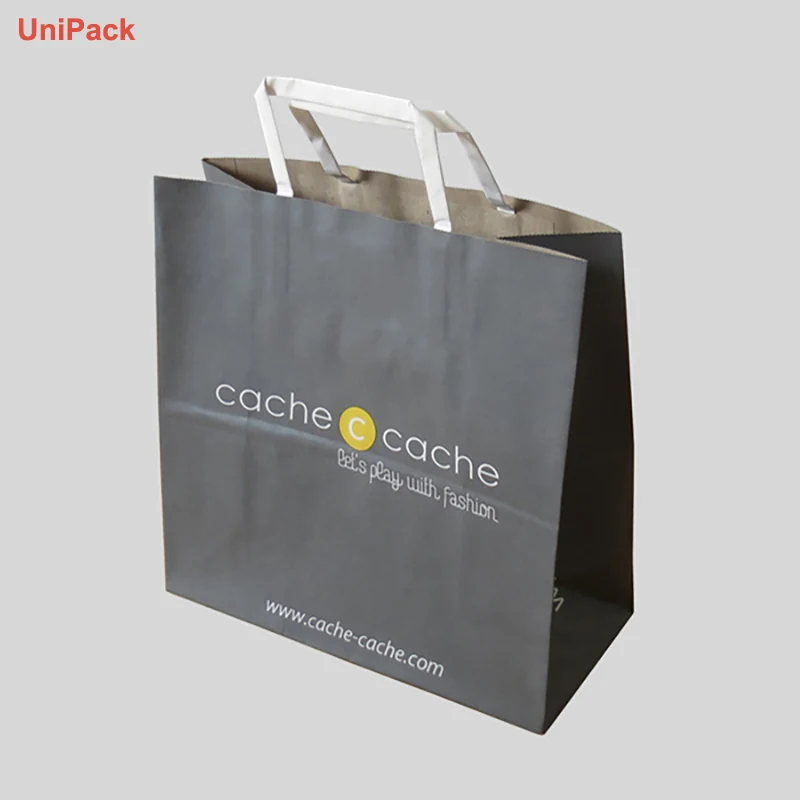
Paper carriers suit shops where the load is light to moderate and kerbside recycling is widely available. Twisted paper handles keep the bag fully paper-based; cotton or PP rope handles look better on premium bags but should be removed before recycling.
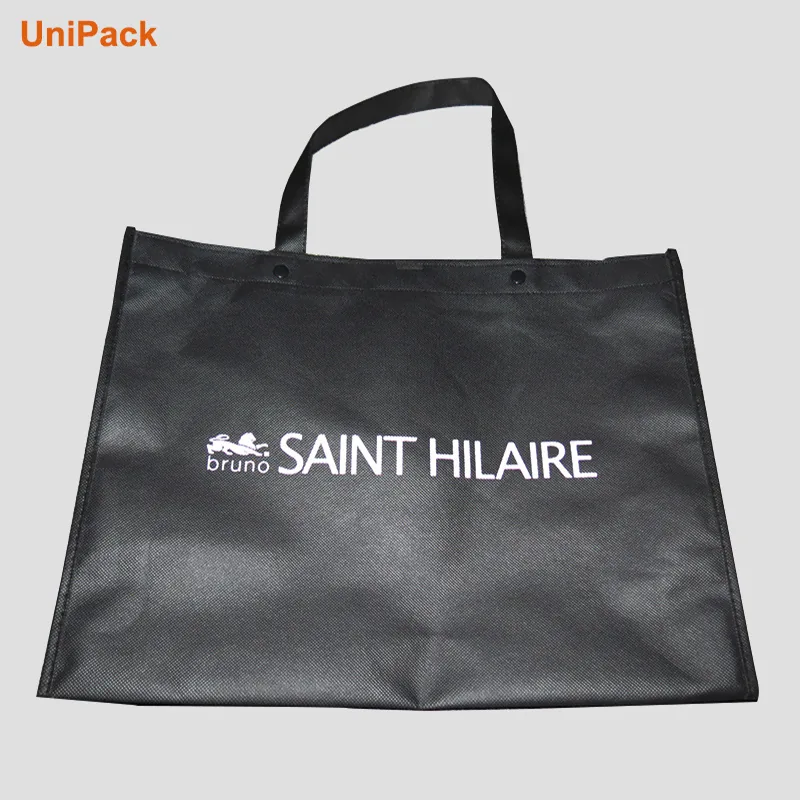
Nonwoven and PP woven bags earn their place where customers carry heavy or wet goods and where the bag is likely to be reused week after week, such as grocery. They cost more per unit and should be priced to encourage reuse rather than handed out freely.
If sustainability claims appear on the bag, check them against what the material can actually support. Vague wording invites challenge; a plain statement about recycled content or recyclability is safer.
Specification checks before you order
Fix the load first. A bag intended for two bottles needs a different paper weight and handle anchoring than one holding a shirt. Ask for a drop test or a loaded sample rather than accepting a weight figure alone.
Check the gusset and base. Most failures happen at the base fold or where the handle is glued, not in the middle of the panel, so reinforced base card and a patched handle area are worth the small extra cost.
Confirm print method against quantity. Offset printing suits detailed artwork and medium to large runs; flexo on kraft is cheaper where the design is one or two colours. A sample proof on the actual paper avoids colour surprises, particularly on unbleached kraft.
Ordering practicalities
Paper bags and gift boxes normally start at around 3,000 pieces per design, while nonwoven and PP woven bags start at about 2,000 pieces. Splitting a run across sizes rather than colours usually keeps the tooling and setup cost down.
Build in time for a physical pre-production sample. Approving artwork on screen and then discovering a handle colour or board shade is wrong costs far more time than the sample round would have.
Takeaways
- From 21 May 2021 all English shops, including small ones, charge 10p per carrier bag.
- A heavier reusable bag only helps if it is genuinely reused many times.
- Test bags loaded, not empty: base folds and handle joints fail first.
- Paper bags and gift boxes usually start at 3,000 pcs; nonwoven and PP woven at 2,000 pcs.
- Keep sustainability wording simple and supportable.
Ranges Mentioned in This Article
Questions Readers Ask
Does the charge apply to paper bags too?
The 2021 extension covered carrier bags in small shops; Friends of the Earth called for the charge to be widened to paper carriers as well. Check current national rules for the market you sell in.
Should I switch entirely to reusable bags?
Only where customers really reuse them. Long-life plastic bags contain more plastic, so if they are used once the switch backfires. Match the format to how the bag will actually be carried.
How do I stop paper handles pulling out?
Specify a reinforced top turnover and a patch behind the handle anchor point, then approve a sample that has been carried loaded. Handle joints and base folds account for most in-use failures.
Other Articles
Turn This Into a Quotation
Send your dimensions and quantity and we will apply what is in this article to your own specification.