

304 vs 316 Stainless Steel for Outdoor Sculpture
The grade decision costs little at the quotation stage and a great deal once a piece starts pitting. Here is how to make it properly.
The base plate and the anchor pattern cause more delays on site than anything else. They are also the easiest part to get right in advance.
The single most useful thing a sculpture supplier can send early is the base plate and anchor pattern drawing. With it, the foundation is cast, cured and drilled while the piece is still being fabricated. Without it, a finished sculpture sits in a crate on site waiting for concrete to cure.
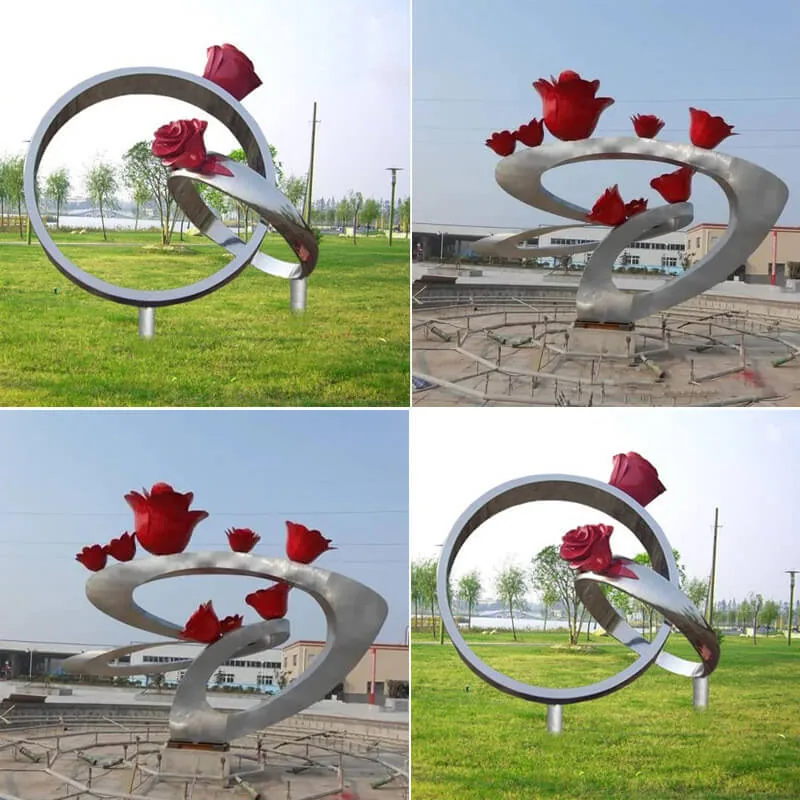
A steel base plate bolted to a reinforced concrete pad cast below finished level, then hidden by gravel, paving or planting. The pad carries the overturning load, not just the weight, which is why its size follows the height and wind exposure of the piece rather than its mass.
A large hollow sculpture weighs very little and presents a great deal of area. In an exposed position the overturning force in a storm is far greater than anything the weight suggests. Exposure has to be part of the brief, not an afterthought.
Mark the intended orientation on the foundation drawing. A piece with a clear front is easy to install facing the wrong way when a crew is working from a crate label and a bolt pattern that happens to be symmetrical.
Check the route from the truck to the position: gate widths, overhead cables, ground bearing for a crane or a telehandler, and whether a finished lawn or paving will take the plant. Where access is tight, the piece is split at joints chosen during design, trial assembled in the workshop, then marked so it reassembles in order.
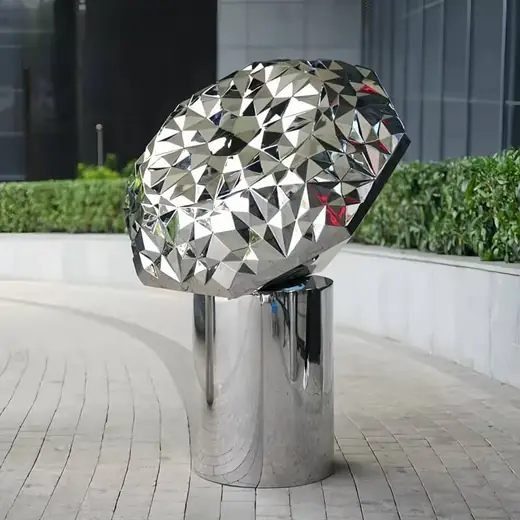
Most damage to a polished sculpture happens in the last five metres. Keep protective covering on until the piece is bolted down and the area is clear, and keep grinding and drilling for other trades away from it. Iron dust settling on stainless steel will rust in spots no matter what grade was specified.
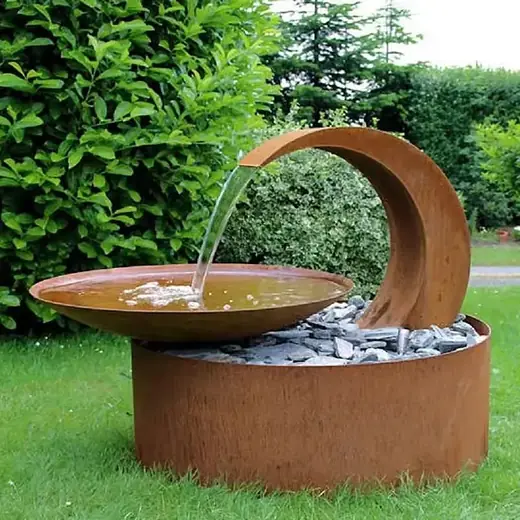
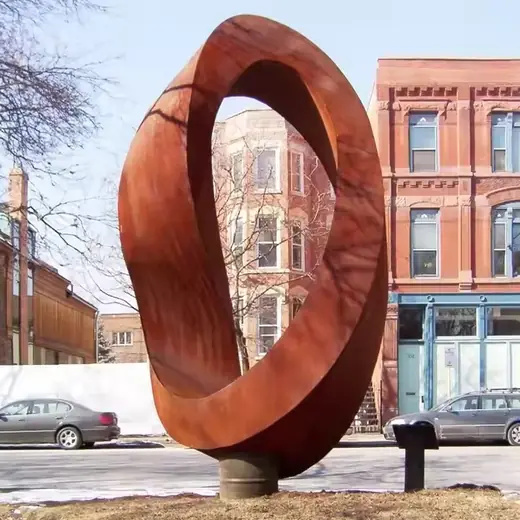
Check the piece drains as designed once it is standing. Keep the base clear of leaf litter so water leaves rather than sits. For Corten, expect the patina to go on settling through the first year, which is normal.
Stainless or galvanised fixings and anchors are supplied with the piece, and sections are marked in assembly order. The concrete foundation itself is normally cast by your own contractor to the drawing we issue.
Often yes, by cutting out a section, casting a pad and reinstating the paving around the plate. It needs to be planned rather than discovered on delivery day.
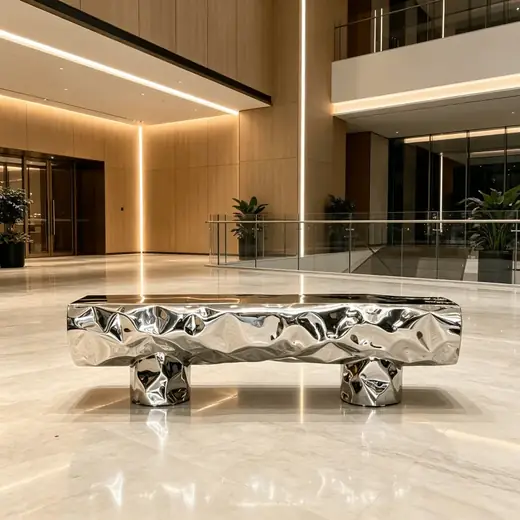
The grade decision costs little at the quotation stage and a great deal once a piece starts pitting. Here is how to make it properly.

A flawless mirror finish is decided during welding and grinding, long before anyone reaches for a polishing mop.
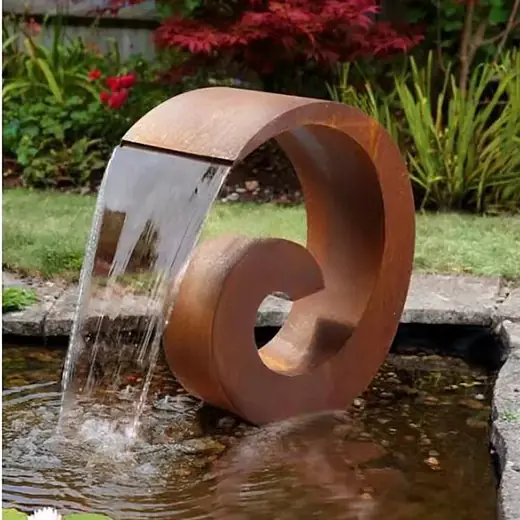
What weathering steel does over its first years outdoors, what it does to the paving underneath, and what to detail at design stage.
Send the position and the constraints and we will tell you which way the decision should go for your case rather than in general.