
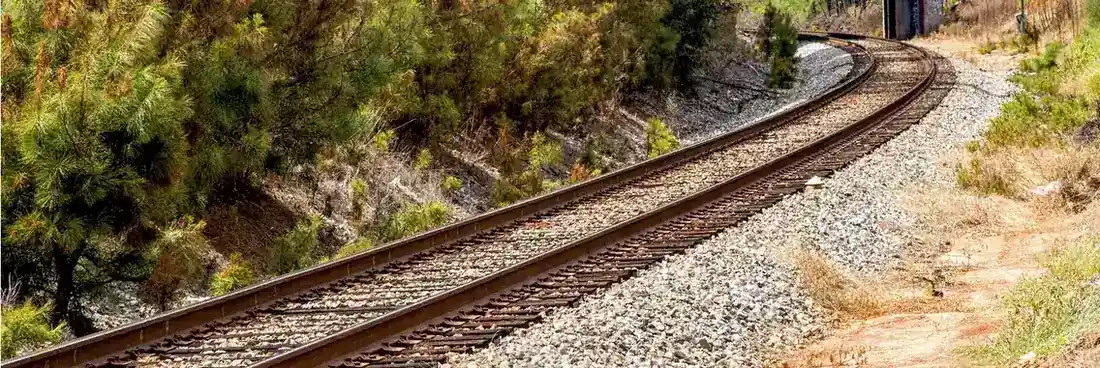
The Status of Rail Flaw Detection
Rail Core Damage And Its Causes
Rail core damage primarily results from poor material quality during smelting or rolling processes. Internal defects in the rail create stress concentration points that grow under repeated loading. These defects are located within the rail head and increase in diameter over time, reducing the rail's load-bearing capacity. Under high-speed repeated loads, the rail becomes prone to fracture. Ultrasonic detection is required to identify such internal flaws before they lead to failure.
Rail Joint Weakness And Common Failures
The rail joint is the weakest section of the track. Wheel loads on the joint increase inertia force by approximately 55% compared to other areas. This leads to frequent occurrences of screw hole cracks and saddle wear. These defects are difficult to detect through visual inspection and require ultrasonic methods for accurate identification during routine maintenance.
Longitudinal And Horizontal Cracks In Rails
Longitudinal and vertical horizontal cracks originate from manufacturing defects such as segregation, shrinkage cavities, and inclusions in the steel ingot. After rolling, these flaws remain embedded in the rail head, waist, and bottom. They align parallel to the rail's longitudinal axis and appear in horizontal or vertical orientations. These cracks propagate under operational stress and can compromise rail integrity if not detected early.
Rail Bottom Cracks And Their Development
Vertical longitudinal cracks begin at the rail waist and extend downward to the rail bottom. Rust pits or scratches on the rail bottom can initiate transverse cracks. Manufacturing defects such as poor rolling or inadequate adhesion between the rail base and sleeper also contribute to high stress at the rail bottom, leading to transverse cracks or bottom fractures. These defects require targeted ultrasonic inspection for detection.
Hand Push Rail Ultrasonic Flaw Detector
The hand push rail ultrasonic flaw detector is used for manual inspection of rail sections. It allows operators to carry the device along the track and perform localized ultrasonic testing. While it provides portability and access to confined areas, its inspection speed is limited and it relies on operator skill for consistent results. It is best suited for short sections, maintenance windows, or areas where larger vehicles cannot operate.
Equipment Referenced in This Article
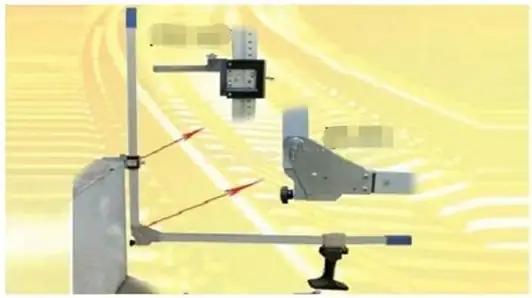
RAILWAY PLATFORM GAUGE
The Railway Platform Gauge is a portable measuring tool designed for precise measurement of the horizontal distance...
View Product →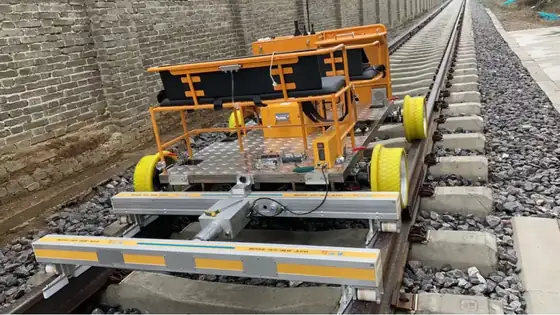
Track Geometry Measurement
The GJY-H-CK-22CM Track Geometry Measurement system is integrated into an electric flaw detection vehicle and runs at a...
View Product →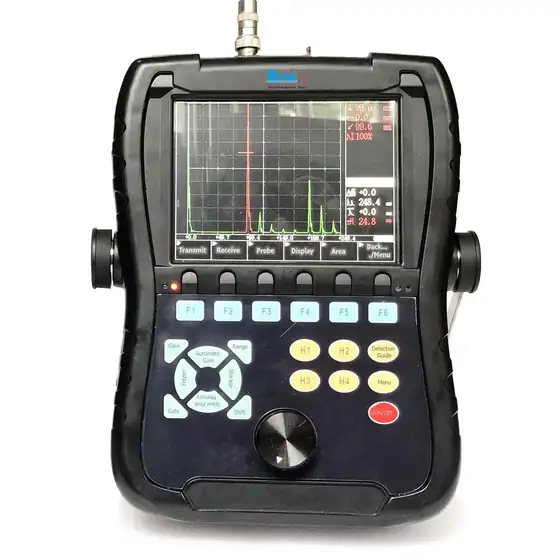
CK2108 Ultrasonic Flaw Detector
The CK2108 is a portable handheld ultrasonic flaw detector designed for rapid, accurate detection and evaluation of...
View Product →Frequently Asked Questions
What types of rail defects can be detected with ultrasonic equipment?
Ultrasonic equipment detects internal defects such as transverse cracks in the rail head, rail core damage, screw hole cracks, saddle wear, longitudinal and horizontal cracks, and rail bottom cracks caused by manufacturing flaws or surface damage.
Why are rail joints more prone to damage?
Rail joints experience a 55% higher inertia force from wheel loads compared to other track sections, making them the weakest part of the line. This repeated stress leads to common failures like screw hole cracks and saddle wear.
How does rail core damage develop over time?
Core damage starts from internal defects in the rail material from smelting or rolling. These defects concentrate stress and grow under repeated loading, reducing the rail's load-bearing capacity and increasing the risk of fracture under high-speed operation.
What causes longitudinal and horizontal cracks in rails?
These cracks result from manufacturing defects such as segregation, shrinkage cavities, and inclusions in the steel ingot. After rolling, these flaws remain in the rail and align parallel to the rail's length, appearing as horizontal or vertical cracks.
How do rail bottom cracks form?
Rail bottom cracks develop from rust pits or scratches that initiate transverse cracks. Manufacturing issues like poor rolling or weak adhesion between the rail base and sleeper also create high stress zones, leading to cracks at the rail bottom.
What are the limitations of hand push ultrasonic detectors?
Hand push detectors are limited by operator skill, inspection speed, and coverage area. They are suitable for short sections and confined spaces but cannot match the speed or consistency of automated detection vehicles for large-scale track inspection.
Can ultrasonic detection prevent rail failures?
Yes. By identifying internal defects such as transverse cracks, core damage, and bottom cracks before they lead to failure, ultrasonic detection enables timely maintenance and prevents derailments and service disruptions.
Ask Our Engineers About This Topic
If this article raised a question about your own track, send it to our engineering team.