
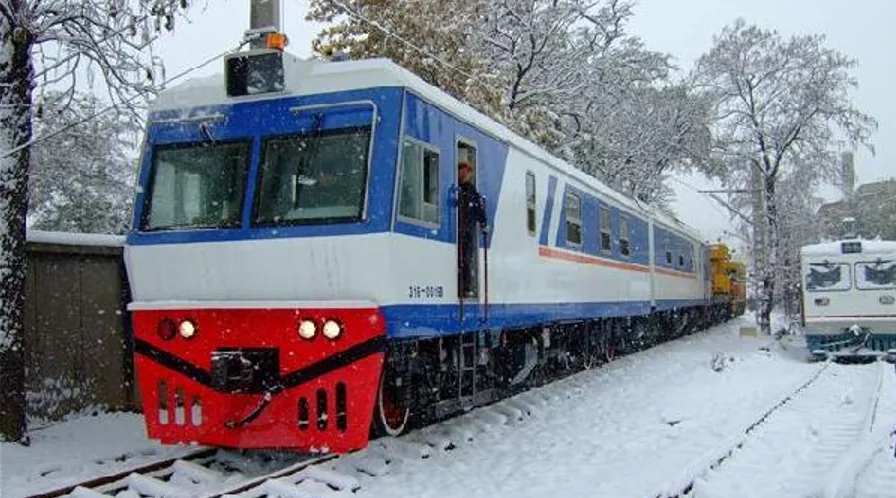
Development track of rail flaw detection vehicle in US and EUROPE
The development of rail flaw detection vehicles in the US and Europe spans 40 to 50 years, with ultrasonic technology now the standard for detecting rail damage in service. It offers high sensitivity, fast detection speed, accurate positioning, and good economic efficiency, making it the globally accepted method for rail inspection.
In North America, early rail flaw detection was dominated by Sperry, which held up to 75% market share. Later, Herzog and Ultra Instrument entered the market. Due to cold winter temperatures, freight-heavy operations, and widespread jointed tracks, North American vehicles use wheeled probes. Detection speeds range from 25 to 40 km/h, but most operate in pause mode—stopping immediately upon detecting a suspect signal—resulting in an average effective speed of about 10 km/h. A single vehicle typically covers around 2,000 km annually. The vehicle bodies are usually dual-purpose highway and railway models.
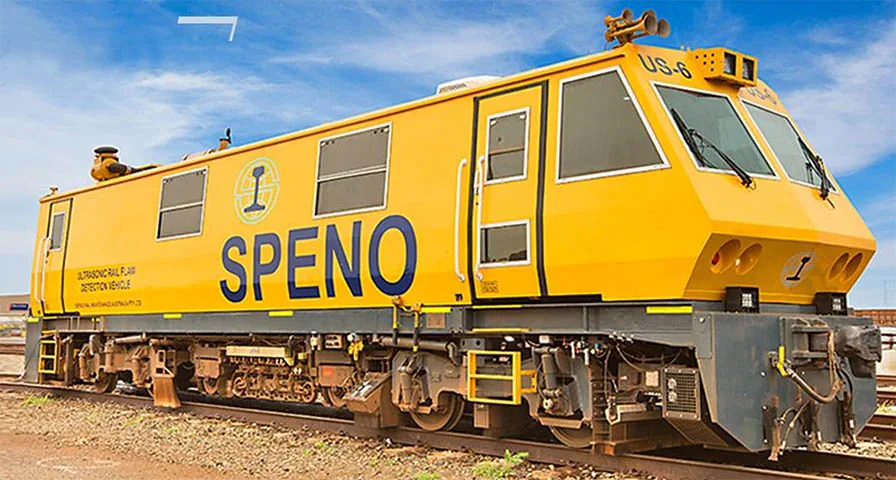
In Europe, SPENO has manufactured and supplied flaw detection vehicles to France, Switzerland, and other Western European countries since 1984, selling approximately 30 units to Europe, Asia, and Africa. These vehicles use sliding shoe ultrasonic sensors and operate at a general detection speed of 40 km/h, with a nominal maximum speed of 70 to 90 km/h. The vehicle bodies are standard railway vehicles with onboard power, featuring an independent retractable detection module mounted under the chassis.
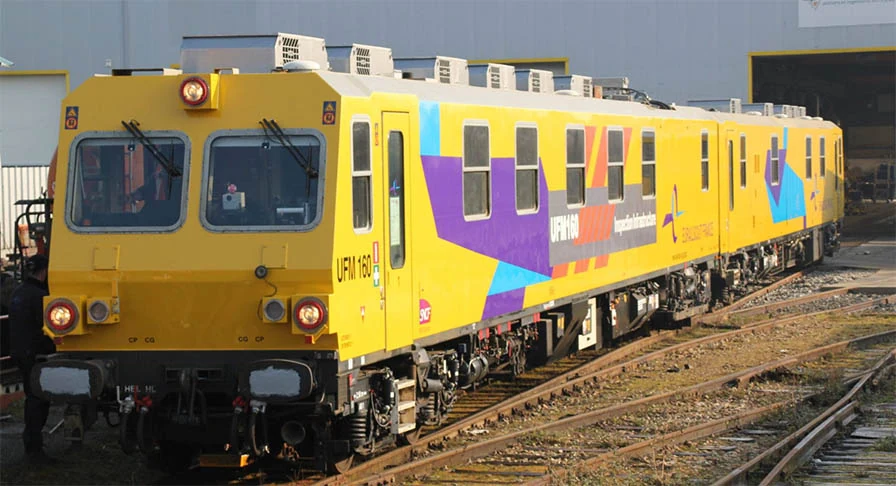
EURAIL SCOUT vehicles are used in Belgium, Switzerland, Germany, Denmark, Italy, Norway, the Netherlands, and Spain. They also use sliding shoe ultrasonic sensors, with a nominal maximum detection speed reaching 100 km/h. These vehicles are standard railway units with self-propulsion. To further improve detection speed, newer models such as the USTO2 have been developed.
Equipment Referenced in This Article
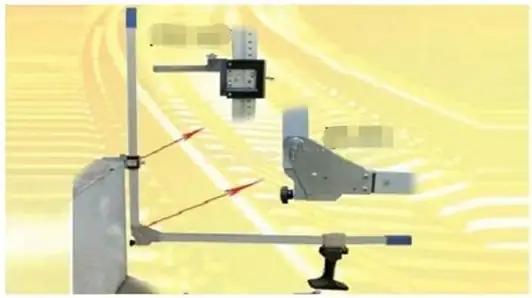
RAILWAY PLATFORM GAUGE
The Railway Platform Gauge is a portable measuring tool designed for precise measurement of the horizontal distance...
View Product →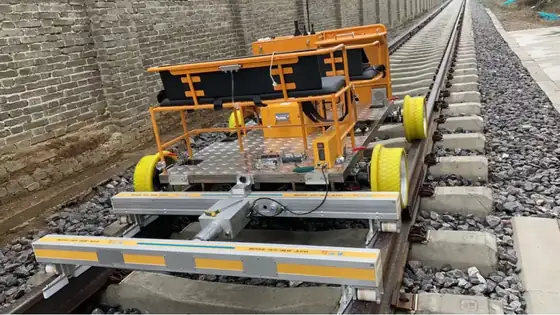
Track Geometry Measurement
The GJY-H-CK-22CM Track Geometry Measurement system is integrated into an electric flaw detection vehicle and runs at a...
View Product →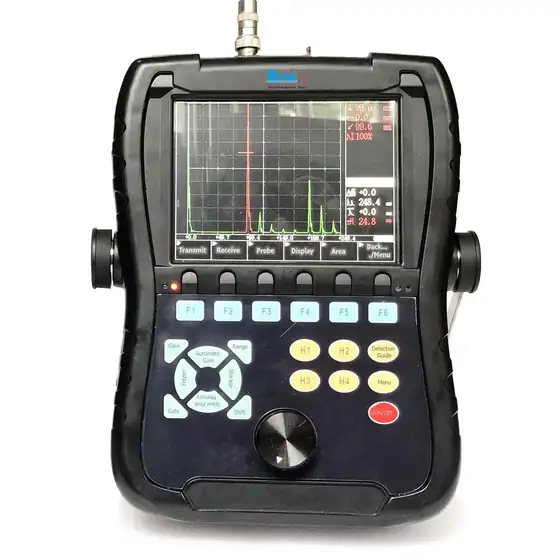
CK2108 Ultrasonic Flaw Detector
The CK2108 is a portable handheld ultrasonic flaw detector designed for rapid, accurate detection and evaluation of...
View Product →Frequently Asked Questions
What is the typical detection speed of rail flaw detection vehicles in North America?
Detection speeds range from 25 to 40 km/h, but due to pause operation mode, the average effective speed is about 10 km/h.
Why do North American rail flaw detection vehicles use wheeled probes?
Due to cold winter temperatures, freight-heavy operations, and the prevalence of jointed tracks, wheeled probes are better suited for these conditions.
What type of sensor is used in European rail flaw detection vehicles?
Most European vehicles use sliding shoe ultrasonic sensors, which are mounted on the underside of the vehicle body.
What is the maximum detection speed of EURAIL SCOUT vehicles?
The nominal maximum detection speed can reach 100 km/h, with a general operating speed of 40 km/h.
How are European rail flaw detection vehicles powered?
They are standard railway vehicles with their own onboard power, allowing them to operate independently on rail lines.
What is the difference between North American and European flaw detection vehicle designs?
North American vehicles are typically dual-purpose highway and railway models with wheeled probes, while European vehicles are standard railway units with sliding shoe sensors and higher maximum speeds.
What is the average annual detection mileage for a single flaw detection vehicle in North America?
A single vehicle typically covers about 2,000 km per year, based on an average effective speed of 10 km/h.
Ask Our Engineers About This Topic
If this article raised a question about your own track, send it to our engineering team.