On This Page
The Trade Is Airflow Against Appearance
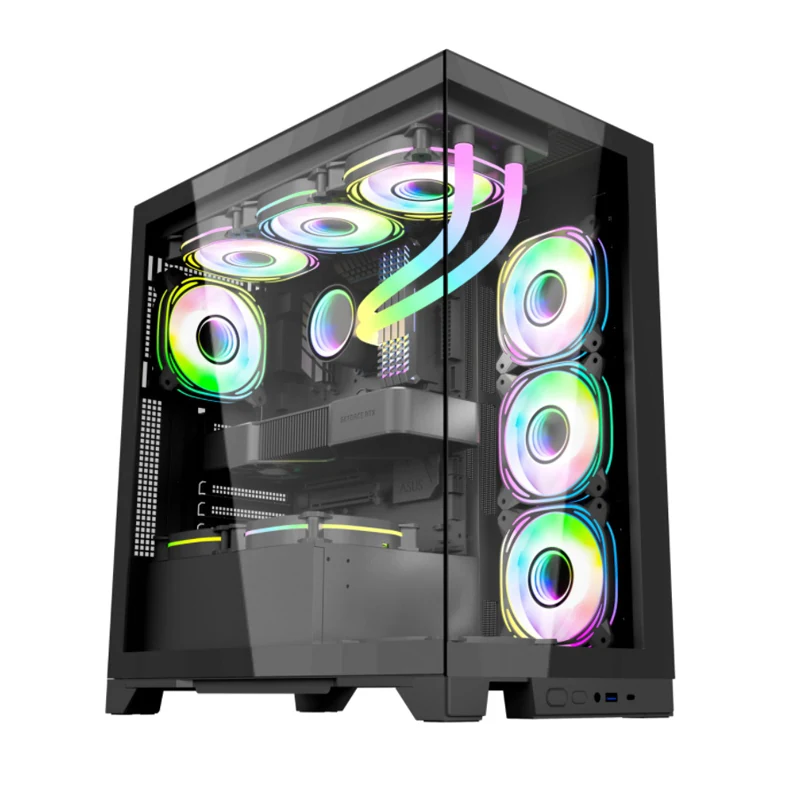
A tempered glass front panel looks better on a retail shelf and in a photograph, and it restricts intake airflow. A mesh front moves considerably more air and photographs less well. Most of the argument in chassis selection comes down to which of those two things the end customer is actually paying for, and that answer differs completely between a retail boxed PC and an esports venue running fourteen hours a day.
Glass Front Panels in Practice
Where a glass front is used, airflow has to come from somewhere else, usually side intake channels, top exhaust and a rear fan. This is why the fan mount map on a chassis page matters more than the panel material. A glass-fronted chassis with front, rear, top and bottom fan positions is a different proposition to a glass-fronted chassis with a rear fan only.
Mesh Front Panels in Practice
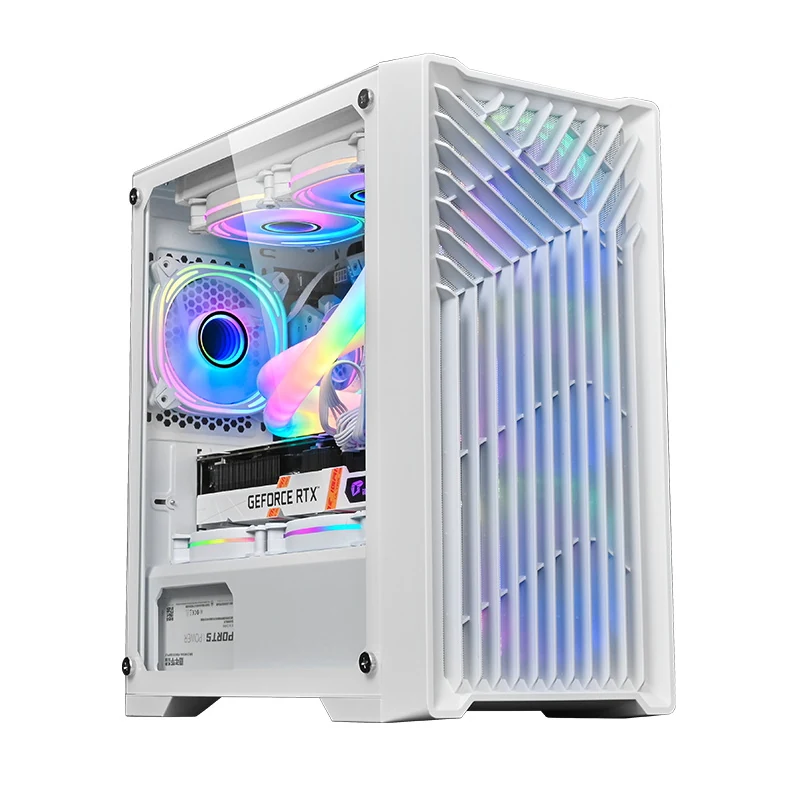
Mesh fronts pair naturally with multiple front intake fans and suit any machine with sustained load. They also hide dust less well, which makes filter access a genuine consideration for a venue that will actually clean the machines. Where a build runs continuously, mesh plus a defined front intake array is usually the better engineering answer.
Side Panels Are a Separate Decision
Front panel and side panel material are independent choices. A great many models in the catalogue combine an ABS front panel with a tempered glass side panel and a metal panel on the opposite side. That combination shows the build without restricting front intake, and it is the most common configuration across the Ulike gaming range.
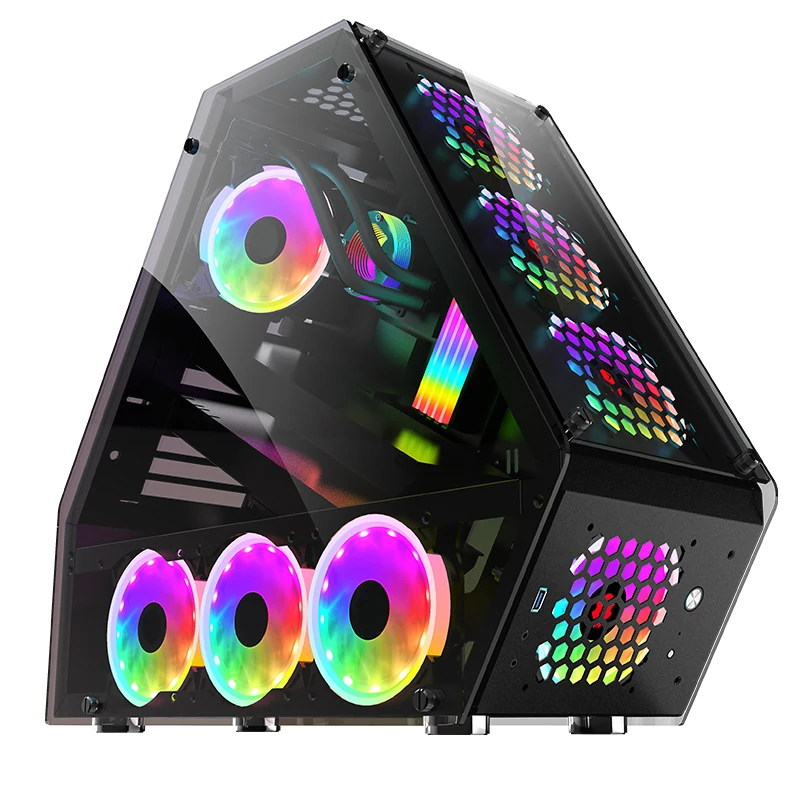
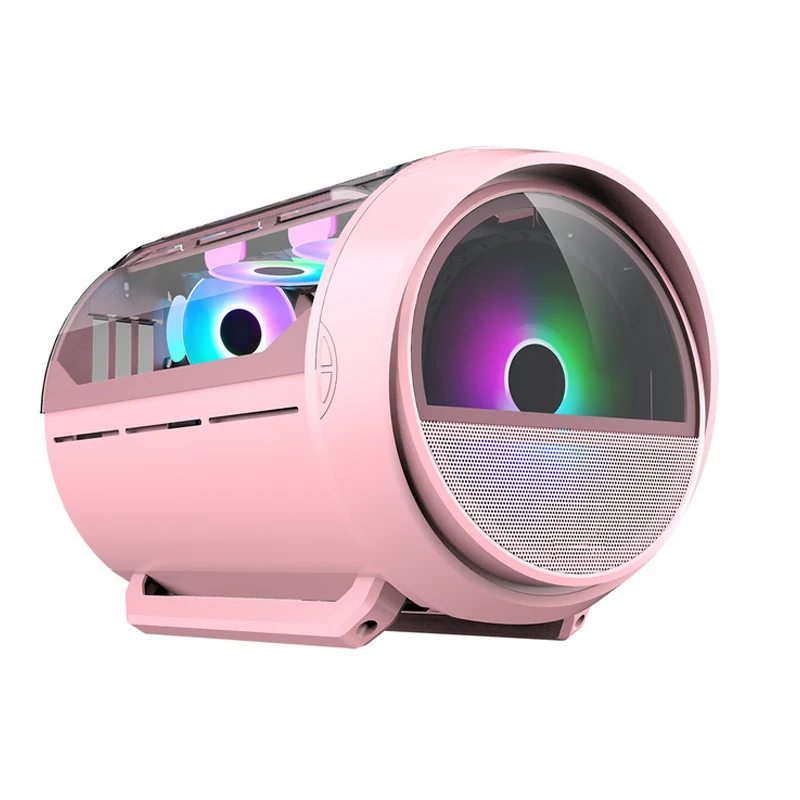
Read more: Special Shaped Cases
Packing and Breakage Risk
Glass changes the packing requirement, not just the product. Protective film, foam corner support and the packing method are what stand between a glass panel and a transit claim. The packing method is stated on every chassis page. If a supplier is willing to reduce packing after sample approval, glass is where that decision becomes visible.
Choosing for the Channel
For a retail SKU sold from a shelf or an image, glass usually wins. For a venue, an office fleet or an education contract, mesh or a solid panel wins on airflow, on durability and on transit risk. For a mixed programme, it is entirely normal to carry both and let the channel decide.