




On This Page
What the Two Grades Are
SPCC is cold-rolled carbon steel sheet. SGCC is the hot-dip galvanised equivalent, carrying a zinc coating that resists corrosion without paint. In a computer chassis, painted or coated SPCC is the common choice for visible panels, while SGCC appears where corrosion resistance matters more than finish. Both appear in the Ulike catalogue and each chassis page states which grade is used.
Thickness Is the Figure That Decides Rigidity
Chassis in this market are typically built from sheet between 0.35 mm and 0.5 mm. The difference sounds trivial and is not. A 0.5 mm chassis holds its shape when a heavy tower cooler and a long graphics card are fitted; a 0.35 mm chassis of the same design will flex more, and that flex is what buyers feel when they pick the case up on a shelf. Heavier steel also costs more per unit and adds gross weight to every carton.
Where the Gauge Quietly Changes
The failure mode to guard against is not a supplier who sells thin steel openly. It is a supplier whose sample is 0.5 mm and whose bulk production is 0.4 mm. The protection is simple and procedural: record the grade and thickness on the sample sheet, state it on the purchase order, and verify it on the first bulk shipment. Every Ulike chassis specification table names the grade and the thickness explicitly for exactly this reason.
Matching Gauge to the Application
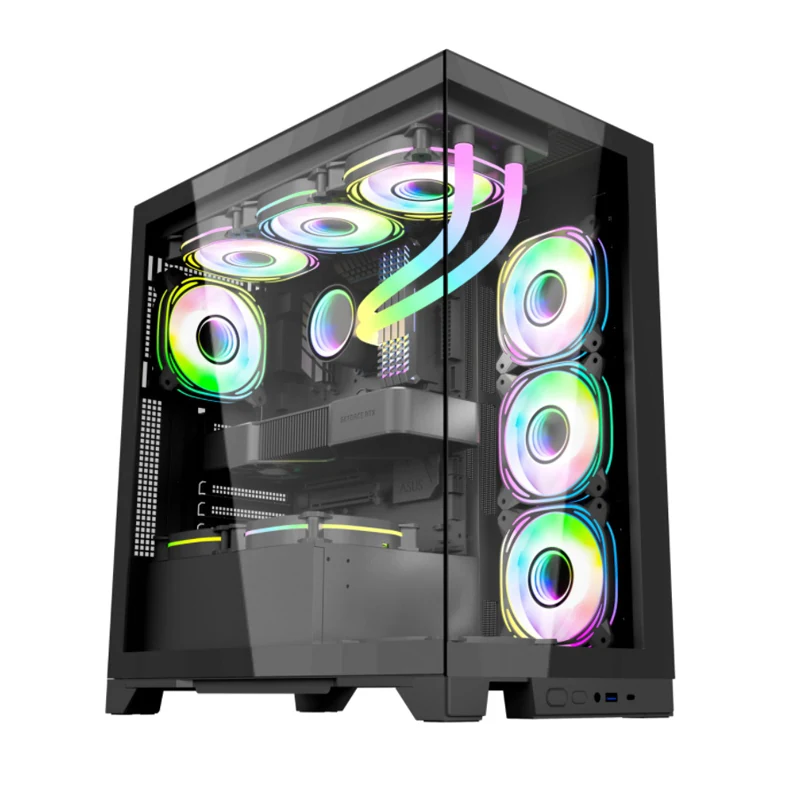
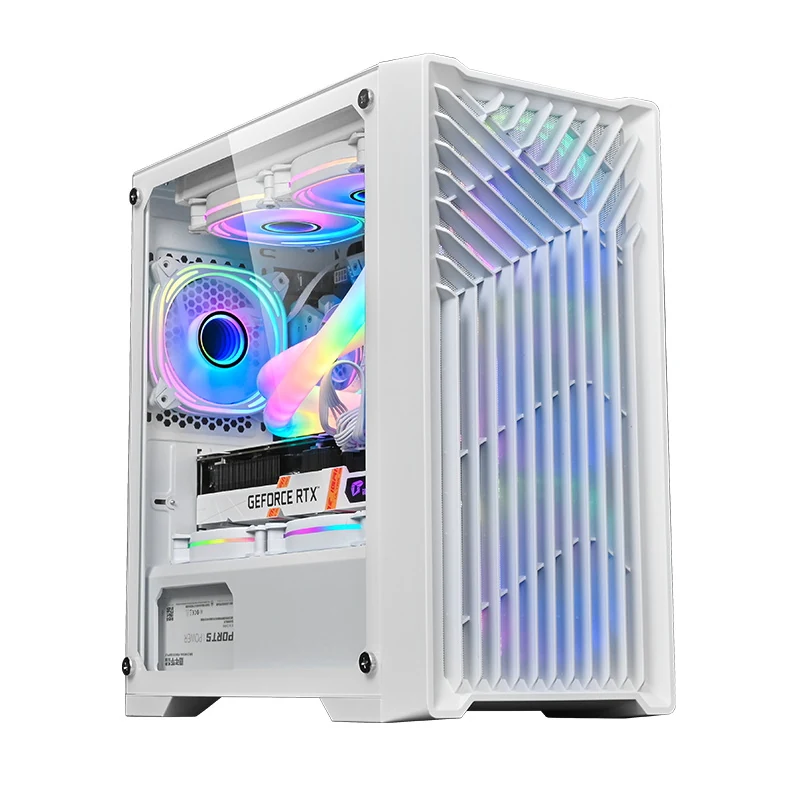
An entry level office tower that sits under a desk and is opened twice in its life does not need the heaviest available gauge, and paying for it hurts a tender cost sheet. A gaming chassis with a tempered glass panel, a tower cooler and a long card benefits from the extra rigidity. A chassis that will be shipped CKD and assembled at destination benefits again, because it is handled more.
Read more: Entry Level ATX Cases
Coating and Finish
Black coating on SPCC is the standard interior and exterior finish across most of the range, and it is what makes an open-panel gaming build look finished inside. Where a specification calls for full black coating rather than partial, that is stated on the product page. Galvanised SGCC is generally left uncoated on internal structures.