On This Page
Form Factor Is a Purchasing Decision Before It Is a Technical One
Form factor is usually treated as an engineering choice, but for an importer it is mostly a cost decision. The form factor sets the carton size, the carton size sets the volume, and volume is what ocean freight is charged on. A micro tower and a full ATX tower can hold the same components and differ by a third in shipping cost per unit. Decide the form factor against your landed cost target first, then check that the components you have already committed to will fit.
What Each Format Actually Takes
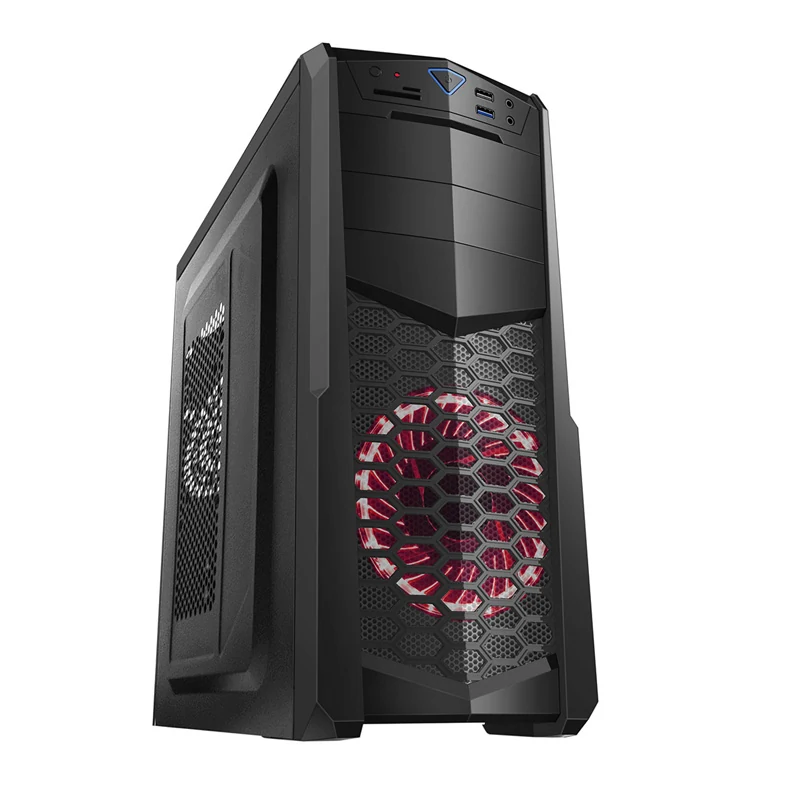
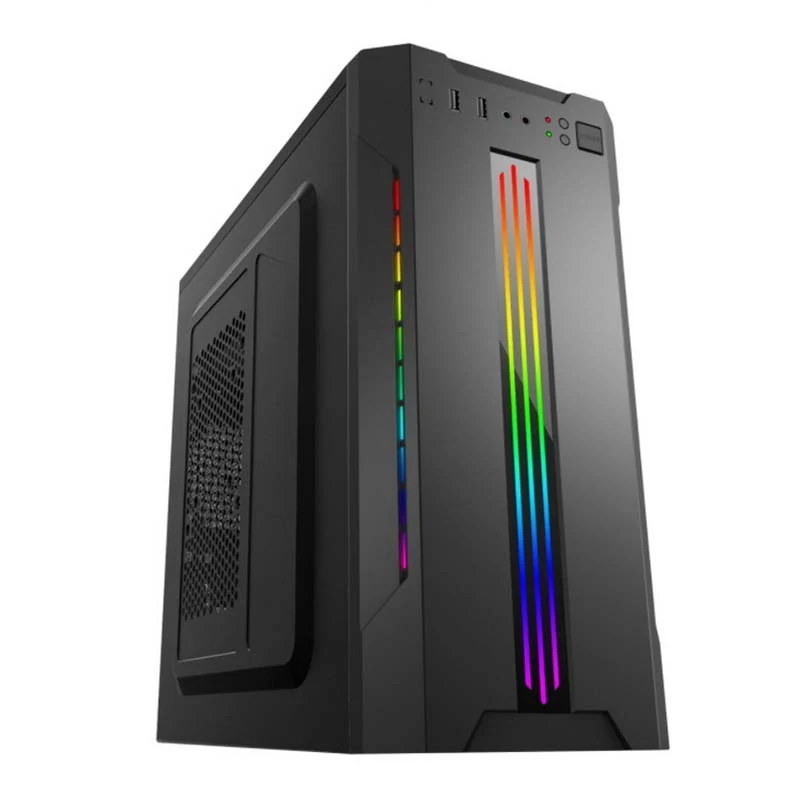
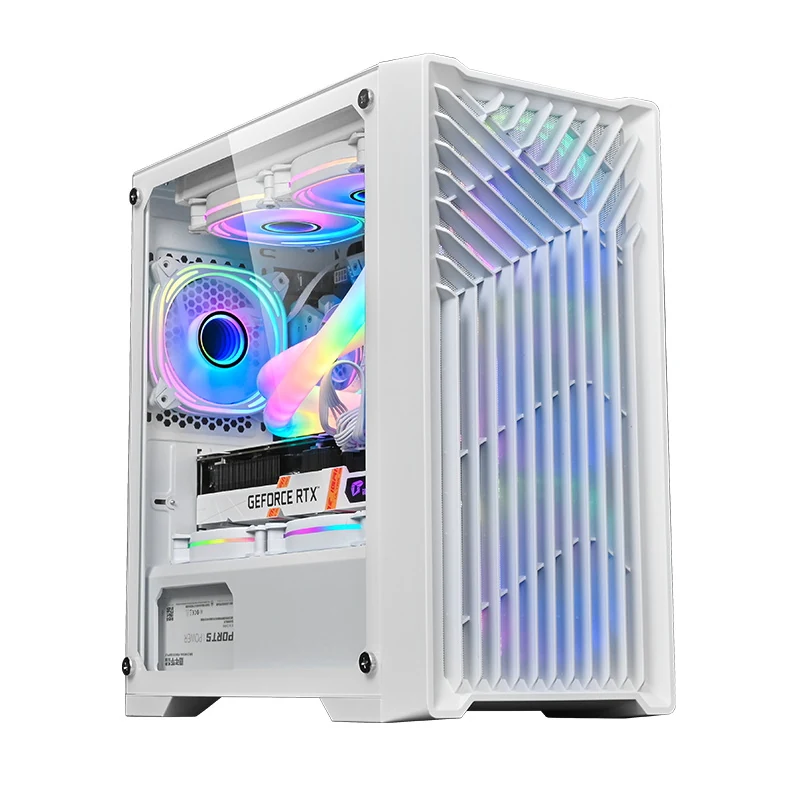
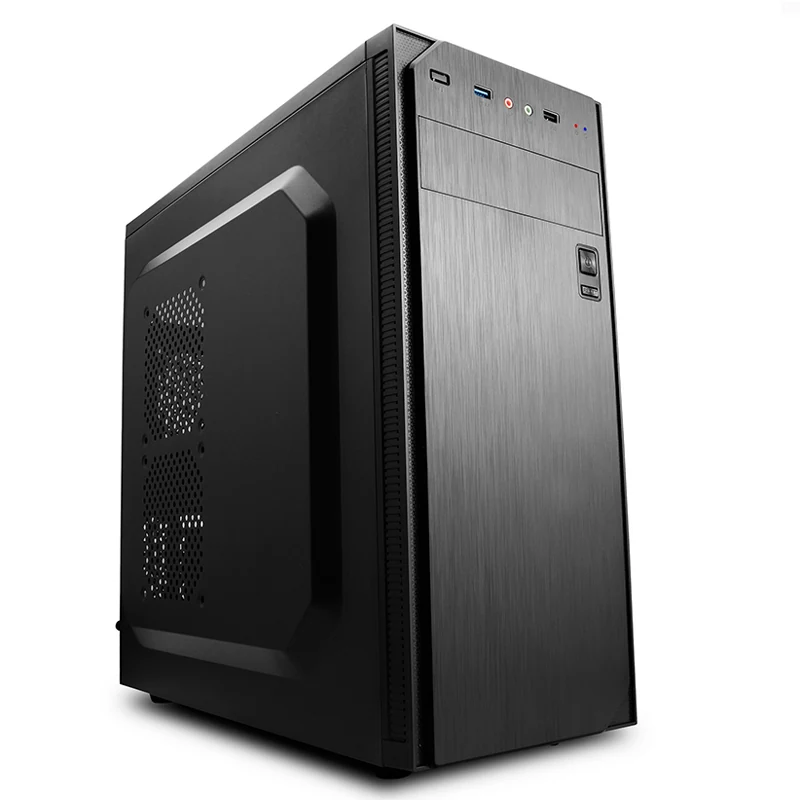
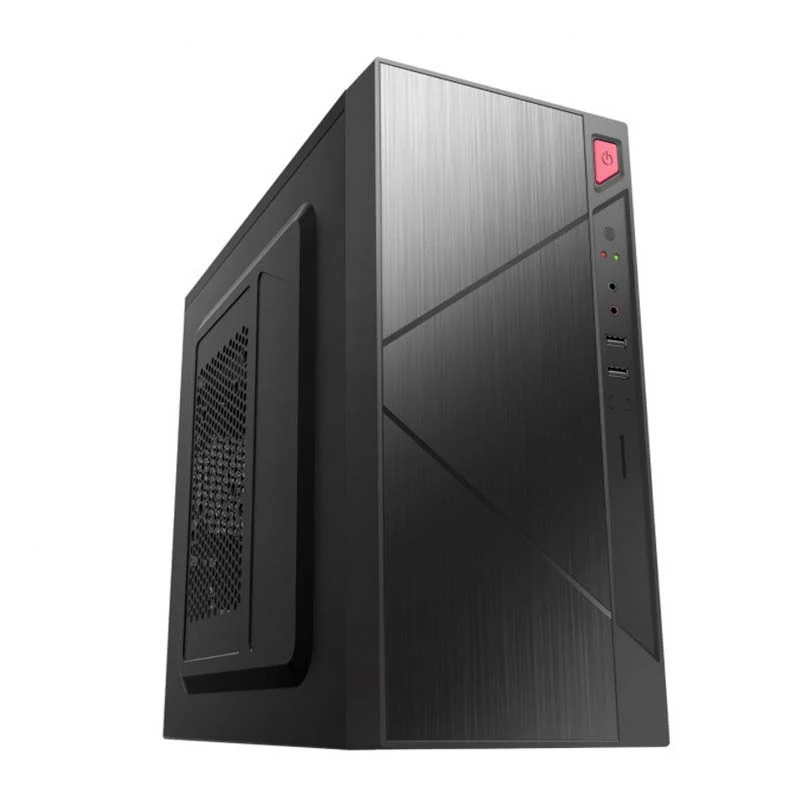
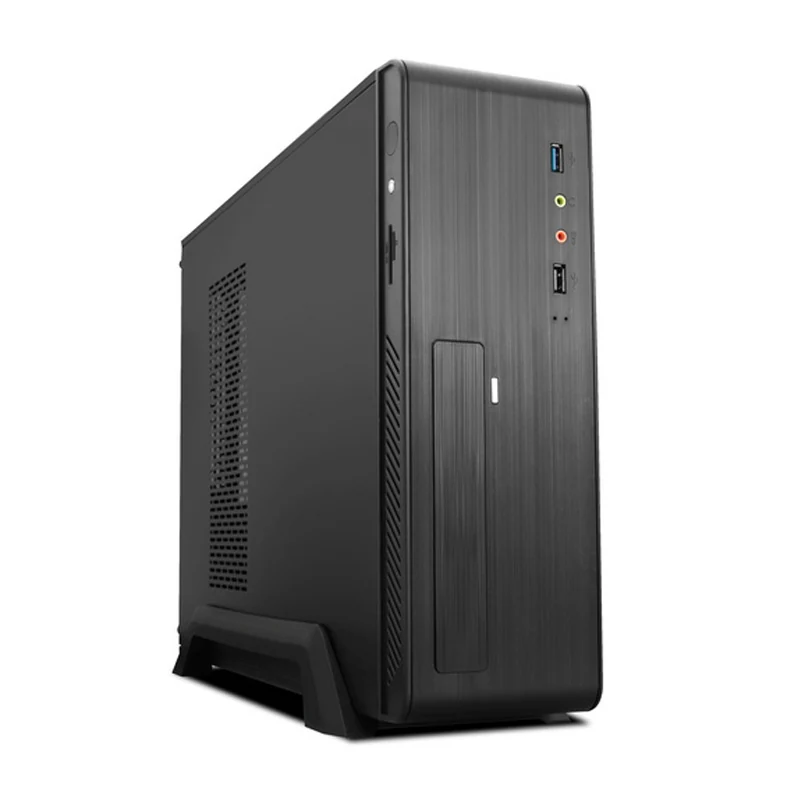
A full ATX tower is drilled for ATX, M-ATX and ITX boards, so it is the safe default when the board is not yet fixed. A micro tower drops ATX board support and usually reduces expansion slots from seven to four, which matters only if you are fitting more than one add-in card. A slim desktop shell is defined by its width rather than its height, and it is the width that limits CPU cooler height and expansion card height.
The Three Clearance Numbers That Decide Everything
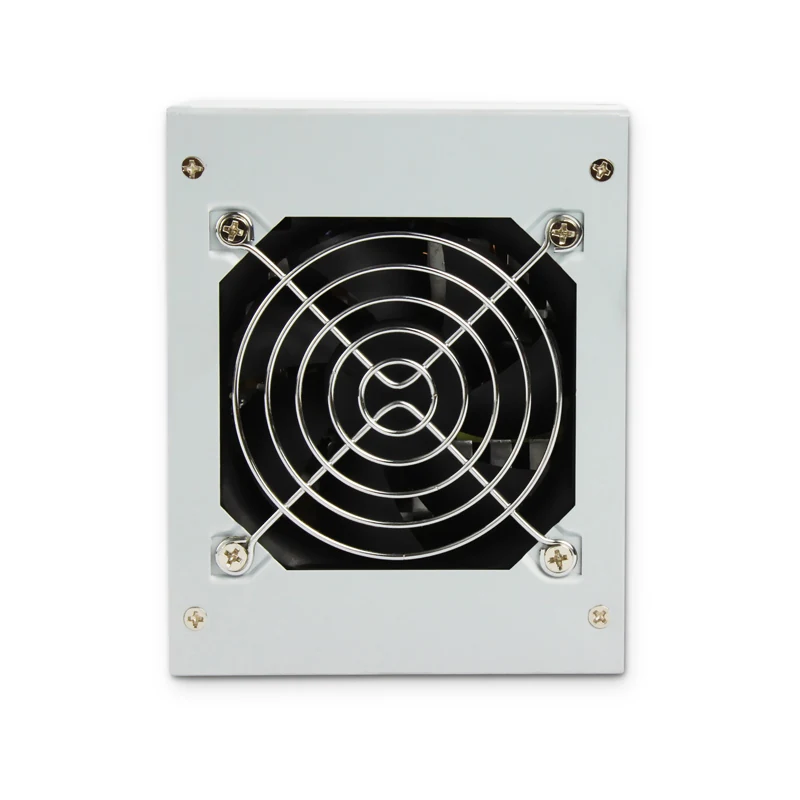
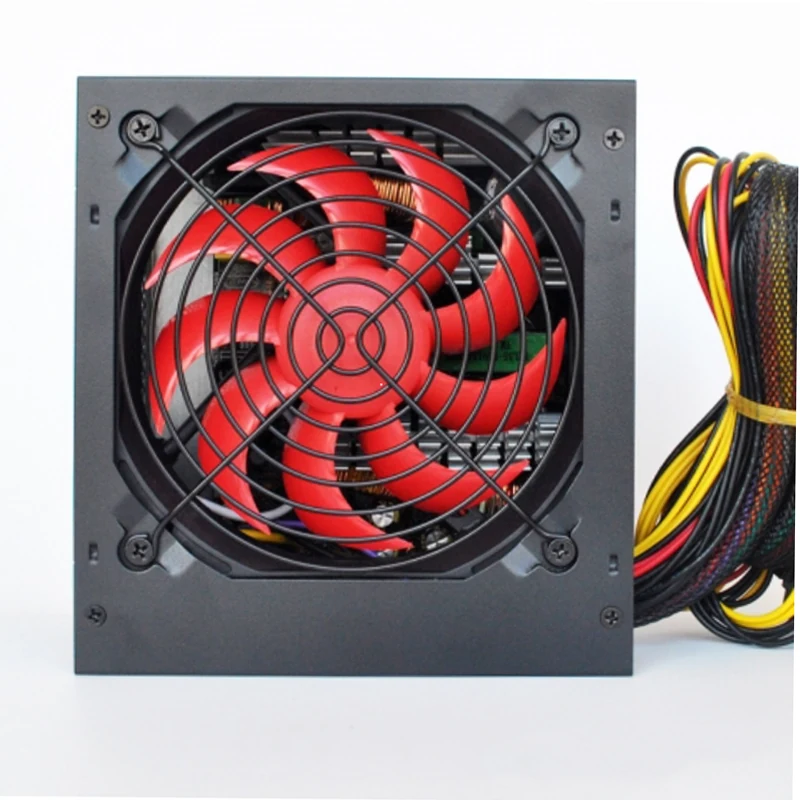
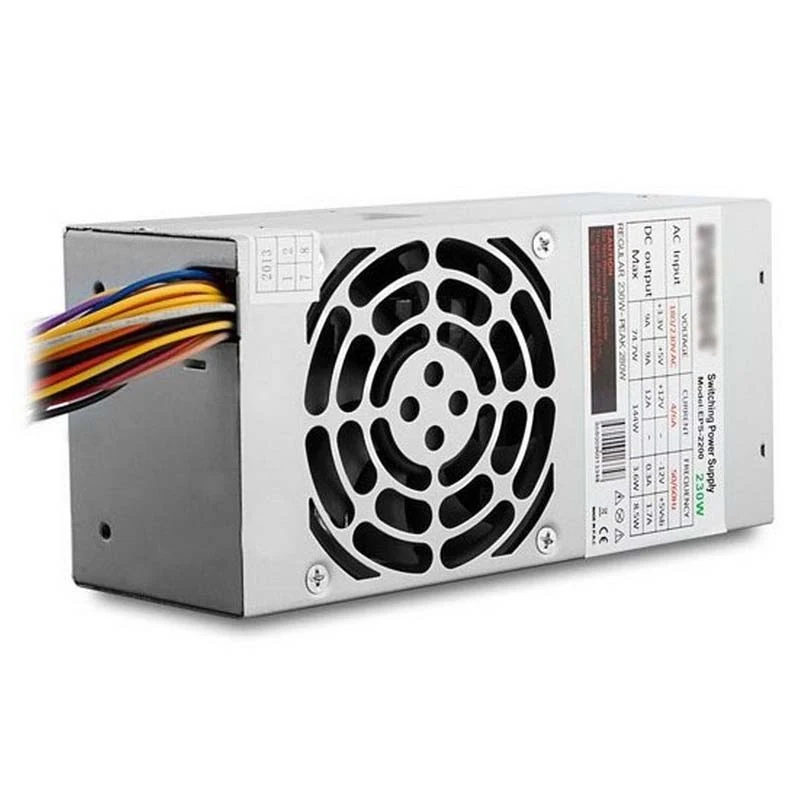
Graphics card length, CPU cooler height and power supply length are the three figures that cause rejected builds. Each of them is published on every Ulike chassis page. Check the graphics card length from the mounting bracket to the far end of the shroud, including a power connector that exits the end rather than the top. Check cooler height as the total assembled height with the fan clipped on. Check power supply length against the maximum PSU length in the chassis specification, and leave room behind the unit for the cable exit.
Where Each Format Wins
Full ATX towers win where the build is unknown, where more than one add-in card is fitted, or where a tower air cooler is part of the specification. Micro towers win on desk footprint and on freight. Slim desktops win where the machine has to sit under a monitor or inside a fixture, and where the customer still wants field-replaceable standard parts rather than a proprietary all-in-one board.
A Practical Selection Order
Fix the board format. Fix the graphics card, or decide that there is none. Fix the cooler. Then filter the catalogue on the three published clearance figures and compare the survivors on carton size. That order avoids the common failure, which is choosing a chassis on appearance and then discovering that the cooler on the build sheet is four millimetres too tall.