
The Six Inspection Gates Every Hotel FF&E Order Should Pass
What to inspect, when to inspect it, and why a final visual check is the weakest gate in the process.
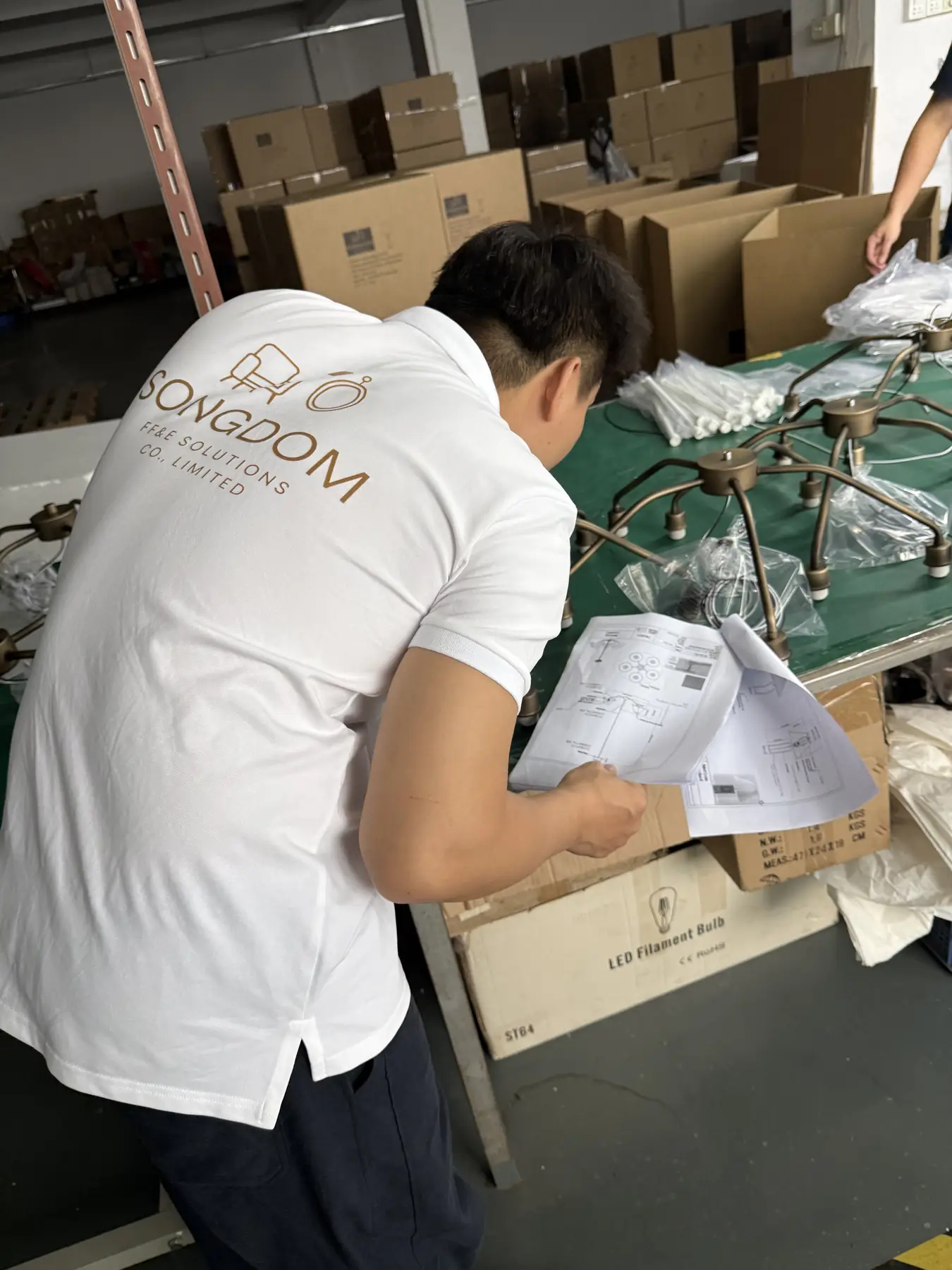
A defect found at the property is the most expensive defect there is: it costs a crane, a crew and a room out of inventory. A defect found at incoming material inspection costs a phone call. The distance between those two outcomes is a process, and it has six gates.
Gate 1 — Drawing review
Specifications are confirmed before production begins. Most defects are decided here rather than caused on the line: a dimension that cannot be built, a finish that cannot be certified, a cord length that will not reach the specified outlet. Reviewing the drawing against the brand standard and the site condition is the cheapest quality work available.
Gate 2 — Pre-production sample inspection
Finish, dimensions and construction are checked before mass materials are produced. The physical sample becomes the reference for every later gate, which is why approving a colour code instead of a sample causes so much trouble later.
Gate 3 — Incoming material inspection
Defective materials are caught before they are built into a product. This avoids rework and a delayed property opening. A veneer batch that drifts two shades is a conversation at this gate and a 200-wardrobe problem two gates later.
Gate 4 — In-process inspection
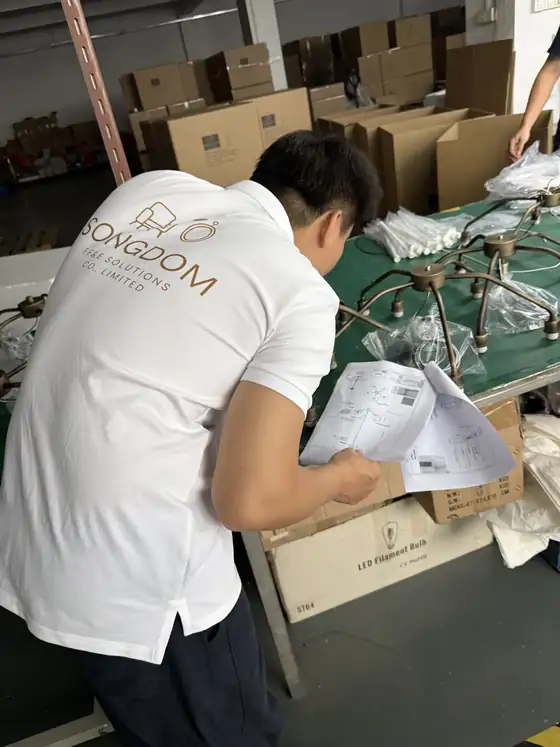
Inspecting during production keeps defective products from being hidden and packed into cartons. This is the gate most suppliers skip, and it is the one that determines whether the final inspection finds anything.
Gate 5 — Final inspection
Completed products are verified against the specification before packing. On lighting packages this includes dimensional inspection against the drawing, cable-length measurement, tilt testing on floor lamps, and colour-finish verification against the approved sample.
Gate 6 — Delivery coordination
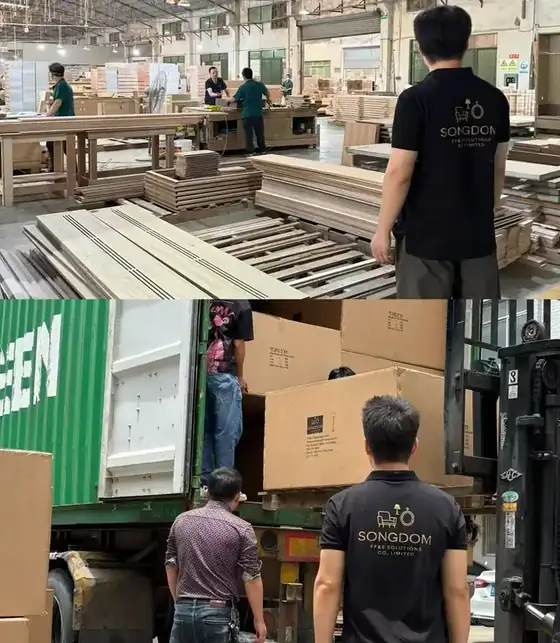
Shipment schedules are aligned with project milestones. Quality control that ends at the factory gate still leaves the project exposed, because a perfect product delivered in the wrong sequence is a site problem.
Why the order matters
Each gate exists because the one after it is more expensive. Skipping gate 3 does not save the cost of gate 3; it moves that cost to gate 5, or to the property. On the Hotel Indigo lighting package, defective ceramic lamp bases were identified and rejected at the factory. Had they passed, they would have been discovered by a guest.
Key Takeaways
- Approve a physical sample, never a colour code
- In-process inspection is the gate that makes final inspection meaningful
- Tilt and dimensional tests belong at the factory, not the property
- Quality control that stops at the factory gate leaves the project exposed
Songdom FF&E Solutions sources and inspects project FF&E for hospitality, airport, hospital, residential and commercial projects from offices in Foshan, China and Nha Trang, Vietnam.
Other Categories On The Same Package
 Lighting
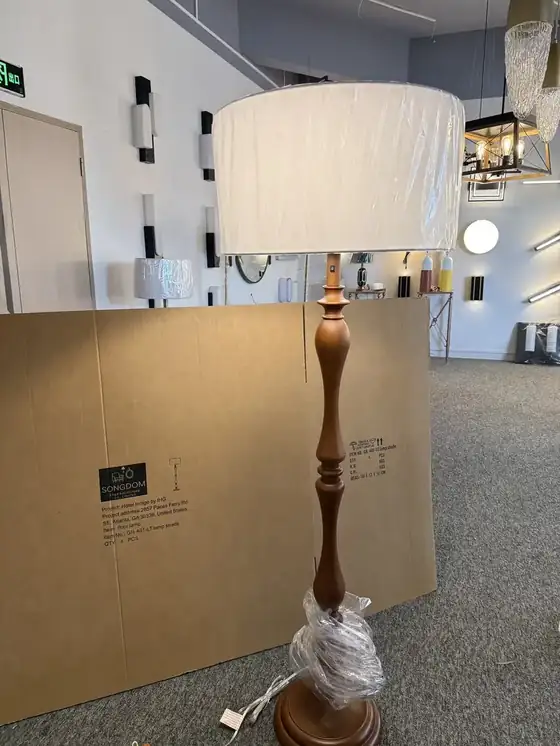
Hospitality Floor Lamps
Guest-room and lounge floor lamps with documented stability, safety and dimensional testing.
View product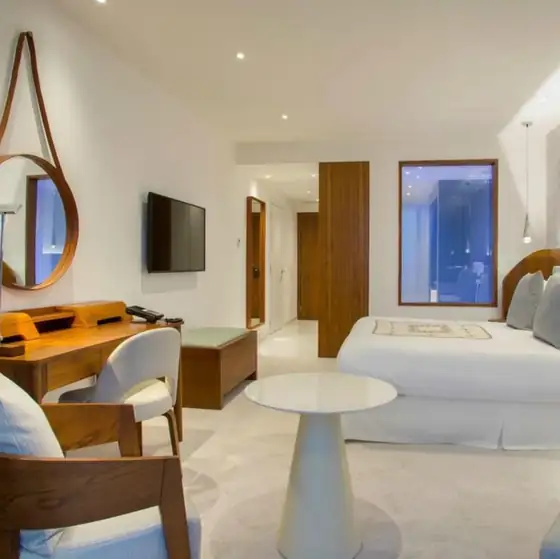 Furniture
Guest Room Case Goods
Wardrobes, desks, nightstands and credenzas built by factories with 20 to 25 years of hotel work.
View product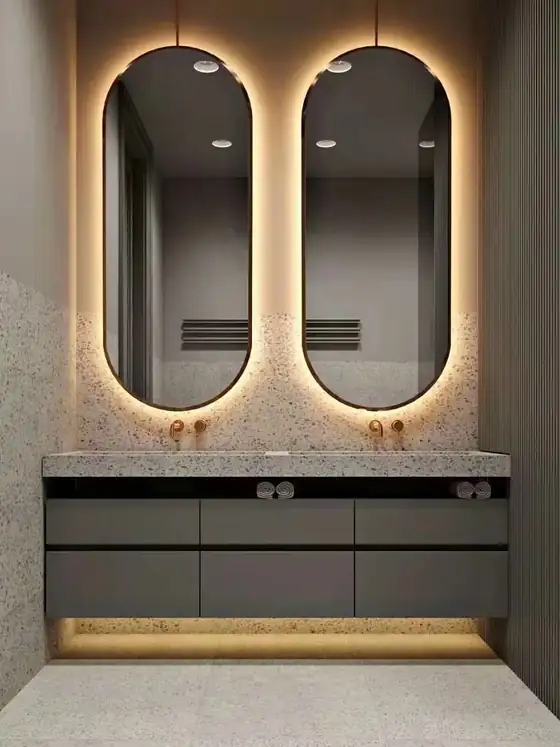 Sanitary Ware
Vanity Lighted Mirrors
Backlit and front-lit hotel vanity mirrors, cUPC and IP44 compliant for wet zones.
View productWhere This Has Been Delivered

Reader Questions
When should the first inspection happen?
Before production, at drawing review. Confirming the specification is the earliest and cheapest opportunity to prevent a defect.
Is a final inspection enough?
No. Without in-process inspection, defects are hidden inside sealed cartons by the time the final check happens.
What is checked on a lighting final inspection?
Dimensional accuracy against the drawing, cable length, tilt stability on floor lamps, colour and finish against the approved sample, and packing.
Put This Into Practice On Your Project
Send the FF&E schedule and we will apply exactly this process to your package.