
Quality Standards for Off-Grid Solar
VeraSol, the Lighting Global quality standards and OpenPAYGO, and what each one actually proves.
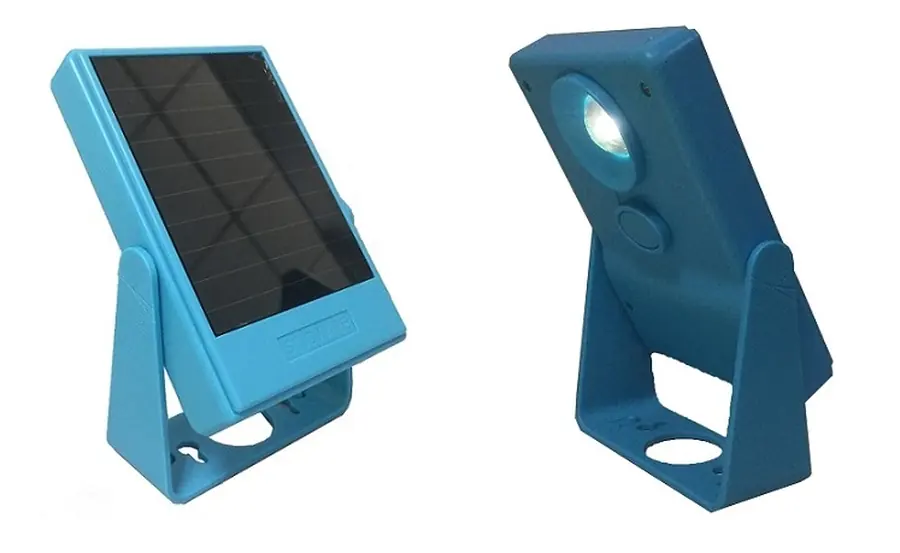
In off-grid solar the buyer usually cannot test the product before purchase and the end user certainly cannot. Third-party standards exist to fill that gap, and knowing what each one covers stops a certificate being used to prove something it does not.
The Lighting Global Quality Standards
These set minimum requirements for off-grid lighting products across truth in advertising, durability, warranty terms and the performance of lights, batteries and charge control. A product that meets them is a product whose spec sheet can be believed. Three Sinoware products meet them: the Lamp2Torch, the SunAce II and the SunBase.
VeraSol
VeraSol is the quality assurance programme that grew out of Lighting Global and now covers off-grid solar products more broadly. Certification means the product has been through independent testing rather than a manufacturer declaration. The Sinoware SunAwada reading lamp is VeraSol certified, and the SunAce-Li has been VeraSol tested.
For programme and tender buyers this often matters more than any other line on a spec sheet, because subsidy and results-based finance schemes frequently require it before a product qualifies.
OpenPAYGO
OpenPAYGO is an open standard for pay as you go tokens. Certification proves the hardware implements the standard correctly, which protects an operator from being locked into a single vendor's private token scheme. Sinoware PAYG hardware is OpenPAYGO certified and supplied on the PaygOps platform.
CE and RoHS
CE is a declaration of conformity for the European market. RoHS restricts hazardous substances. Both are necessary and neither is a performance test. A product can carry both and still be a poor lantern. Treat them as entry requirements, not as quality evidence.
National Laboratory Testing
Some national programmes require testing at their own laboratory, and no international mark substitutes for it. When Sinoware developed a lamp for the Indonesian PLN SEHEN requirement, the product went through the Indonesia laboratory test before a single unit shipped. If your programme names a laboratory, plan the schedule around that test.
Reading a Supplier's Certification Claims
- Certification attaches to a model, not to a company. Ask which model.
- Ask for the certificate number and the issue date.
- A supplier who lists every standard in existence against every product is listing aspirations.
- Standards a supplier states it can meet are not the same as certificates it holds. Both are useful, but they are different claims.
Sinoware products are also stated to meet ISO, SGS, BV, COC, PVOC, SONCAP, SASO, CIQ, CE and RoHS requirements. The certifications held on named products are listed above and on the factory page, and the files are supplied with the quotation.
Products in This Guide
SunAwada VeraSol Certified Solar Reading Lamp
Model SunAwada
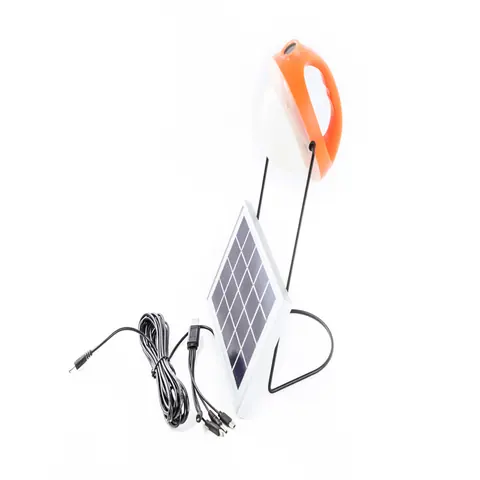
Lamp2Torch Solar Lantern With Integrated Torch
Model Lamp2Torch
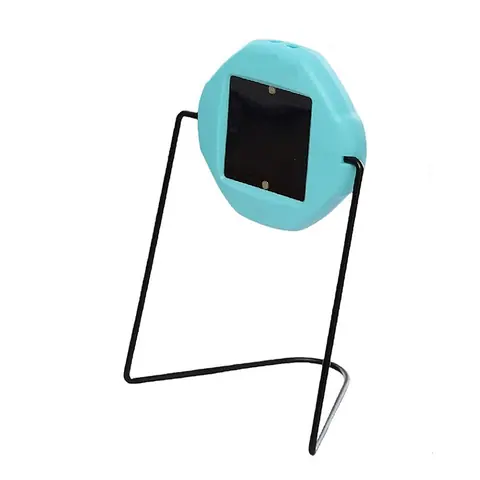
SunBase Pico Solar Reading Lamp
Model SunBase
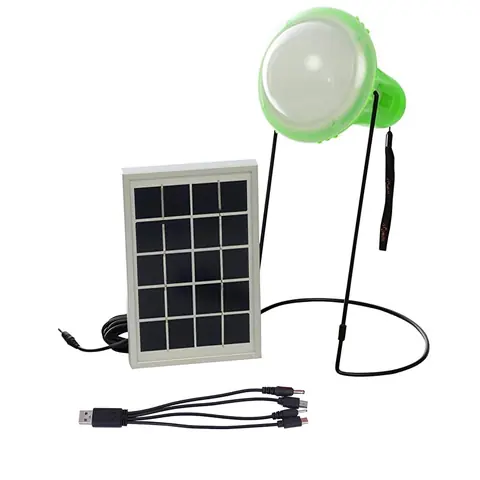
SunAce-Li Solar Lantern With Phone Charging
Model SunAce-Li
Questions About This Guide
Which Sinoware products are VeraSol certified?
Which products meet the Lighting Global quality standards?
Is CE marking a quality test?
Can you test to a national laboratory standard?
Still Deciding
Send the numbers you are working with and we will tell you which model fits, or tell you plainly if none of ours does.