
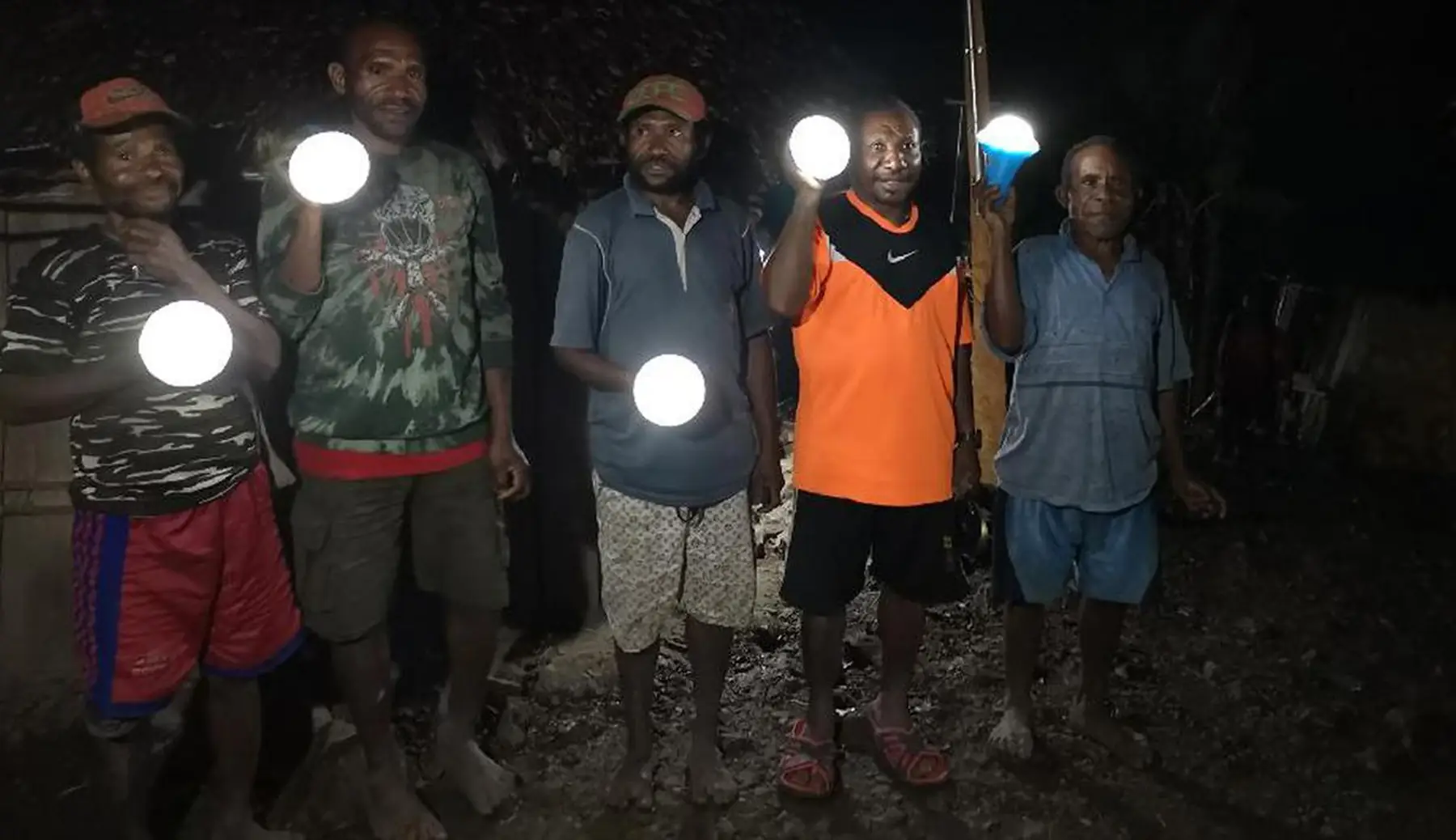
Indonesia SEHEN Solar Lamp Programme
The project that turned a trading company into a manufacturer. Eight months of development, one national laboratory test, and 150,000 lamps to an island near Bali.
Client Background
In 2010 an Indonesian customer visited us. They were buying for PLN, the Indonesian utility power company, which needed a large quantity of SEHEN lamps for rural households.
The Challenge
We sourced hard and could not find the product anywhere. No factory wanted to develop for that demand without confidence in the requirement and an assurance of future orders. The tooling and development cost was real and the follow-on volume was not guaranteed.
Customer Pain Points
- An open tender that had to be followed to the letter, with no room for a substitute.
- A national laboratory test the product had to pass before any supply.
- A large volume needed on a programme timetable.
- A price that a subsidised rural programme could carry.
Our Solution
We first recommended several replacement solar systems. Every one was refused, and correctly so, because an open tender means following the instruction exactly. So we established our own R&D team and built the lamp the tender described.
Manufacturing Process
It was hard work. From moulding to components, after eight months of day and night work, the lamp passed the Indonesia laboratory test. That programme is the reason the company has its own moulding and R&D capability today.
Supply Chain Coordination
Panel, cell, LED, housing and accessory supply were brought together against the programme delivery window, with the specification held identical across every batch.
Quality Control
The finished lamp went through the Indonesian laboratory test before volume supply began. That test, not our own opinion of the product, is what released the order.
Final Result
We supplied 150,000 pieces of solar lamp to Lapuwan Island near Bali, and were one of the pioneers in this work from 2011 onwards.
Customer Benefit
A tender that could not be filled was filled, at a specification that had been written down and tested rather than argued about. For the households on the island it meant light in the evening and a lamp that kept working.
What Changed For Us
After that project, with our feet in most undeveloped countries, we saw that rural households in many other countries needed the same thing. Since then we support local partners with customisation for local demand, local production and cost optimisation.
Products From This Programme
The SEHEN kits are still in the range, in 20W three-lamp and 30W four-lamp configurations.
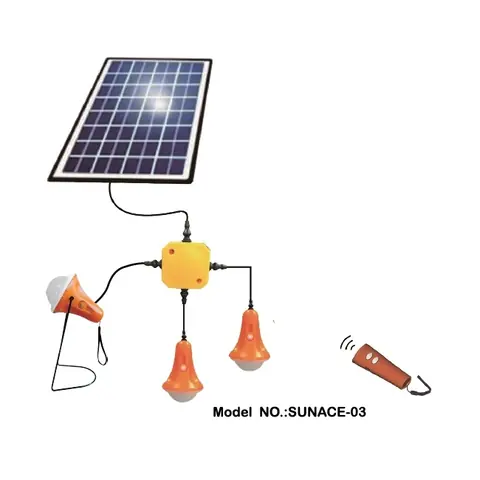
SEHEN Lighting System With 3 LED Lamps
Model 20W SEHEN kit
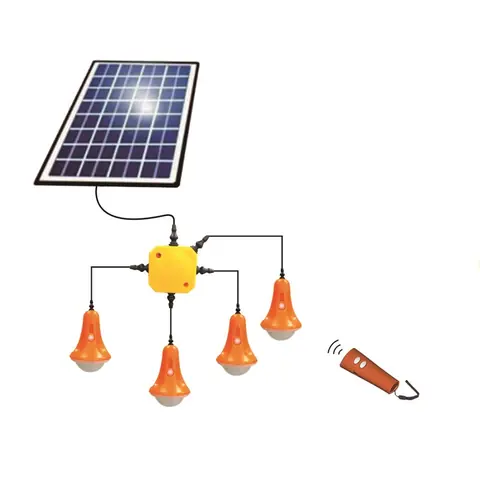
SEHEN Lighting System With 4 LED Lamps
Model 30W SEHEN kit
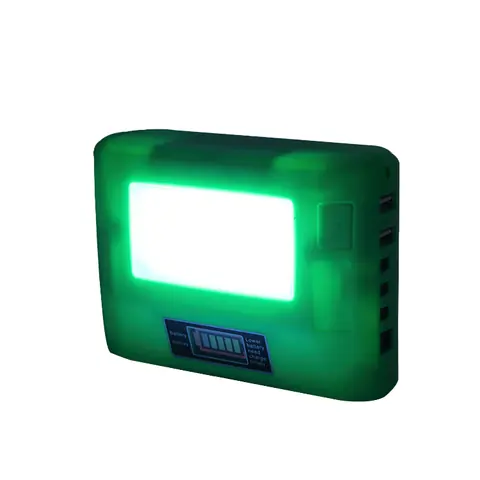
Multiple Light Portable Solar Lighting System
Model SW-HS4-2LI / SW-HS8-4LI (non-PAYG)
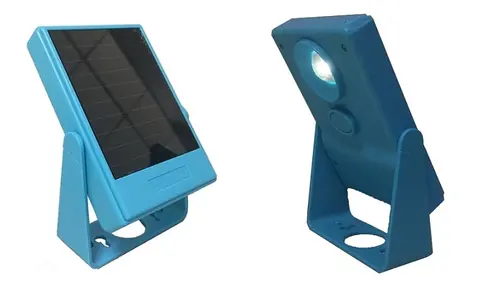
SunAwada VeraSol Certified Solar Reading Lamp
Model SunAwada
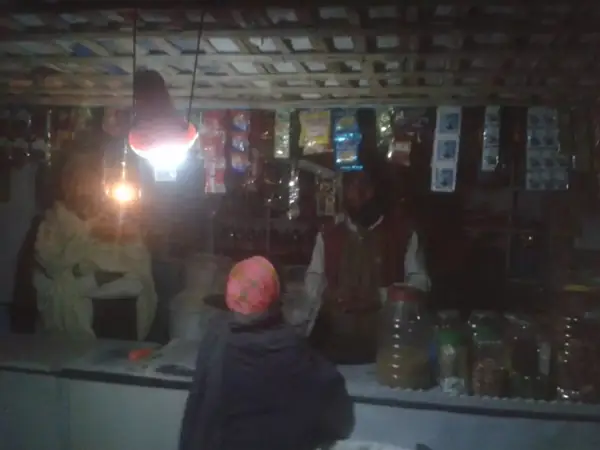
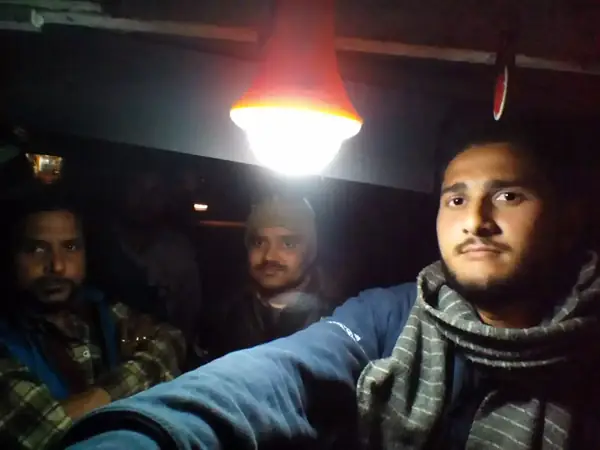
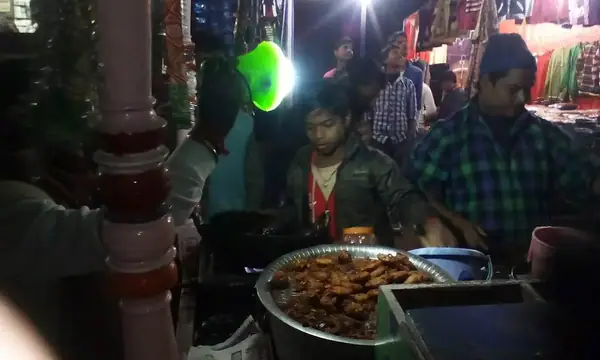
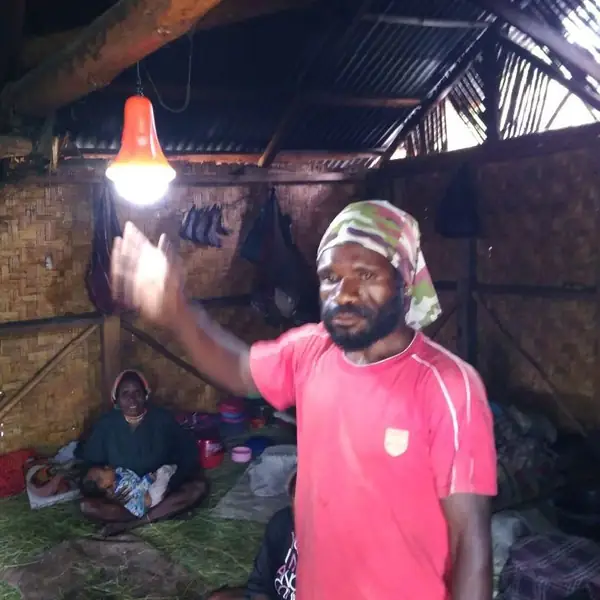
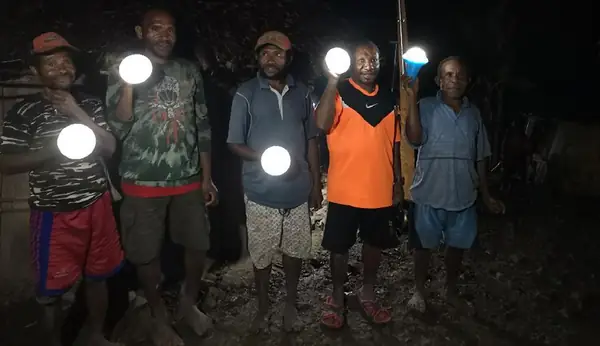
Lamps in Use
Photographs supplied by customers and partners of Sinoware lamps in daily use.
Project Questions
How many lamps were supplied?
How long did development take?
Why not offer an existing product?
Are SEHEN kits still available?
Have a Programme That Needs a Product That Does Not Exist
That is the situation this company was built for. Send the specification and we will tell you honestly whether we can build it and how long it will take.