
Battery Types for Off-Grid Lighting
LiFePO4, lithium-ion, Ni-MH and lead acid, and why the choice is usually about the market rather than the chemistry.
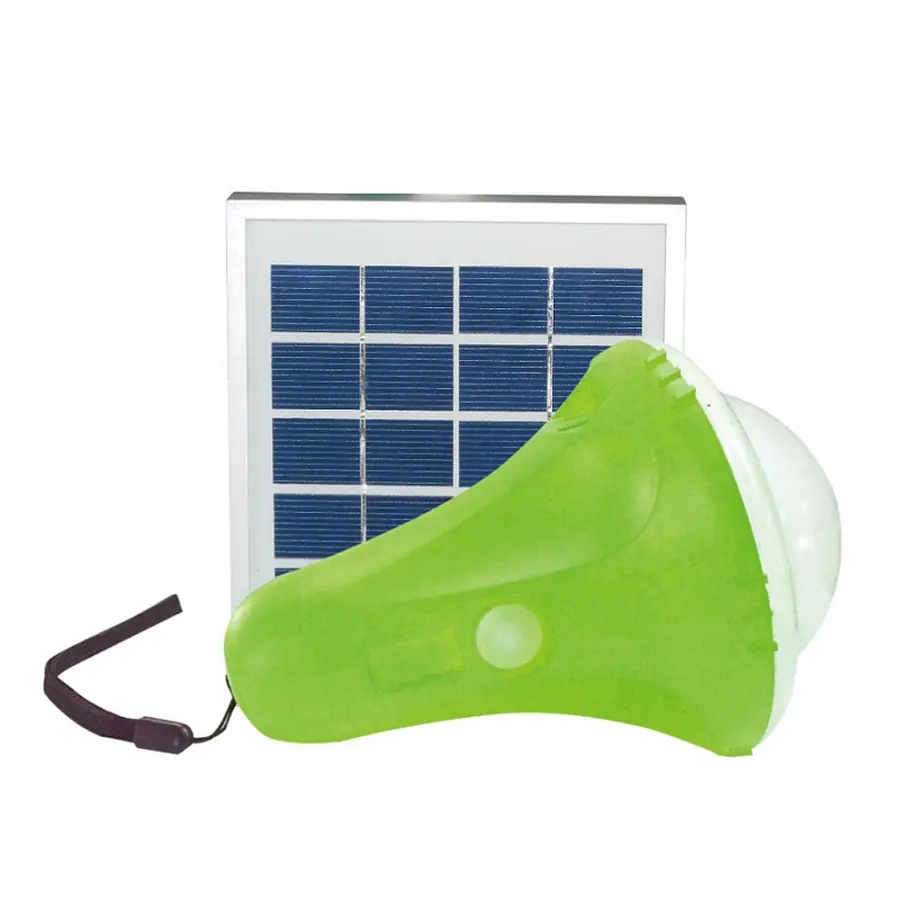
The battery decides how long an off-grid product lives. Everything else can be repaired or ignored. When a solar lantern is thrown away after eighteen months, it is almost always the cell that failed, not the LED and not the panel.
The Four Chemistries in the Range
LiFePO4
Used on the SunGold President at 1450mAh 6.6V, the SunAce II at 3000mAh 3.2V, the SunBase and the SunAwada at 500mAh 3.2V, and the remote torches in the SEHEN kits. It tolerates daily full cycling better than standard lithium-ion, runs safer at high temperature, and holds its capacity over more years. The SunBase battery is quoted at a five year lifespan. It costs more per amp hour, which is exactly why it appears on the products meant to last.
Lithium-ion and NMC
Used on the Lamp2Torch at 5200mAh 3.7V, the SunAce-Li at 2200mAh 3.7V, and the SW-HS4 and SW-HS8 systems at 7.2V 2600mAh and 5200mAh. It gives the most energy for the weight and the money, which matters when a product is carried and when the retail price is fixed.
Ni-MH
Used on the reading lamp without stand at 650mAh 2V. It sits at the very bottom of the price ladder with an amorphous panel, and it is the honest choice when the alternative for that household is a candle.
Lead acid
Used on the 10W indoor systems at 12V 7Ah and on the large systems at 12V 200Ah and 600Ah, in deep cycle maintenance free form. The cost per amp hour is the lowest available and weight does not matter in a box on a wall. Its weakness is deep discharge, which is why the charge controllers protect against it.
How to Choose For a Market
- High daily cycling and heat. LiFePO4. The cell will be cycled 365 times a year and it needs to survive that.
- Price-led first purchase. Ni-MH or entry lithium. Getting a household off kerosene at all is the win.
- Portable products. Lithium-ion, for the energy per gram.
- Fixed home systems. Deep cycle lead acid, for the cost per amp hour.
Protection Matters as Much as Chemistry
Every lighting product in the range carries a micro-programmed control unit that protects against over voltage, over current, over charge, over discharge and short circuit. A good cell with no protection circuit will still fail early. Over discharge is the one that kills lead acid, and over charge is the one that makes lithium unsafe.
One Field Habit Worth Teaching
Tell customers to charge the product at least once a week even when they are not using it. A cell stored flat for a season is a cell that will not come back, whatever it is made of.
Products in This Guide
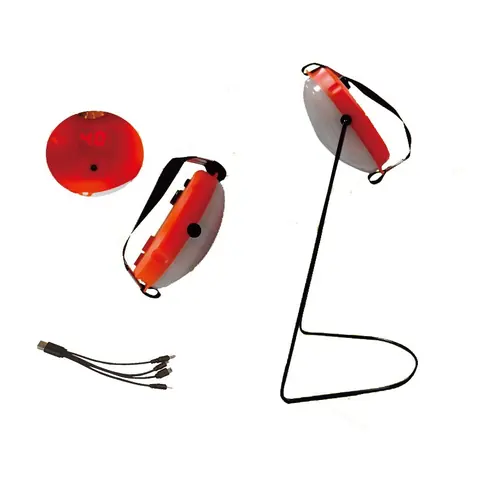
SunGold President Solar Lantern
Model SunGold President
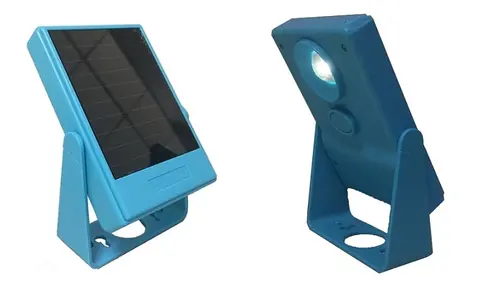
SunAwada VeraSol Certified Solar Reading Lamp
Model SunAwada
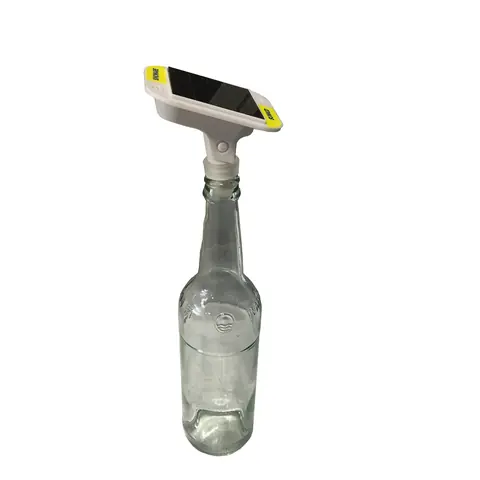
Solar Reading Lamp Without Stand
Model Solar table reading lamp
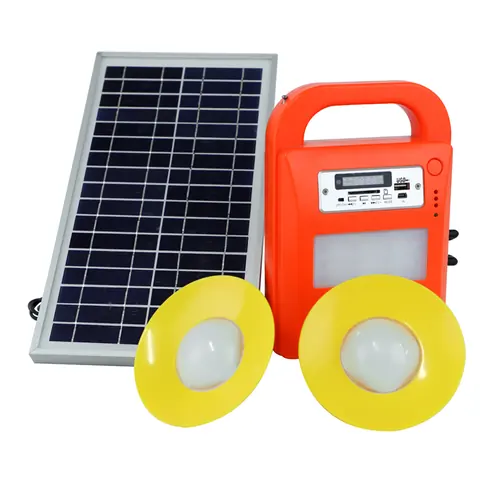
10W Solar Home Lighting System With Mobile Charger
Model 10W indoor system
Questions About This Guide
Which battery lasts longest?
Why do the big systems still use lead acid?
What protects the battery?
Still Deciding
Send the numbers you are working with and we will tell you which model fits, or tell you plainly if none of ours does.