
MPPT and PWM Charging Compared
What the 30 percent figure on our spec sheets means, and when it is worth paying for.
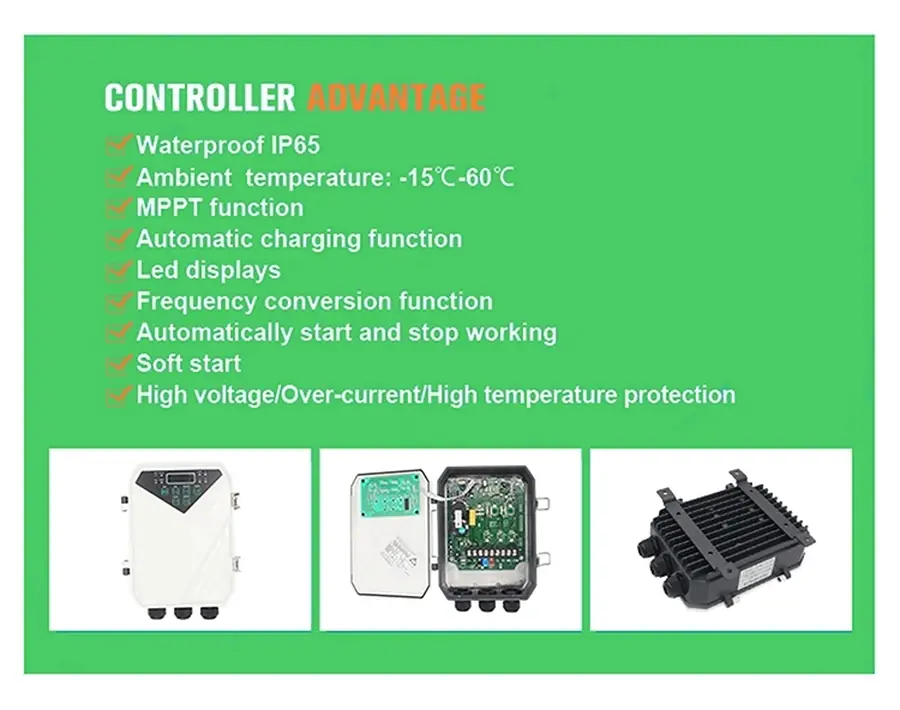
Every charge controller does the same job badly or well: it moves energy from a panel into a battery. The difference between PWM and MPPT is how much of the panel's potential survives the trip.
What a PWM Controller Does
A PWM controller connects the panel more or less directly to the battery and switches that connection on and off rapidly to hold the right charging voltage. It is cheap, robust and has almost nothing to go wrong. Its weakness is that it drags the panel down to battery voltage, and any voltage the panel could have produced above that is simply not collected.
What an MPPT Controller Does
An MPPT controller tracks the panel's maximum power point and converts the surplus voltage into extra current. The panel gets to work where it is most efficient, and the battery still receives the voltage it needs.
Where the 30 Percent Comes From
Sinoware products with MPPT inside are specified at 30 percent faster charging than the equivalent PWM arrangement. That applies to the SW-HS4-2LI and SW-HS8-4LI lighting systems, the SW-T10 and 20W street lights, and the controllers supplied with the solar pumps. It is a charging speed figure, not a brightness figure.
When It Is Worth It
- Short or unreliable sun. High cloud cover, a short dry window in the day, or a panel that gets shaded in the afternoon. MPPT recovers more of a poor day.
- Cold and bright conditions. Panel voltage rises as the cell cools, and that is exactly the surplus a PWM controller discards.
- Products people rely on nightly. A street light that has to come on every evening, or a PAYG product that a customer is paying for whether or not it works.
- Pumping. More harvested energy converts directly into more litres per day.
When PWM Is Still Fine
A small lantern with a matched panel and a low daily energy demand, in a market with strong reliable sun and a hard price ceiling, does not need MPPT. Paying for it there means either a higher retail price or a cheaper cell somewhere else in the product, and the cell is the wrong place to save.
The Practical Test
Ask what happens on the third cloudy day. If the answer is that the product goes dark and the customer stops paying, MPPT earns its cost. If the answer is that the customer shrugs and charges it the next morning, it does not.
Products in This Guide
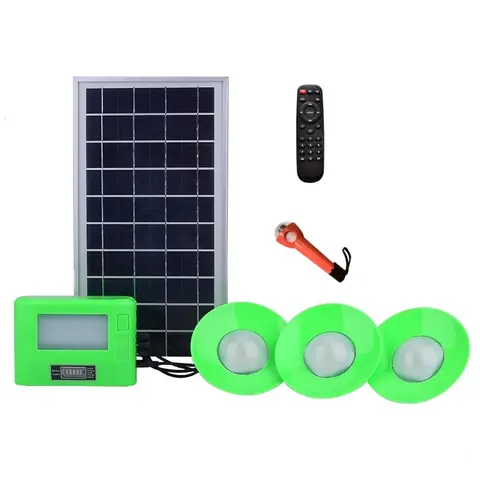
MPPT PAYG Solar Lighting System
Model SW-HS4-2LI / SW-HS8-4LI (PAYG)
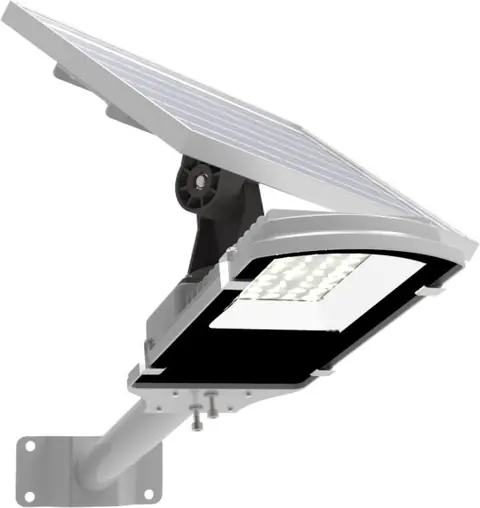
10W LED Solar Street Light With MPPT Control
Model SW-T10
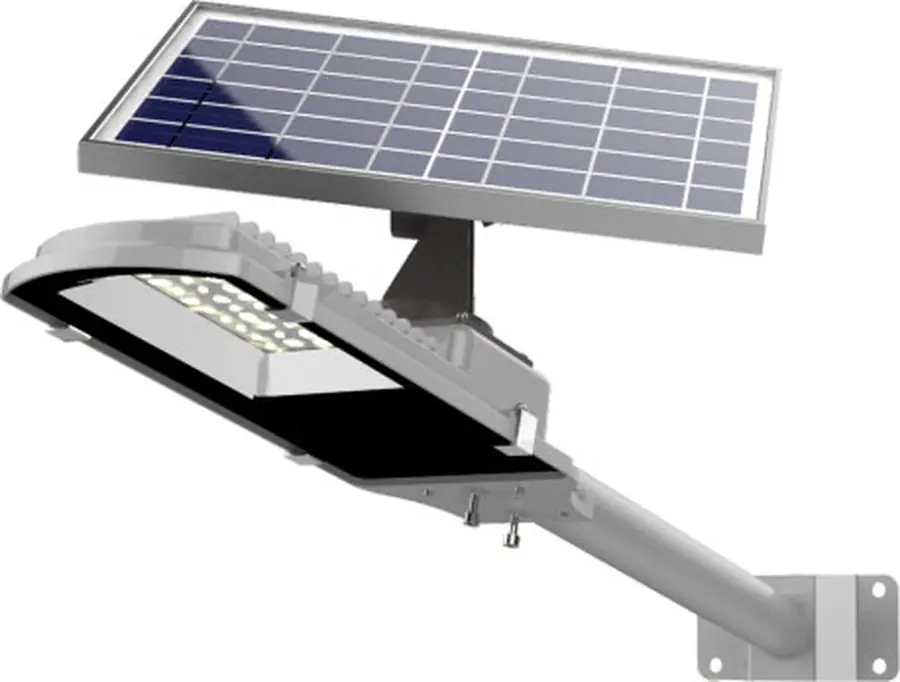
20W Solar Pathway Light With MPPT Charging Controller
Model 20W pathway light
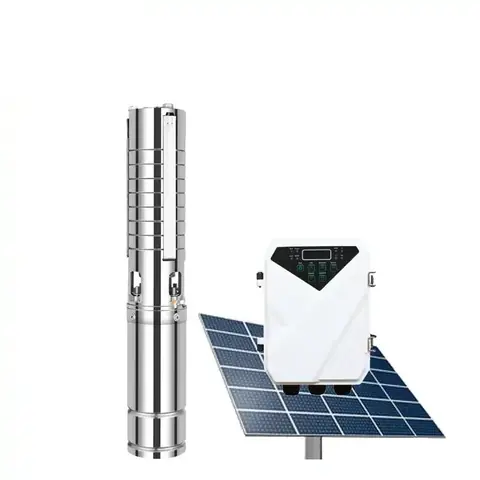
4 Inch DC Submersible Solar Water Pump
Model SP-4DSC5.2-45-48-500
Questions About This Guide
Which Sinoware products have MPPT?
Is MPPT 30 percent brighter?
Does MPPT help on a cloudy day?
Still Deciding
Send the numbers you are working with and we will tell you which model fits, or tell you plainly if none of ours does.