
Slewing Ring
Slewing ring spur gears provide rotational drive and torque transmission for rotating machinery, cut to your print rather than pulled from a standard catalogue. NOWARUN manufactures them across module 0.5 to module 10 using carbon steel, alloy steel, polymer, or foreign standard grades. Gear teeth are produced by hobbing, shaving, shaping, and grinding to achieve gear precision from DIN 5 to DIN 10, complete with specified heat and surface treatments.
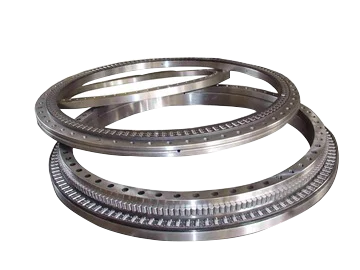
Published Data for Slewing Ring
Every value below is taken from NOWARUN's own specification for this part.
| Module | 0.5 to 10 |
|---|---|
| Gear Precision | DIN 5 to DIN 10 |
| Processes | Hobbing, shaving, grinding, shaping |
| Heat Treatment | Carburizing, carbonitriding, QT, quenching, tempering, induction hardening |
| Surface Treatment | E-coating, plating, oiling, Geomet, Dacromet, Delta, brushing, polishing, laser engraving |
| Material | Carbon steel, alloy steel, polymer, customized foreign standards |
| Packaging | PP bag, carton, crate, box or according to customer requirements |
| Location | Hangzhou, Zhejiang, China |
Key Benefits
- Module range 0.5 to 10 covers small precise mechanisms up to heavy machine rotating structures
- Gear precision from DIN 5 to DIN 10 allows matching the machining process directly to functional needs
- Four cutting methods available including hobbing, shaving, shaping, and grinding to match the target accuracy
- Multiple heat treatments such as carburizing, induction hardening, and QT provide required tooth core and flank properties
- Broad surface protection options including Geomet, Dacromet, Delta, plating, and E-coating prevent corrosive field failure
- Manufactured directly to customer drawings or customized equivalent grades from various foreign national standards
Problems It Solves
- Standard catalogue slewing rings impose non-standard bolt patterns or gear modules that do not suit your assembly
- Rapid tooth surface wear caused by generic through-hardening instead of selective induction hardening or carburizing
- Corrosion issues in harsh operating environments solved by specifying Geomet, Dacromet, Delta, or E-coating finishes
- Unnecessary machining costs eliminated by specifying precise DIN grades between DIN 5 and DIN 10 per application
Who It Is For
- Mechanical design engineers developing rotating equipment who need custom ring gear teeth dimensions
- Equipment rebuilders replacing worn spur slewing rings where standard catalogue rings do not fit the bolt pattern
- Machinery builders sourcing gear rings with specific DIN accuracy grades and protective surface coatings
- Procurement specialists managing contract manufacturing for custom drive rings made from specified national standard steels
Application Scenarios
- Machine construction projects requiring a geared rotating ring matched to custom mounting dimensions
- Agricultural equipment where rotating mechanisms require corrosion-resistant coatings like Dacromet or Geomet
- Mining and aggregate machinery turntables requiring induction-hardened or carburized spur gear teeth
- Food processing equipment utilizing polymer or plated slewing spur gears for clean operating environments
- Wood processing machinery rotary units needing precise gear tooth engagement under steady operation
Technical Features
- Tooth cutting capability covering hobbing, shaving, shaping, and grinding
- Module capability from module 0.5 up to module 10
- Precision classification ranging from DIN 5 down to DIN 10
- Heat treatment options including carburizing, carbonitriding, QT, quenching, tempering, and induction hardening
- Secondary finishing covering brushing, polishing, and laser engraving for part identification
Materials
- Carbon steel for standard mechanical slewing ring applications
- Alloy steel when case carburizing, carbonitriding, or high core toughness is required
- Polymer for low weight or specific low-friction rotary drive applications
- Customized material grades sourced according to various foreign national standards
How It Is Made
- 1
Engineering review of customer drawing specifying module, tooth profile, DIN grade, and treatments
- 2
Ring blank preparation and turning to mounting and interface dimensions
- 3
Gear tooth cutting carried out via hobbing, shaping, or shaving
- 4
Application of specified thermal processing including induction hardening, QT, or carburizing
- 5
Finish grinding on tooth profiles when DIN 5 to DIN 7 precision is designated
- 6
Surface finishing such as Dacromet, Geomet, plating, or oiling followed by laser engraving
Quality Control
- Gear tooth profile and runout verified against the ordered DIN 5 to DIN 10 standard
- Hardness verification across tooth flanks and core following heat treatment operations
- Coating thickness and surface finish checks following plating, E-coating, or Geomet application
- Secure protective packing in bags, cartons, or crates to prevent impact damage during transit
Customization Options
- Manufactured strictly to customer-supplied 2D drawings and 3D models rather than stock sizes
- Module sizing from 0.5 to 10 selected to match your mating pinion precisely
- Heat treatment selected per duty cycle: induction-hardened teeth, carburized case, or quenched and tempered
- Surface treatment options matched to operating environment: oiling, plating, E-coating, Geomet, Dacromet, or Delta
Compared With the Alternatives
| Alternative | Honest trade off |
|---|---|
| Off-the-shelf standard slewing rings | Standard rings provide immediate availability but force your machine frame to adapt to fixed dimensions, modules, and bolt patterns |
| Unhardened spur slewing rings | Unhardened rings reduce initial machining and thermal costs but experience accelerated tooth flank pitting and wear under continuous torque |
| Single-step hobbed rings | Hobbing alone is cost-effective for coarse tolerances, whereas finish grinding achieves tighter DIN 5 precision at higher machining cycle times |
Use Guide
- Provide a detailed drawing showing module, tooth count, pitch diameter, face width, and interface holes
- Specify the target gear precision between DIN 5 and DIN 10 so suitable cutting processes are planned
- Identify exact heat treatment requirements such as case depth or induction hardening on the tooth flanks
- Select the appropriate surface treatment depending on whether the ring operates exposed or enclosed in grease
- Confirm your preferred export packaging configuration, such as timber crates or individual boxes
Slewing Ring Questions
What gear precision can you achieve on this slewing ring?
Precision ranges from DIN 5 to DIN 10, depending on whether the teeth are finished by hobbing, shaping, shaving, or grinding.
What module range do you cut for slewing ring spur gears?
We cut gear profiles from module 0.5 up to module 10 according to your drawing specifications.
Can you produce parts using steel grades from our national standard?
Yes. We supply parts in carbon steel, alloy steel, polymer, and customized grades matching various countries' standards.
What heat treatment methods do you offer for the gear teeth?
Available heat treatments include carburizing, carbonitriding, quenching and tempering (QT), through quenching, tempering, and induction hardening.
What surface treatments are available for outdoor or corrosive environments?
We provide E-coating, plating, oiling, Geomet, Dacromet, and Delta, alongside mechanical finishes like brushing and polishing.
How are the finished slewing rings packaged for shipment?
Parts are packaged in PP bags, cartons, crates, boxes, or according to specific customer requirements to prevent transit damage.
Related Products
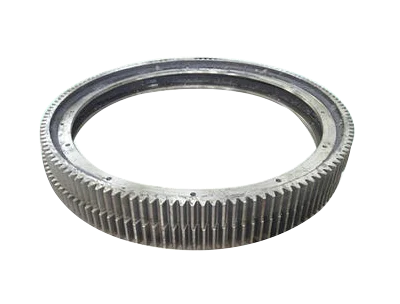
Gear Ring
Gear rings transmit torque in planetary gearboxes, slewing assemblies, and machine drives, cut to your print rather…
View specifications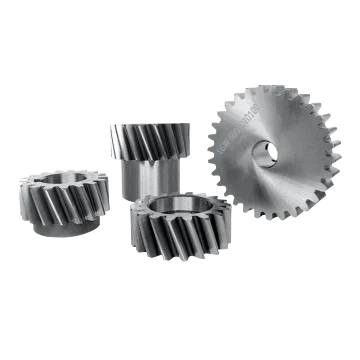
Spiral spur gear
Spiral spur gears provide smooth tooth engagement across parallel shafts, manufactured by NOWARUN strictly to your…
View specifications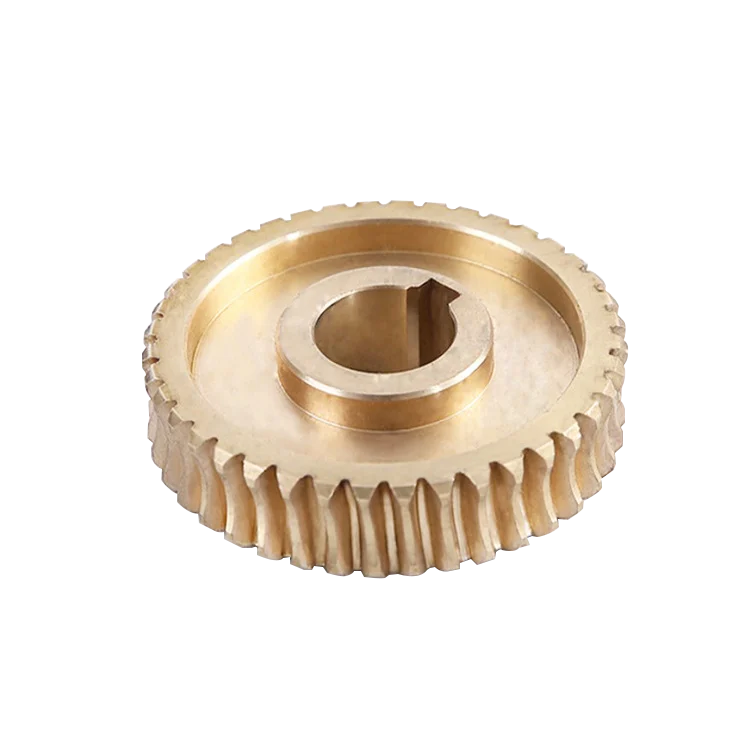
Worm Gear
Worm gears provide smooth speed reduction and high ratio torque transmission across perpendicular non-intersecting…
View specifications
Crown Gear
Grown gears are manufactured to customer drawings across module 0.5 to module 10 for angular driveline…
View specificationsQuote Slewing Ring to Your Drawing
Send the print with the quantity, material, tolerance and surface treatment. Missing details get asked about, not assumed.