Process Selection for Small Module Gears
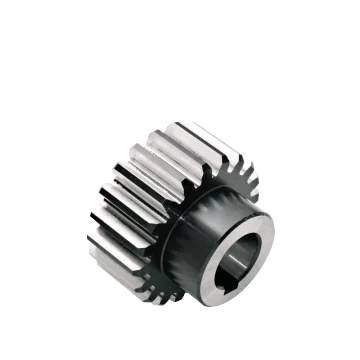
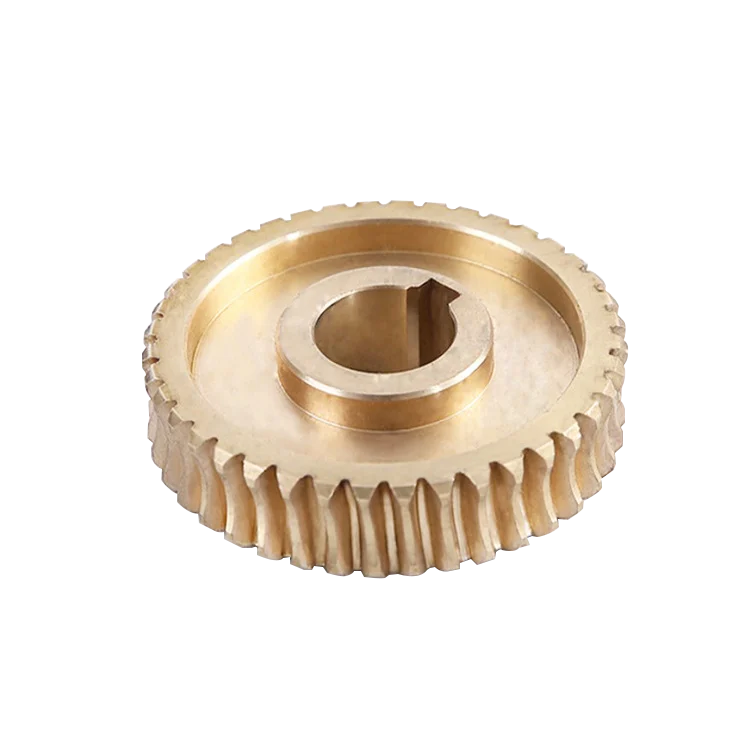
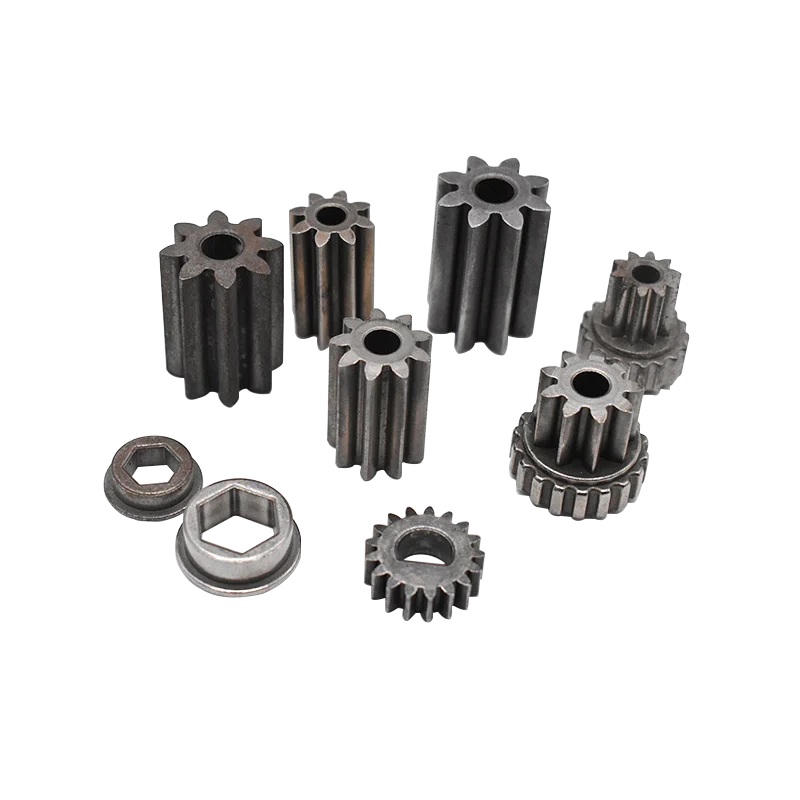
Small gears can be manufactured by cutting or by metal injection molding depending on geometry, batch size and material requirements. Machined gears cover module 0.5 to 10 across carbon steel, alloy steel, stainless steel, brass and bronze using hobbing, shaping, shaving and grinding. Metal injection molding produces small module gears directly to net shape from stainless steel, iron-based steel and alloy-based steel powders, eliminating multi-axis gear cutting operations on intricate tooth forms.
Achieving Precision from DIN 5 to DIN 10
Machined gears provide gear precision from DIN 5 to DIN 10 across external gears and worm gears. Achieving DIN 5 to DIN 7 requires controlled finishing such as tooth shaving or gear grinding after primary hobbing or shaping. Metal injection molding delivers consistent small gears for high-volume series, but high-precision drive meshes requiring DIN 5 accuracy and ground flank geometry remain the domain of conventional machining and secondary grinding.
Material Options and Secondary Heat Treatment
Cut gears can be machined from bar stock in carbon steel, alloy steel, stainless steel, polymer, bronze, brass or copper. MIM parts are formed from stainless steel, iron-based or alloy-based formulations. Both routes support subsequent thermal treatments to match fatigue requirements: options include carburizing, carbonitriding, quench and tempering (QT), quenching, tempering and induction hardening to harden the tooth flank.
Surface Finishing and Delivery Requirements
Once teeth are cut or molded, corrosion protection and surface finish are applied per print. Surface treatments include E-coating, plating, oiling, Geomet, Dacromet, Delta, brushing, polishing and laser engraving. Finished small gears are packed in PP bags, cartons, crates or boxes to prevent tooth impact during transit and arrive ready for customer assembly lines.