
Shaft
Precision shafts transmit torque and locate rotating components, and NOWARUN machines them directly to customer drawings using Swiss machining, CNC turning, and cylindrical grinding. Diameters, bearing seats, and ground journals are held to machining tolerances down to +/-0.005 mm in alloy steel, carbon steel, stainless steel, copper, or plastic. Components are manufactured to print rather than pulled from a standard catalogue.
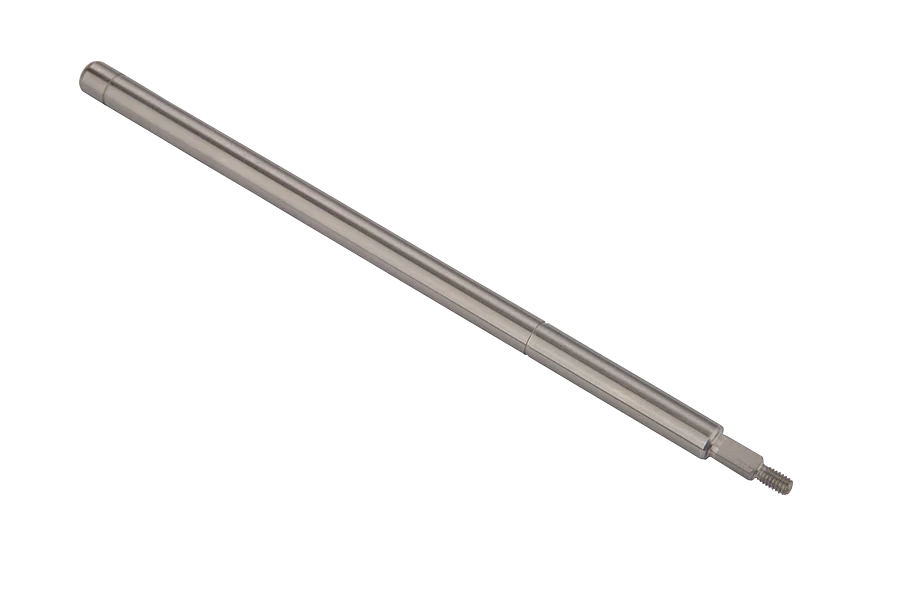
Published Data for Shaft
Every value below is taken from NOWARUN's own specification for this part.
| Tolerance | +/-0.005 mm |
|---|---|
| Processes | Swiss machining, CNC turning, grinding |
| Materials | Carbon steel, stainless steel, copper, plastic, alloy steel, or per requirement |
| Heat Treatment | Carburizing, carbonitriding, QT, quenching, tempering, induction hardening |
| Surface Treatment | Sandblasting, painting, powder coating, plating, brushing, polishing, oiling, Geomet, Dacromet, Delta |
| Certifications | ISO 9001, ISO/TS 16949 / ISO/TS 16949, SGS, ROHS |
| Packaging | PP bag, carton, crate, box, or per requirement |
| Origin | Hangzhou, Zhejiang, China |
Key Benefits
- Machining tolerance down to +/-0.005 mm delivers predictable press fits on bearings and seals
- Swiss machining handles small-diameter shafts with tight concentricity and smooth surface finishes
- Heat treatment choices like carburizing and induction hardening give hard bearing journals over a tough core
- Surface finishing options include plating, Geomet, Dacromet, and Delta for corrosion protection in field equipment
- Multi-material capability covers alloy steel, carbon steel, stainless steel, copper, and engineering plastics
- Produced strictly to drawing or physical sample to fit non-standard housings and custom gearboxes
Problems It Solves
- Loose journal tolerances from general machining shops causing early bearing failure or shaft slip
- Shafts that bow or distort during hardening because heat treatment and grinding were not coordinated
- Procuring specialized corrosion coatings like Geomet, Delta, or Dacromet that standard turners cannot provide
- Suppliers refusing small to medium production batches of precision shafts without standard catalogue tooling
Who It Is For
- Machine builders needing tight-tolerance transmission shafts machined directly to their proprietary engineering drawings
- Procurement engineers sourcing custom turned and ground shafts across alloy steel and stainless steel
- Equipment rebuilders who need replacement shafts produced to sample dimensions when original prints are missing
- Industrial OEMs looking to consolidate machining, heat treatment, and specialized plating under one supplier
Application Scenarios
- Driveline shafts in agricultural equipment subjected to continuous torque and shock loading
- Stainless steel drive spindles running inside food processing machinery where hygiene is critical
- Precision rotor and pinion shafts used in industrial machine construction and gearboxes
- Heavy-duty drive shafts operating under dust and shock loads in mining and aggregate equipment
- Replacement shafts for imported machinery where the original factory spares are unavailable
Technical Features
- Turning and finishing through Swiss machining, CNC turning, and precision grinding
- Machining tolerances controlled down to +/-0.005 mm on critical fits and journals
- Full range of heat treatments including carburizing, carbonitriding, QT, quenching, tempering, and induction hardening
- Diverse surface treatments including sandblasting, painting, powder coating, plating, brushing, polishing, oiling, Geomet, Dacromet, and Delta
- Certified production under ISO 9001 and ISO/TS 16949 / ISO/TS 16949 quality systems
Materials
- Alloy steel for high-strength drive shafts requiring carburized or induction-hardened wear surfaces
- Carbon steel for general-duty machinery shafts and turned pins requiring standard heat treatment
- Stainless steel for food processing or washdown applications requiring inherent corrosion resistance
- Copper for shafts requiring high electrical conductivity or specific non-sparking properties
- Plastic for lightweight or low-friction specialized rotating shafts
How It Is Made
- 1
Review of customer technical drawings, tolerances, material grades, and heat treatment specifications
- 2
Rough CNC turning or Swiss machining of blanks to initial shaft geometries
- 3
Application of specified thermal processing including quenching, tempering, carburizing, or induction hardening
- 4
Precision grinding of bearing seats, journals, and sealing faces to +/-0.005 mm tolerance
- 5
Application of specified surface treatments such as plating, Geomet, Dacromet, or protective oiling
- 6
Final dimensional inspection and secure packaging in cartons, crates, or PP bags
Quality Control
- Diameter, runout, and journal dimensions checked against the drawing tolerance down to +/-0.005 mm
- Hardness verification performed after carburizing, carbonitriding, quenching, or induction hardening
- Surface finish and coating inspection for plating, Geomet, Dacromet, or Delta treatments
- Certified quality procedures compliant with ISO 9001, ISO/TS 16949, SGS, and ROHS standards
Customization Options
- Produced directly to your CAD drawing, dimensional print, or physical shaft sample
- Shaft diameters, keyways, snap ring grooves, threads, and splines machined to exact specifications
- Heat treatment chosen specifically to match mechanical load and wear conditions
- Multiple export packaging options including custom crate layering or individual PP bag wrapping
Compared With the Alternatives
| Alternative | Honest trade off |
|---|---|
| Standard off-the-shelf keyed shafting | Stock shafting ships quickly, but custom shafts integrate journals, steps, and threads directly to fit your housing |
| Standard CNC turning without grinding | Direct turning is lower cost, but secondary grinding is required to reliably achieve +/-0.005 mm tolerances |
| Through-hardened shafts | Through hardening hardens the full section, but case carburizing or induction hardening keeps the core ductile against shock loading |
Use Guide
- Submit your technical drawing marking bearing seat diameters, keyway dimensions, and required tolerances
- Specify core hardness and case depth requirements if requesting carburizing or induction hardening
- State your preferred protective coating such as plating, Geomet, Dacromet, or rust preventive oil
- Ensure mating bearings and seals match the specified journal finish and +/-0.005 mm tolerance callouts
- Store oiled or coated shafts in original packaging until ready for final gearbox or machinery assembly
Shaft Questions
What machining tolerance can you hold on precision shafts?
NOWARUN holds tolerances down to +/-0.005 mm on critical dimensions, bearing seats, and ground journals.
What machining processes do you use to manufacture shafts?
Shafts are manufactured using Swiss machining, CNC turning, and precision grinding, selected based on shaft dimensions and tolerance.
Which materials are available for custom shaft manufacturing?
Available materials include alloy steel, carbon steel, stainless steel, copper, and plastic, or grades specified on your drawing.
What heat treatment options can be specified on the shaft drawings?
We provide carburizing, carbonitriding, QT (quenched and tempered), quenching, tempering, and induction hardening.
What surface coatings can be applied for corrosion resistance?
Options include sandblasting, painting, powder coating, plating, brushing, polishing, oiling, Geomet, Dacromet, and Delta.
How are precision ground shafts packaged for overseas shipping?
Shafts are packaged in PP bags, cartons, crates, or boxes to protect precision surfaces, or packed according to customer specifications.
Related Products
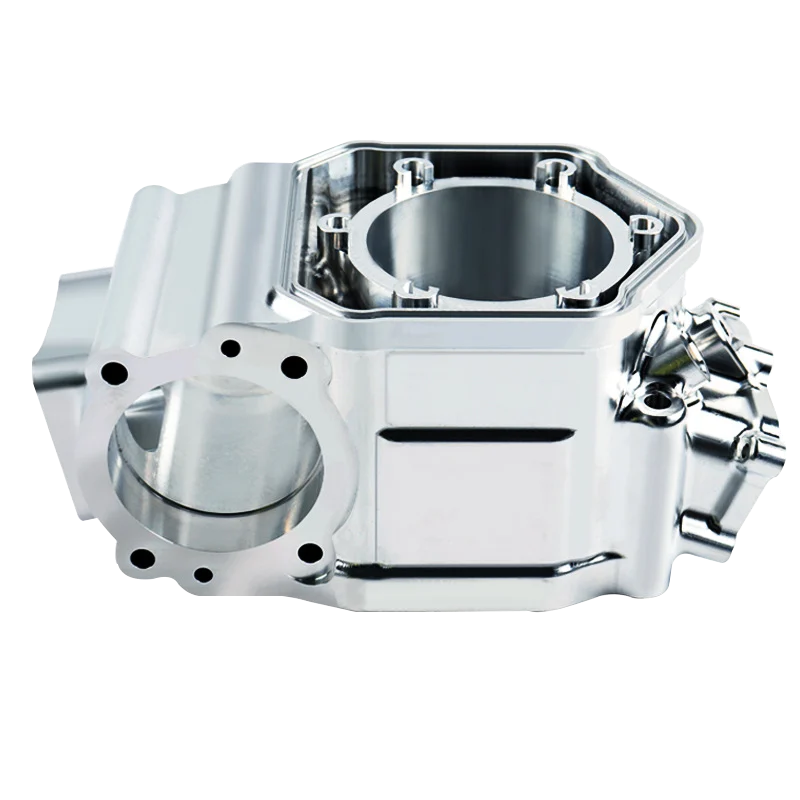
Alloy CNC Parts
NOWARUN produces custom alloy CNC parts machined to customer drawings using 4-axis and 5-axis CNC machining, milling,…
View specifications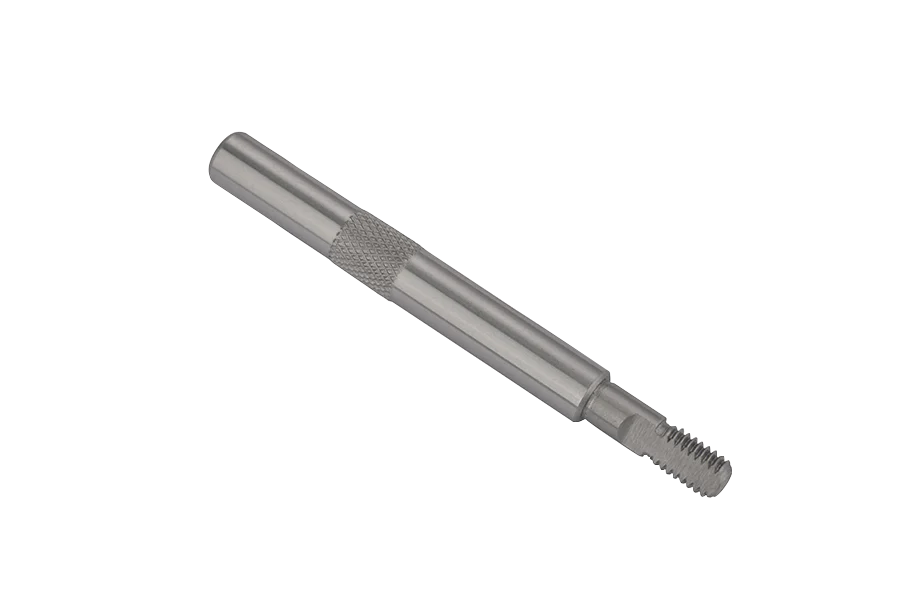
Knurling Shaft
Knurling shafts provide defined grip and mechanical press fit surfaces for rotating or locating assemblies, machined…
View specifications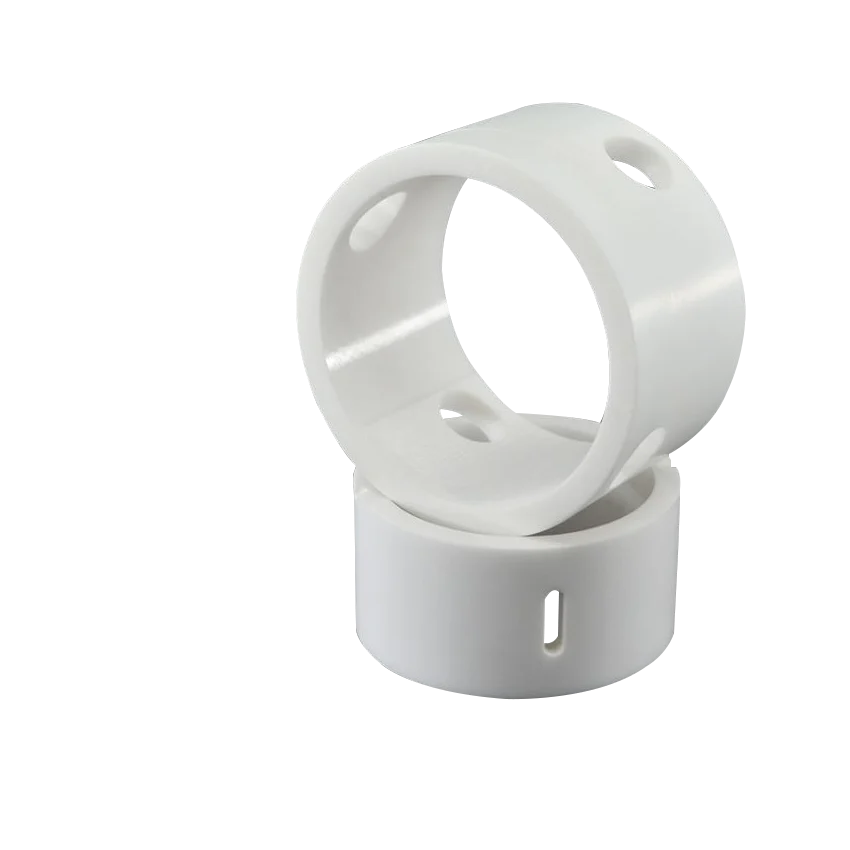
Alumina Ceramic
NOWARUN manufactures custom alumina ceramic plates from aluminium oxide (Al2O3) to customer drawings and data…
View specifications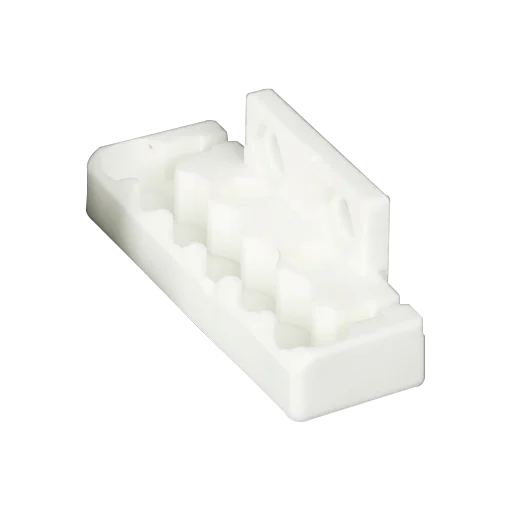
Ceremic terminal block
Ceramic terminal blocks, also termed porcelain connectors or 2 pole ceramic connecting terminals, are produced in 2…
View specificationsRelated Guides
A Machining Tolerance Guide for Custom Metal Parts
Machining tolerance capabilities down to +/-0.005 mm on custom shafts, valve blocks and alloy parts across CNC turning, milling an
Buying GuideHow to Send a Drawing That Gets an Accurate Quote
Learn how to prepare drawings for +/-0.005 mm machining, gear systems, heat treatments, and coatings to receive accurate custom co
Industries That Use It
Agriculture Equipment
Agricultural machinery operates under extreme field conditions where drive lines, belt drives and vibrating screens bear continuou
IndustryFood Processing
Food processing machinery demands corrosion-resistant materials and precise sealing surfaces to prevent contamination and withstan
Quote Shaft to Your Drawing
Send the print with the quantity, material, tolerance and surface treatment. Missing details get asked about, not assumed.