
Knurling Shaft
Knurling shafts provide defined grip and mechanical press fit surfaces for rotating or locating assemblies, machined here via Swiss machining, CNC turning, grinding, and knurling operations. NOWARUN produces these custom shafts in alloy steel, carbon steel, stainless steel, copper, or plastic to a tolerance of +/-0.01 mm. Components are manufactured strictly to your print or sample rather than stocked as catalogue items.
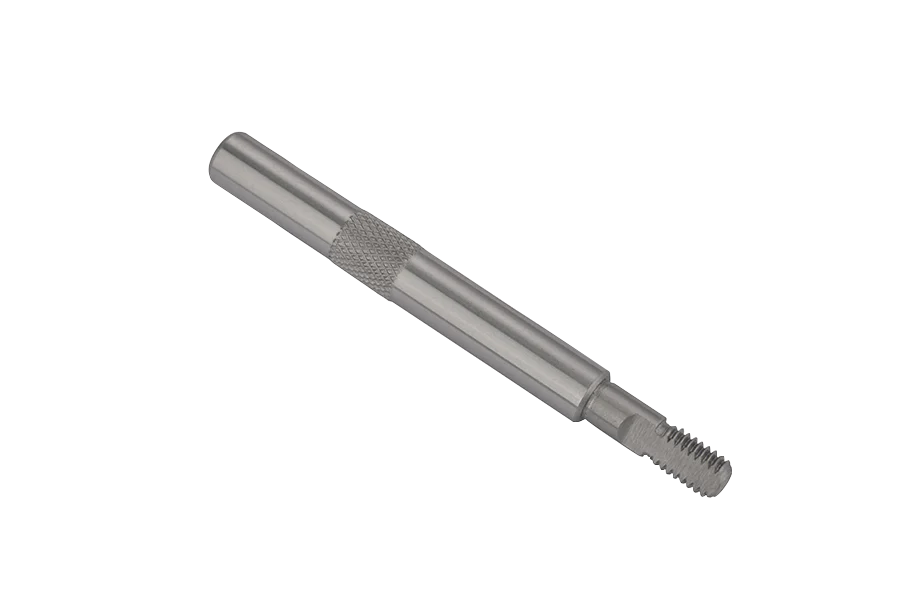
Published Data for Knurling Shaft
Every value below is taken from NOWARUN's own specification for this part.
| Tolerance | +/-0.01 mm |
|---|---|
| Processes | Swiss machining, CNC turning, grinding, knurling |
| Materials | Carbon steel, stainless steel, copper, plastic, alloy steel, or customer requirement |
| Heat Treatment | Carburizing, carbonitriding, QT, quenching, tempering, induction hardening |
| Surface Treatment | Sandblasting, painting, powder coating, plating, brushing, polishing, oiling, Geomet, Dacromet, Delta |
| Certifications | ISO 9001:2008, ISO/TS 16949, SGS, ROHS |
| Packaging | PP bag, carton, crate, box or to customer requirement |
| Origin | Hangzhou, Zhejiang, China |
Key Benefits
- Machined down to +/-0.01 mm tolerance to ensure predictable press fit and bearing alignment
- Combination of Swiss machining and grinding delivers fine concentricity on slender turned shafts
- Knurled outer surfaces provide mechanical locking into molded plastic, die cast hubs, or mating assemblies
- Heat treatment options like carburizing and induction hardening give hard wear surfaces on critical diameters
- Broad material choices from carbon and alloy steel to stainless steel, copper, and engineering plastics
- Multiple surface finishes including Geomet, Dacromet, Delta, plating, and oiling prevent corrosion in field use
Problems It Solves
- Shafts slipping inside molded housings due to inconsistent knurl outer diameter and tooth geometry
- Excessive runout on long slender pins resolved by combining Swiss machining with precision grinding
- Premature wear on journal sections prevented by applying localized induction hardening or carburizing
- Corrosion in harsh environments addressed by selecting Dacromet, Geomet, Delta, or protective plating
Who It Is For
- Mechanical design engineers sourcing custom knurled shafts with specific tooth pitch and journal tolerances
- Machine builders replacing catalogue pins with custom alloy steel shafts machined to tight tolerances
- Procurement managers requiring custom turned shafts certified under ISO 9001 and ISO/TS 16949 standards
- Equipment rebuilders needing knurled shafts made to print with matched heat treatment and surface coatings
Application Scenarios
- Machine construction where a shaft needs a knurled section to press fit into a gear or roller hub
- Agriculture equipment mechanisms requiring hardened knurled shafts exposed to outdoor moisture and soil
- Wood processing feed rollers and pivot pins that demand dependable torsional lock without slipping
- Food processing machinery components machined from stainless steel with knurled adjustment surfaces
- Mining and aggregate equipment control shafts requiring induction hardening to resist shock and abrasion
Technical Features
- Swiss machining and CNC turning for complex multi-diameter stepped profiles
- Precision knurling tailored to specified pitch, diamond, or straight patterns
- Precision grinding to hold +/-0.01 mm journal tolerances
- Heat treatment options including QT, carburizing, carbonitriding, quenching, tempering, and induction hardening
- Anti-corrosion finishing across sandblasting, plating, powder coating, oiling, Geomet, Dacromet, and Delta
Materials
- Alloy steel for heavy mechanical assemblies requiring heat treated strength and fatigue resistance
- Carbon steel for economical shaft applications suited for carburizing or carbonitriding
- Stainless steel for corrosive operating environments including food processing machinery
- Copper for components requiring electrical conductivity or non-magnetic properties
- Plastic for lightweight applications requiring turned and knurled shaft features
How It Is Made
- 1
Drawing review to evaluate journal tolerances, knurl specifications, and material grades
- 2
Swiss machining or CNC turning of shaft blanks and stepped diameters
- 3
Knurling to form the required straight or diamond surface pattern
- 4
Heat treatment such as quenching, tempering, carburizing, or induction hardening
- 5
Precision grinding to secure final shaft diameter tolerances down to +/-0.01 mm
- 6
Application of specified surface treatments such as plating, oiling, or Dacromet
Quality Control
- Dimensional inspection of knurl major diameter and bearing journals to verify +/-0.01 mm tolerance
- Hardness testing on designated surfaces following QT, carburizing, or induction hardening
- Visual and tactile check of knurl pattern integrity to ensure clean mechanical engagement
- Certification compliance under ISO 9001, ISO/TS 16949, SGS, and ROHS standards
Customization Options
- Custom shaft lengths, step diameters, and grooves produced strictly to your drawing
- Knurl pitch, pattern style, and axial placement tailored to mating press fit parts
- Material selection from alloy steel, carbon steel, stainless steel, copper, or engineering plastic
- Choice of protective finishes including painting, plating, Geomet, Dacromet, and Delta coatings
Compared With the Alternatives
| Alternative | Honest trade off |
|---|---|
| Smooth cylindrical shaft | Knurled shafts provide positive mechanical retention in press fits, but require controlled knurling operations that add machining steps |
| Keyed or splined shaft | Knurling is lower cost for light torque transfer or interference fitting, but splines handle higher reversing torque |
| Standard catalogue pins | Stock pins ship immediately, but custom knurled shafts match your exact journal tolerances and chosen surface coating |
Use Guide
- Provide your drawing with knurl type, tooth pitch, root diameter, and knurled major diameter clearly defined
- Specify tolerances on critical bearing journals down to the allowable +/-0.01 mm limit
- Indicate required heat treatment methods like induction hardening or carburizing on load-bearing zones
- Select the appropriate surface finish based on exposure, such as Dacromet, Geomet, plating, or rust preventative oil
- Inspect receiving journals and mating bore dimensions prior to assembling interference knurl fits
Knurling Shaft Questions
What tolerance can you achieve on this knurling shaft?
We hold tolerances down to +/-0.01 mm on machined and ground features according to your drawing requirements.
What materials can be used for custom knurling shafts?
We machine knurling shafts from carbon steel, alloy steel, stainless steel, copper, plastic, or customer specified grades.
Which manufacturing processes do you use for these shafts?
Production utilizes Swiss machining, CNC turning, knurling, and precision grinding, followed by thermal or surface treatments.
What heat treatment options are available?
We provide carburizing, carbonitriding, quench and temper (QT), quenching, tempering, and induction hardening.
Which quality certifications apply to your shaft production?
Manufacturing processes follow ISO 9001:2008, ISO/TS 16949, SGS, and ROHS compliance standards.
How are knurling shafts packaged for transport?
Standard export packaging includes PP bags, cartons, crates, or boxes, or custom packaging according to your requirement.
Related Products
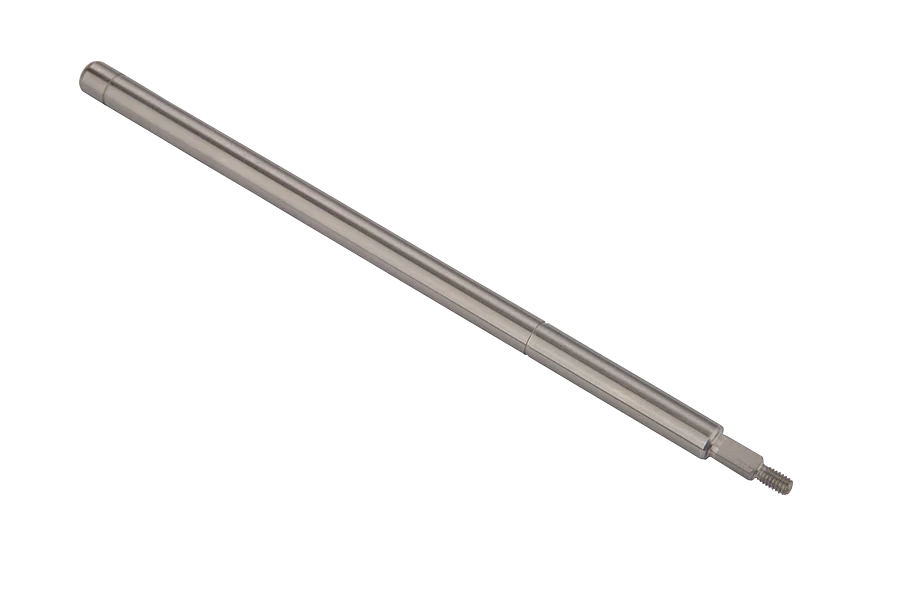
Shaft
Precision shafts transmit torque and locate rotating components, and NOWARUN machines them directly to customer…
View specifications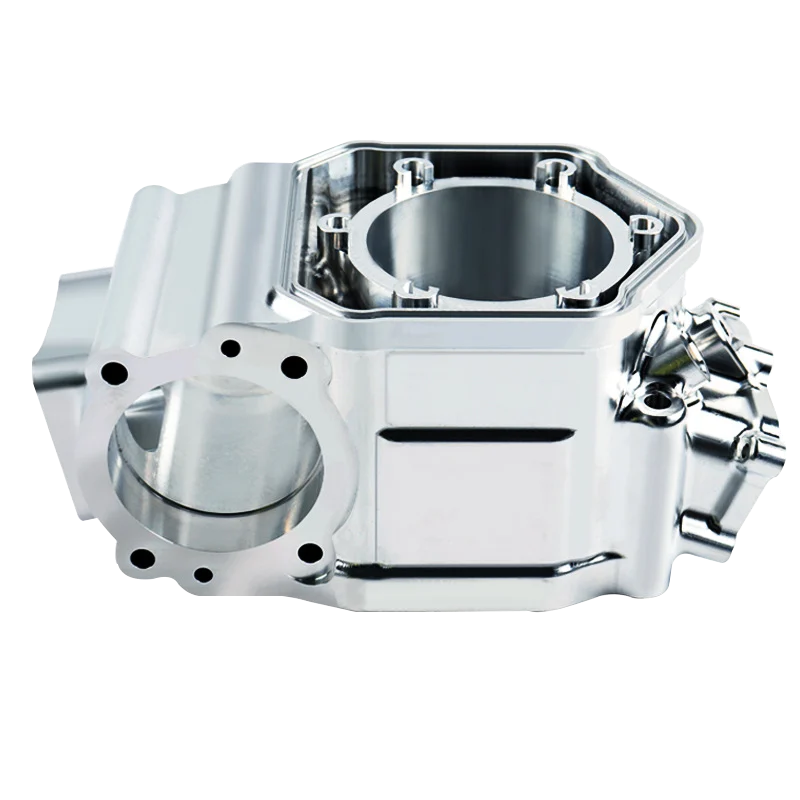
Alloy CNC Parts
NOWARUN produces custom alloy CNC parts machined to customer drawings using 4-axis and 5-axis CNC machining, milling,…
View specifications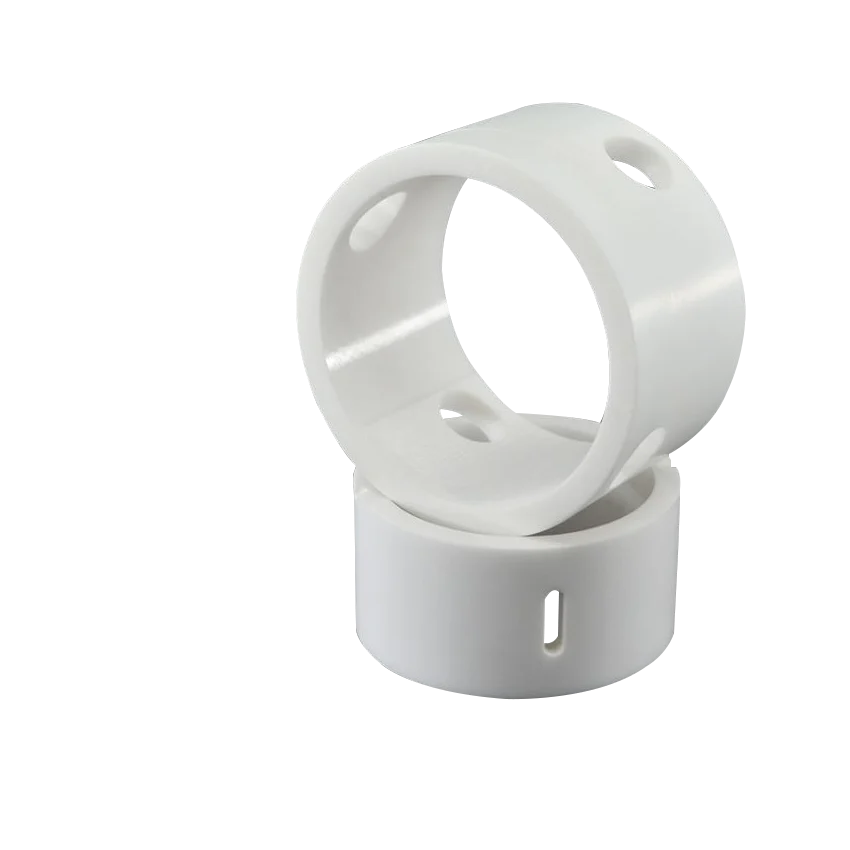
Alumina Ceramic
NOWARUN manufactures custom alumina ceramic plates from aluminium oxide (Al2O3) to customer drawings and data…
View specifications
Ceremic terminal block
Ceramic terminal blocks, also termed porcelain connectors or 2 pole ceramic connecting terminals, are produced in 2…
View specificationsQuote Knurling Shaft to Your Drawing
Send the print with the quantity, material, tolerance and surface treatment. Missing details get asked about, not assumed.