
Alumina Ceramic
NOWARUN manufactures custom alumina ceramic plates from aluminium oxide (Al2O3) to customer drawings and data requirements. With material purity spanning 92% to 99.7% and densities from 3.0 to 3.96 g/cm3, these components operate continuously in environments from 1000°C to 1800°C. Sized across diameters of 10 to 850 mm and thicknesses from 7 to 40 mm, each ceramic part provides wear resistance, electrical insulation, and chemical protection against acids and alkalis.
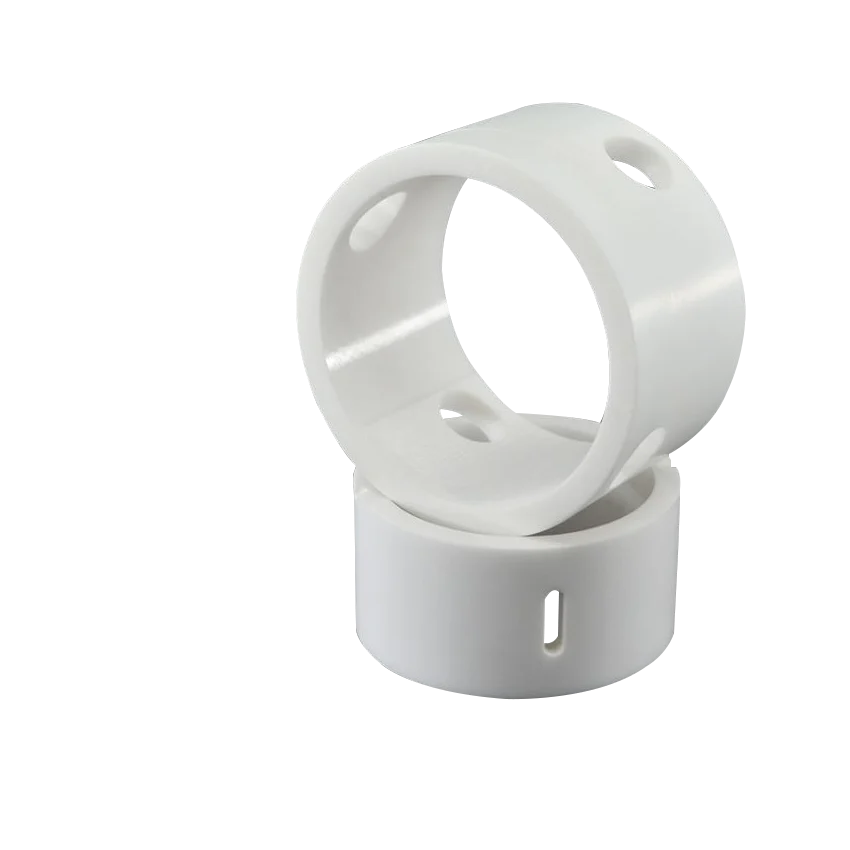
Published Data for Alumina Ceramic
Every value below is taken from NOWARUN's own specification for this part.
| Main Material | Aluminium Oxide (Al2O3) |
|---|---|
| Purity Range | 92% to 99.7% |
| Density | 3.0 to 3.96 g/cm3 |
| Working Temperature | 1000°C to 1800°C |
| Diameter Range | 10 mm to 850 mm |
| Thickness Range | 7 mm to 40 mm |
| Packaging | PP bag, carton, crate, box or to customer requirement |
| Origin | Hangzhou, Zhejiang, China |
Key Benefits
- Operates at continuous working temperatures between 1000°C and 1800°C without premature structural softening
- Alumina purity between 92% and 99.7% matches specific mechanical strength and electrical insulation demands
- Acid and alkali corrosion resistance prevents degradation in aggressive chemical processing environments
- Small thermal expansion coefficient provides dimensional stability across severe thermal cycling conditions
- High wear resistance extends component service life under direct abrasive friction and mechanical contact
- Low thermal conductivity provides effective thermal barrier protection in high heat machinery assemblies
Problems It Solves
- Metallic components softening, warping, or failing mechanically inside working environments exceeding 1000°C
- Rapid material thinning and structural degradation caused by continuous acid or alkali corrosion
- Mechanical wear and erosion in high friction production equipment shortening machine maintenance intervals
- Thermal stress fractures caused by large expansion coefficients during alternating hot and cold cycles
Who It Is For
- Procurement engineers sourcing custom technical ceramic plates manufactured to specific drawings and tolerances
- Furnace and thermal equipment designers needing custom alumina insulation components rated up to 1800°C
- Mechanical engineers designing sliding wear liners subjected to abrasive contact and harsh chemical media
- Equipment builders replacing fast-wearing metallic plates with electrically insulating, corrosion resistant alumina
Application Scenarios
- High temperature furnace linings where plates must resist thermal softening up to 1800°C
- Chemical handling equipment exposed to continuous acid and alkali contact without surface erosion
- Electrical insulation barriers requiring solid dielectric properties alongside elevated mechanical strength
- Wear resistant liners in mining and aggregate handling chutes exposed to severe particle friction
- Food processing or machine construction assemblies requiring chemically inert and corrosion resistant surfaces
Technical Features
- Aluminium oxide (Al2O3) composition with purity grades from 92% to 99.7%
- Material density ranging from 3.0 to 3.96 g/cm3 based on purity requirements
- Continuous operational temperature capability spanning from 1000°C to 1800°C
- Plate diameter manufacturing capabilities covering 10 mm to 850 mm
- Plate thickness manufacturing capabilities covering 7 mm to 40 mm
- Low thermal expansion coefficient and notable thermal shock resistance
Materials
- 92% purity aluminium oxide for standard wear resistant and mechanical applications
- 95% to 99% purity aluminium oxide for elevated electrical insulation and thermal requirements
- 99.7% high-purity aluminium oxide for high-temperature service up to 1800°C and aggressive chemical media
How It Is Made
- 1
Review of customer engineering drawing, dimensional specifications, and application purity requirements
- 2
Preparation and compounding of aluminium oxide powder within target density of 3.0 to 3.96 g/cm3
- 3
Forming of green ceramic plate blanks within diameter limits of 10 to 850 mm
- 4
High temperature sintering to achieve required mechanical strength and thermal properties
- 5
Machining or grinding to specified thickness between 7 mm and 40 mm
- 6
Cleaning, dimensional verification, and secure export packing in crates or boxes
Quality Control
- Alumina purity testing to confirm target specification between 92% and 99.7%
- Density verification ensuring final component meets 3.0 to 3.96 g/cm3 specifications
- Calibrated dimensional inspection of finished diameter and thickness against engineering prints
- Surface inspection for cracks, voids, or structural defects before packaging
Customization Options
- Plate diameters tailored to drawing requirements anywhere from 10 mm to 850 mm
- Plate thicknesses produced to print specifications between 7 mm and 40 mm
- Material purity selection between 92% and 99.7% based on operating temperature and chemical exposure
- Packaging configured to customer specification using cartons, crates, boxes, or PP bags
Compared With the Alternatives
| Alternative | Honest trade off |
|---|---|
| High alloy heat resistant steel plates | Alumina withstands working temperatures up to 1800°C without softening, but lacks the tensile flexibility and impact resilience of steel |
| Standard industrial polymer plates | Alumina provides superior wear resistance and chemical stability at extreme heat, but requires diamond tooling to machine once sintered |
| Off-the-shelf catalog ceramic tiles | Custom alumina plates are manufactured to exact drawing dimensions up to 850 mm diameter, avoiding layout compromises but requiring production lead time |
Use Guide
- Provide technical drawings showing target diameter between 10 and 850 mm and thickness between 7 and 40 mm
- Define the maximum continuous operating temperature to select the correct purity between 92% and 99.7%
- State chemical media exposure details, specifically contact with concentrated acids or alkalis
- Ensure mounting assemblies account for mechanical hardness and low thermal expansion characteristics
- Specify preferred protective export packaging such as padded wooden crates to prevent transit shock
Alumina Ceramic Questions
What operating temperatures can your alumina ceramic plates withstand?
Working temperatures range from 1000°C to 1800°C depending on the material purity and specific plate formulation.
What range of material purity and density do you supply?
We supply aluminium oxide purity from 92% to 99.7% with corresponding material densities ranging from 3.0 to 3.96 g/cm3.
What are the standard dimensional limits for custom ceramic plates?
Plates can be manufactured with diameters ranging from 10 mm to 850 mm and thicknesses from 7 mm to 40 mm according to your drawings.
How does alumina ceramic perform in acidic or alkaline environments?
Aluminium oxide provides high resistance to acid and alkali corrosion, preventing surface breakdown under direct chemical contact.
What packaging methods are used to prevent breakage during transit?
Parts are packaged in cartons, crates, boxes, or PP bags, and can be packed to customer-specific crating instructions to ensure safe delivery.
Related Products
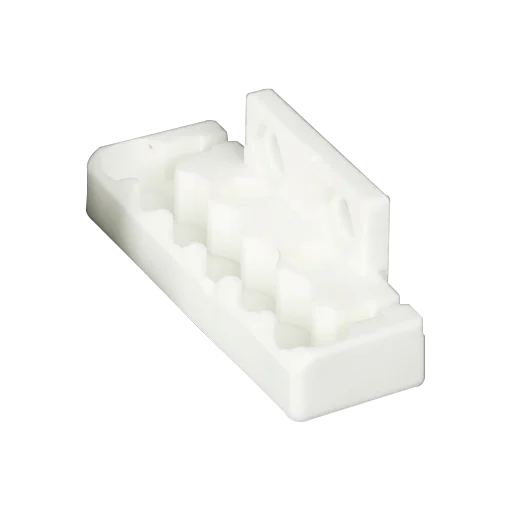
Ceremic terminal block
Ceramic terminal blocks, also termed porcelain connectors or 2 pole ceramic connecting terminals, are produced in 2…
View specifications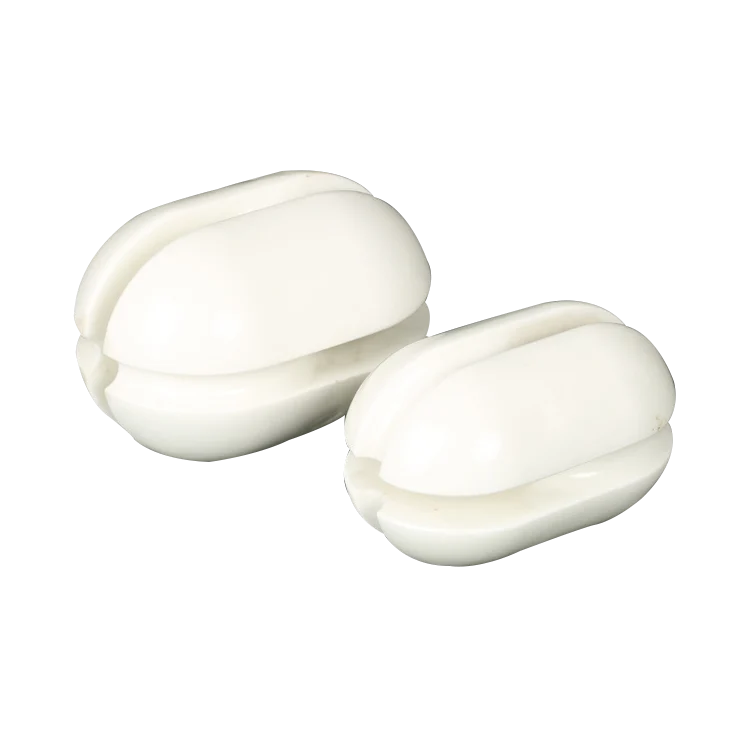
Ceramic insulator
Ceramic insulators manufactured by NOWARUN are produced from alumina ceramic based on aluminium oxide (Al2O3) to…
View specifications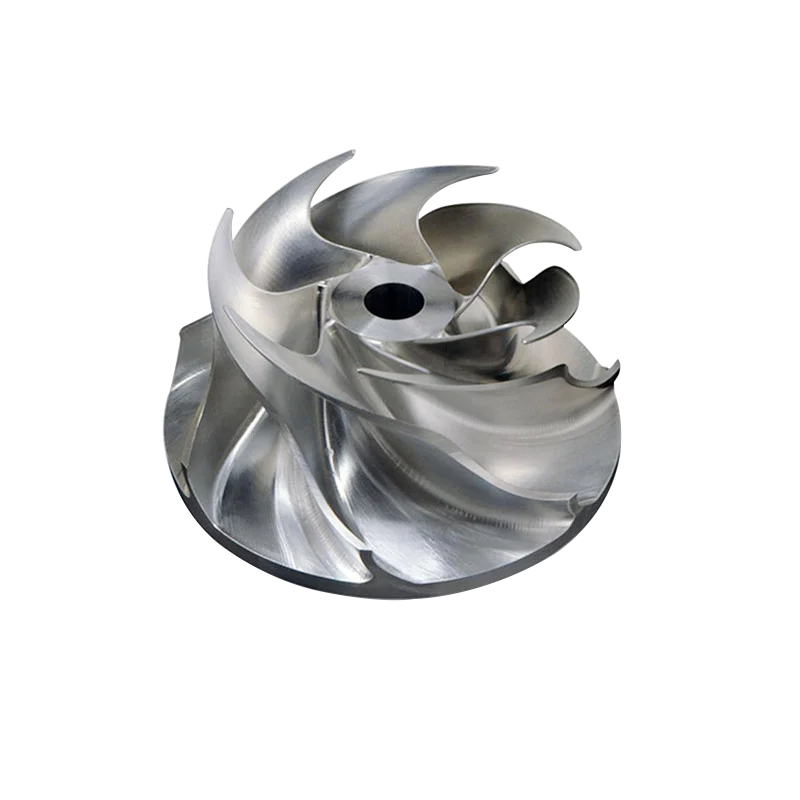
5 Axes CNC parts
5 axes CNC machining handles complex geometry, curved surfaces and multi-angle features in fewer setups, keeping…
View specifications
Shaft
Precision shafts transmit torque and locate rotating components, and NOWARUN machines them directly to customer…
View specificationsQuote Alumina Ceramic to Your Drawing
Send the print with the quantity, material, tolerance and surface treatment. Missing details get asked about, not assumed.