Define Tolerances and Geometry Explicitly
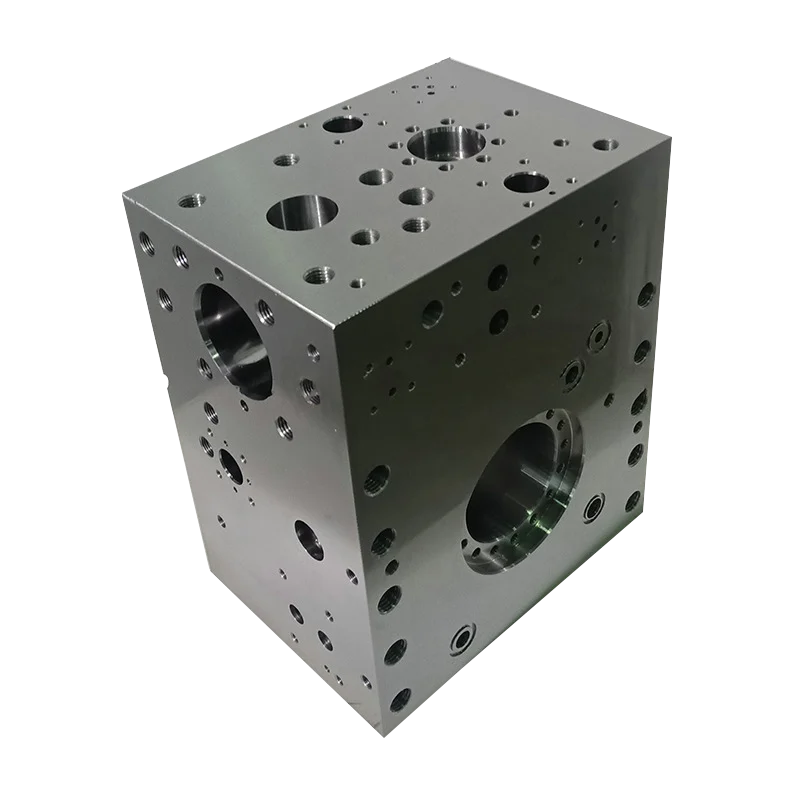
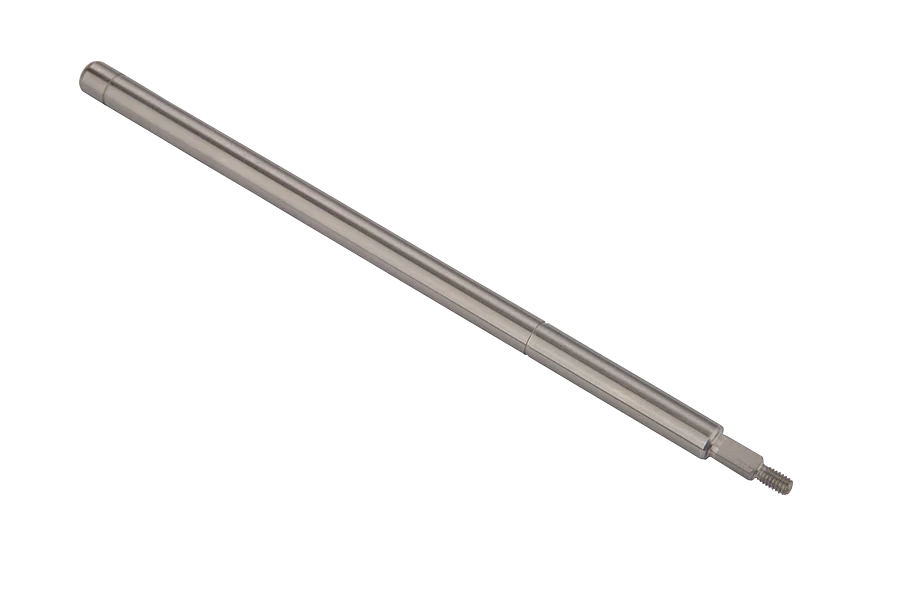
Machining cycle times depend strictly on dimensional limits. Quoting a shaft or valve block with blanket shop tolerances leads to mispriced operations, whereas specifying precision down to +/-0.005 mm or +/-0.01 mm identifies the need for grinding, Swiss turning, or multi-axis milling early. State the critical bores, concentricity, and linear fits directly in the drawing view so the process plan can be priced without guesswork.
Include Gear Systems and Precision Standards
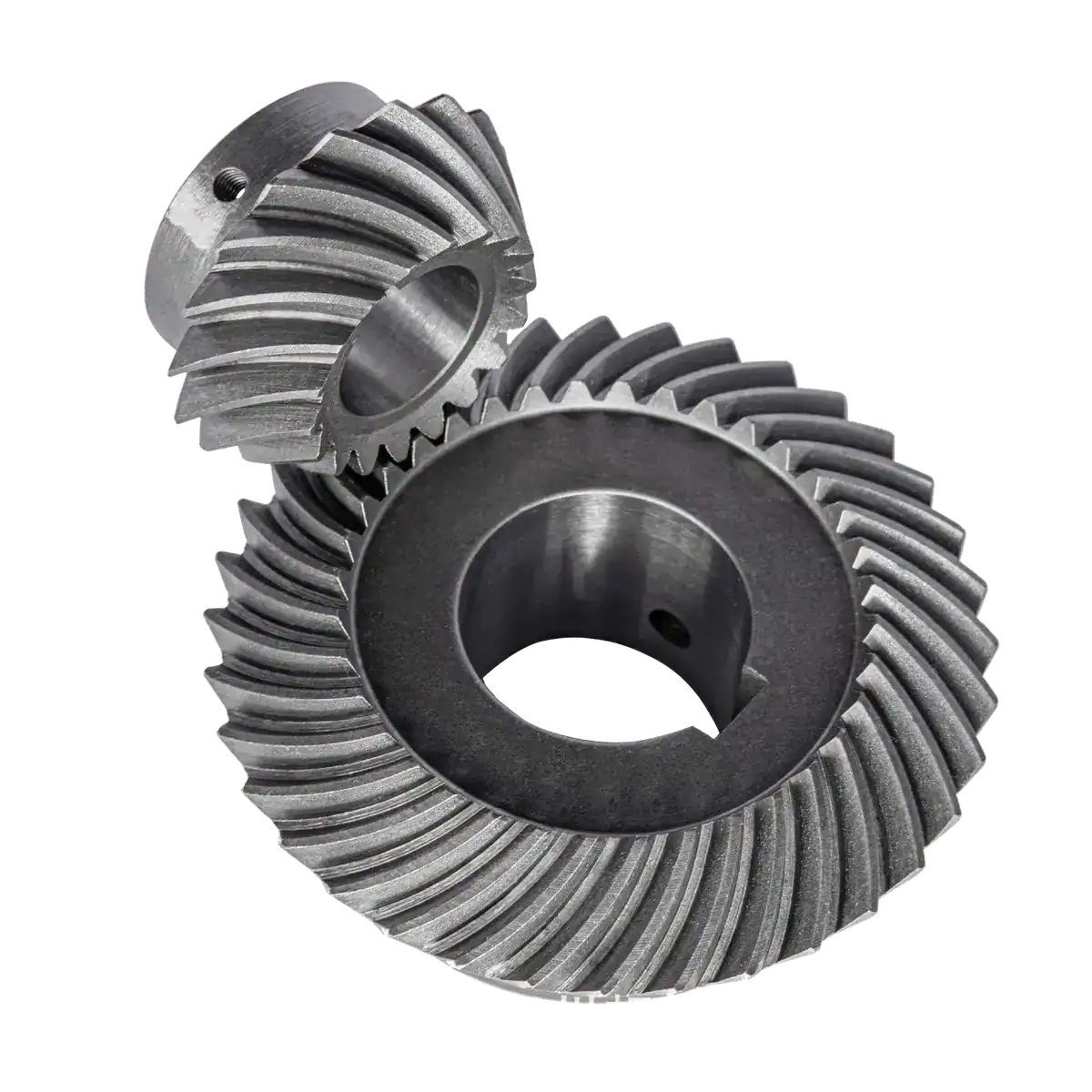
For gearing components such as spiral bevel gears, an incomplete profile specification delays quotation. State the module between 0.5 and 10, the tooth profile system such as Gleason or Klingelnberg, and the target precision between DIN 3 and DIN 7. Omitting whether a tooth flank requires milling or finish grinding forces suppliers to price against assumptions rather than functional requirements.
Spiral Bevel Gear specifications
Pair Heat Treatment with Surface Finish Requirements
Mechanical wear resistance and atmospheric protection must be quoted alongside machining. Note specific thermal processing such as carburizing, carbonitriding, quench and tempering, or induction hardening directly on the print. Specify the subsequent surface treatment, whether it is plating, anodizing, painting, powder coating, oiling, Geomet, Dacromet, or Delta, so the quoting engineer accounts for post-machining dimensional growth.
Provide Order Quantities and Packaging Demands
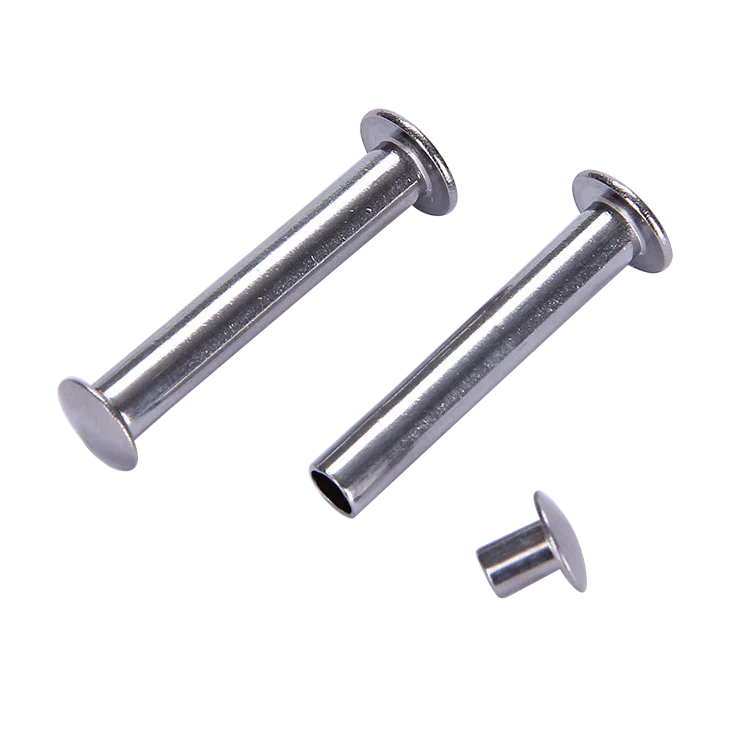
Batch sizes dictate the tooling setup and production line allocation. For stamped parts such as rivets, pricing is structured around an MOQ starting from 1000 pieces, with sample turnaround in 3 to 7 working days and volume batches in 10 to 15 working days. Indicating packaging constraints like PP bags, cartons, crates, or custom pallets upfront ensures accurate freight and packing estimates.