
Alloy CNC Parts
NOWARUN produces custom alloy CNC parts machined to customer drawings using 4-axis and 5-axis CNC machining, milling, and grinding. Parts are held to tolerances down to +/-0.005 mm in alloy steel, carbon steel, stainless steel, or aluminum. Secondary heat treatment options including carburizing, quenching, tempering, and induction hardening are performed to meet specified core and surface requirements before final surface finishing.
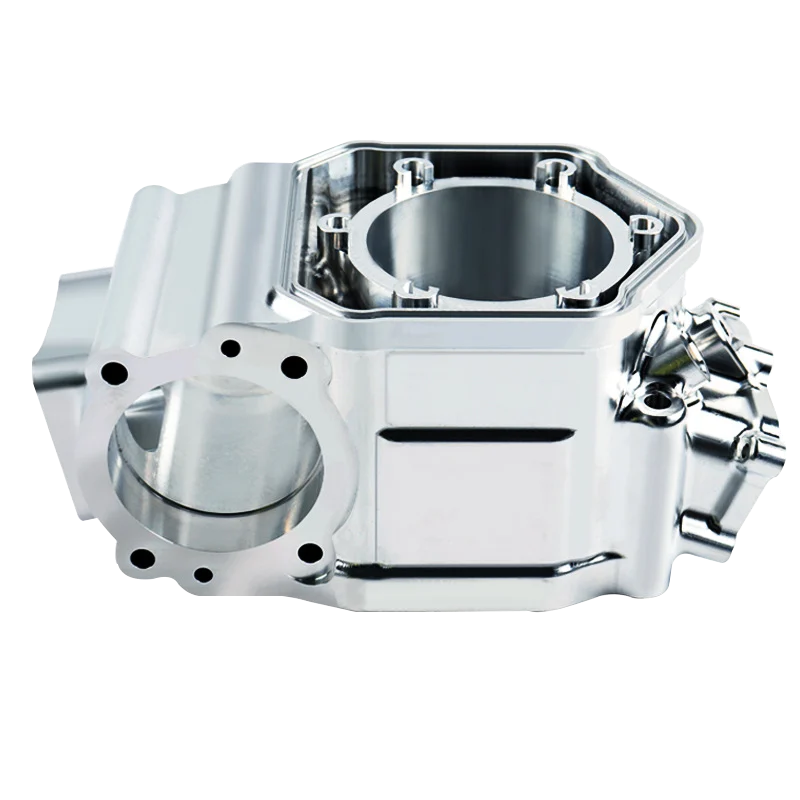
Published Data for Alloy CNC Parts
Every value below is taken from NOWARUN's own specification for this part.
| Machining Tolerance | +/-0.005 mm |
|---|---|
| Processes | 4-axis and 5-axis CNC machining, milling, grinding |
| Material Options | Alloy steel, carbon steel, stainless steel, aluminum, or customer requirement |
| Heat Treatment | Carburizing, carbonitriding, QT, quenching, tempering, induction hardening |
| Surface Treatment | Anodizing, sandblasting, painting, powder coating, plating, oiling, Geomet, Dacromet, Delta |
| Certifications | ISO 9001, ISO/TS 16949 / ISO/TS 16949, SGS, ROHS |
| Packaging | PP bag, carton, crate, box, or customer requirement |
| Origin | Hangzhou, Zhejiang, China |
Key Benefits
- Machining tolerance down to +/-0.005 mm on critical alloy CNC features for consistent assembly fits
- Multi-axis 4-axis and 5-axis CNC milling and grinding handle complex geometries in fewer clamping setups
- Heat treatments such as carburizing, induction hardening, and QT provide required hardness and wear resistance
- Wide finishing options including Geomet, Dacromet, anodizing, plating, and powder coating protect against corrosion
- Manufactured strictly to print or sample rather than catalog standards to fit bespoke assemblies
- Quality management verified through ISO 9001 and ISO/TS 16949 / ISO/TS 16949 manufacturing standards
Problems It Solves
- Machining distortion and tolerance drift on multi-sided parts resolved through 4-axis and 5-axis machining operations
- Premature component wear in demanding service resolved by induction hardening, carburizing, or quenching and tempering
- Corrosion issues in field machinery addressed by protective finishes including Dacromet, Geomet, Delta, or plating
- Accumulated assembly errors avoided by holding tight positional and dimensional tolerances down to +/-0.005 mm
Who It Is For
- Procurement engineers looking for contract CNC shops capable of maintaining +/-0.005 mm tolerance across batches
- Mechanical design engineers developing custom machinery who require 5-axis milled components made strictly to print
- Equipment OEMs needing one supplier to handle multi-axis machining, specified heat treatment, and surface coating
- Industrial machinery builders seeking alternatives to catalog parts for custom mechanical housings and structural mounts
Application Scenarios
- Machine construction applications requiring precision alloy steel blocks and structural mounts held to tight tolerances
- Mining and aggregate equipment subject to abrasive wear needing hardened, precision ground alloy components
- Agricultural machinery drive systems and linkages demanding structural alloy parts treated for shock resistance
- Food processing and industrial machinery where stainless steel or treated alloy components prevent surface degradation
- Wood processing machine frames and guides requiring multi-axis milling to align sliding interfaces
Technical Features
- Machining tolerance down to +/-0.005 mm achieved via 4-axis and 5-axis milling and grinding setups
- Comprehensive heat treatments including carburizing, carbonitriding, QT, quenching, tempering, and induction hardening
- Extensive surface treatment capabilities from anodizing and plating to Geomet, Dacromet, and Delta coatings
- Multi-material processing capabilities covering alloy steel, carbon steel, stainless steel, and aluminum
- Components produced to customer prints under ISO 9001 and ISO/TS 16949 quality systems
Materials
- Alloy steel for high-stress structural parts requiring carburized cases or through-hardening
- Carbon steel for general-purpose structural machinery parts requiring standard heat treatment
- Stainless steel for applications demanding inherent corrosion resistance without supplemental coatings
- Aluminum for lightweight components suitable for anodizing and precision multi-axis milling
- Customer-specified material grades provided to national or international material standards
How It Is Made
- 1
Review of customer 2D and 3D CAD models to evaluate feature tolerances and datum structures
- 2
Rough CNC turning or milling of raw stock to near-net shapes
- 3
Precision 4-axis and 5-axis CNC machining of complex contours, slots, and mounting holes
- 4
Heat treatment including carburizing, quenching, tempering, or induction hardening per drawing
- 5
Precision grinding of critical bearing journals, mating faces, or locating diameters
- 6
Application of specified surface treatment such as plating, Geomet, Dacromet, or anodizing
- 7
Final dimensional inspection against drawing tolerances before protective packaging
Quality Control
- Verification of critical dimensions against the +/-0.005 mm drawing specification
- Hardness testing after heat treatment cycles including carburizing, induction hardening, or QT
- Inspection of surface finish and coating adhesion for plated, painted, or Geomet-treated surfaces
- Compliance tracking under ISO 9001 and ISO/TS 16949 / ISO/TS 16949 production standards
Customization Options
- Machined completely to customer engineering drawings, 3D CAD files, or physical reference samples
- Material alloy grades selected based on customer functional requirements and operating conditions
- Selective heat treatment specified for critical wear faces, bearing seats, or core toughness
- Protective surface coatings tailored to operating environments including plating, oiling, or Dacromet
Compared With the Alternatives
| Alternative | Honest trade off |
|---|---|
| 3-axis CNC machining | 5-axis CNC machining handles complex multi-sided geometries in fewer setups, though programming and machine hourly rates are higher |
| Standard catalog machinery brackets | Custom alloy CNC parts match your exact housing geometry and fit requirements, but require upfront engineering review and production lead times |
| As-machined unhardened alloy steel | Carburized or induction-hardened parts resist surface wear under heavy mechanical loads, though thermal processing adds steps to manufacturing |
Use Guide
- Provide fully dimensioned 2D engineering drawings indicating datum references, geometric tolerances, and critical dimensions
- Supply 3D CAD models in standard exchange formats to facilitate 4-axis and 5-axis CNC toolpath generation
- State required heat treatment specifications including target surface hardness, case depth, or core mechanical properties
- Define necessary surface treatment standards such as layer thickness or salt spray exposure requirements
- Specify preferred packaging methods such as individual PP bags, partitioned cartons, or wooden crates
Alloy CNC Parts Questions
What machining tolerance can you hold on alloy CNC parts?
We hold machining tolerances down to +/-0.005 mm on precision CNC machined alloy components, shafts, and valve blocks.
What multi-axis CNC machining capabilities are available?
We utilize 4-axis and 5-axis CNC machining, milling, and grinding to produce complex contours and tight tolerance features.
What heat treatment processes can be applied to alloy steel?
Available heat treatments include carburizing, carbonitriding, QT (quenching and tempering), through-quenching, tempering, and induction hardening.
Which surface treatments do you offer for corrosion protection?
Options include anodizing, sandblasting, painting, powder coating, plating, oiling, Geomet, Dacromet, and Delta coatings.
What quality certifications cover your CNC machining operations?
Manufacturing processes are certified under ISO 9001 and ISO/TS 16949 / ISO/TS 16949, with SGS and ROHS compliance.
How are finished alloy CNC parts packaged for overseas transport?
Parts are packaged in PP bags, cartons, crates, or boxes, or prepared according to specific customer packaging instructions.
Related Products
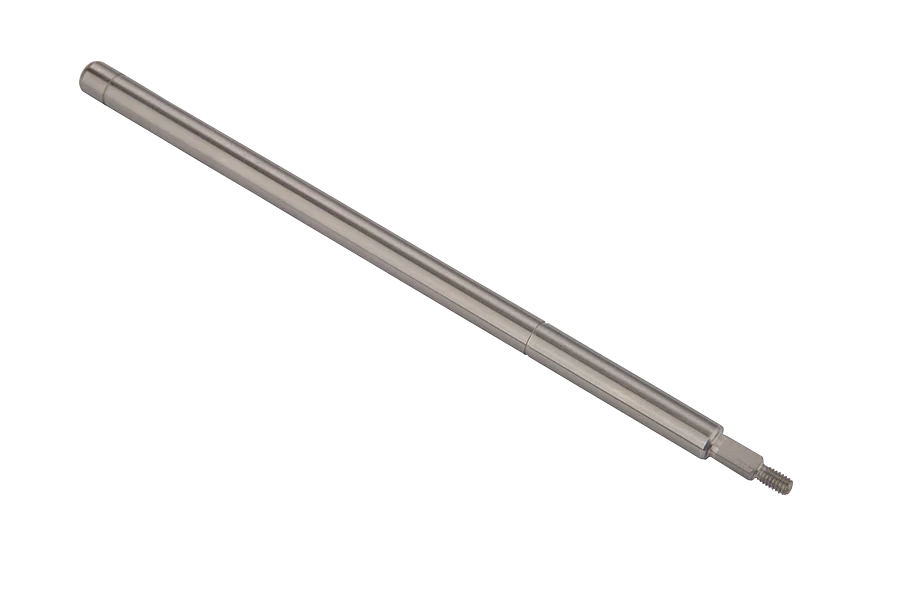
Shaft
Precision shafts transmit torque and locate rotating components, and NOWARUN machines them directly to customer…
View specifications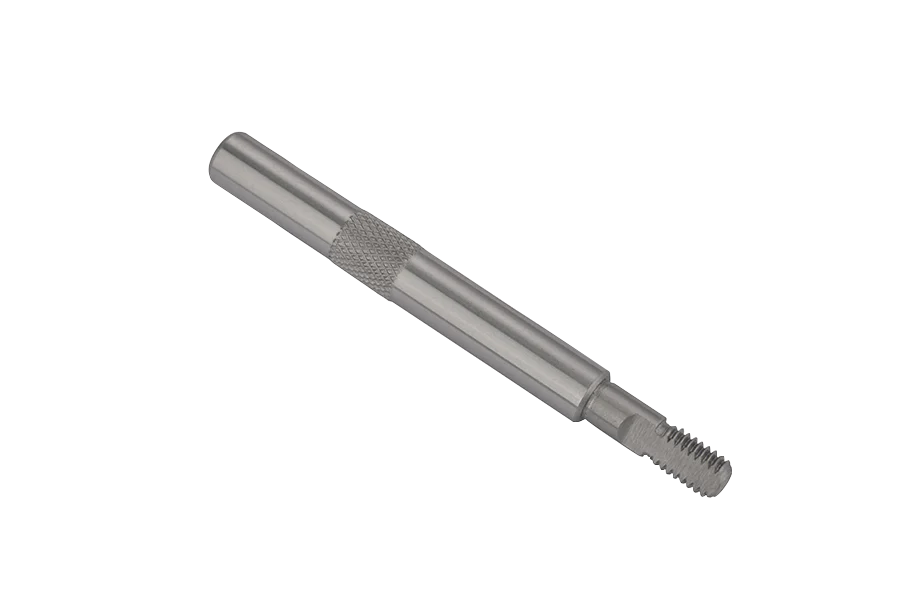
Knurling Shaft
Knurling shafts provide defined grip and mechanical press fit surfaces for rotating or locating assemblies, machined…
View specifications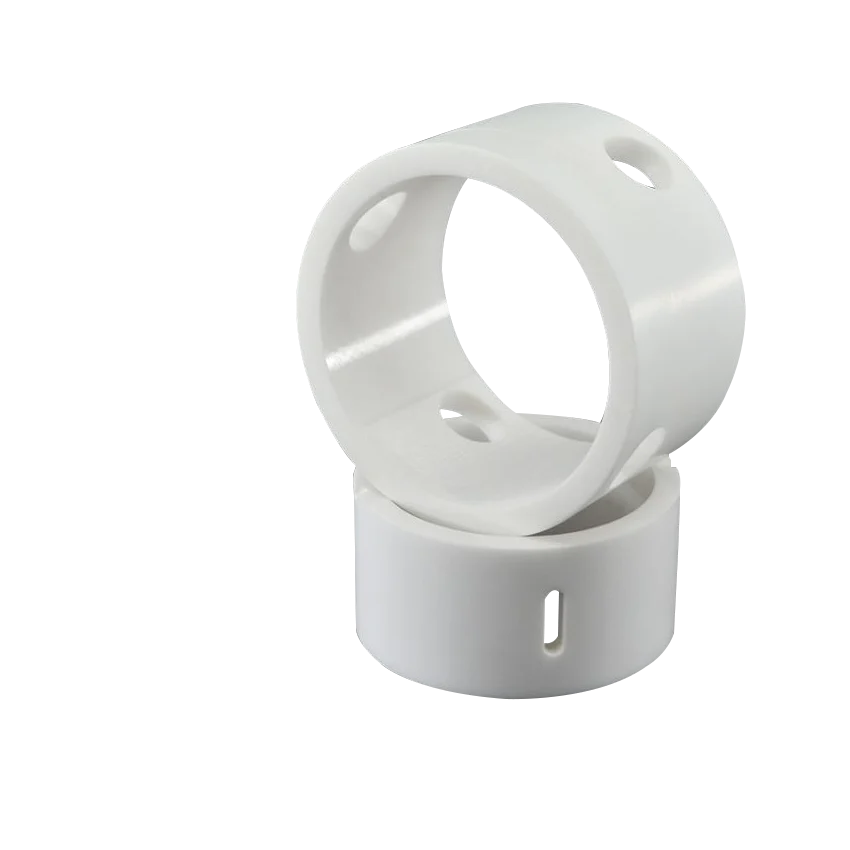
Alumina Ceramic
NOWARUN manufactures custom alumina ceramic plates from aluminium oxide (Al2O3) to customer drawings and data…
View specifications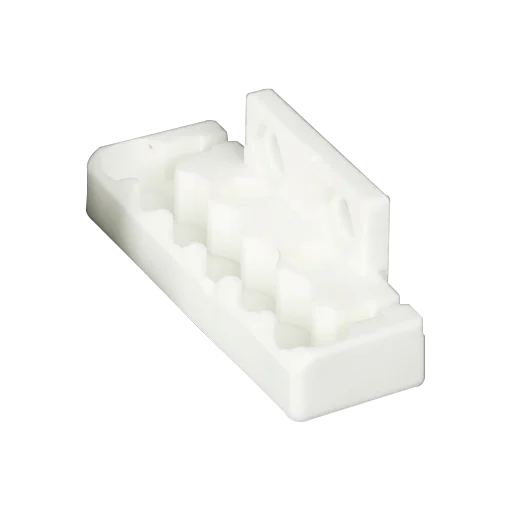
Ceremic terminal block
Ceramic terminal blocks, also termed porcelain connectors or 2 pole ceramic connecting terminals, are produced in 2…
View specificationsRelated Guides
A Machining Tolerance Guide for Custom Metal Parts
Machining tolerance capabilities down to +/-0.005 mm on custom shafts, valve blocks and alloy parts across CNC turning, milling an
Process GuideA Surface Treatment Guide for Machined Steel Parts
Compare plating, Geomet, Dacromet, and E-coating for machined steel parts holding tolerances down to +/-0.005 mm across varied ser
Quote Alloy CNC Parts to Your Drawing
Send the print with the quantity, material, tolerance and surface treatment. Missing details get asked about, not assumed.